Tag: peptide serum

  • Skincare Serums You Shouldn’t Layer Together After 50

    Skincare Serums You Shouldn’t Layer Together After 50

    As we get older, skincare can get more complicated. There are more serums, more active ingredients, and plenty of advice about what to add to your routine. But using several powerful products together isn’t always better. In some combinations, the ingredients can increase irritation, dryness, redness, or sensitivity.

    After 50, many people find that their skin is less forgiving than it once was. A routine that worked in your 30s may suddenly leave your face feeling tight, dry, or irritated. The goal isn’t to stop using effective ingredients. It’s to use them in a way your skin can actually tolerate.

    Retinol and Benzoyl Peroxide

    Both retinoids and benzoyl peroxide can be useful skincare ingredients, but using them together can be irritating for some people. Benzoyl peroxide is commonly used for acne, while retinoids encourage skin cell turnover. If your skin becomes dry, burning, peeling, or unusually sensitive, using them at different times or on different days may be easier to tolerate.

    Retinol and Strong Exfoliating Acids

    Retinol combined with strong exfoliating acids such as glycolic acid, lactic acid, or salicylic acid can be too much for sensitive or mature skin when applied in the same routine. Both approaches can increase exfoliation or cell turnover, so piling them together may lead to irritation.

    A simpler approach is to alternate them. For example, you might use your retinol on some evenings and an exfoliating acid on another evening. There is no prize for using every active ingredient at once.

    Vitamin C and Strong Exfoliating Acids

    Vitamin C can be a useful antioxidant in a morning routine, but combining a strong vitamin C product with other highly active acids may be irritating, particularly if your skin is already dry or sensitive. If your routine starts feeling harsh, separate the products rather than assuming you need more.

    Multiple Strong Actives in One Routine

    This is the combination that is easiest to overlook. A person might use a vitamin C serum, an exfoliating acid, retinol, and another treatment serum because each product sounds beneficial on its own. The problem is that your skin experiences the whole routine—not each ingredient separately.

    When several active products are layered together, irritation can make your skin look worse rather than better. Redness, flaking, tightness, and stinging are signs to step back and simplify.

    What About Hyaluronic Acid?

    Hyaluronic acid is different from many of the strong treatment ingredients above. It is primarily used as a humectant to help attract and hold water in the skin. It is commonly paired with other skincare ingredients and is generally considered a gentler addition to a routine.

    A Simple Way to Build Your Routine After 50

    • Morning: gentle cleanser, moisturizer, and sunscreen. An antioxidant serum such as vitamin C can be added if your skin tolerates it.
    • Evening: gentle cleanser, moisturizer, and one main treatment ingredient such as retinol.
    • Exfoliation: use an exfoliating acid on a separate night if your skin needs it.
    • Hydration: a simple hydrating serum can be used when it fits comfortably into your routine.

    Common Questions

    Which skincare serums should you not layer together after 50?
    Some combinations can be irritating, especially when they contain strong active ingredients. Retinoids, exfoliating acids, and certain vitamin C formulas may be better used at different times rather than layered all at once.

    Can you use vitamin C and retinol together after 50?
    They can both have a place in a skincare routine, but using them at separate times—such as vitamin C in the morning and retinol at night—may be easier on mature skin.

    Can you layer retinol and exfoliating acids?
    Using retinol and strong exfoliating acids together can increase the chance of dryness, redness, peeling, or irritation. Many people find it more comfortable to alternate them instead.

    Can you use niacinamide with other serums?
    Niacinamide is generally considered a versatile ingredient and can work with many other skincare ingredients. It is often easier to combine with other products than stronger active ingredients.

    Should you use several anti-aging serums at the same time?
    More products don’t necessarily mean better results. After 50, keeping your routine simple and introducing one active serum at a time can make it easier to see what works for your skin.

    How can you tell if you’re using too many skincare actives?
    Persistent dryness, burning, redness, tightness, or peeling can be signs that your routine is becoming too irritating. Simplifying your routine may help.

    Is it better to alternate serums instead of layering them?
    Often, yes. Using different active ingredients on different nights can let you keep several useful ingredients in your routine without putting too many potentially irritating products on your skin at once.

    What should you do if a serum combination irritates your skin?
    Stop the irritating combination and return to a simple routine with gentle cleansing, moisturizer, and sunscreen until your skin settles. If irritation is severe or persistent, consider asking a dermatologist for advice.

    The Bottom Line

    Good skincare after 50 doesn’t have to mean using more products. In many cases, a smaller routine that your skin tolerates consistently makes more sense than stacking several powerful serums together.

    If a combination leaves your skin burning, unusually red, very dry, or peeling, stop the irritating combination and give your skin a chance to recover. If you have a persistent reaction, check with a dermatologist or other qualified healthcare professional.

    This article is for general information and reflects practical skincare guidance, not medical advice. Everyone’s skin is different, especially with age.

    Recommended Serum

    medicube NAD EGF Firming Serum for Face & Body, Elasticity & Anti-Aging

    Affiliate Disclosure: Some links in this post may be affiliate links. If you purchase something through one of these links, Well After 50 may earn a small commission at no extra cost to you. This helps support the site and allows us to continue creating helpful content.

    Keep Reading

    About Tom Green

    Written by Tom Green, creator of Well After 50. Tom shares practical, straightforward ideas about skincare, fitness, nutrition, wellness, and healthy aging after 50.
  • How to Pick the Right Serum After 50: What I Actually Look For

    How to Pick the Right Serum After 50: What I Actually Look For

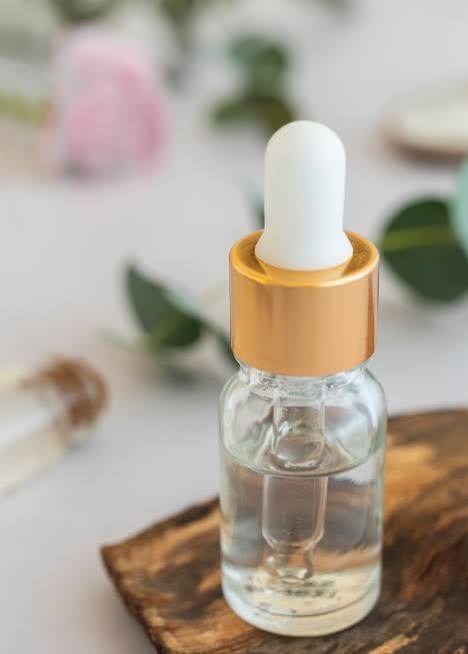
    A serum can be useful, but choosing one because the bottle looks expensive or the ingredient list sounds impressive is an easy way to spend money without knowing what you are buying. After 50, I look for a clear purpose first.

    Start with the problem you actually want to address

    Before buying anything, I ask what I want the product to do. Different ingredients and formulas are aimed at different concerns.

    • Dryness or tightness: Look for hydrating and barrier-supporting ingredients.
    • Uneven tone: Look for ingredients intended to improve the appearance of pigmentation, while staying serious about sun protection.
    • Texture and fine lines: Certain proven actives may help, but tolerance matters.
    • General maintenance: You may not need a serum at all if your basic routine is already working.

    Ingredients I pay attention to

    Hyaluronic acid and other humectants can help the skin hold water. Niacinamide is commonly used for several skin concerns and may be useful in a well-tolerated formula. Vitamin C products are popular for antioxidant support and uneven tone. Retinoids have a stronger history for addressing signs of photoaging, but they can also be irritating and need to be introduced thoughtfully.

    The ingredient is only part of the story. The finished formula, concentration, packaging, your other products and how your skin reacts all matter.

    Don’t build a routine from competing actives

    This is where I think people get into trouble. One serum contains an acid, another contains a retinoid, another contains vitamin C, and suddenly the skin is being asked to tolerate everything at once.

    A serum should fit into your routine, not take over your routine.

    My shopping test

    Before I buy, I ask four questions: What am I trying to change? Why did I choose this ingredient? Can I use the product consistently? And am I already using something that does essentially the same job?

    If I cannot answer those questions, I keep shopping—or I save my money.

    Give it time

    Skincare is rarely a one-week project. A product may improve how hydrated your skin feels quickly, while changes in texture or tone can take much longer. Constantly switching products makes it difficult to know what is helping.

    Common Questions

    How do I pick the right serum after 50?
    Start with your main skin concern—hydration, fine lines, uneven tone, or texture—then choose a serum with ingredients that address that specific concern.

    What should you actually look for in a serum after 50?
    Look at the ingredients, not just the marketing. Choose a formula that has a clear purpose and fits your skin type and concerns.

    Which serum ingredients are worth looking for after 50?
    Hyaluronic acid can help with hydration, vitamin C can support brighter-looking skin, niacinamide can support the skin barrier, and retinoids can target several signs of aging.

    Do you really need a serum after 50?
    No. A serum is an optional step. A gentle cleanser, moisturizer, and daily sunscreen are the foundation of a simple routine.

    Should you choose a serum for hydration or anti-aging after 50?
    Choose based on what your skin actually needs. If dryness is your biggest issue, prioritize hydration. If fine lines or uneven texture are the concern, a targeted active may make more sense.

    Is a more expensive serum better after 50?
    Not necessarily. Price alone doesn’t tell you whether a serum is a good match for your skin.

    How many serums should you use after 50?
    Usually, you don’t need several. Starting with one targeted serum makes it easier to see how your skin responds.

    How should you add a new serum to your routine after 50?
    Introduce one new product at a time, start slowly, and follow with moisturizer. Use sunscreen during the day.

    What is the biggest mistake when choosing a serum after 50?
    Buying based on impressive claims instead of choosing an ingredient that addresses your actual skin concern.

    What is the simplest serum strategy after 50?
    Identify your main concern → choose one useful ingredient → start slowly → moisturize → use sunscreen every morning.

    A gentle health note: Active skincare ingredients can irritate mature or sensitive skin. Introduce new products gradually and stop using them if you develop significant or persistent irritation.

    My bottom line

    The “best” serum is not necessarily the newest or most expensive one. It is the one that addresses a real concern, fits with the rest of your routine and is comfortable enough that you will actually keep using it.

    General skincare information and personal experience, not medical advice.

    The Ordinary Serum Favorites Set – Hyaluronic Acid 2% + B5, Niacinamide 10% + Zinc 1%, Caffeine Solution 5% + EGCG Eye Serum, Serums for Hydrating, Brightening & Pore-Minimizing Skin Care

    Check out these serums: https://amzn.to/4z6CMfx


    Disclosure: Some links in this article are affiliate links. If you purchase through one of these links, Well After 50 may earn a commission at no additional cost to you.

    About Tom Green

    Written by Tom Green, creator of Well After 50. Tom shares practical, straightforward ideas about skincare, fitness, nutrition, wellness, and healthy aging after 50.

  • Best Anti-Aging Skincare Routine for Women Over 50

    Best Anti-Aging Skincare Routine for Women Over 50

    The older I get, the less interested I am in a bathroom counter covered with products. A good anti-aging routine after 50 doesn’t have to be complicated. In fact, the basics may matter more than chasing every new serum, cream, or “miracle” ingredient.

    For me, the goal is simple: keep skin protected, hydrated, comfortable and as healthy-looking as I can. Then, if there is a specific concern—fine lines, uneven tone, dryness or texture—I add one targeted product rather than changing everything at once.

    Start With the Three Things That Matter Most

    1. Gentle cleansing

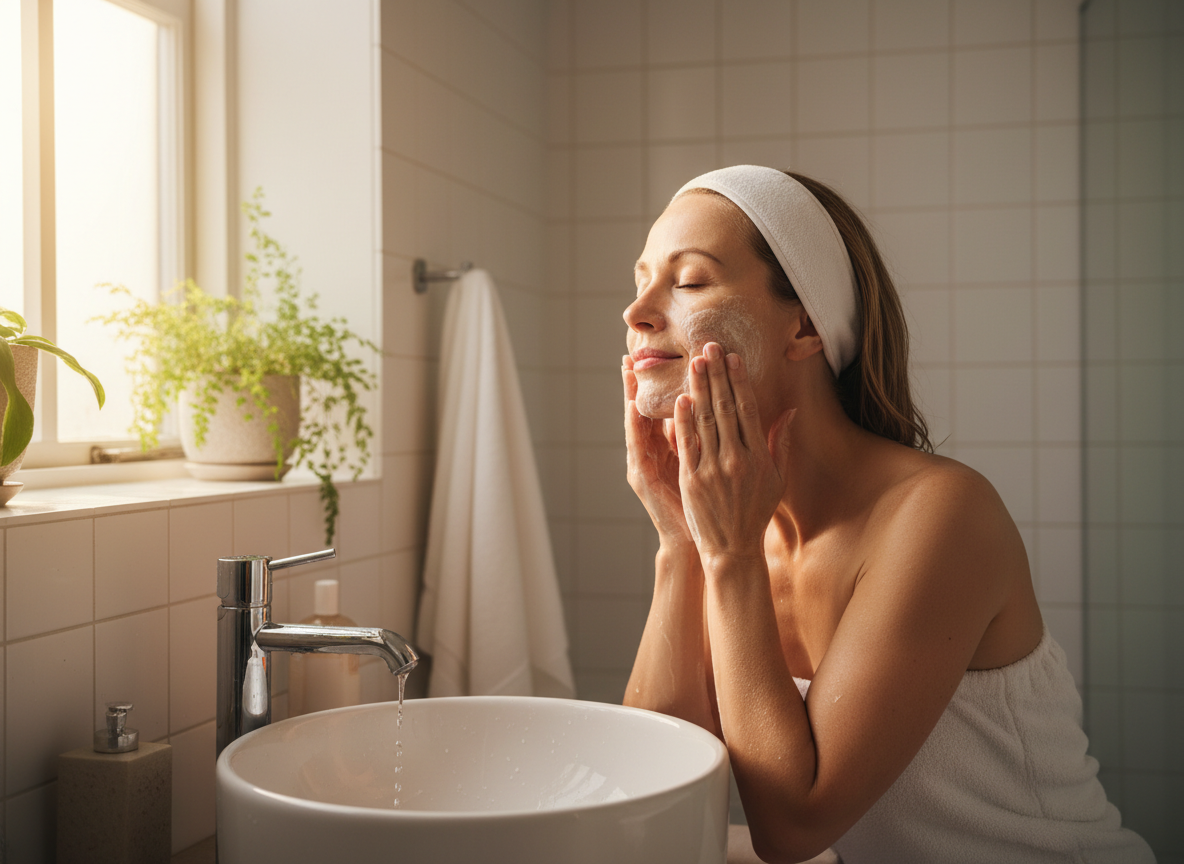
    Clean skin is important, but mature skin doesn’t need to feel stripped to be clean. A gentle cleanser can remove sunscreen, makeup, sweat and everyday buildup without leaving your face tight or uncomfortable.

    If your skin feels squeaky, dry or irritated after washing, that is a good reason to reconsider the cleanser rather than simply adding more moisturizer afterward. Dermatologists generally recommend a mild cleanser and avoiding aggressive scrubbing. citeturn0search1turn0search12

    2. Moisturizer

    As skin ages, dryness can become more noticeable. A moisturizer helps hold water in the skin and can temporarily soften the appearance of fine lines. The right texture depends on your skin: someone very dry may prefer a richer cream, while someone oilier may prefer something lighter.

    I wouldn’t automatically buy the most expensive moisturizer on the shelf. What matters is finding one you actually enjoy using consistently. citeturn0search4

    3. Sunscreen every morning

    If you’re serious about an anti-aging routine, this is the step I would not skip. The American Academy of Dermatology recommends broad-spectrum, water-resistant SPF 30 or higher when you’re going outdoors. Sun exposure contributes to wrinkles, uneven pigmentation and other visible signs of premature aging. citeturn0search0turn0search1

    And don’t think of sunscreen as something reserved for beach days. Everyday exposure adds up, whether you’re walking the dog, working in the yard or simply running errands.

    Then Decide What You Actually Want to Improve

    This is where a lot of routines get unnecessarily complicated. Instead of buying five anti-aging products because they’re trending, pick the concern that bothers you most.

    • Fine lines and texture: a retinoid or retinol may be worth discussing with a dermatologist if your skin can tolerate it.
    • Uneven tone or dark spots: look for a product specifically formulated for pigmentation concerns.
    • Dryness: prioritize moisturizer and a gentle routine before piling on active ingredients.
    • Dull-looking skin: improve the basics first, then consider a targeted treatment.

    Retinoids have evidence behind them for improving fine lines, texture and some pigmentation, but they can also irritate dry or sensitive skin. Starting slowly is often more sensible than jumping straight into a strong product. citeturn0search8

    A Simple Morning Routine

    1. Gentle cleanser, if you need one.
    2. Optional antioxidant or other targeted serum.
    3. Moisturizer if your skin needs it.
    4. Broad-spectrum SPF 30+ sunscreen.

    You don’t have to use every possible step. If a simple cleanser, moisturizer and sunscreen routine keeps your skin comfortable, that’s a perfectly reasonable foundation.

    A Simple Night Routine

    1. Cleanse gently.
    2. Apply your targeted treatment, if you’re using one.
    3. Moisturize.

    If you’re introducing retinol or another active, don’t introduce several new products at the same time. Dermatologists caution that using multiple anti-aging products too quickly can irritate the skin, and irritation can make signs of aging more noticeable. citeturn0search5

    What About Eye Creams, Toners and Exfoliators?

    They can have a place in a routine, but none is automatically required just because you’re over 50.

    Eye cream can be useful if you like the texture or ingredients and it doesn’t irritate you. Toner is optional. Exfoliation can help some people with texture, but aggressive exfoliation is exactly the kind of thing that can leave mature skin angry and dry.

    My rule would be: if you can’t explain why a product is in your routine, you probably don’t need to rush out and buy it.

    The Biggest Mistake: Doing Too Much

    There is a strange temptation to attack aging skin. More acids. More retinol. More scrubs. More layers. More products.

    But older skin often benefits from a calmer approach. If your face is constantly red, tight, peeling or stinging, adding another active probably isn’t the answer. The AAD specifically advises stopping products that irritate the skin and giving anti-aging products time to work rather than constantly switching. citeturn0search5

    What a Good Routine Looks Like After 50

    A good routine isn’t the one with the biggest product collection. It’s the one you can stick with.

    Think of it this way: protect first, moisturize second, target a specific concern third. Give each product enough time to prove whether it deserves a permanent place on your shelf.

    And remember that skincare has limits. Creams and serums can improve the appearance and feel of skin, but they can’t duplicate a facelift or stop normal aging. Realistic expectations will save you money—and probably save your skin from a lot of unnecessary experimentation. citeturn0search0turn0search5

    Common Questions

    What is the best anti-aging skincare routine for women 50+?
    Keep it simple: gentle cleansing, targeted skincare if needed, moisturizer, and daily broad-spectrum sunscreen.

    What should women 50+ use in the morning?
    A simple morning routine can be gentle cleanser or rinse → serum or treatment if desired → moisturizer → broad-spectrum sunscreen.

    What should women 50+ use at night?
    A simple evening routine can be gentle cleanser → targeted treatment such as a retinoid if appropriate → moisturizer.

    Is sunscreen really part of an anti-aging routine after 50?
    Yes. Protecting your skin from UV exposure is one of the most important steps for reducing further visible sun-related skin aging.

    Should women 50+ use retinol or a retinoid?
    Retinoids can help improve the appearance of fine lines and skin texture, but they can also cause irritation. Start gradually and use a moisturizer and sunscreen.

    What moisturizer is best for mature skin after 50?
    Choose one that matches your skin type and keeps your skin comfortable and hydrated. Ingredients such as ceramides and glycerin can be useful.

    Do women 50+ need an expensive anti-aging skincare routine?
    No. A simple routine with products your skin tolerates well can be more useful than an expensive routine filled with unnecessary products.

    Should you put your skincare products on your neck after 50?
    Yes, if the products are appropriate for your neck and your skin tolerates them. Don’t forget sunscreen there during the day.

    How many anti-aging products do you really need after 50?
    You don’t need a shelf full of products. Start with the basics and add one targeted product at a time if you have a specific concern.

    What is the simplest anti-aging routine after 50?
    Morning: cleanse/rinse → moisturize → sunscreen.
    Evening: cleanse → targeted treatment if appropriate → moisturize.

    Practical takeaway: The best anti-aging routine isn’t the one with the most products. It’s the one you can use consistently while keeping your skin protected, moisturized, and comfortable.

    A gentle health note: If a skincare product causes persistent burning, swelling, rash, or significant irritation, stop using it and consider speaking with a dermatologist.

    This is general skincare information, not medical advice. If you have persistent irritation, a changing spot, significant pigmentation or another skin concern, a dermatologist can help you figure out what is appropriate for your skin.


    CeraVe Eye Repair Cream, Hyaluronic Acid Eye Cream for Dark Circles, 0.5oz

    Skin Care, Under Eye Treatment for Puffiness with Niacinamide, Ceramides & Marine Botanical Complex, Ophthalmologist Tested

    Brightening, Dark Circle, Dryness, Puffiness https://amzn.to/46UVECj

    Disclosure: Some links in this article are affiliate links. If you purchase through one of these links, Well After 50 may earn a commission at no additional cost to you.

    About Tom Green

    Written by Tom Green, creator of Well After 50. Tom shares practical, straightforward ideas about skincare, fitness, nutrition, wellness and healthy aging after 50.