The Ordinary Skincare After 50: Where to Start
If you’re searching for The Ordinary skincare after 50, begin with your biggest concern: dryness, fine lines, uneven tone or irritation. A simple routine of gentle cleansing, moisturizer, sunscreen and—if needed—one carefully chosen treatment is a better starting point than collecting serums.
The Ordinary is one of those skincare brands that can be both exciting and a little dangerous for someone over 50. The prices are approachable, the ingredient names are everywhere, and suddenly it is very easy to imagine that you need six different serums.
But here is the question I think matters more than the price: Can you build a routine with The Ordinary that actually makes sense for mature skin?
Yes—but I would keep it much simpler than the giant lineup of bottles might tempt you to do.
Why The Ordinary Gets So Much Attention
The appeal is easy to understand. The brand focuses heavily on individual ingredients and targeted formulas, rather than making every product sound like a mysterious luxury treatment.
The current lineup includes products built around peptides, retinoids, hyaluronic acid, niacinamide, vitamin C, squalane and other active ingredients. It also has products specifically organized around concerns such as signs of aging, dryness, uneven tone and texture.
For someone who wants to understand what they are putting on their face, that transparency can be appealing.
But Mature Skin Doesn’t Need Everything
This is where I think people can get into trouble.
You see a $10 serum for one concern, another inexpensive serum for something else, and another one that promises brighter or smoother-looking skin. Because each bottle seems affordable, buying several doesn’t feel like a big decision.
Then you have a bathroom shelf full of active ingredients and no idea which one is causing the dryness or irritation.
Older skin can already be more prone to dryness and sensitivity. A routine that looks impressive on paper can be a terrible routine if your skin is constantly irritated.
The Basics Come First
Before adding an active serum, I would get the foundation under control:
- Gentle cleanser: Clean your skin without leaving it feeling stripped.
- Moisturizer: Use one that leaves your skin comfortable rather than tight.
- Sun protection: Protect exposed skin during the day with broad-spectrum sunscreen.
- One treatment: Add a targeted active based on your actual concern.
That may sound almost too simple. That’s exactly why I like it.
If Wrinkles and Texture Are Your Main Concern
Retinoids are among the most studied topical ingredients for signs of skin aging. The Ordinary currently offers several retinoid options, including retinol formulas and Retinal 0.2% Emulsion. Its own 2026 guidance emphasizes introducing retinoids carefully and building tolerance rather than jumping straight into an aggressive routine.
If you are new to retinoids, I would not start by combining one with every other active you own. Start slowly, pay attention to how your skin responds, and give it time.
And because retinoids can increase irritation and sun sensitivity, daytime sun protection remains an important part of the routine.
If Dryness Is the Bigger Problem
Sometimes the answer isn’t another anti-aging active. Sometimes your skin is simply asking for more support.
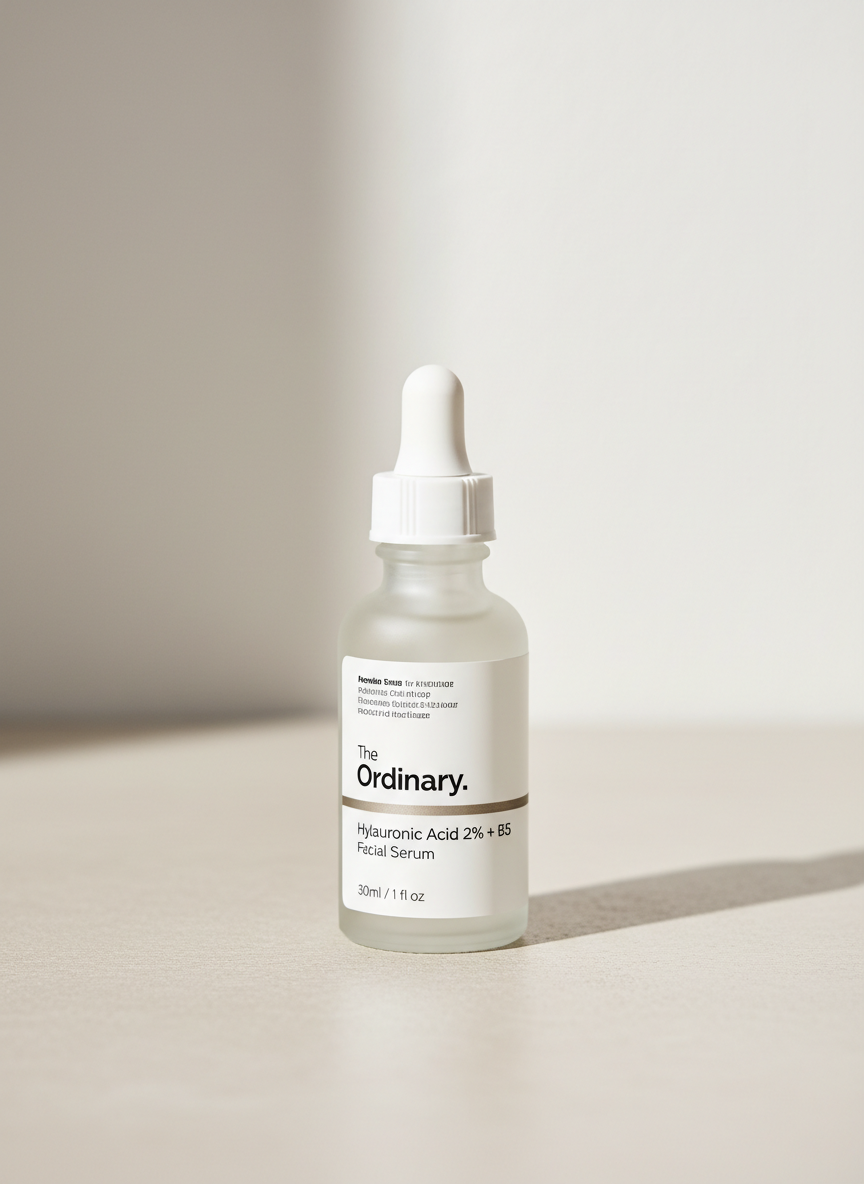
The Ordinary currently offers hydrating products such as Hyaluronic Acid 2% + B5 and moisturizers containing ingredients intended to support hydration and the skin barrier.
If your skin feels tight, flaky or uncomfortable, I would rather see you simplify the routine and improve hydration than keep adding stronger treatments.
What About Peptides?
Peptides have become a major part of the mature-skin conversation, and The Ordinary has several peptide products, including Multi-Peptide + HA Serum, Matrixyl 10% + HA and Multi-Peptide + Copper Peptides 1% Serum.
I think peptides can be an interesting option when you want a treatment step without making your routine all about exfoliation or strong retinoids. But I would still judge the product by the formula and how your skin responds—not by the word “peptide” printed on the bottle.
Niacinamide Can Be Useful, Too
Niacinamide is another ingredient that shows up frequently in The Ordinary’s lineup. The brand currently sells Niacinamide 10% + Zinc 1% as a product aimed at smoothing and brightening the look of skin, along with other niacinamide-containing formulas.
But again, stronger is not automatically better. If a high-concentration product irritates your skin, a lower-strength or simpler formula may be a better fit.
The Routine I Would Build First
If I were trying to keep a The Ordinary routine straightforward, I would think in terms of jobs rather than collecting products.
Morning
- Gentle cleanse or simply rinse, depending on your skin.
- One hydrating or targeted serum if you actually need one.
- Moisturizer if needed.
- Broad-spectrum sunscreen.
Evening
- Cleanse.
- Use one treatment product.
- Moisturize.
That is enough to start. You can add complexity later if there is a good reason.
Don’t Start Five New Products on the Same Night
This is probably my biggest piece of advice.
If you add a cleanser, acid, retinoid, peptide serum and a new moisturizer all at once, you won’t know what your skin likes or dislikes.
Introduce products one at a time. Give your skin time to adjust. If irritation shows up, you have a much better chance of identifying the culprit.
Be Careful With Acids and Retinoids Together
The Ordinary itself advises using retinoids and direct acids such as glycolic acid on alternate evenings rather than stacking them together, especially while your skin is adjusting.
That is a good example of why an ingredient-focused brand requires you to pay attention. The fact that two products are individually useful does not mean they belong in the same routine at the same time.
Choose by Your Skin Problem, Not the Biggest Percentage
If your skin is tight and flaky, put your budget toward a richer moisturizer first; a standalone hyaluronic acid serum is optional. If you’re primarily dealing with rough texture or fine lines, consider a beginner-friendly retinoid only after your basic routine is comfortable. Dark spots call for diligent sun protection and a carefully chosen treatment. Peptides are an optional extra, not the foundation.
What Three Independent Experts Help Clarify
Cosmetic chemist Dr. Michelle Wong of Lab Muffin Beauty Science approaches skincare as a question of formulation and evidence rather than marketing. Her perspective is useful whenever you’re tempted to buy three overlapping serums just because the ingredient names sound impressive.
Dermatologist Dr. Anne Chapas warns that significant dryness, allergies or inflammatory skin conditions may make a retinoid a poor first choice. For these readers, a gentler routine or professional advice makes more sense than adding more actives.
Dermatologist Dr. Tina Alster recommends beginning with a less-intense retinoid, often every other night at first, rather than jumping immediately to the strongest concentration. That matters far more than whether the packaging claims to be advanced.
The Ordinary Products: Need, Maybe, or Skip?
Most useful basics: a gentle cleanser, a moisturizer suited to your dryness level, and broad-spectrum SPF 30+ sunscreen (which need not be from The Ordinary). Maybe: Hyaluronic Acid 2% + B5 when a moisturizer alone isn’t sufficient, one retinoid for texture or fine lines, or a compatible treatment for uneven tone. Optional: additional peptides, extra niacinamide, multiple exfoliating acids and a complicated ten-step routine.
The Ordinary’s Retinal 0.2% Emulsion is a higher-strength retinoid intended for experienced users, not the place I’d recommend a novice begin. Expect gradual changes over weeks or months, not overnight lifting. If your skin becomes persistently painful, red or swollen, stop experimenting and speak to a dermatologist.
Three Straightforward Routines
Very dry skin: gentle cleanse, moisturizer, SPF by day; at night, cleanse and apply moisturizer. Fine lines and texture: same foundation, with one appropriately chosen retinoid on tolerated nights. Uneven tone: consistent SPF plus one targeted treatment. Introduce new products separately and watch how your skin responds.
For more help, see our guide to choosing a moisturizer after 50 and skincare ingredients to reconsider on mature skin.
So, Is The Ordinary Worth It?
I think it can be—especially if you like affordable, ingredient-focused skincare and are willing to keep your routine under control.
But I wouldn’t buy The Ordinary simply because the prices make it easy to accumulate products. A $10 serum you never use consistently is not a bargain.
The real value is finding a few formulas that address your actual concerns and fit comfortably into a routine you can stick with.
My Rule for Mature Skin: Don’t Chase More
After 50, I think skincare gets better when you stop treating every line, spot and texture change like a separate emergency.
Choose your biggest concern. Build a solid foundation. Add one active. Watch how your skin responds. Then decide whether you actually need anything else.
The Ordinary gives you plenty of choices. You don’t have to use all of them.
Common Questions
Is The Ordinary skincare worth it for mature skin after 50?
It can be, especially if you want straightforward products focused on specific ingredients without paying for a luxury brand.
Which The Ordinary products are useful for mature skin after 50?
Products containing ingredients such as hyaluronic acid, niacinamide, vitamin C, or retinoids may be useful depending on your specific skin concerns.
Can The Ordinary help with dry skin after 50?
Yes. Hydrating products can help improve the feel and appearance of dry or dehydrated mature skin.
Can The Ordinary products help with wrinkles after 50?
Some ingredients, particularly retinoids, may help improve the appearance of fine lines and skin texture over time. Results vary.
How should you build a The Ordinary routine after 50?
Start simple: gentle cleanser → one targeted serum or treatment → moisturizer → sunscreen in the morning.
Can you use several The Ordinary serums together after 50?
You don’t need to. Using too many active ingredients at once can increase irritation. Start with one targeted product and add others carefully if needed.
Can you use The Ordinary retinoids after 50?
They may be an option, but retinoids can cause dryness and irritation. Start gradually, follow the product directions, and use sunscreen during the day.
Do you need The Ordinary products if you have mature skin?
No. The Ordinary is one option, not a requirement. Choose products based on your skin’s needs rather than the brand name.
Is The Ordinary better than expensive skincare after 50?
Price alone doesn’t determine whether a skincare product works for you. Ingredient selection, formulation, consistency, and how well your skin tolerates it matter more.
What is the simplest The Ordinary routine after 50?
Cleanse → choose one useful treatment → moisturize → sunscreen every morning. Keep the routine simple before adding more products.
Practical takeaway: The Ordinary can be worth considering after 50, but you don’t need a bathroom full of serums. Choose one product for one specific concern and see how your skin responds.
A gentle skincare note: Introduce new active ingredients gradually. If you develop persistent burning, swelling, rash, or significant irritation, stop using the product and consider talking with a dermatologist.
This article reflects my personal perspective and general skincare research. I’m not a dermatologist or healthcare professional, and this isn’t medical advice. If you have a persistent skin problem, significant irritation, or a condition that concerns you, talk with a qualified healthcare professional or dermatologist.
About Tom Green
Tom Green writes Well After 50. He’s just a regular, laid-back 64-year-old who keeps things simple. He shares what he learns about skincare, fitness and getting older, and what’s working for him. He’s also the author of A Practical Guide to Getting Older Without Giving Up on Yourself. Tom isn’t a doctor. He reads up on the research and passes along what’s useful, plain and simple.
I’ve also mapped out some great tools on my new Tech for Independent Living After 50 page.