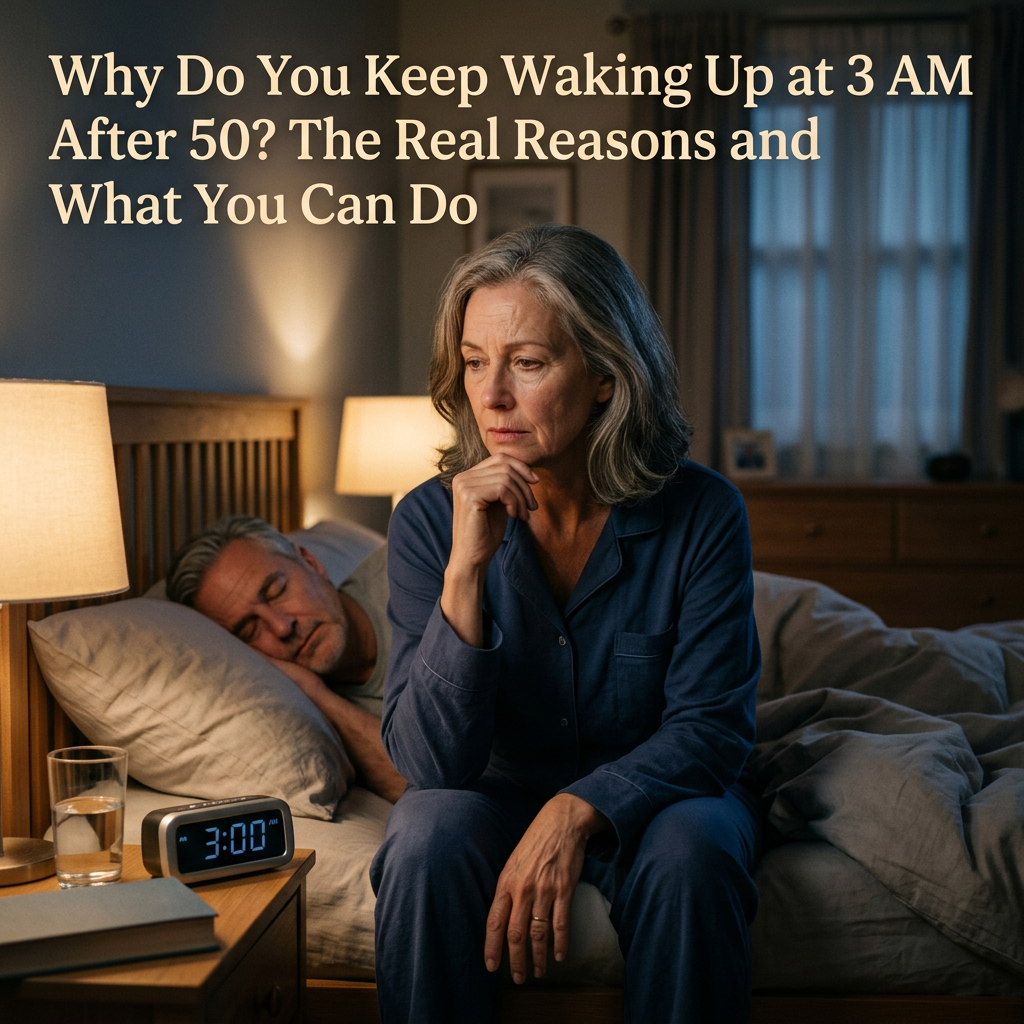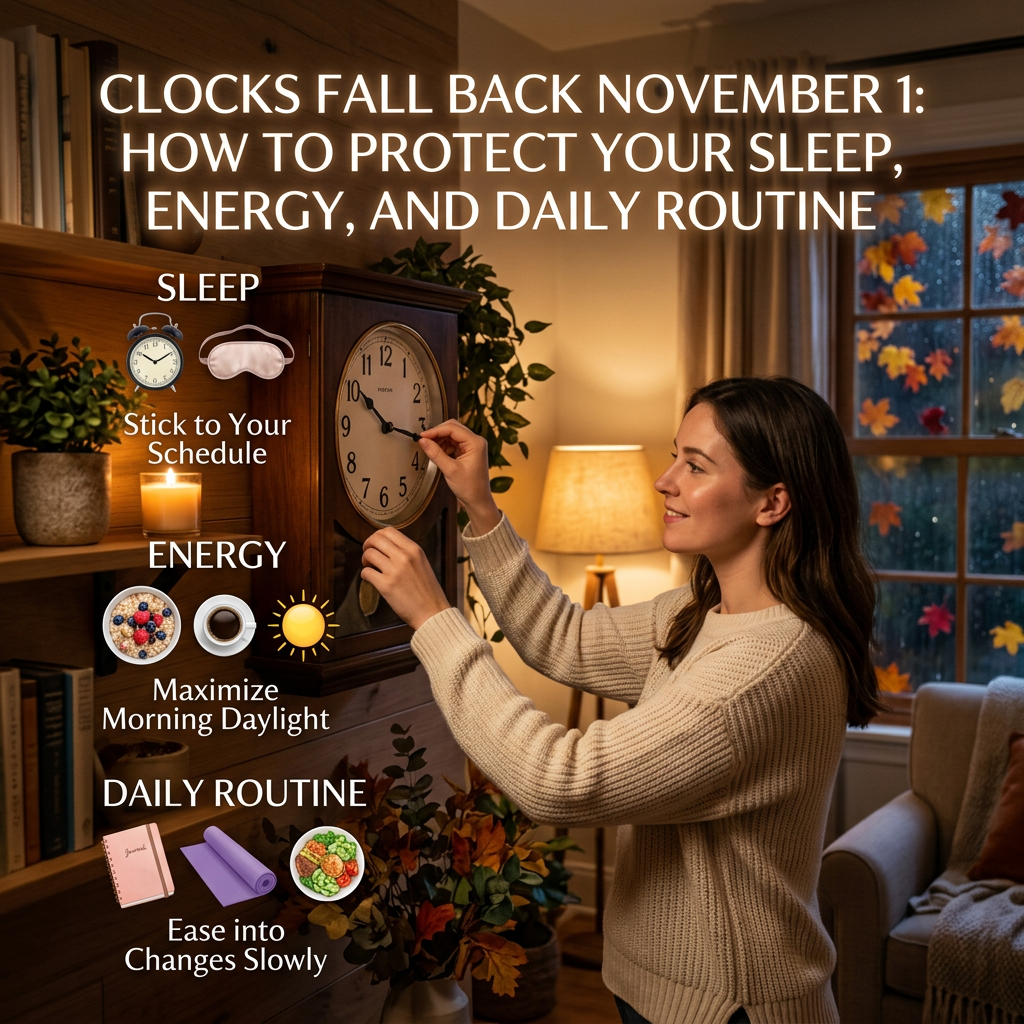
That extra hour of sleep sounds wonderful. But changing the clock can throw more than your bedtime off. Here’s how to make the adjustment a little easier.
Every fall, we turn our clocks back an hour, and everybody talks about getting an extra hour of sleep.
Sounds pretty good, doesn’t it?
But there’s something they don’t always tell you. Just because the clock says one thing doesn’t mean your body agrees.
You might find yourself waking up at 4:30 in the morning, getting sleepy before supper, or wondering why you’re dragging around when you supposedly gained an hour.
And then there’s the darkness. One day you’re enjoying daylight in the early evening, and the next it seems like somebody turned the lights off before you’ve even finished your day.
I’ve always thought the older we get, the more important it becomes to pay attention to these little changes. Not because getting older means we can’t handle them, but because getting good sleep and having enough energy are worth protecting.
So instead of just telling you to turn your clocks back, I want to share some things that can actually help you feel better during the change.
First, When Do the Clocks Change?
This year, daylight saving time ends on Sunday, November 1, 2026, at 2 a.m.
At that moment, clocks go backward to 1 a.m.
Most of the United States makes this change, although Hawaii and most of Arizona do not.
Here’s what that means for your day:
- You’ll have an extra hour on the clock overnight.
- Sunrise will happen about an hour earlier by the clock.
- Sunset will also happen about an hour earlier.
- Your body may need a few days to adjust, even though you haven’t traveled anywhere.
And while some people won’t notice much difference, others may experience earlier waking, tiredness, or changes in their usual sleep patterns.
1. Start Getting Ready Before Sunday
One of the easiest things you can do is start making small changes a few days before the clocks go back.
You don’t have to change everything overnight.
Try moving your bedtime and wake-up time about 15 minutes later each day, beginning Wednesday, October 28.
| Day | What to do |
|---|---|
| Wednesday, October 28 | Go to bed and wake up 15 minutes later |
| Thursday, October 29 | Move both another 15 minutes later |
| Friday, October 30 | Move another 15 minutes later |
| Saturday, October 31 | Move another 15 minutes later |
For example, if you normally go to bed at 10 p.m., you’d aim for 10:15 on Wednesday, 10:30 on Thursday, 10:45 on Friday, and 11 p.m. on Saturday.
After the clocks fall back, that 11 p.m. bedtime corresponds to 10 p.m. on the new clock.
Why does this help?
Your body follows an internal 24-hour clock that helps regulate when you feel sleepy and awake. Making small adjustments gives that system a chance to adapt without such an abrupt change.
Sleep specialists recommend gradual schedule changes for people who have trouble adjusting.
And don’t worry if you can’t follow the plan perfectly. Even a couple of small adjustments may help.
2. Don’t Let That Extra Hour Throw Off Your Whole Week
Here’s something that’s easy to do.
You realize you’re getting an extra hour, so you stay up late Saturday night watching television, looking at your phone, or doing a little more around the house.
Then Sunday morning comes, you sleep late, and Sunday night you aren’t tired.
By Monday, you’re wondering why your sleep is all mixed up.
The best approach is to keep a fairly regular schedule once the clocks change.
Try getting up around the same time each morning, including weekends.
If you normally wake at 7 a.m., aim to keep that 7 a.m. wake-up time on the new clock rather than drifting an hour earlier or later every day.
And if you do sleep poorly one night, don’t feel like you’ve ruined anything. Get back to your usual routine the next day.
One more thing: Don’t deliberately cut your sleep short just to make yourself tired. Most adults need at least seven hours of sleep, and many do best with seven to nine.
3. Get Some Daylight — It Does More Than You Think
This may be one of the simplest things on the whole list, and it doesn’t cost a penny.
Get outside during the day.
You don’t have to go for a long walk or start a new exercise program. Sit on the porch, walk to the mailbox, have your morning coffee outdoors, or spend a little time working in the yard.
Natural light helps tell your brain when it’s daytime. That helps regulate your sleep-wake cycle.
Morning daylight can be especially useful for establishing a regular wake-up routine, and daylight later in the day may help people who find themselves getting sleepy too early after the fall change.
If walking is difficult, sitting outside is perfectly fine.
And if the weather isn’t cooperating, open the curtains and spend time near a bright window. Outdoor light is generally stronger, but getting some daytime brightness is better than spending the whole day in a dim room.
There’s another benefit, too. Shorter days can affect how energetic and cheerful we feel, so getting outside and staying active can be helpful for our mood.
4. Those Dark Evenings Can Affect Your Mood
Nobody talks about this enough.
For some people, that early darkness is more difficult than the clock change itself.
You finish a few chores, look outside, and it’s already getting dark. It can make the whole day feel shorter.
And when it’s dark early, it’s tempting to sit down, turn on the television, and stay there for the rest of the evening.
There’s nothing wrong with relaxing. But we don’t want those shorter days to take away the things that keep us feeling good.
Here are a few things worth trying:
- Schedule your walks, errands, or outdoor activities earlier while there’s still daylight.
- Keep doing things you enjoy, even if it’s already dark outside.
- Turn on the lights and enjoy your home instead of treating sunset like bedtime.
- Stay connected with friends and family rather than spending every evening alone.
- Keep some gentle physical activity in your day.
If you notice that every fall brings ongoing sadness, a loss of interest in things you enjoy, or changes in sleep and appetite, mention it to your healthcare provider. Seasonal depression is real, and help is available.
The important thing is not to let the darker evenings quietly take over your routine.
5. Watch the Coffee and Afternoon Naps
I know how tempting another cup of coffee can be when you’re dragging through the afternoon.
But caffeine can stay in your system for hours, and that late cup may be part of the reason you’re still awake when you want to be sleeping.
If you’re having trouble falling asleep, try keeping coffee and other caffeinated drinks to the morning or early afternoon.
The same goes for naps.
A short nap can be refreshing, but sleeping for an hour or two late in the afternoon can make it harder to fall asleep at night.
If you need a nap, try keeping it around 20 to 30 minutes and taking it earlier in the day.
And don’t make the mistake of thinking you have to stay awake at all costs. If you’re genuinely exhausted, rest. The goal is a healthier routine, not making yourself miserable.
6. Make Your Bedroom Work for You
You don’t need expensive bedding, sleep gadgets, or a cabinet full of supplements to get started.
A few simple changes may help.
Keep your bedroom cool and comfortable. Most people sleep better when the room isn’t overly warm.
Block unwanted light. Streetlights, hallway lights, and glowing electronics can make a difference, especially if you’re already a light sleeper.
Turn the television and phone down before bed. Bright screens and stimulating programs can keep your mind active when you’re trying to wind down.
Give yourself a little quiet time. Read a few pages of a book, listen to peaceful music, or enjoy a warm shower.
And here’s something people overlook: If you lie awake for a long time and start getting frustrated, get up for a little while and do something relaxing in dim light. Return to bed when you feel sleepy.
Sometimes trying harder to sleep only makes it more difficult.
7. Check Your Medications, Alarms, and Appointments
This is one of those practical details that’s easy to forget.
Your smartphone will usually change time automatically. Many computers and smartwatches will, too.
But your microwave, stove, wall clock, car clock, and older alarm clocks may need to be changed manually.
Take a few minutes Saturday evening to check them.
And pay particular attention if you take medications at specific times.
Don’t automatically move your medication schedule by an hour without checking.
For most routine reminders, you can simply confirm they’re set correctly for the new time. But certain medications require more careful timing.
If you take insulin, seizure medication, medication for Parkinson’s disease, or anything else that must be taken at precise intervals, ask your pharmacist or healthcare provider how to handle the change.
Also check medical equipment with programmed schedules, such as some feeding pumps or medication devices.
A little preparation can prevent a lot of confusion.
8. Be Especially Careful Driving After Dark
When the clocks change, your familiar evening drive may suddenly happen after sunset.
That matters.
Pedestrians, cyclists, animals, and other hazards are harder to see in low light, especially around intersections, parking lots, and roads without good lighting.
A few reminders:
- Clean the inside and outside of your windshield.
- Make sure your headlights are working properly.
- Slow down when visibility is poor.
- Watch carefully for people crossing streets or walking through parking lots.
- Avoid driving if you’re unusually sleepy.
- Give yourself a little more time instead of rushing.
As we get older, glare from oncoming headlights and changes in nighttime vision can become more noticeable. If night driving is getting difficult, bring it up at your next eye exam.
There’s no shame in planning errands earlier in the day when visibility is better.
9. What If You Already Have Trouble Sleeping?
Some people are fortunate enough to sleep through just about anything.
Others have a difficult time getting a good night’s rest even when the clocks aren’t changing.
If that’s you, don’t feel like you need to follow every suggestion perfectly.
Start with three things:
- Get up at roughly the same time each day.
- Spend some time outdoors during daylight hours.
- Give yourself a consistent, relaxing bedtime routine.
If you regularly wake up exhausted, snore loudly, gasp during sleep, or have ongoing insomnia, don’t automatically blame age or daylight saving time.
Those can be signs of sleep problems worth discussing with your doctor.
Good sleep matters at every age, and poor sleep isn’t something we’re simply supposed to accept after 50.
If you want to understand why sleep matters so much, Matthew Walker’s book Why We Sleep is worth a read. He’s a sleep scientist at UC Berkeley, and he explains in plain language what sleep does for your memory, your mood and your body. It might make you think twice about that late-night TV.
Your Simple Weekend Clock-Change Checklist
Before you head to bed Saturday night, here’s a quick list worth checking off:
- Set your manual clocks back one hour.
- Check your phone’s time-zone and automatic-time settings.
- Make sure your alarms are set correctly.
- Review medication reminders and any time-sensitive dosing instructions.
- Check your Sunday appointments and activities.
- Make a plan to get some daylight on Sunday.
- Keep your bedtime and wake-up routine as steady as possible.
- Prepare for darker evening driving.
Nothing complicated. Just a few minutes of preparation.
A Final Thought: Don’t Let One Hour Steal Your Energy
Getting older teaches us something important: Sometimes the smallest changes in our daily routine can make a bigger difference than we expect.
A good night’s sleep, a little sunshine, some movement, and a regular routine may not sound exciting. But they’re part of what helps us feel good enough to enjoy our lives.
The clocks are going to change whether we like it or not.
What we can do is make the adjustment easier on ourselves.
So enjoy that extra hour if you can. Just remember that your body may need a little time to catch up.
And if the darker evenings bother you, don’t let them convince you the day is over.
There’s still plenty of life to enjoy after sunset.
That’s what Well After 50 is all about — finding practical ways to take care of ourselves and keep enjoying the years ahead.
I’ve also mapped out some great tools on my new Tech for Independent Living After 50 page.