Tag: wellness over 50

  • Sleep and Energy: 5 Small Habit Changes for Better Wellness After 50

    Sleep and Energy: 5 Small Habit Changes for Better Wellness After 50

    What small habits improve sleep and energy?

    Short answer: Five small habits can make a big difference in your sleep and energy after 50: drink a glass of water first thing in the morning, take a 15-minute walk every day, swap a processed snack for fruit, go to bed 30 minutes earlier, and do a 5-minute stretch in the morning.

    Turning 50 was a major wake-up call for me. It made me realize that taking care of my health isn’t a chore—it is a gift. But I didn’t want to start a crazy diet or a grueling gym routine that would leave me feeling miserable. Instead, I decided to focus on small, gentle changes.
    It turns out that tiny habits add up to massive results! Here are five small daily changes that completely transformed how I feel every single day.
    1. Drinking water first thing in the morning
    Before I reach for my morning coffee, I now drink one full glass of water. It sounds so simple, but it wakes up my body and gives me instant energy. My skin looks better, and it prevents that mid-day sluggish feeling.
    2. Taking a 15-minute daily walk
    I don’t run marathons, but I do lace up my shoes and walk around the neighborhood every day. Sometimes it is right after dinner to help with digestion. This short walk keeps my joints moving, clears my mind, and gives me a breath of fresh air.
    3. Swapping a processed snack for fruit
    I used to reach for cookies or chips when I got the afternoon munchies. Now, I keep bananas, apples, or berries on the kitchen counter. Swapping the heavy snacks for natural fruit keeps my blood sugar stable so I don’t crash later.
    4. Going to bed 30 minutes earlier
    Sleep is our body’s natural medicine. By turning off the TV and winding down just half an hour earlier than usual, I feel completely different when my alarm goes off. I wake up feeling rested instead of tired.
    5. Doing a 5-minute morning stretch
    When we get over 50, our muscles love to stiffen up overnight! I spend just five minutes stretching my arms, legs, and back right next to my bed. It takes away the morning aches and helps me move easier all day long.
    Small steps lead to big wins!
    Getting healthier doesn’t mean you have to change your entire life overnight. Pick just one tiny habit today and see how it makes you feel. Your body will thank you for it!
    What about you? What is one small health habit you are trying to build right now? Let me know in the comments below!

    Common Questions

    How can small habits improve sleep and energy after 50? Small, consistent habits such as keeping a regular sleep schedule, getting daily movement, staying hydrated, and winding down before bed can support better sleep and daytime energy. Why do I feel more tired as I get older? Changes in sleep, activity, stress, medications, health conditions, and daily routines can all affect energy. Persistent or unusual fatigue is worth discussing with a healthcare professional. How much sleep do adults 50+ need? Most adults need about 7 to 9 hours of sleep each night, although individual needs can vary. Can drinking water in the morning help with energy? Staying hydrated supports normal body function. If you wake up thirsty, a glass of water can be a simple way to start the day hydrated. Is a short daily walk worthwhile after 50? Yes. A short walk is still movement, and regular physical activity can support cardiovascular health, mobility, mood, and overall well-being. Can eating fruit instead of processed snacks help? Fruit provides fiber and nutrients and can be a practical alternative to many highly processed snack foods. What matters most is the overall pattern of your diet. Does going to bed 30 minutes earlier really matter? If you are regularly getting less sleep than you need, even a modest earlier bedtime may help you move toward a healthier sleep schedule. Why do I feel stiff when I wake up? Stiffness can have many causes. Gentle movement and stretching may help some people, but persistent pain or significant stiffness should be discussed with a healthcare professional. What is the easiest habit to start with? Pick one habit that feels realistic enough to repeat every day. A small change you actually keep doing is more useful than an ambitious plan you quickly abandon. When should tiredness be checked by a doctor? If fatigue is persistent, severe, worsening, or accompanied by other concerning symptoms, talk with a healthcare professional rather than assuming it is simply part of getting older. Practical takeaway: You do not need to overhaul your life to feel better. Start with one small habit, give it time, and build from there. A gentle well-being note: This article is for general wellness information and is not a substitute for medical advice. If ongoing sleep problems or fatigue are affecting your daily life, talk with a qualified healthcare professional.

    Keep Reading

    Written by Tom Green, creator of Well After 50 Tom Green writes Well After 50. He was born in Pell City, Alabama, in 1962, and he’s a country boy and a true Southerner through and through. He’s just a regular, laid-back 64-year-old who keeps things simple. He shares what he learns about skincare, fitness and getting older, and what’s working for him. He’s also the author of A Practical Guide to Getting Older Without Giving Up on Yourself. Tom isn’t a doctor. He reads up on the research and passes along what’s useful, plain and simple.

    I’ve also mapped out some great tools on my new Tech for Independent Living After 50 page.

  • Red Light Therapy After 50: Does It Really Work?

    Red Light Therapy After 50: Does It Really Work?

    Does red light therapy really work?

    Short answer: Red light therapy may help some things, but the evidence isn’t equally strong for everything it’s sold for. Some research suggests red and near-infrared light can support changes in skin, and there’s some evidence it helps hair density for certain types of hair loss. Think of it as a maybe, not a miracle.

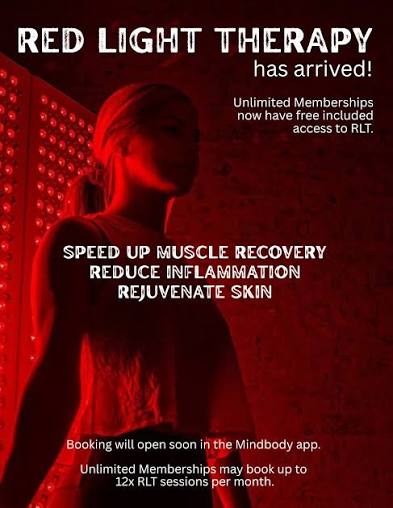
    I’ll admit it: I was curious about red light therapy, so I tried it myself. After a workout, I sat under a red light machine for a treatment. It’s one of those things that makes you wonder, “Is this actually doing something, or am I just sitting in a bunch of red lights?” So I decided to look past the hype and see what the research actually says.

    What Is Red Light Therapy?

    Red light therapy is often called photobiomodulation. It uses specific wavelengths of red and sometimes near-infrared light rather than ultraviolet light. The basic idea is pretty interesting. Researchers think these wavelengths can interact with cells and influence cellular signaling and energy production, including processes involving the mitochondria—the parts of our cells that help produce energy. That doesn’t mean red light is some magic reset button for aging. It means there is a biological reason researchers are interested in it, and there is a growing body of clinical research looking at where it may actually help.

    What Might Red Light Therapy Actually Do?

    This is where I think it gets interesting—especially after 50. Research has looked at photobiomodulation for several different uses, although the strength of the evidence isn’t the same for all of them.
    • Skin: Studies have looked at skin texture, wrinkles, healing and other signs of photoaging. Some research suggests red and near-infrared light may support changes in skin biology.
    • Hair: Photobiomodulation has been studied for certain types of hair loss, with some evidence of increased hair density.
    • Pain and recovery: Researchers have studied it for pain, inflammation and musculoskeletal problems. Results vary depending on the condition and treatment protocol.
    • Wound healing: This is one of the areas where photobiomodulation has received serious medical research attention.
    • Older adults: A 2024 systematic review found some promising results in older adults, but also pointed out a major problem: studies used very different devices, wavelengths and treatment schedules.
    So “red light therapy works” is actually too broad a statement. The better question is: works for what, with which device, at what dose, and for how long?

    Why Would Light Affect Your Cells?

    This is the part that sounds a little strange at first. Red and near-infrared light can penetrate tissue to some degree. Researchers believe light can interact with cellular components and influence signaling pathways, including pathways associated with mitochondrial function and energy production. Think of it less like “the light is healing you” and more like giving certain cells a signal that may influence what they do. The science is real, but researchers are still working out exactly how different wavelengths, intensities and treatment schedules translate into useful results.

    What About Skin After 50?

    This is probably where most of us hear about red light therapy. As we get older, skin changes. Collagen production decreases, skin becomes thinner and changes in texture and elasticity become more noticeable. That has made light-based treatments particularly interesting in dermatology. There is evidence that low-energy red and near-infrared light can have effects relevant to skin rejuvenation, but the research is not a license to believe every “anti-aging” claim attached to an expensive red light device. Different machines use different wavelengths and power levels, and studies don’t all use the same treatment schedule. That makes comparing one person’s home device with a clinical study surprisingly difficult.

    And What Did I Notice?

    Here’s my honest answer: I don’t know yet. I worked out, then I sat under the red lights. I wasn’t expecting to walk out looking ten years younger or suddenly feel like Superman. What I’m interested in is what happens with regular use. Does my skin look or feel different? Do I notice anything about recovery after workouts? Is there any difference I can actually see or feel over time? One treatment isn’t enough to answer any of those questions. And that’s an important point when you’re trying something like this: your personal experience is not the same thing as scientific proof.

    Is Red Light Therapy Worth Trying?

    I think the interesting part is that this isn’t just an internet fad with no science behind it. Photobiomodulation has been studied for years, and a 2025 evidence-based consensus concluded that it is a safe treatment modality for adults when appropriately used, while also emphasizing that the evidence varies by medical application. At the same time, I wouldn’t spend a fortune because somebody promises that a red light panel will reverse aging. If you’re considering a device, pay attention to the wavelengths it uses, the manufacturer’s treatment instructions, eye-safety guidance and the actual evidence for the result you’re interested in. More light or longer sessions aren’t automatically better. For another perspective on beauty treatments and skincare claims, Michelle Wong’s Lab Muffin Beauty Science explains how to evaluate evidence and marketing around beauty products and technologies. Red-light devices vary, so it’s worth looking closely at the evidence for the specific device and result you’re considering.

    Common Questions

    What is red light therapy? Red light therapy uses specific wavelengths of red or near-infrared light that are intended to interact with cells and tissues. Does red light therapy really work after 50? Research suggests it may have benefits for certain uses, but results vary depending on the condition, device, treatment schedule, and individual. Can red light therapy help your skin look better? Some research suggests red and near-infrared light may support improvements in aspects of skin appearance, including fine lines and skin texture. How often should you use red light therapy? There isn’t one schedule that works for every device or purpose. Follow the instructions for the specific device you’re using. Is red light therapy safe? It is generally considered low risk when used properly, but following the manufacturer’s instructions is important. Avoid staring directly into bright treatment lights unless the device specifically indicates that it is safe. How long does it take to see results? Results aren’t usually immediate. If red light therapy helps, noticeable changes generally require consistent use over time. Is red light therapy a replacement for medical treatment? No. It shouldn’t be used as a substitute for diagnosis or treatment from a healthcare professional when you have a medical condition.

    The Bottom Line

    Red light therapy is one of those things where the truth is more interesting than the hype. There is legitimate research behind photobiomodulation, and there are some areas where the evidence is encouraging. But there are also plenty of unanswered questions, especially because devices and treatment protocols vary so much. I’m going to keep trying it and see what I notice. If something changes, I’ll tell you. If nothing changes, I’ll tell you that too. Because getting older doesn’t mean we have to believe every new health trend—but it also doesn’t mean we should automatically dismiss something just because it sounds a little strange.

    Sources & Further Reading

    This article is for general information and isn’t a substitute for medical advice. If you have a medical condition or take medications that make you sensitive to light, check with your healthcare professional before using light therapy. Written by Tom Green, creator of Well After 50 Tom Green writes Well After 50. He was born in Pell City, Alabama, in 1962, and he’s a country boy and a true Southerner through and through. He’s just a regular, laid-back 64-year-old who keeps things simple. He shares what he learns about skincare, fitness and getting older, and what’s working for him. He’s also the author of A Practical Guide to Getting Older Without Giving Up on Yourself. Tom isn’t a doctor. He reads up on the research and passes along what’s useful, plain and simple.

    Keep Reading

    I’ve also mapped out some great tools on my new Tech for Independent Living After 50 page.

  • Memory Getting Slippery After 50? Citicoline Explained

    Memory Getting Slippery After 50? Citicoline Explained

    Does citicoline help memory after 50?

    Short answer: Citicoline is a supplement your body turns into compounds the brain uses. In one 12-week study of 100 healthy adults ages 50 to 85 with age-related memory slips, those who took 500 mg a day improved more on memory tests than those on a dummy pill. But the European Food Safety Authority found it hasn’t been proven to improve memory, so don’t expect a miracle.

    Ever walk into a room and forget why you went there? Or know a person’s name perfectly well—until the exact moment you need it? Those little memory lapses can become more noticeable after 50+, and they can make you wonder whether there is anything simple you can do to support your brain. That’s one reason citicoline, also called CDP-choline, has been getting attention. But does citicoline actually help memory? The answer is more interesting than a simple yes or no.

    What Is Citicoline?

    Citicoline is a naturally occurring compound involved in the body’s production of phospholipids and the neurotransmitter acetylcholine. After it is taken, it provides choline and cytidine, which are used in several pathways important to brain-cell membranes and brain chemistry. That sounds impressive, but here’s the important distinction: a supplement having a plausible biological role does not automatically mean it will noticeably improve memory in everyday life.

    So, Can Citicoline Help Memory After 50+?

    There is some human research worth paying attention to. One randomized, double-blind, placebo-controlled trial included 100 healthy adults ages 50 to 85 who had age-associated memory impairment. Participants received either placebo or 500 mg of citicoline daily for 12 weeks. At the end of the study, the citicoline group showed greater improvement on measures of episodic memory and overall composite memory than the placebo group. That’s encouraging—but it was one relatively small 12-week study, not proof that citicoline will improve memory for everyone.

    What Makes Citicoline Interesting?

    Citicoline supplies choline, which the body uses to make acetylcholine. Acetylcholine is a neurotransmitter involved in attention and memory. Citicoline also contributes building blocks used in cell-membrane metabolism. Researchers have therefore been interested in whether supporting these pathways might help the aging brain function more efficiently. In other words, there is a reasonable biological explanation for studying citicoline. But mechanism is not the same thing as proof of a real-world benefit.

    What the Research Does—and Doesn’t—Prove

    This is where I think readers 50+ should be careful. The positive clinical trial is useful because it actually tested people rather than simply looking at laboratory mechanisms. But broader evidence is not strong enough to say that citicoline is a proven treatment for age-related memory loss. A later scientific assessment by the European Food Safety Authority concluded that a cause-and-effect relationship between citicoline and improved, maintained, or reduced loss of memory had not been established. In other words, the evidence remains promising but incomplete.

    How Much Citicoline Was Studied?

    The most directly relevant memory trial in adults 50+ used 500 mg per day for 12 weeks. That does not mean 500 mg is a recommended dose for everyone, and it doesn’t mean that taking more will work better. Studies of citicoline for other medical conditions have used different amounts, but those results shouldn’t automatically be applied to healthy people simply interested in memory. If you’re considering a supplement, check the label carefully and talk with your healthcare professional or pharmacist if you take medications or have a medical condition.

    Is Citicoline a Nootropic?

    You’ll often see citicoline described online as a nootropic—a substance marketed for cognitive support. That’s a useful search term, but don’t let the label make the evidence sound stronger than it is. The important question isn’t whether something is called a nootropic. It’s whether controlled human studies show a meaningful benefit. With citicoline, there are some encouraging findings, but more research is needed.

    What About Side Effects?

    Citicoline has generally been described as well tolerated in clinical research, but “natural” or “well tolerated” doesn’t mean risk-free. Reported unwanted effects in some research have included headache, digestive discomfort and sleep-related complaints. If a supplement seems to make you feel worse, disrupts your sleep or causes a new symptom, that’s a good reason to stop and discuss it with a healthcare professional.

    What I Would Take Away From the Research

    If you’re interested in memory after 50+, citicoline is worth knowing about—but not worth treating like a miracle supplement.
    • There is a human trial in adults 50–85 showing improvement in certain memory measures.
    • The study used 500 mg daily for 12 weeks.
    • The overall evidence is still limited.
    • Citicoline has a plausible role in brain-cell and neurotransmitter metabolism.
    • More research is needed before anyone can say it prevents or reverses normal age-related memory decline.

    Common Questions

    Is it normal to have more memory lapses after 50? Occasional forgetfulness can happen with normal aging, but persistent or worsening memory problems deserve attention. What is citicoline? Citicoline is a compound that provides choline and is involved in processes related to cell membranes and brain function. Can citicoline improve memory? Some research has explored citicoline for memory and cognitive function, but the evidence is not strong enough to say it will improve memory for everyone. Is citicoline the same as CDP-choline? Yes. Citicoline and CDP-choline are two names commonly used for the same compound. Is citicoline safe for people 50+? Citicoline appears to be generally well tolerated in studies, but supplements can interact with individual health conditions or medications. It’s smart to discuss regular supplement use with a healthcare professional. When should memory problems be checked by a doctor? If memory changes are frequent, getting worse, interfere with everyday activities, or concern you or someone close to you, bring them up with a healthcare professional.

    And Don’t Forget the Boring Stuff

    Before spending money on another supplement, remember that the basics still matter. Regular physical activity, adequate sleep, a balanced diet, social connection and staying mentally engaged all have a place in healthy aging. Citicoline may eventually prove to have a useful role for some people. For now, the most honest description is interesting, researched and promising—but not proven. Well After 50 note: This article is for general education, not medical advice. New, sudden or steadily worsening memory problems deserve a conversation with a healthcare professional rather than a supplement experiment.

    Sources

    Citicoline and Memory Function in Healthy Older Adults: Randomized, Double-Blind, Placebo-Controlled Clinical Trial Citicoline Improves Verbal Memory in Aging Citicoline: Pharmacological and Clinical Review, 2022 Update   Practical takeaway: You do not need to overhaul your life to make a useful change. Start with one realistic step, give it time, and build from there. A gentle well-being note: This article is for general information and is not a substitute for professional medical advice. If you have persistent, severe, or worsening symptoms, talk with a qualified healthcare professional.

    Keep Reading

    Written by Tom Green, creator of Well After 50 Tom Green writes Well After 50. He was born in Pell City, Alabama, in 1962, and he’s a country boy and a true Southerner through and through. He’s just a regular, laid-back 64-year-old who keeps things simple. He shares what he learns about skincare, fitness and getting older, and what’s working for him. He’s also the author of A Practical Guide to Getting Older Without Giving Up on Yourself. Tom isn’t a doctor. He reads up on the research and passes along what’s useful, plain and simple.

    I’ve also mapped out some great tools on my new Tech for Independent Living After 50 page.

  • Erectile Dysfunction After 50: What Men Should Know

    Erectile Dysfunction After 50: What Men Should Know

    What should men know about erectile dysfunction after 50?

    Short answer: Erectile dysfunction gets more common after 50, and the cause is different from man to man. It’s often tied to blood flow, and it’s linked with diabetes, high blood pressure and heart and blood vessel disease. Medications, stress and nerves can play a part too. Don’t automatically blame testosterone, skip the “male enhancement” products, and talk to your doctor.

    Let’s talk about something a lot of men over 50 would rather avoid talking about: erectile dysfunction. You may know it by the older term “impotence.” Whatever you call it, trouble getting or keeping an erection can be frustrating, embarrassing, and sometimes confusing.

    The important thing to know is that erectile dysfunction (ED) is not simply something men have to accept because they are getting older. It becomes more common with age, but the reasons behind it can be very different from one man to another. Sometimes the problem is related to blood flow. Sometimes it involves medications, hormones, nerves, stress, diabetes, heart and blood-vessel problems, or prostate issues. That is why it is worth paying attention to rather than quietly writing it off as “just age.”

    What Erectile Dysfunction Actually Means

    ED does not necessarily mean a man can never get an erection. It can mean you can get one sometimes but not when you want to, that it does not stay firm long enough for sex, or that erections have become consistently difficult.

    Occasional problems happen to plenty of men. Being tired, stressed, distracted, or having too much alcohol can affect sexual performance on a particular night. The bigger question is whether the problem is becoming a pattern.

    Why It Can Show Up After 50

    An erection depends on several systems working together: blood vessels have to deliver enough blood, nerves have to send the right signals, hormones and sexual desire have to play their part, and the brain has to be involved too. A problem in any one of those areas can affect erections.

    According to the National Institute of Diabetes and Digestive and Kidney Diseases, conditions associated with ED include diabetes, high blood pressure, heart and blood-vessel disease, obesity, kidney disease, nerve problems, low testosterone and some prostate or penile conditions. Some prescription and over-the-counter medicines can contribute as well. NIDDK — Symptoms & Causes of Erectile Dysfunction

    Sometimes Your Medications Deserve a Look

    This is one of the things men may overlook. A medication you take for another condition may affect sexual function. NIDDK lists several categories of medicines that can contribute to ED, including some blood-pressure medicines, antidepressants, antihistamines, sedatives and certain pain medicines.

    That does not mean you should stop taking a prescription on your own. If you notice a change after starting a medication, tell your healthcare professional. Sometimes a dose or medication can be reviewed, but that decision needs to be made safely.

    Don’t Automatically Blame Testosterone

    Low testosterone can be associated with sexual problems, especially when it also comes with reduced sexual desire. But testosterone and erections are not the same thing. A man can have a normal testosterone level and still have ED because of circulation, medications, nerve problems, stress or another cause.

    That is one reason I would not jump straight to a testosterone product because of an erection problem. Finding out what is actually going on is more useful than guessing.

    The Blood-Flow Connection Is Important

    An erection depends on good blood flow. That makes cardiovascular health especially relevant. Problems involving blood vessels, high blood pressure, diabetes and atherosclerosis can all be associated with ED.

    This is one reason persistent ED is worth mentioning to a doctor even if the sexual problem is the only symptom you have noticed. It may be a clue that something else deserves attention.

    What About Stress and Performance Anxiety?

    The physical side of ED is only part of the story. Stress, anxiety, depression, relationship problems and worrying about whether you will be able to perform can make erections more difficult. And once a man has one disappointing experience, worrying about it happening again can create a frustrating cycle.

    That does not mean the problem is “all in your head.” Physical and emotional factors can exist at the same time. Treating both sides can be much more helpful than trying to decide which one is responsible.

    What a Doctor May Actually Check

    A good evaluation is more than simply asking, “Do you have ED?” A healthcare professional may ask about your medical history, medications, sexual function, erections, ejaculation, sexual desire and emotional health. A physical examination and blood tests or other tests may be appropriate depending on your situation.

    The goal is not to embarrass you. The goal is to figure out whether there is a treatable reason behind the change. NIDDK notes that evaluation can include medical and sexual history, a physical exam, laboratory testing and, when appropriate, additional testing. NIDDK — Diagnosis of Erectile Dysfunction

    What Can Actually Help?

    There is no single treatment that works for every man. Treatment depends on the cause, your health, the medicines you take and what you and your healthcare professional decide makes sense.

    Depending on the situation, treatment can include addressing an underlying health problem, reviewing medications, counseling when stress or anxiety is involved, prescription ED medicines, vacuum erection devices, injectable medicines and other medical options. NIDDK also notes that lifestyle changes such as becoming more physically active, stopping smoking, limiting alcohol, maintaining a healthy weight and following a healthy eating pattern may help improve ED or reduce the risk of developing it. NIDDK — Treatment for Erectile Dysfunction

    Be Careful With “Male Enhancement” Products

    This is where I would be especially cautious. The internet is full of pills, gummies, supplements and “natural” products promising stronger erections almost overnight. A product being advertised as natural does not automatically make it safe or effective.

    NIDDK specifically advises talking with a healthcare professional before using dietary supplements or alternative treatments for ED, and warns against ordering ED medicines online before talking with a healthcare professional because medicines and supplements can interact. NIDDK — Treatment for Erectile Dysfunction

    Food and Exercise Are Part of the Bigger Picture

    This does not mean there is a magic “ED diet.” It means the same habits that support blood-vessel and metabolic health can matter for sexual health too. NIDDK reports that healthy eating patterns can lower the risk of ED or improve symptoms, with research supporting foods such as vegetables, fruits, legumes, whole grains, nuts, seeds and fish. NIDDK — Eating, Diet, & Nutrition for Erectile Dysfunction

    Regular physical activity matters for the same reason. It supports circulation, cardiovascular health and overall fitness. It is not an instant cure, but it is part of the foundation.

    When I Would Stop Ignoring It

    If erection problems keep happening, are getting worse, or are bothering you or your relationship, I would bring them up with a healthcare professional instead of simply hoping they disappear.

    I would also mention other changes that happen around the same time, such as changes in sexual desire, urinary symptoms, pain, a noticeable change after starting a medication, or other new health symptoms. Those details can help a clinician look for the bigger picture.

    The Part Men Don’t Always Say Out Loud

    There is a lot of unnecessary embarrassment around ED. A man can be healthy, active and confident in every other part of his life and still have this problem. It does not make him less of a man, and it does not mean his sex life is automatically over.

    The useful question is not, “Why can’t I do what I did when I was 30?” A better question is, “What changed, and is there something I can do about it?”

    Common Questions

    Is erectile dysfunction common after 50?
    Erectile difficulties can become more common with age, but they aren’t simply an unavoidable part of getting older. Ongoing problems are worth discussing with a healthcare professional.

    What causes erectile dysfunction after 50?
    ED can have many possible causes, including cardiovascular disease, high blood pressure, diabetes, obesity, certain medications, hormonal changes, smoking, alcohol use, stress, and anxiety.

    Can erectile dysfunction be a sign of heart or blood vessel problems?
    It can be. The blood vessels involved in erections are sensitive to circulation problems, so persistent ED can sometimes occur before other symptoms of cardiovascular disease become obvious. That’s one reason it’s worth discussing with your doctor rather than assuming it’s just aging.

    Can exercise help with erectile dysfunction after 50?
    Regular physical activity can support cardiovascular health and circulation, which may help sexual function. Walking, aerobic exercise, and strength training can all be useful parts of an active lifestyle.

    Can lifestyle changes improve erectile function?
    For some men, improving physical activity, maintaining a healthy weight, eating a balanced diet, avoiding tobacco, limiting excessive alcohol, and getting adequate sleep may help address factors associated with ED.

    Are ED medications safe for everyone?
    No. ED medications can interact dangerously with nitrate medications used for chest pain and may not be appropriate for men with certain heart or blood-pressure conditions. Talk with a healthcare professional before using them, including products sold online or marketed as “natural” treatments.

    When should a man 50+ talk to a doctor about erectile dysfunction?
    If erection problems are persistent, recurring, or a noticeable change from your usual sexual function, make an appointment with your healthcare professional. They may want to check blood pressure, blood sugar, cholesterol, medications, and other possible causes.

    Can erectile dysfunction be an emergency?
    ED itself usually isn’t an emergency, but seek urgent medical attention for chest pain, severe shortness of breath, fainting, or other serious symptoms occurring during sexual activity. An erection lasting more than four hours also requires emergency medical care.

    Does erectile dysfunction mean you are no longer sexually healthy?
    No. ED is a common medical issue with many possible causes and treatments. It doesn’t define a man’s sexuality or ability to have an intimate relationship.

    A gentle health note: Erectile dysfunction isn’t something you simply have to accept as part of getting older. Persistent ED can sometimes be an early clue to cardiovascular disease, diabetes, or other treatable health problems. Talk with your doctor before starting ED medication or supplements, particularly if you take heart or blood-pressure medications. This article is for general information and isn’t a substitute for personalized medical advice.

    Bottom Line

    Erectile dysfunction becomes more common as men age, but aging itself is not a diagnosis. ED can have physical, medication-related and emotional causes, and many men have treatment options.

    If this is happening to you, don’t let embarrassment make the decision for you. A straightforward conversation with a healthcare professional can be the first step toward figuring out what changed and what options are available.

    I’m not a doctor or medical professional. I’m sharing practical information and what I’ve learned from researching these topics. Erectile dysfunction can have different causes, so talk with a qualified healthcare professional about symptoms, medications and treatment options that are right for you.

    Sources & Further Reading

    Keep Reading

    About Tom Green

    Tom Green writes Well After 50. He was born in Pell City, Alabama, in 1962, and he’s a country boy and a true Southerner through and through. He’s just a regular, laid-back 64-year-old who keeps things simple. He shares what he learns about skincare, fitness and getting older, and what’s working for him. He’s also the author of A Practical Guide to Getting Older Without Giving Up on Yourself. Tom isn’t a doctor. He reads up on the research and passes along what’s useful, plain and simple.

    I’ve also mapped out some great tools on my new Tech for Independent Living After 50 page.

  • Menopause After 50: Natural Ways to Manage Symptoms

    Menopause After 50: Natural Ways to Manage Symptoms

    How can you manage menopause symptoms naturally?

    Short answer: You don’t have to just suffer through menopause. Natural ways to manage it include cooling tricks for hot flashes, taking sleep seriously, strength training, eating well, looking after your heart, and lowering stress. Take vaginal and urinary symptoms seriously, and be skeptical of “hormone-balancing” supplements.

    Menopause after 50 can feel less like one big change and more like somebody quietly changed the rules while you were busy living your life.

    Maybe sleep suddenly became unreliable. Maybe you are warmer at night, more tired during the day, or wondering why your body seems to be doing things it never did before. And then there are the endless promises online: teas, supplements, hormone-balancing powders and miracle routines.

    Here is the good news: you do not need a cabinet full of expensive products to start taking better care of yourself.

    There are practical, natural habits that can support your health and make some menopause symptoms easier to manage. They are not magic cures, and they will not work exactly the same way for every woman. But they are sensible places to start.

    First: natural does not mean you have to suffer

    Wanting a natural approach is perfectly reasonable. But “natural” should not become another word for “put up with everything.”

    Menopause can bring hot flashes, night sweats, sleep problems, mood changes, vaginal dryness, urinary symptoms, changes in body composition and other symptoms. Some women have only a few mild changes. Others find that symptoms interfere with work, relationships, exercise or simply enjoying the day.

    The goal is not to prove how much discomfort you can tolerate. The goal is to feel as well and capable as possible.

    1. Make hot flashes easier to live with

    You may not be able to control when a hot flash arrives, but you can make your surroundings work in your favor.

    • Keep the bedroom cool at night.
    • Wear lightweight layers that are easy to remove.
    • Keep a fan nearby if it helps.
    • Notice whether alcohol, spicy foods, hot drinks or stressful situations seem to trigger symptoms for you.
    • Keep water nearby, especially if night sweats leave you feeling overheated.

    Do not get discouraged if one popular “trigger list” does not match your experience. Your triggers are personal. A simple symptom note for a couple of weeks can be more useful than trying to avoid everything at once.

    2. Stop treating poor sleep like it is just part of getting older

    Sleep can take a beating during menopause. Night sweats are an obvious culprit, but they are not the only one. Changes in stress, sleep habits and other health conditions can also play a role.

    Start with the boring basics because boring basics often work:

    • Go to bed and get up at roughly the same time.
    • Keep the bedroom dark, quiet and comfortably cool.
    • Limit caffeine later in the day if it keeps you awake.
    • Give yourself a short wind-down period instead of going straight from television or scrolling to bed.
    • Get regular daytime movement and natural light.

    If insomnia becomes persistent, do not assume you simply have to live with it. Cognitive behavioral therapy for insomnia, often called CBT-I, is an evidence-based approach that can be very useful for ongoing sleep problems.

    And if you snore loudly, wake up gasping, or are unusually sleepy during the day, talk with a healthcare professional. Not every sleep problem after 50 is caused by menopause.

    3. Strength training deserves a place in your 50+ routine

    If there is one habit I would hate for women to overlook after menopause, it is strength training.

    You do not have to become a bodybuilder. You do not need to lift enormous weights. The point is to give your muscles a reason to stay strong.

    Strength training can help support muscle, bone health, balance, mobility and everyday function. Those benefits become increasingly valuable as we get older.

    Start with movements you can perform with good control. Machines, resistance bands, dumbbells and body-weight exercises can all have a place in a sensible program. Increase the challenge gradually rather than trying to prove something on day one.

    Walking and other aerobic activity matter too. Think of your routine as a team: strength for muscle and bone, aerobic movement for heart and fitness, and balance and mobility work for staying capable.

    4. Eat for the woman you want to be at 60, 70 and beyond

    There is no single “menopause diet” that makes every symptom disappear.

    A better strategy is to build meals around foods that support your long-term health. Think protein, vegetables, fruit, beans, whole grains, healthy fats and enough fluids.

    Protein deserves particular attention after 50 because maintaining muscle becomes more important with age. Spread protein across meals rather than trying to cram it all into dinner.

    Bone health matters too. Calcium-rich foods and adequate vitamin D are important parts of a healthy eating pattern, although individual needs vary.

    And please do not let social media convince you that you need to eliminate half the foods in your kitchen because they supposedly “destroy your hormones.” If a diet is so restrictive that you hate every meal, it is probably not a practical long-term plan.

    5. Give your heart and blood vessels some attention

    Menopause is not only about hot flashes. Midlife is also a good time to pay attention to the things that quietly influence long-term health.

    Regular activity, nutritious food, not smoking, adequate sleep and keeping up with recommended health checks all matter. Know your blood pressure and discuss cholesterol, blood sugar and other risk factors with your healthcare professional when appropriate.

    You do not need to turn your life into a laboratory. A handful of consistent habits can do more for your future than chasing a new wellness trend every Monday.

    6. Take vaginal and urinary symptoms seriously

    This is one of the most important parts of menopause that does not get enough honest conversation.

    Vaginal dryness, irritation, discomfort during sex and urinary changes can occur as estrogen levels change. They are common, but common does not mean you have to ignore them.

    Vaginal moisturizers can help with ongoing dryness, while lubricants can make sexual activity more comfortable. Gentle, fragrance-free products are often preferable around sensitive skin.

    If symptoms continue or are affecting your quality of life, talk with a healthcare professional. There are treatments specifically for these symptoms, including local therapies that may be appropriate for some women.

    7. Be skeptical of “hormone-balancing” supplements

    This is where I would slow down before spending money.

    The word natural on a bottle is not a guarantee that a product is safe, effective or right for you.

    Black cohosh, herbal blends, DHEA, magnesium and other supplements are marketed heavily to women in menopause. The evidence is not equally strong for all of them, and supplements can interact with medications or be inappropriate with certain medical conditions.

    If you are considering a supplement, show the exact product and dose to your doctor or pharmacist. That is especially important if you take prescription medications or have a significant medical history.

    8. Lower stress without turning wellness into another job

    There is a funny thing about modern wellness: sometimes the cure for stress is presented as a 14-step morning routine that requires a spreadsheet.

    You do not need that.

    A daily walk. Ten quiet minutes. Time with a friend. Reading something you enjoy. Gardening. Music. Deep breathing. Prayer or meditation if that is meaningful to you. Getting outside.

    The best stress-management habit is often the one you will actually keep doing.

    9. Keep moving even on the days when you do not feel your best

    Some days after 50, the perfect workout is not going to happen. That does not mean the day is a failure.

    Walk around the neighborhood. Stretch while watching television. Do a shorter strength session. Take the stairs when it makes sense. Get up from the chair more often.

    Consistency beats perfection.

    10. Know when “natural” is no longer enough

    This may be the most important advice in the article.

    If menopause symptoms are seriously affecting your sleep, work, relationships, exercise or quality of life, you do not get extra points for suffering through them.

    Hormone therapy can be very effective for certain menopause symptoms, but it is not appropriate for everyone. Nonhormonal prescription treatments are also available. Whether a treatment makes sense depends on your symptoms, age, timing, medical history and personal circumstances.

    There is also a difference between a symptom that is uncomfortable and a symptom that needs evaluation. For example, unexpected bleeding after menopause should be discussed with a healthcare professional rather than simply blamed on menopause.

    A simple 50+ menopause reset

    If everything above feels like too much, forget the giant checklist. Start with these five things:

    1. Move every day. Walk, exercise or simply stay physically active.
    2. Strength train regularly. Give your muscles and bones a reason to stay strong.
    3. Build better meals. Prioritize protein, plants, fiber and nutrient-rich foods.
    4. Protect your sleep. Make your bedroom and evening routine work for you.
    5. Get help when you need it. Lifestyle changes are valuable, but they are not a test you have to pass before discussing treatment.

    Common Questions

    Can menopause symptoms still happen after 50?

    Yes. Some women continue to experience symptoms after 50, and symptoms can change over time. Hot flashes, sleep problems, vaginal symptoms and other changes can persist for years in some women.

    What are the best natural ways to manage menopause symptoms?

    Helpful foundations include regular physical activity, strength training, a balanced diet, good sleep habits, stress management and avoiding personal triggers when you identify them. These habits support overall health even when they do not eliminate every symptom.

    Can exercise reduce hot flashes?

    Exercise is excellent for overall health during and after menopause, but it should not be presented as a guaranteed cure for hot flashes. Some women find that regular activity helps them feel better overall, while significant hot flashes may require additional treatment.

    What should women eat after menopause?

    There is no single perfect menopause diet. A practical pattern includes adequate protein, vegetables, fruit, beans, whole grains, healthy fats and foods that provide nutrients important for bones and overall health.

    Does strength training help after menopause?

    Yes. Regular resistance exercise can help maintain muscle and support bone strength, balance, mobility and everyday function. Start at a level you can control and increase gradually.

    Are menopause supplements safe because they are natural?

    No. Natural products can have side effects and can interact with medications. Some menopause supplements also have limited or mixed evidence. Ask a healthcare professional or pharmacist about a specific product before taking it regularly.

    What can help with menopause-related vaginal dryness?

    Vaginal moisturizers can help with ongoing dryness, and lubricants can improve comfort during sexual activity. Persistent symptoms should be discussed with a healthcare professional because additional treatments are available.

    When should I talk with a doctor about menopause?

    Talk with a healthcare professional when symptoms are severe, persistent, interfere with daily life, or concern you for any reason. Unexpected bleeding after menopause should be evaluated rather than automatically attributed to menopause.

    Do I have to use hormone therapy if natural approaches do not work?

    No. Treatment decisions are personal. Hormone therapy is one option for appropriate patients, and nonhormonal treatments are also available. A healthcare professional can help you weigh the options based on your symptoms and medical history.

    The Bottom Line

    Menopause after 50 does not have to become a battle between you and your body.

    Start with the things that make sense: move your body, build and protect muscle, eat nourishing food, take sleep seriously, make yourself comfortable, manage stress in a realistic way and do not ignore symptoms that are affecting your life.

    And remember this: choosing a natural approach does not mean refusing medical help. Good health is not about proving how tough you are. It is about finding what helps you live well.

    Health note: This article is for general information, not individual medical advice. Menopause symptoms vary widely, and some symptoms can have causes unrelated to menopause. Talk with a qualified healthcare professional about persistent, severe or unusual symptoms and before starting supplements or changing prescribed treatment.

    About Tom Green

    Tom Green writes Well After 50. He was born in Pell City, Alabama, in 1962, and he’s a country boy and a true Southerner through and through. He’s just a regular, laid-back 64-year-old who keeps things simple. He shares what he learns about skincare, fitness and getting older, and what’s working for him. He’s also the author of A Practical Guide to Getting Older Without Giving Up on Yourself. Tom isn’t a doctor. He reads up on the research and passes along what’s useful, plain and simple.

    Keep Reading


    I’ve also mapped out some great tools on my new Tech for Independent Living After 50 page.
  • Why Am I So Tired After 50? 7 Habits and Medical Causes

    Why Am I So Tired After 50? 7 Habits and Medical Causes

    Why are you so tired after 50?

    Short answer: Being tired after 50 is common, but it isn’t something you just have to accept. The usual culprits are irregular sleep, too little movement, uneven eating, late caffeine and stress. If you’re still worn out after fixing those for a couple of weeks, see your doctor. Anemia, thyroid problems, sleep apnea, medications and low mood are common causes that are easy to check.

    If you are tired after 50, the answer isn’t necessarily age. Sleep quality, medication side effects, anemia, thyroid conditions, mood and daily habits can all matter. Here’s a practical way to sort out which changes you can make—and which symptoms deserve a medical check.

    Being tired after 50 is easy to blame on age. Sometimes getting older does change sleep, recovery and energy. But “I’m just getting old” can also become an excuse for ignoring habits—or symptoms—that deserve attention.

    If your energy has changed, I think it is worth looking at the ordinary things first. They are not glamorous, but they are often the things we can actually change.

    1. Inconsistent sleep

    Going to bed and waking up at wildly different times can make it harder to feel rested. One bad night is not a disaster, but a pattern of poor sleep can affect how you feel and function.

    2. Sitting most of the day

    It sounds strange, but being inactive can leave you feeling sluggish. You do not have to turn every day into a workout. Short walks, standing breaks and regular movement can help break up long periods of sitting.

    3. Skipping meals and then overeating

    Long gaps without food can leave some people feeling drained and then reaching for whatever is easiest later. A more consistent pattern of nutritious meals may make energy easier to manage.

    4. Not eating enough protein or overall nutrition

    Protein matters for maintaining muscle, but energy also requires enough total food and a balanced diet. If you are trying to lose weight by eating very little, feeling exhausted may be a sign that the approach needs reconsideration.

    5. Caffeine too late

    Caffeine can be useful, but using it late to compensate for poor sleep can create a cycle: tired during the day, caffeine later, worse sleep, tired again tomorrow.

    6. Training harder than you can recover from

    Exercise is valuable, but more is not automatically better. If every workout leaves you exhausted for days, the program may be asking for more recovery than you can provide.

    7. Carrying stress without real downtime

    Your body does not know that you planned to relax “someday.” Constant stress and constant stimulation can make it difficult to feel recovered even when you technically have free time.

    5 Energy Fixes You Can Try Today

    • Get outside in the morning. Ten minutes of daylight helps wake up your body clock.
    • Drink a glass of water first. Mild dehydration can feel a lot like fatigue.
    • Put protein in your breakfast. Eggs, Greek yogurt or cottage cheese keep energy steadier than a pastry.
    • Take a 10-minute walk after lunch. It beats the afternoon slump better than another coffee.
    • Set a coffee cutoff around 2 p.m. Better sleep tonight means more energy tomorrow.

    Sleep timing matters more than most people realize. I dug into the research in could your sleep schedule affect how long you live after 50.

    Don’t automatically call fatigue aging

    Persistent, unexplained, severe or worsening fatigue can have medical causes. If tiredness interferes with normal life or comes with other concerning symptoms, talk with your healthcare professional rather than trying to solve it with supplements.

    Three Experts Who Explain Why Fatigue Is Not Just Aging

    Family physician Dr. Jared Ankerman explains that ongoing fatigue can differ from an ordinary sleepy afternoon and may point toward anemia, thyroid problems, mood disorders or other underlying conditions. If rest isn’t making a difference, don’t assume another energy supplement will fix it.

    Sleep specialist Dr. Alicia Roth points out that you can spend plenty of hours in bed but still wake up worn out when conditions such as sleep apnea or restless legs interrupt sleep. That’s an important distinction when a regular bedtime alone isn’t helping.

    Endocrinologist Dr. Marwan Hamaty cautions against a fashionable but unsupported diagnosis offered as the explanation for every case of fatigue. Real causes vary, and a careful medical history and targeted evaluation matter more than buying an unproven remedy.

    A Seven-Day Energy Check Without Buying Anything

    For one week, note roughly when you sleep and wake, whether you snore or wake gasping, what medications you take, when you use caffeine, what meals you skip, and whether fatigue gets worse after activity. Rate your energy morning, afternoon and evening. Bring the pattern—not just the word ‘tired’—to your healthcare appointment.

    Keep changes simple: aim for a fairly regular sleep schedule, daylight or safe movement during the day, adequate meals and fluids, and a caffeine cutoff that protects your sleep. Don’t push through an illness or unexplained exercise intolerance just to hit a step goal.

    See a Doctor Soon If Your Tiredness Comes With…

    • Shortness of breath, chest pain or a racing heart
    • Unexplained weight loss or loss of appetite
    • Loud snoring, gasping at night or falling asleep during the day
    • Feeling cold all the time, hair thinning or dry skin (possible thyroid)
    • Pale skin, feeling dizzy or out of breath easily (possible anemia)
    • Low mood, losing interest in things you enjoy, or feeling hopeless
    • Fatigue that lasts more than a few weeks or keeps getting worse

    If chest pain or trouble breathing comes on suddenly, call 911.

    What Your Clinician May Want to Rule Out

    The National Institute on Aging’s fatigue guide lists anemia, sleep apnea, thyroid disease, diabetes, medication effects, chronic illness and mood conditions among potential contributors. Depending on symptoms and history, a clinician may review medicines, arrange blood tests or evaluate sleep. Don’t start iron or thyroid supplements without evidence of a need.

    Get prompt medical attention if fatigue comes with chest pain, difficulty breathing, fainting, new confusion or other severe symptoms. Persistent unexplained fatigue lasting weeks warrants an appointment even when it isn’t an emergency.

    Related: Why You Keep Waking Up at 3 AM After 50 and How Much Protein Do You Need After 50?.

    Common Questions

    Why am I still tired after 50?
    Everyday habits such as poor sleep, too little movement, dehydration, an unbalanced diet, and too much stress can contribute to feeling tired.

    What everyday habits can drain your energy after 50?
    Poor sleep habits, sitting too much, skipping nutritious meals, not drinking enough water, excessive alcohol, too much screen time, and chronic stress can all play a role.

    Can lack of sleep make you tired after 50?
    Yes. Poor-quality or insufficient sleep can leave you feeling tired even after spending enough time in bed.

    Can sitting too much make you feel tired after 50?
    It can. Long periods of inactivity may leave you feeling sluggish, while regular movement can help you stay more energized.

    Can what you eat affect your energy after 50?
    Yes. Meals built around protein, fiber-rich foods, fruits and vegetables, and other nutritious foods can provide more consistent energy than a diet dominated by highly processed foods.

    Can dehydration make you tired after 50?
    Yes. Not getting enough fluids can contribute to fatigue and feeling sluggish.

    Can stress drain your energy after 50?
    Yes. Ongoing stress can interfere with sleep, concentration, mood, and your overall sense of energy.

    What is the simplest way to improve energy after 50?
    Start with the basics: sleep well → drink enough water → move regularly → eat nutritious meals → manage stress → limit habits that interfere with sleep.

    When should tiredness after 50 be checked by a doctor?
    If fatigue is persistent, worsening, unusually severe, or comes with symptoms such as unexplained weight changes, shortness of breath, chest pain, weakness, or major changes in sleep or mood, talk with a healthcare professional.

    Practical takeaway: Before assuming you’re simply getting older, look at your everyday habits. A few small changes to sleep, movement, food, hydration, and stress may make a meaningful difference.

    My approach

    I think of energy as something I manage rather than something I am entitled to have unlimited amounts of. Sleep, food, movement, recovery and stress management all count.

    The goal is not to feel 25 again. It is to have enough energy for the life you actually want to live.

    General information and personal experience, not medical advice.

    About Tom Green

    Tom Green writes Well After 50. He was born in Pell City, Alabama, in 1962, and he’s a country boy and a true Southerner through and through. He’s just a regular, laid-back 64-year-old who keeps things simple. He shares what he learns about skincare, fitness and getting older, and what’s working for him. He’s also the author of A Practical Guide to Getting Older Without Giving Up on Yourself. Tom isn’t a doctor. He reads up on the research and passes along what’s useful, plain and simple.

    I’ve also mapped out some great tools on my new Tech for Independent Living After 50 page.