Category: Wellness & Lifestyle

  • Too Old to Start Over After 50? Grandma Moses Didn’t Think So

    Too Old to Start Over After 50? Grandma Moses Didn’t Think So

    Ever catch yourself thinking, “I’m too old to start over”? Every so often somebody tells me, “I should’ve done this years ago.”

    Maybe it’s a trip they never took. A guitar sitting in the closet. A garden they keep meaning to plant. A book they’ve been “fixing to write” since the kids were little.

    And then right behind it comes the real question: At my age, what’s the point?

    I reckon the point is that you’re still here. The years you’ve already lived don’t disqualify you from the ones still coming.

    I Started This Site at 64

    I’ll tell you straight: I started Well After 50 at 64. I didn’t know much about websites. I made plenty of mistakes, and some of them I’m still cleaning up. But I’m glad I didn’t wait for the “right time,” because the right time wasn’t coming. It was just going to keep being later.

    I’m not telling you that to brag. I’m telling you so you know the fellow writing this is in the same boat as a lot of y’all.

    Some Folks Who Didn’t Get Going Until Later

    When I start thinking I’m too old for something, I think about these people:

    • Grandma Moses (Anna Mary Robertson Moses) didn’t take up painting seriously until she was in her late 70s, after arthritis made her embroidery too hard. She kept painting into her 100s, and her farm scenes ended up in museums. (Wikipedia)
    • Frank McCourt taught high school in New York for about 30 years. He published his first book, Angela’s Ashes, at 66, and it won the Pulitzer Prize. (NPR)
    • Laura Ingalls Wilder was in her 60s when her first Little House book came out. (United Methodist Communities)

    There’s a whole website full of stories like these called Later Bloomer, and it’s worth a look on a day you’re feeling behind. Larry Potter over at Last Best Bite wrote a good piece on this too, “After All, You’re Never Too Old for a First Time.”

    None of them knew how it would turn out when they started. They just started.

    You’re Not Starting From Scratch

    Starting something after 50 feels different because you know how fast time goes. But you also bring something you didn’t have at 20: experience.

    You know what matters and what doesn’t. You’ve made mistakes and lived through things you weren’t sure you would. That’s not baggage. That’s the stuff you get to carry into whatever comes next.

    Arthur Brooks, a Harvard professor, wrote a whole book about this called From Strength to Strength. His point is that some of our smarts fade as we get older, like quick thinking and raw speed, but another kind keeps growing: the know-how and judgment that come from years of living. That’s the kind that makes you good at teaching, advising and seeing the big picture. In other words, the second half isn’t just leftovers. It’s a different kind of strong.

    Being Bad at It Is Part of the Deal

    This is where a lot of us quit too soon.

    The first painting looks like a kid made it. The first exercise class leaves you sore and a little embarrassed. The first try at anything new feels like everybody else got the instructions but you.

    Well, they probably have been at it longer. You’re comparing your first page to their twentieth chapter. That’s not a fair fight, so don’t pick it.

    Your first job isn’t to be good. Your first job is to show up.

    Try the One-Hour Rule

    You don’t need to plan the rest of your life. That’s too much pressure for anybody.

    Just ask yourself: What would I enjoy trying for one hour this week?

    An hour can be a class at the library, a walk somewhere you’ve never been, a new recipe, a beginner video, or a phone call to somebody who already does the thing you’re curious about.

    If you like it, give it another hour. If you don’t, you’ve got your answer, and that’s not failure either. You’re allowed to say, “Tried it. Not for me. What’s next?”

    Make It Easy on Yourself

    1. Make the first step almost silly-small. Ten pages, ten minutes, one phone call.
    2. Put it on the calendar. If it doesn’t have a day and time, “someday” turns into never.
    3. Find the beginner version. The intro class, the easy trail, the “for dummies” book. No shame in it.
    4. Expect it to feel awkward. Awkward doesn’t mean wrong. It means new.
    5. Give it more than one try. The first time is usually the worst it’ll ever be.

    If you want to dig a little deeper, James Clear’s book Atomic Habits is a good one. His whole idea is that tiny changes, done over and over, add up to big results, and that you’ll stick with a new habit a lot longer if you make it easy to start. He calls it the two-minute rule: shrink the new thing down until it takes two minutes or less.

    You Don’t Have to Impress Anybody

    This may be the best part of getting older. You don’t have to turn your new thing into a business, win a ribbon or post it online. You can paint because you like colors, or walk because you like being outside. You can take a class just to get out of the house and meet somebody new.

    Not everything worth doing has to be an accomplishment.

    And if the people around you don’t understand why you want to do it? They don’t have to. Like the old saying goes, you can’t plow a field by turning it over in your mind.

    Common Questions

    Am I too old to start over at 50 or 60?

    No. People learn new skills, pick up hobbies and start new work well into their 60s, 70s and beyond. You don’t have to become an expert for it to be worth doing.

    Is 60 too old to start a new career?

    Not necessarily. Plenty of people switch to part-time work, consulting, teaching or a small business in their 60s. Start by using skills you already have, and test the idea small before you jump in with both feet.

    What if I don’t know what I want to try?

    Think about what you used to enjoy as a kid, what you catch yourself reading about, or what you’ve always said “I’d like to try that someday” about. Start there.

    What if I start and then quit?

    Then you learned something about yourself. That still counts.

    What if it’s something physical?

    Start at a beginner level, and if you’ve got a health concern, check with your doctor first. For a safe place to start on strength, see How to Build Muscle After 60 Without Getting Hurt.

    Try This This Week

    Grab a piece of paper and write down three things you’re curious about. Not things you should do, but things that make you think, “I’ve always wondered what that’d be like.”

    Circle one. Take the smallest first step this week.

    If you want more ideas, I put together 9 ways to start a new chapter after 50 and 10 hobbies that don’t cost much.

    What Would You Start?

    If you could begin one new thing this year, what would it be? Tell me in the comments. Somebody reading might need the nudge.

    You’re not behind. Starting at 50, 60, 70 or beyond still counts.

    — Tom

    I’ve also mapped out some great tools on my new Tech for Independent Living After 50 page.

  • How to Make New Friends After 50 When You’re Not a Social Butterfly

    How to Make New Friends After 50 When You’re Not a Social Butterfly

    You do not have to become a social butterfly to make a new friend.

    You do not have to walk into a crowded room and work the crowd. You do not have to become someone who loves small talk.

    And you certainly do not have to pretend you are younger than you are.

    You just need a reason to cross paths with the same people often enough for something real to grow.

    Friendship after 50 can be different

    When we are younger, friendship often happens automatically. School. Work. Neighbors. Children. Sports. Shared schedules.

    After 50, some of those built-in connections disappear. Retirement, divorce, moving, children leaving home and losing touch with old friends can quietly change a person’s social world.

    You can be surrounded by people and still feel alone.

    1. Stop looking for “a best friend”

    That goal is too big.

    Look for one person you enjoy talking to. One person you could have coffee with. One person who makes you laugh. One person you would like to see again.

    Friendship usually grows through small repetitions, not one dramatic meeting.

    2. Go where the same people go

    If you attend a different event every week, you meet lots of people but rarely have enough repeated contact to build familiarity.

    Try something recurring: the same walking group, class, volunteer shift, church activity, book club, gym time, community event or hobby group.

    Familiarity is one of friendship’s quiet ingredients.

    3. Use the “one extra minute” rule

    If someone seems interesting, stay one extra minute.

    Ask one question. Give one compliment. Mention something you have in common.

    You do not have to perform. You are simply leaving the door open.

    4. Invite people to something small

    “Want to grab coffee sometime?” can feel surprisingly big.

    Try something more specific:

    • “I’m going to walk Saturday morning. Want to come?”
    • “I’m grabbing lunch after this. Want to join me?”
    • “I’m going to that market next weekend. Want to go?”

    Small invitations are easier to accept and easier to decline without embarrassment.

    5. Do not take every “no” personally

    Adults have complicated lives. Someone may be busy, tired, caring for family, working or simply not ready to expand their social circle.

    One no does not mean you are unlikeable.

    6. Let friendship be imperfect

    A new friend does not have to agree with everything you believe. They do not have to share your entire history. They do not have to be available every day.

    Sometimes a good friendship is simply two people who enjoy being around each other.

    Why this matters more than people realize

    The National Institute on Aging notes that loneliness and social isolation can affect physical, mental and cognitive health. That does not mean everyone needs a huge social calendar. It means meaningful connection matters.

    So if you have been telling yourself, “I’m just not a people person,” consider changing the sentence.

    Maybe you are not a crowd person. That is different.

    A challenge for this week

    Do not promise yourself you will make five new friends.

    Instead, start one conversation. Return to one place. Say yes to one invitation. Invite one person to do something simple.

    That is enough.

    Common Questions

    Is it harder to make friends after 50?

    It can be because some natural sources of connection change, but adults can absolutely form new friendships later in life.

    What if I am shy?

    Choose low-pressure settings with repeated contact. You do not need to become outgoing to become connected.

    Where can I meet people after 50?

    Try recurring activities such as volunteering, classes, walking groups, hobbies, community organizations, faith communities or places you already enjoy.

    What if someone does not respond to my invitation?

    Do not automatically interpret it as rejection. Keep meeting people and leave room for friendships to develop naturally.

    Keep Reading

    Find more practical ideas for living a fuller life after 50 at Well After 50.

    About Tom Green

    Tom Green is the creator of Well After 50, sharing practical ideas for healthier, happier and more meaningful life after 50.

    Sources & Proof

    National Institute on Aging: Loneliness and Social Isolation
    National Institute on Aging: Staying Connected

    Note: If loneliness is accompanied by persistent sadness, hopelessness or loss of interest in normal activities, consider talking with a healthcare professional.

    A Book Worth Picking Up

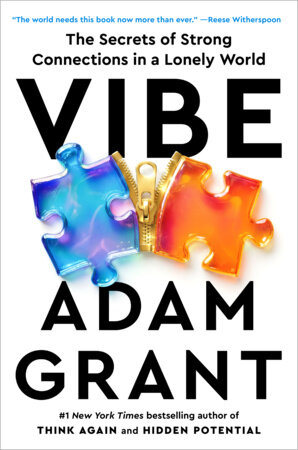
    Vibe: The Secrets of Strong Connections in a Lonely World book cover

    If this post spoke to you, here is a book that goes deeper. In Vibe: The Secrets of Strong Connections in a Lonely World, Adam Grant looks at the science of how closeness actually forms, and why building meaningful ties feels so hard right now. What I like best is that Grant starts from his own experience as a shy introvert, so this is not advice from someone who never struggled to connect. It is a practical, encouraging read for anyone who wants stronger friendships without pretending to be someone they are not. You can find Vibe on Amazon.

    Disclosure: Purchases through affiliate links may earn Well After 50 a commission at no additional cost to the reader.

    I’ve also mapped out some great tools on my new Tech for Independent Living After 50 page.

  • How to Enjoy Life After 50: 4 Simple Habits That Make the Years Better

    How to Enjoy Life After 50: 4 Simple Habits That Make the Years Better

    Most of us have spent years thinking about how long we’ll live. Then the doctors started talking about how many of those years we’ll stay healthy. Fair enough.

    But here’s a question nobody asks you at your checkup: Are you still enjoying it?

    Turns out there’s a word for that. It’s called joyspan, and I reckon it might be the number that matters most.

    Where the word came from

    Dr. Kerry Burnight came up with it. She’s a gerontologist, which is a doctor who studies aging, and she teaches at the UC Irvine School of Medicine. She spent 16 years working with older folks who’d been neglected and mistreated. After seeing the worst side of growing old, she went looking for the other side: what makes people thrive later in life.

    That search turned into her 2025 book, Joyspan: The Art and Science of Thriving in Life’s Second Half. It became a New York Times bestseller. (If you buy it through my link, I may earn a small commission at no extra cost to you.)

    Joyspan: The Art and Science of Thriving in Life's Second Half book cover by Dr. Kerry Burnight

    Her idea is simple. Joyspan is how much you actually enjoy your life as you get older. Not how many pills you take or how many steps your watch counts. Just whether you still wake up glad to be here.

    Here’s the part I like best. You don’t have to be in perfect shape to have a long joyspan. Bad knees, stiff back and all, you can still have a good one.

    The four things that build it

    Dr. Burnight boils it down to four habits: grow, connect, give, and adapt. Harvard Health wrote about them too. Here’s how I look at each one.

    1. Grow

    Keep learning something. Doesn’t have to be big. A new recipe. A trail you’ve never walked. Finally figuring out what all those buttons on the TV remote do.

    For me, it’s been this website. Some days I’ve wanted to toss the computer out in the yard. But every time I finally figure something out, I feel about ten years younger. That’s what growing does for you.

    2. Connect

    Stay close to people. This one has a lot of science behind it.

    Yvette Francino is a retired coach who writes a blog called Living Life to the Fullest. After she read the book, she wrote about what keeps her own joy going. One of the biggest? She calls her mom every single night.

    Now, you might think that’s her doing her mom a favor. But Yvette says she gets just as much out of those calls as her mom does. A few minutes on the phone, a few laughs, and they both go to bed a little happier.

    That’s what connection looks like. It doesn’t have to be a big family reunion. It just has to happen.

    And the experts back her up. In the 2026 U.S. News Healthy Aging Survey, 59% of the 63 health experts they asked named loneliness and isolation as the most overlooked thing that speeds up aging.

    Easy start: call one person this week you haven’t talked to in a while. Just to see how they’re doing.

    3. Give

    Help somebody. Drive a neighbor to an appointment. Teach a grandkid to fish. Share what you’ve learned the hard way. Helping somebody you know does more for you than you’d think, and we’ve all got something worth passing on.

    4. Adapt

    Things change. Our bodies change, people we love pass on, plans fall through. Dr. Burnight treats those hard times as a normal part of life, not a sign that the good part is over.

    Helen Williams writes about getting older on her Substack, and she shared a story about her grandparents that I can’t stop thinking about.

    Her grandfather walked everywhere. Swam every day. Kept up with his friends. He stayed in the game right up until illness finally made him stop.

    Her grandmother went the other way. One by one, she found reasons to quit the things she loved.

    Same family. Same generation. Two very different later years. And a lot of that difference came down to little choices, made one day at a time. Like the old saying goes, you can’t change the wind, but you can adjust your sails.

    Quick check: What’s your joyspan?

    Grab a pencil or just keep count in your head. Give yourself a score from 1 to 5 on each one. A 1 means “not me at all.” A 5 means “that’s me all day long.”

    1. Grow: I’ve learned or tried something new in the last month.
    2. Connect: I talk with somebody I care about most days.
    3. Give: I’ve helped somebody this week, even in a small way.
    4. Adapt: When things don’t go my way, I find a way to keep going.

    Now add them up:

    • 16 to 20: You’re doing great. Keep it up, and maybe share what’s working with a friend.
    • 10 to 15: Pretty good, with some room to grow. Look at your lowest score and start there.
    • 4 to 9: No shame in that. It just means you’ve got the most to gain. Pick one area and do one small thing this week.

    This is just for fun, not a medical test. It’s a way to see where you stand today.

    A few small ways to start this week

    Jane Woods is a blogger over in England. She’s closing in on 70, taking care of her husband, and still chasing her own goals. She gave Joyspan five stars on her blog Changing People, and she pointed out something I’d never really thought about.

    Joy and happiness aren’t the same thing.

    You can be going through a rough patch, not happy at all, and still catch a moment of joy. A grandbaby’s laugh. A good cup of coffee on a cool morning. Joy lives in the little moments, if you slow down long enough to notice them.

    So here are a few easy ways to catch more of them. None of them cost a dime.

    • Slow down for the good stuff. That first cup of coffee, a sunset, a song you love. Actually notice it.
    • Take a “joy snapshot” every day. Before bed, think of one moment that made you smile.
    • Volunteer. Church, food bank, library, wherever fits you.
    • Tend your friendships. They’re like a garden. They need a little water now and then.
    • Get moving outside. A walk in fresh air does more than you’d think.

    How it fits with everything else

    That same U.S. News survey found the experts put plain old exercise and good food at the top of the list, way ahead of trendy supplements and gadgets. (I looked at one of those trendy supplements in my post on NMN.)

    Joyspan is the other half of that. Exercise and good food help you get more years. Joy is the reason you want them.

    If you want to dig deeper, Dr. Burnight’s book Joyspan is a good place to start. It’s a good one to keep on the nightstand.

    Common Questions

    What is joyspan?
    Joyspan is a word coined by gerontologist Dr. Kerry Burnight. It means how much joy and satisfaction you get out of life as you get older, not just how many years you have.

    How is joyspan different from lifespan and healthspan?
    Lifespan is how long you live. Healthspan is how many of those years you’re healthy. Joyspan is how much you enjoy them.

    What are the four parts of joyspan?
    Grow, connect, give, and adapt. Keep learning, stay close to people, help others, and roll with the changes life brings.

    Can you raise your joyspan after 60?
    Yes. Dr. Burnight treats joyspan as a habit, not luck, and says the best time to start is now. Small steps, like calling a friend or trying something new, count.

    Do you have to be healthy to have a long joyspan?
    No. Plenty of folks with aches, health problems or hard seasons still find real joy. It’s more about how you live your days than how perfect your body is.

    One question to sit with

    What did you enjoy this week?

    If the answer comes quick, good for you. If it comes slow, pick one of the four, grow, connect, give, or adapt, and do one small thing with it before Sunday.

    Y’all let me know in the comments which one you’re working on. I’d like to hear it.

    — Tom

    About the Author

    Tom Green writes Well After 50. He’s just a regular, laid-back 64-year-old who keeps things simple. He shares what he learns about skincare, fitness and getting older, and what’s working for him. He’s also the author of A Practical Guide to Getting Older Without Giving Up on Yourself.

    Tom isn’t a doctor. He reads up on the research and passes along what’s useful, plain and simple.

    I’ve also mapped out some great tools on my new Tech for Independent Living After 50 page.
  • How to Save Money Without Making Life Miserable After 50

    How to Save Money Without Making Life Miserable After 50

    There is a strange idea about saving money after 50: that the answer is to stop enjoying yourself.

    No more dinners out. No little treats. No trips. No hobbies. No replacing something you actually need.

    That is not a life plan. That is a punishment plan.

    Saving money should give you more freedom—not make you afraid to spend a dollar.

    Start by deciding what is worth paying for

    Before cutting anything, make two lists.

    On the first list: things that genuinely make your life better.

    On the second: things you spend money on mostly because you are on autopilot.

    The second list is where the savings usually hide.

    1. Look at where your money actually goes

    The Consumer Financial Protection Bureau recommends getting a realistic picture of current spending rather than creating a budget based on what you think you “should” be spending.

    Look at your bank and credit-card history. Find the recurring charges. Notice the little purchases that repeat. Do not judge yourself. You are collecting information.

    2. Cut recurring expenses before cutting joy

    A forgotten subscription can cost you month after month. An insurance policy may deserve comparison. A phone plan may have options you are not using.

    Look for expenses that repeat without making you happier.

    Then leave alone the inexpensive things that genuinely give you pleasure.

    3. Give yourself a guilt-free spending category

    This sounds backward, but it can work.

    Set aside an amount you can afford for fun. When the money is spent, you stop until the next period. When you use it, you do not need to feel guilty because you planned for it.

    A budget that contains no fun is often a budget people eventually abandon.

    4. Use the 24-hour rule for nonessential purchases

    See something you want? You do not have to say no.

    Say, “Not today.”

    Wait 24 hours. If you still want it and it fits your budget, buy it. If the excitement disappears, you just saved yourself money without feeling deprived.

    5. Spend more carefully on the things you use every day

    Cheap is not always inexpensive if you have to replace something twice.

    Look at durability, warranties, quality and how often you will actually use the item. The goal is value—not simply the lowest sticker price.

    6. Save automatically if you can

    Even a modest automatic transfer can make saving easier because it removes the need to make the decision every payday.

    Start with an amount that does not make the rest of the month miserable. A habit you can keep is more useful than a heroic amount you cannot maintain.

    7. Save money for something—not just “someday”

    A savings goal becomes more motivating when it has a name.

    “Vacation.” “Car repair.” “Emergency cushion.” “Christmas.” “Freedom fund.”

    Money becomes easier to protect when you know what it is protecting.

    The best money-saving question after 50

    Instead of asking, “How can I spend less?” try asking:

    “How can I waste less money so I have more for what matters?”

    That is a completely different mindset.

    Common Questions

    Should I stop spending on things I enjoy?

    No. A realistic plan should make room for enjoyment while reducing spending that does not add much value.

    What should I cut first?

    Start with recurring expenses, unused subscriptions, avoidable fees and purchases made mostly out of habit.

    How much should I save each month?

    There is no single amount that works for everyone. Start with an amount that fits your income, expenses and goals, then build the habit.

    Does budgeting mean I cannot have fun?

    No. A good spending plan tells your money where to go while leaving room for things you enjoy.

    Keep Reading

    For more practical life-after-50 ideas, visit Well After 50.

    About Tom Green

    Tom Green writes Well After 50. He’s just a regular, laid-back 64-year-old who keeps things simple. He shares what he learns about skincare, fitness and getting older, and what’s working for him. He’s also the author of A Practical Guide to Getting Older Without Giving Up on Yourself. Tom isn’t a doctor. He reads up on the research and passes along what’s useful, plain and simple.

    Sources & Proof

    Consumer Financial Protection Bureau: Assess Your Spending
    Consumer Financial Protection Bureau: Budgeting
    Consumer Financial Protection Bureau: Automatic Saving

    Money note: This is general educational information, not individualized financial advice. Your best choices depend on your income, debt, savings, taxes and other circumstances.

    I’ve also mapped out some great tools on my new Tech for Independent Living After 50 page.

  • The Best Things About Fall When You’re 50+

    The Best Things About Fall When You’re 50+

    There is a point in life when you start appreciating fall for reasons that have nothing to do with pumpkin spice. The cooler air, changing leaves, quieter evenings and simple feeling that you do not have to rush quite so much.

    Getting older has its challenges, but it also gives you perspective. You start to understand which things deserve your energy and which things do not.

    Fall makes ordinary things feel special

    A cup of coffee on the porch. A drive through the country. A walk when the leaves are changing. A good meal with somebody you enjoy. None of these things are complicated, but they can make an ordinary day feel like a good one.

    You can stop proving yourself

    One of the best parts of being over 50 can be caring less about impressing everybody. You know yourself better. You know what you like. You also know that some opinions simply are not worth arguing with.

    There is still plenty to look forward to

    Age does not cancel curiosity. Learn something. Take a trip. Start exercising. Try a new restaurant. Redecorate a room. Call someone you have not talked to in a while. Make plans simply because you want to.

    Enjoy your own pace

    Fall is a good reminder that not everything has to happen immediately. Some of the best things take time, and some days are valuable simply because they are peaceful.

    I think that is one of the underrated pleasures of life after 50. You can finally learn to recognize a good day while you are actually living it.

    Make room for the season

    Put on a comfortable sweater. Go outside. Watch the leaves change. Have the coffee. Take the picture. Call the friend. You do not need a special occasion to enjoy your life.

    Common Questions

    What makes fall enjoyable after 50?
    Cooler weather, seasonal activities, outdoor walks, comfortable routines, and more opportunities to slow down can all make fall appealing.

    Is fall a good season to stay active after 50?
    Yes. Comfortable temperatures can make walking and other outdoor activities easier for many people.

    What are simple fall activities for people 50+?
    Walking, visiting fall events, cooking seasonal meals, gardening, photography, and spending time with friends or family are easy options.

    Can fall be a good time to start a new hobby?
    Yes. A seasonal change can be a natural time to try something new or return to an activity you enjoyed before.

    How can I enjoy fall without spending a lot of money?
    Take walks, visit free local events, cook at home, enjoy outdoor scenery, or spend time with people you care about.

    Can getting outside in fall help your mood?
    Outdoor activity and daylight can be enjoyable parts of a healthy daily routine, although mood changes have many possible causes.

    What should I do if cooler weather makes me less active?
    Have an indoor backup plan so a cold or rainy day does not completely stop your movement routine.

    How can I make the most of fall after 50?
    Choose a few seasonal things you genuinely enjoy instead of trying to fill every day with activities.

    Is it too late to start enjoying new experiences after 50?
    No. Age does not prevent you from learning, exploring, meeting people, or trying something different.

    What is the best thing about fall after 50?
    It can be a reminder that you do not need to rush through life to enjoy it.

    Practical takeaway: Keep the ideas from this post simple enough to use consistently. Small, repeatable habits usually work better than trying to change everything at once.

    A gentle health note: This post provides general information, not personalized medical advice. If you have persistent, severe, or unusual symptoms, or are making a major change to exercise or health routines, discuss it with a qualified healthcare professional.

    Affiliate Disclosure: Some links in this post may be affiliate links. If you purchase something through one of these links, Well After 50 may earn a small commission at no extra cost to you. This helps support the site and allows us to continue creating helpful content.

    Written by Tom Green, creator of Well After 50

    Tom Green writes Well After 50. He’s just a regular, laid-back 64-year-old who keeps things simple. He shares what he learns about skincare, fitness and getting older, and what’s working for him. He’s also the author of A Practical Guide to Getting Older Without Giving Up on Yourself. Tom isn’t a doctor. He reads up on the research and passes along what’s useful, plain and simple.

    I’ve also mapped out some great tools on my new Tech for Independent Living After 50 page.

  • When You Don’t Recognize Yourself Anymore: How to Make Peace With Aging After 50

    When You Don’t Recognize Yourself Anymore: How to Make Peace With Aging After 50

    There can be a strange moment in the aging process when you look in the mirror and realize something has changed.

    Maybe it is the lines around your eyes.

    Maybe your face looks thinner or softer than it used to. Your neck has changed. Your hair is different. Your body doesn’t look quite the way it did ten, twenty or thirty years ago.

    And sometimes the hardest part isn’t the wrinkle itself.

    It’s realizing that the person looking back at you doesn’t look like the person you still feel like inside.

    If you’ve ever had that experience, you’re not being vain.

    You’re being human.

    Aging changes our appearance, but it can also change the way we think about ourselves.

    And learning to live with that may be one of the less-discussed challenges of getting older.

    You can know you’re aging and still be surprised by it

    Most of us understand intellectually that we’re going to get older.

    We know our hair may turn gray. Skin loses some of its elasticity. Muscle mass becomes harder to maintain. Facial features change. Our bodies don’t necessarily respond to exercise, food or lack of sleep the way they once did.

    But knowing something is coming doesn’t necessarily prepare you emotionally for seeing it.

    That’s especially true when the change happens gradually.

    You don’t wake up one morning twenty years older.

    Instead, you notice little things.

    • A photograph.
    • A reflection in a store window.
    • A video someone took when you weren’t expecting it.
    • A shirt that fits differently.
    • A face in the mirror that suddenly looks older than you feel.

    And you may find yourself thinking:

    When did that happen?

    The mirror can become more powerful than it deserves to be

    Our appearance isn’t just about appearance.

    It can become tied to identity.

    For decades, you may have received messages—directly and indirectly—that looking young meant looking attractive, energetic, successful or desirable.

    Advertising certainly hasn’t helped.

    The beauty industry has built an enormous market around the idea that every visible sign of aging is something that should be corrected.

    And social media can make the comparison even harder.

    Research published in 2025 found associations between appearance-focused social media use, self-objectification and body-image concerns. The researchers also identified self-compassion as a potentially protective factor.

    There’s nothing wrong with wanting to look good

    This is important.

    Accepting aging does not mean you have to stop caring about your appearance.

    • You can still enjoy skincare.
    • You can color your hair if you want to.
    • You can exercise because you like the way a stronger body looks.
    • You can dress well.
    • You can take care of your teeth, skin and hair.
    • You can use products that make you feel better about yourself.

    And if you choose a cosmetic treatment after understanding its risks and benefits, that is your decision.

    The problem begins when taking care of yourself turns into being at war with yourself.

    There’s a big difference between:

    “I want to look my best.”

    and

    “I can’t stand the person I’m becoming.”

    The first can be healthy.

    The second can become exhausting.

    Maybe the goal isn’t to look younger

    This may be one of the most useful changes in thinking after 50.

    Instead of asking:

    “How can I look younger?”

    try asking:

    “How can I look healthy, cared for, confident and like myself?”

    Those aren’t the same goal.

    You may never get your 35-year-old face back.

    None of us does.

    But you can become the 50-, 60-, 70- or 80-year-old version of yourself who looks like she takes care of herself, stands tall, smiles easily and still has somewhere she wants to go.

    That’s a different kind of beauty.

    And arguably a more interesting one.

    Your body isn’t only something other people look at

    This is where aging can offer an unexpected opportunity.

    For much of our younger lives, we’re taught to think about our bodies from the outside.

    • How do I look?
    • Am I thin enough?
    • Do I look attractive?
    • Do other people notice me?
    • Do I look younger than my age?

    But eventually, many people begin to appreciate something different.

    What can my body still do for me?

    • Can I walk around the neighborhood?
    • Carry groceries?
    • Get up from the floor?
    • Travel?
    • Play with grandchildren?
    • Lift weights?
    • Garden?
    • Dance?
    • Climb stairs without stopping?
    • Go somewhere new?

    Those things may not show up in a selfie.

    But they can become far more important than a selfie.

    There is actually research behind this shift

    A 2026 study involving adults ages 60 to 80 found that greater body appreciation was associated with greater life satisfaction, and self-acceptance helped explain that relationship.

    That doesn’t mean you have to suddenly love every part of your body.

    That’s not realistic.

    You can dislike a particular wrinkle.

    You can wish your waist were smaller.

    You can miss your old hair.

    You can wish your skin were firmer.

    Acceptance doesn’t require pretending everything is perfect.

    It means learning not to let the things you dislike become the entire story about yourself.

    What if you stopped inspecting yourself so closely?

    Here’s an experiment worth trying.

    For a week, stop looking for flaws.

    • Don’t stand in front of the bathroom mirror examining your neck.
    • Don’t repeatedly pull the skin under your eyes.
    • Don’t take five photographs looking for the “bad side.”
    • Don’t zoom in on every line in a picture.

    Take care of yourself normally.

    Then step back.

    Look at the whole person.

    • How do you carry yourself?
    • Do you look healthy?
    • Do your eyes look alive?
    • Are you smiling?
    • Does your clothing fit?
    • Does your hair make you feel good?
    • Do you look like someone who is participating in life?

    Sometimes we become so focused on individual imperfections that we completely miss the person.

    And yes, there will be days when you don’t feel good about yourself

    That’s normal too.

    You don’t have to turn aging into a positive-thinking exercise every morning.

    Some days you may look in the mirror and think:

    “I really don’t like what I see today.”

    That’s okay.

    You don’t have to argue with yourself.

    You can simply say:

    “This is how I look today. I’m still going to have a good day.”

    That’s a powerful distinction.

    Your appearance doesn’t have to improve before you’re allowed to enjoy your life.

    Be careful about who gets inside your head

    Pay attention to the people and accounts you follow.

    If every photograph makes you feel older, heavier, less attractive or less successful, ask yourself why you’re continuing to look at it.

    You don’t have to hate social media.

    You don’t even have to stop following beauty accounts.

    But you can choose more carefully.

    Follow people who make you feel inspired rather than inadequate.

    Follow women who are active, funny, stylish, interesting and honest about getting older.

    Follow people who remind you that life doesn’t end when your face changes.

    Your feed becomes part of your environment.

    Choose an environment that helps you.

    Don’t confuse acceptance with giving up

    This may be the biggest misconception of all.

    Accepting your age doesn’t mean giving up.

    It can actually make it easier to take good care of yourself.

    You can say:

    “My skin is changing, so I’m going to take good care of it.”

    Not:

    “My skin is changing, so I need to fight it every day.”

    You can say:

    “I’m losing some muscle as I get older, so I’m going to strength train.”

    Not:

    “My body isn’t what it used to be, so what’s the point?”

    You can say:

    “I don’t look 40 anymore, but I still want to look my best.”

    Not:

    “If I can’t look 40, I don’t want to look at all.”

    That difference matters.

    Maybe growing older requires a new definition of beautiful

    When we’re young, beauty can be largely about symmetry, smooth skin, hair, body shape and looking desirable.

    Later, something else begins to show.

    • Character.
    • Confidence.
    • Humor.
    • Kindness.
    • Strength.
    • Curiosity.
    • How you treat people.
    • How you carry yourself.
    • Whether you still get excited about something.
    • Whether you have something to look forward to.
    • Whether you’ve learned how to survive difficult things without becoming bitter.

    None of those things erase wrinkles.

    They make wrinkles less important.

    You don’t have to love every change

    Maybe that’s the most honest place to end.

    You don’t have to celebrate every gray hair.

    You don’t have to love every wrinkle.

    You don’t have to pretend you never miss your younger face.

    You don’t have to stop wanting to look attractive.

    And you don’t have to apologize for caring about yourself.

    But you also don’t have to spend the rest of your life trying to defeat a process that every human being eventually faces.

    Take care of your appearance. Take care of your body. Take care of your health. But don’t forget to take care of the person underneath all of it.

    Because there is still a person in that mirror who has somewhere to go, people to love, things to learn and experiences that haven’t happened yet.

    And perhaps that’s the part of aging we don’t talk about enough.

    You may look different than you once did.

    But you’re not finished becoming who you’re going to be.

    A Final Thought

    The goal after 50 doesn’t have to be looking like the person you were twenty years ago.

    Maybe the goal is to look in the mirror and eventually say:

    “Yes. This is me now. And I still like where I’m going.”

    That may be a much better definition of aging well.

    For another thoughtful perspective on emotional well-being and finding your footing in later life, you may enjoy Sixty and Me, founded by Margaret Manning, which explores life transitions and personal growth.

    Common Questions

    Is it normal to struggle with changes in appearance after 50?

    Yes. Changes in appearance can affect how people think and feel about themselves, and research suggests that body dissatisfaction and concerns about aging appearance don’t simply disappear with age.

    Does accepting aging mean I shouldn’t care about how I look?

    No. Acceptance and self-care can exist together. You can enjoy skincare, exercise, clothing, hair care and other ways of looking after yourself without making youthfulness the only measure of your worth.

    Can social media make aging and body image harder?

    It can. Research has linked appearance-focused social media use with self-objectification and body-image concerns. Choosing what you consume online—and practicing more self-compassion—may help.

    What is a healthier goal than trying to look younger?

    Try aiming to look healthy, cared for, confident and like yourself. You can still improve things you want to improve without making your entire identity about reversing age.

    Can accepting my changing appearance actually make me feel better?

    Research in older adults has found an association between body appreciation, self-acceptance and greater life satisfaction.

    A Note From Tom Green

    At Well After 50, I don’t think getting older means giving up on yourself. I think it means figuring out what is worth improving, what is worth accepting and what is worth letting go.

    You can still care about how you look.

    You can still work on your health.

    You can still get stronger.

    You can still take pride in yourself.

    But you don’t have to spend your life apologizing for getting older.

    Tom Green

    Well After 50

    Medical & Wellness Note

    This article discusses general experiences and research related to aging, appearance and body image. It is not medical or mental-health advice. If concerns about your appearance are causing significant distress or interfering with your daily life, consider talking with a qualified healthcare or mental-health professional

    Sources & Further Reading

    Keep Reading

    About the Author

    Tom Green writes Well After 50. He’s just a regular, laid-back 64-year-old who keeps things simple. He shares what he learns about skincare, fitness and getting older, and what’s working for him. He’s also the author of A Practical Guide to Getting Older Without Giving Up on Yourself. Tom isn’t a doctor. He reads up on the research and passes along what’s useful, plain and simple.

    I’ve also mapped out some great tools on my new Tech for Independent Living After 50 page.
  • 10 Hobbies After 50 That Make Life More Interesting (Even on a Budget)

    10 Hobbies After 50 That Make Life More Interesting (Even on a Budget)

    I’ve learned that getting older isn’t just about the things you start doing differently. It’s also about the things you finally have time to do. For years, life can be about work, raising a family, paying bills, taking care of other people, and simply getting through the week. You put off the things you’re curious about because there always seems to be something more important. Then you reach 50+ and something changes. Maybe you have more free time. Maybe the kids have moved on. Maybe you’re working less, retired, or simply realizing that you don’t want the rest of your life to be nothing but work and responsibilities. That’s when a hobby can become much more than something to pass the time. It can give you something to look forward to. Something to learn. Something to get excited about. And it doesn’t have to be complicated. You don’t have to become an expert. You don’t have to spend a lot of money. You don’t even have to be particularly good at whatever you choose. You just need to find something that makes you think, “I enjoy doing this.” Here are 10 hobbies for adults 50+ that can be fun, useful, and rewarding — and maybe one of them will give you an idea for something you’ve been putting off for years.

    1. Photography

    You don’t need an expensive camera to get started. Your phone can be all you need. Try photographing nature, interesting buildings, food, family gatherings, pets, or places you visit.

    Why it’s good and fun

    Photography gives you a reason to look at the world differently. Instead of simply walking through a park or visiting a new place, you start noticing colors, details, light, wildlife, and interesting little moments. It can also give you something to do when you’re traveling or taking a walk. And there’s a satisfying feeling when you take a picture and think, “I really like that.” You can keep your favorite photographs, share them with family, or gradually learn more advanced photography techniques.

    2. Gardening

    Gardening can be as simple as growing a few herbs in containers or as ambitious as creating an entire backyard garden. You can grow flowers, vegetables, herbs, or even indoor plants.

    Why it’s good and fun

    Gardening gives you something living to take care of and watch grow. There’s a special satisfaction in planting something, caring for it, and eventually seeing flowers bloom or vegetables appear. It also gets you outside and gives you a reason to spend time in your yard or on a patio. You don’t need a huge garden. A few pots can be enough to discover whether you enjoy it. And every season gives you something new to try.

    3. Cooking Something New

    If you already cook, turn cooking into a hobby instead of another chore. Choose one type of food you’ve always wanted to learn about. Try homemade bread, international dishes, soups, seafood, or healthier versions of old favorites.

    Why it’s good and fun

    Cooking becomes much more enjoyable when you’re experimenting instead of simply trying to get dinner on the table. You get to discover new flavors, learn new techniques, and occasionally surprise yourself with something that turns out really well. It’s also a hobby that produces something useful. You can enjoy what you make yourself or share it with family and friends. And you don’t have to become a gourmet cook. Sometimes finding one great new recipe is enough to make the hobby worthwhile.

    4. Learning an Instrument

    It’s never too late to learn an instrument. A guitar, keyboard, harmonica, or ukulele can give you a completely new challenge.

    Why it’s good and fun

    Learning music gives your brain something completely different to work on. At first, even getting a few notes or chords right can feel like an accomplishment. Then something interesting happens: a song that once seemed impossible starts becoming familiar. You don’t have to perform for anyone. Learning a few songs you actually enjoy can give you a hobby you can return to for years. And there’s something satisfying about being able to sit down and make music yourself.

    5. Writing

    Writing can be surprisingly rewarding after 50. You could keep a personal journal, write short stories, record family memories, start a blog, or simply write about subjects that interest you.

    Why it’s good and fun

    Writing gives you a place to capture experiences, ideas, memories, and opinions. You have decades of experiences that younger people simply haven’t had yet. You might enjoy writing about your childhood, places you’ve lived, lessons you’ve learned, funny stories, or things you’ve discovered along the way. You don’t have to consider yourself a writer. You don’t even have to show anyone what you write. Sometimes the enjoyment comes simply from putting your thoughts into words.

    6. Painting, Drawing, or Other Creative Work

    You don’t need artistic talent to enjoy making art. Try watercolor, acrylic painting, sketching, coloring, woodworking, pottery, sewing, or another hands-on creative activity.

    Why it’s good and fun

    Creative hobbies let you make something instead of simply consuming something. That’s a nice change from spending another evening watching television or scrolling through your phone. There’s also no requirement that your work be perfect. You can experiment with colors, materials, shapes, and ideas without worrying about whether someone else thinks it’s good. And when you’re finished, you have something you actually made. That can be surprisingly satisfying.

    7. Exploring Your Family History

    Genealogy can turn into a fascinating long-term hobby. You can research old family records, organize photographs, interview relatives, and create a family tree.

    Why it’s good and fun

    Family history can turn ordinary names and old photographs into real stories. You may discover where relatives lived, what they did for a living, how your family moved from one place to another, or things you never knew about people you’ve heard about all your life. It can also give you a reason to talk with older relatives while you still can. And what you discover isn’t just for you. You can organize the information and photographs into something future generations of your family can enjoy.

    8. Travel — Even Close to Home

    You don’t need to fly across the country to make travel a hobby. Pick a town you’ve never explored. Visit a museum, historical site, small restaurant, local market, park, or interesting road nearby.

    Why it’s good and fun

    Exploring somewhere new can break up the routine. You don’t have to spend a lot of money or take a week off work. Sometimes an afternoon in a town you’ve never visited can feel like a mini vacation. Make a list of places within an hour or two of home and start working your way through it. You may discover restaurants, parks, shops, historic buildings, or interesting local attractions that you’ve driven past for years without noticing.

    9. Volunteering

    Volunteering can be a hobby with a purpose. You might help at an animal shelter, food pantry, library, community organization, school, church, or another local group.

    Why it’s good and fun

    Volunteering can give you something that many hobbies don’t: a feeling that what you’re doing matters to someone else. It can also introduce you to people you might never have met otherwise. If you’re retired or your social circle has become smaller, volunteering can add some structure to your week and give you somewhere to go. And you don’t have to commit to every day. Even helping occasionally can be worthwhile if you find something you genuinely care about.

    10. Learn Something You’ve Always Put Off

    This may be the most exciting hobby of all. Think about something you’ve said for years: “I’d love to learn how to do that someday.” Maybe it’s a language. Maybe it’s history, astronomy, computers, painting, cooking, music, woodworking, or something completely different.

    Why it’s good and fun

    Learning something new gives you the chance to be a beginner again. That can be both challenging and exciting. You don’t have to worry about being the best. You simply get to discover something you’ve never known before. And you may find that one new subject leads to another. A curiosity about history could lead to genealogy. Photography could lead to travel. Cooking could lead to learning about different cultures. You never know where a new interest will take you.

    You Don’t Need Ten Hobbies

    The point isn’t to fill your calendar with activities. You only need one thing that makes you want to do it again. A good hobby can give your week some structure. It can introduce you to new people, keep your mind engaged, give you a creative outlet, or simply make an ordinary Tuesday more interesting. And if your first choice doesn’t work, that’s perfectly fine. Try something else. There is no rule that says you have to be good at a hobby, stick with it forever, or explain to anyone why you enjoy it.

    Your Life After 50 Is Still Being Written

    Getting older doesn’t mean you’ve run out of things to discover. In many ways, 50+ can be a great time to experiment because you know yourself better than you did when you were younger. You may finally have the freedom to ask a simple question: What would I enjoy doing if I didn’t have to do it for anyone else? That’s a pretty good place to start.

    What Hobby Will You Try?

    You don’t need expensive equipment, a huge amount of free time, or a special talent. Choose something that interests you. Start small. Give it a little time. You might discover that the next chapter of your life has room for something you never expected. For more inspiration, the National Institute on Aging’s activity guide includes low-cost ways to learn, connect, volunteer, and have fun.

    How to Pick a Hobby You’ll Actually Enjoy

    Here’s something I’ve learned: a hobby shouldn’t feel like another job you have to be good at. You can enjoy photography without becoming a photographer. You can grow three plants without having a perfect garden. And you can love music without performing for anyone.

    Ask yourself three questions: Do I want to be around people or have quiet time? Do I want to make something, learn something, or move more? How much money and physical energy can I comfortably give it? Your answers will narrow a long list of possibilities to something that genuinely fits.

    Seven Days to Try Something New—Without Spending a Fortune

    1. Day one: Choose one hobby that sounds fun, not impressive.
    2. Day two: See what you already own or can borrow.
    3. Day three: Find a free guide, library event, community class, or club.
    4. Day four: Spend twenty minutes trying it. Ten minutes counts, too.
    5. Day five: Notice whether you felt curious or merely obligated.
    6. Day six: If it involves other people, look for a friendly local or online group.
    7. Day seven: Decide whether to try again. You’re allowed to change your mind.

    If money is tight, try your public library, free museum days, community gardening, birdwatching from a park bench, smartphone photography, or borrowing a book about something you’ve always wanted to learn.

    What Researchers and Writers Say About Having Interests Later in Life

    The National Institute on Aging recommends meaningful activities such as creative hobbies, volunteering, and social groups as part of healthy aging. The emphasis is on enjoyment and participation, not collecting accomplishments.

    In Harvard Health, Matthew Solan reports on research suggesting that combining different mental and physical activities may support thinking in older adults with mild cognitive impairment. That isn’t a promise that a hobby prevents dementia, but it’s a good reason to stay interested in life.

    The NIA also discusses loneliness and social isolation: a book club, class, or volunteer shift can be a natural way to meet people regularly, without the pressure of making instant best friends.

    What if a Hobby Doesn’t Stick?

    Then you learned something about yourself. Give it a fair try, but don’t turn leisure into guilt. Sometimes what you thought you’d enjoy isn’t your thing, and a different activity will fit better. That isn’t failure. It’s part of finding out what makes this chapter of life interesting.

    Common Questions

    Why are hobbies important after 50? Hobbies can add enjoyment, creativity, social connection, and a sense of purpose to everyday life. Is it too late to start a new hobby after 50? Not at all. Trying something new can be a great way to break up routines and discover interests you didn’t have time to explore earlier in life. What are some good hobbies for people 50+? Walking, gardening, photography, cooking, reading, woodworking, crafts, music, volunteering, and learning new skills are just a few possibilities. Can hobbies help with loneliness after 50? They can. Hobbies that involve clubs, classes, volunteer groups, or other people can create regular opportunities for social interaction. Do hobbies have to be expensive? No. Many enjoyable hobbies can be started with little or no money, including walking, reading, writing, gardening, birdwatching, and learning through free resources. How do I choose a hobby I’ll actually stick with? Start with something you’re genuinely curious about rather than something you think you should do. Give it a few tries before deciding whether it’s for you.

    Keep Reading

    Tom Green writes Well After 50. He’s just a regular, laid-back 64-year-old who keeps things simple. He shares what he learns about skincare, fitness and getting older, and what’s working for him. He’s also the author of A Practical Guide to Getting Older Without Giving Up on Yourself. Tom isn’t a doctor. He reads up on the research and passes along what’s useful, plain and simple.

    I’ve also mapped out some great tools on my new Tech for Independent Living After 50 page.

  • How to Build Muscle After 60 Without Getting Hurt

    How to Build Muscle After 60 Without Getting Hurt

    Building muscle after 60 is possible, but I do not think the smartest approach is pretending you are 25. The goal is to challenge your muscles enough to adapt while giving the rest of your body, your joints, tendons and back, time to keep up.

    I’m in my 60s, and I work out to feel like a healthier me as I age. The fastest way to lose progress at this age is not skipping a workout. It is getting hurt and missing six weeks. So this guide is about one thing: how to start, or start again, in a way that keeps you training for years.

    The short version

    • Train at least 2 days a week. That is what the CDC recommends for older adults, and it is plenty to get started.
    • Start lighter than you think. End every set with about two good reps left in the tank.
    • Add a little at a time. One more rep or a small bump in weight, not big jumps.
    • Rest a day between hard sessions. Muscle is built while you recover.
    • Sharp pain means stop. Effort is fine. Pain in a joint is not.

    Why it is worth doing now

    We slowly lose muscle as we age, and that loss shows up in everyday life: getting out of a low chair, carrying groceries, climbing stairs, catching yourself when you trip. The good news is that muscle still responds to training at 60, 70 and beyond. If you want to understand what you are up against, I wrote about it in why muscle isn’t the only thing you lose with age.

    The “two reps in the tank” rule

    The right starting weight is not the heaviest weight you can move once. It is a weight you can lift with smooth, controlled form for your target reps, and when you finish the set you feel like you could have done about two more good ones.

    That one rule handles most of the safety problem. If you have to swing, jerk or twist to finish the set, the weight is asking more from your joints than from the muscle you are trying to train. Drop it a little and own every rep.

    Warm up for 5 to 10 minutes first

    Cold joints do not like heavy work. A few minutes on a bike or treadmill, then one light “practice” set of your first exercise, gets blood moving and lets you check how everything feels that day. Some days you will feel great. Some days you will want to go a little lighter, and that is fine.

    A simple 2-day starter plan

    Do this twice a week with at least one rest day in between, for example Monday and Thursday. Start with 2 sets of 10 to 12 reps for each exercise, using the two-reps-in-the-tank rule.

    1. Legs: leg press, or sit-to-stands from a sturdy chair if you are training at home.
    2. Push: machine chest press, or wall push-ups at home.
    3. Pull: seated cable row or a resistance band row.
    4. Back of the body: glute bridges, or a back extension machine.
    5. Upper back: lat pulldown, or a band pulldown anchored over a door.
    6. Core: a short plank against a counter or bench, or a slow dead bug on the floor.

    That is a full-body workout in about 30 to 40 minutes. You can add arm work or calves later. For the first couple of months, these six cover what matters most.

    Your first 8 weeks

    • Weeks 1 and 2: Learn the movements. Keep it light and focus on form. You should leave feeling like you could have done more.
    • Weeks 3 and 4: Add a third set to the exercises that feel good.
    • Weeks 5 to 8: When you can do all your reps with good form and still have two in the tank, add the smallest weight increase the machine allows.

    Write down each exercise, the weight and the reps. A simple notebook works. After a few weeks those notes show you progress your memory will miss, and they keep you from jumping the weight too fast.

    Joint-friendly swaps

    If an exercise bothers a joint, you usually do not have to skip that muscle. You just need a different way to train it.

    • Cranky knees: use a shorter, comfortable range on the leg press, or squat down to a box or chair instead of going deep.
    • Touchy shoulders: use a machine press or a palms-facing (neutral) grip instead of a straight barbell, and skip pressing behind the head.
    • Sensitive lower back: choose machines that support your back over heavy barbell lifts, and keep bridges and back extensions slow and controlled.

    Machines can be a very good tool

    I like machines for some exercises because they provide stability and let me concentrate on producing force with the intended muscles. Free weights can also work well. The best tool is the one that lets you train consistently and appropriately.

    Warning signs to respect

    Training safely does not mean training timidly. It means knowing the difference between hard work and a warning. Normal: muscles that feel worked, some mild soreness for a day or two. Stop and rethink if you notice:

    • Sharp or stabbing pain during a rep
    • Joint pain that is still there or worse the next day
    • Dizziness, chest pain or unusual shortness of breath
    • Soreness that never clears before your next workout

    Recovery is part of muscle building

    The workout is the stimulus. Recovery is when your body has an opportunity to respond. Sleep, enough food, enough protein and rest between hard sessions all matter. More workouts are not automatically more muscle. If performance keeps falling and soreness never clears, look at recovery before adding more training.

    What you do on the other five days of the week matters too. I put those everyday habits, protein, walking, carrying, balance and sleep, in a separate post: 7 Strength Habits That Matter More After 60.

    For another perspective on staying active and building healthy habits later in life, Journey to Fifty Plus shares personal experiences and ideas around fitness and wellness after 50.

    Common Questions

    Can you still build muscle after 60?
    Yes. Adults can build strength and muscle after 60 with consistent resistance training, adequate recovery and good nutrition.

    How often should you strength train after 60?
    The CDC recommends muscle-strengthening activities at least 2 days a week for older adults, with rest between challenging sessions.

    How heavy should you lift after 60?
    Heavy enough that the last couple of reps feel challenging, but light enough that you finish with about two good reps left and never lose your form.

    What exercises are best for building muscle after 60?
    Start with the big movements: a leg exercise, a push, a pull, a hip or back exercise, and some core work. Machines are a great way to learn them safely.

    How quickly should you increase weights after 60?
    Only when you can complete all your reps with good form and still have a couple left in the tank. Then make the smallest increase available.

    Is it normal to be sore after strength training after 60?
    Mild muscle soreness for a day or two is normal, especially when you start. Sharp pain or joint pain that lingers is not, and is a reason to back off.

    A gentle health note: If you’re new to strength training, have significant joint or muscle pain, dizziness, balance problems, or a medical condition that affects exercise, consider talking with a healthcare professional before starting or substantially increasing your workouts. Stop an exercise that causes sharp or unusual pain.

    My bottom line

    After 60, I still want challenging workouts. I just want those workouts to move me forward instead of keeping me injured. Start lighter than your ego wants, add a little at a time, recover, and keep showing up. Two days a week, done well, beats five days that leave you hurting.

    Your turn: Are you just getting started, or getting back into it? Tell me in the comments which exercise gives you the most trouble and I’ll try to help.

    Exercise should be adapted to your health, injuries and abilities. This is general fitness information, not individualized medical advice.

    About Tom Green

    Tom Green writes Well After 50. He’s just a regular, laid-back 64-year-old who keeps things simple. He shares what he learns about skincare, fitness and getting older, and what’s working for him. He’s also the author of A Practical Guide to Getting Older Without Giving Up on Yourself. Tom isn’t a doctor. He reads up on the research and passes along what’s useful, plain and simple.

    Keep Reading

    I’ve also mapped out some great tools on my new Tech for Independent Living After 50 page.

  • Life After 50 With a Dog: The Joys, the Benefits—and the Reality

    Life After 50 With a Dog: The Joys, the Benefits—and the Reality

    Life after 50 can bring more freedom, but it can also bring quieter days, new routines, and a body that does not always want to move the way it once did. A dog has a way of pulling your attention back to the present: the leash waiting by the door, the happy greeting, the ridiculous thing they just did, and the simple fact that someone is counting on you. A dog is not a miracle cure for loneliness or a substitute for human connection. But for the right person, a dog can add movement, affection, structure, and a little everyday comedy to life. Those small things deserve more credit than they often get. Dogs do not care about your birthday. They care about whether you are ready for a walk, whether there is something interesting happening in the kitchen, and whether you have time for them.

    Dogs Keep You Moving

    One of the simplest benefits of having a dog is that they give you a reason to get up and move. A walk around the neighborhood may not feel like a workout, but regular movement adds up. There are also all the little movements that come with caring for a dog—feeding them, letting them outside, playing, cleaning up and getting down on the floor when they decide that is where they want you.

    They Make Ordinary Days More Interesting

    After 50, routines can become comfortable. That is not necessarily a bad thing, but a dog can interrupt the routine in ways that are usually good for you. A funny expression, an unexpected burst of energy or the simple excitement of seeing you walk through the door can make an ordinary day feel different.

    Dogs Can Keep You Connected

    Walking a dog can also create opportunities for casual conversations with neighbors and other dog owners. Sometimes a simple hello is enough to make a day feel a little less isolated.

    They Do Not Care How Old You Look

    This may be one of my favorite things. Your dog is not looking at your wrinkles, gray hair or whether you look tired today. You are simply their person.

    Getting Older Does Not Mean Stopping

    Having a dog does not magically make every day easy. Older dogs may need more care, and your own abilities may change over time. But there is something valuable about continuing to have reasons to move, laugh and get outside. For me, a dog is a good reminder that getting older is not the same thing as checking out of life.

    What Research Says About Dogs and Healthy Aging

    There is research behind some of these everyday benefits, although it is important not to promise more than the evidence can show. The Centers for Disease Control and Prevention (CDC) notes that pets can create opportunities to exercise, get outside, and socialize, and that companionship may help some people manage loneliness. The CDC also points out that pets can carry germs, so good hygiene and appropriate veterinary care matter. A 2022 systematic review published in Social Psychiatry and Psychiatric Epidemiology examined 24 studies on pet ownership, loneliness, and social isolation. The findings were mixed: some studies found associations with less isolation or loneliness, while others did not. The honest takeaway is that a pet may be a meaningful source of companionship, but it will not make everyone feel less lonely. You can read the full review on PubMed Central. There is also a measurable connection between dog walking and activity. In a 2017 study published in Innovation in Aging, researchers followed 86 adults ages 65 to 81 and used activity monitors. The dog owners averaged about 31 minutes a day walking at a moderate pace, compared with 11 minutes among the adults without dogs; they also took more steps on average. The study was relatively small, so it does not prove that a dog will make every owner more active. But it is a useful reminder that a daily walk can become a habit when another living creature is counting on you. Read the study summary at PubMed Central.

    Small Ways to Make Dog Ownership Work Better After 50

    • Make the walk fit your body. Two short, comfortable walks may work better than one long outing. If balance, joint pain, breathing, or stamina is a concern, ask a healthcare professional what level of activity is appropriate.
    • Let the dog sniff. A walk does not have to be a race or a step-count competition. Safe sniffing time gives your dog enrichment and gives you a reason to slow down and notice the neighborhood.
    • Build a rainy-day routine. A few minutes of gentle indoor play, simple training, or hide-and-seek with a toy can keep you connected when weather or mobility makes a walk difficult.
    • Make the home safer for both of you. Keep leashes and toys out of walkways, use good lighting, and consider whether a dog that pulls hard on the leash could throw you off balance. Training and a well-fitted harness may help.
    • Plan for care before you need it. Identify a backup walker, pet sitter, or trusted person who can help if you are sick, traveling, or recovering from an injury.
    • Protect your budget. Food, routine veterinary visits, dental care, medications, grooming, and unexpected emergencies can add up. A realistic pet budget is part of responsible ownership, not a lack of love.

    The Part People Do Not Always Mention: Dogs Need Care, Too

    It is easy to talk about what a dog brings into our lives and forget the work involved. Some dogs need more exercise than their owners can comfortably provide. Older dogs may need medication, help with stairs, or more frequent veterinary visits. Puppies can be exhausting, and a strong dog that pulls on a leash can be a genuine fall risk. If you are thinking about adopting a dog after 50, choose for temperament, size, energy level, and care needs—not just a cute face. An adult dog with a known personality may be a better fit than a high-energy puppy for some households. A shelter or rescue can help you ask the right questions. And if a dog is not a realistic fit right now, helping a neighbor walk their dog, pet-sitting occasionally, or volunteering with an animal organization may offer some of the connection without the full-time responsibility.

    A Simple Reminder: You Do Not Need a Perfect Day

    Some days the walk will be short. Some days you will be tired. Some days your dog will stop to investigate one patch of grass as if it contains the secrets of the universe. That is part of the charm. Healthy aging is not about turning every moment into a performance. It is about finding manageable reasons to move, connect, laugh, and take part in the day. If a dog gives you one more reason to step outside, speak to a neighbor, keep a routine, or smile at something silly, that is worthwhile—even if it never shows up on a fitness tracker.

    Sources and Further Reading

    Before You Bring a Dog Home, Ask These Five Questions

    There is something wonderful about being greeted at the door by a dog who thinks you’re the best thing in the world. But I wouldn’t want anyone to adopt on a lonely afternoon without thinking about the next ten years.

    1. Can I comfortably handle this dog’s size and energy? A calm adult dog may be a better fit than a large, excitable puppy.
    2. Can I afford routine and unexpected vet care? Include food, medication, preventive care, and emergencies—not just the adoption fee.
    3. Who helps if I get sick? Have a backup person or local boarding plan before you need one.
    4. What does this individual dog actually need? Temperament, training, grooming, and exercise differ more than advertisements suggest.
    5. Am I ready for the commitment? If not, fostering, volunteering, or visiting a friend’s dog can still add joy.

    The American Veterinary Medical Association’s pet-selection advice makes the responsibility clear: choose thoughtfully and plan for a dog’s social, physical, and veterinary needs. You aren’t just choosing a companion; you’re agreeing to care for a living animal.

    What the Research Actually Says About Loneliness

    It’s easy to see why pet stories are popular. But a dog isn’t a guaranteed treatment for loneliness. A systematic review of 24 studies found mixed results: some studies linked pet ownership with less isolation, while evidence on loneliness was inconsistent. I think that’s a more useful message than telling someone a pet will fix everything.

    The National Institute on Aging stresses the importance of human connection, too. A dog can be a wonderful part of a life that also includes friends, neighbors, family, or community.

    Make the First Month Easier

    Keep the dog’s routine simple: regular meals, short walks or play suited to its needs, quiet rest, and a vet appointment. Put a leash by the door, keep fresh water available, and resist the urge to expect perfect behavior in a week. Like the rest of us, a new companion needs time to settle in.

    Common Questions

    Can having a dog help you stay active after 50? A dog can encourage regular walking and everyday movement, although the amount of activity depends on the dog and your own abilities. Can dogs help with loneliness after 50? Pets can provide companionship and routine, and walking a dog can create opportunities for social interaction. Do dogs care about your age? Not in the way people do. Dogs generally respond to the relationship, attention, routine, and care you provide. Is having a dog good for your mental well-being? Companionship, routine, physical activity, and the simple responsibility of caring for another living thing can be meaningful parts of daily life. What if you are not able to walk a dog very far? Dogs and people have different needs. Short walks, play, time outside, and other forms of interaction can still provide activity and companionship. Can a dog give you more purpose after 50? Caring for a pet can add structure and responsibility to the day, which some people find meaningful. What is one of the best things about having a dog after 50? A dog can give you a reason to get up, move around, laugh, and pay attention to the present moment. Practical takeaway: Getting older does not mean life has to become smaller. A dog can be one simple reason to keep moving, stay connected, and enjoy ordinary days. A gentle well-being note: Pets are a personal choice, and caring for one should fit your health, living situation, finances, and ability to provide appropriate care.

    Keep Reading

    Written by Tom Green, creator of Well After 50 Tom Green writes Well After 50. He’s just a regular, laid-back 64-year-old who keeps things simple. He shares what he learns about skincare, fitness and getting older, and what’s working for him. He’s also the author of A Practical Guide to Getting Older Without Giving Up on Yourself. Tom isn’t a doctor. He reads up on the research and passes along what’s useful, plain and simple.

    I’ve also mapped out some great tools on my new Tech for Independent Living After 50 page.

  • Retirement and Mental Health: 7 Ways to Build a Life You Actually Enjoy

    Retirement and Mental Health: 7 Ways to Build a Life You Actually Enjoy

    Retirement is supposed to feel freeing. So why can it sometimes feel surprisingly strange?

    Leaving a job can mean more time, but it can also remove routines, coworkers, goals and daily reasons to get out the door. That transition can affect your mood and sense of purpose.

    1. Replace the routine before you miss it

    You don’t need to recreate your working life. But having a reason to get up, get dressed and go somewhere can make a big difference. Build a loose morning and weekly rhythm that gives your days some shape.

    2. Put people on your calendar

    Don’t wait until you feel lonely to call somebody. Schedule coffee, walks, lunch, game nights, volunteer work or regular phone calls. Social connection is an important part of healthy aging.

    3. Find a reason to be needed

    Purpose doesn’t have to mean a new career. Helping a neighbor, mentoring someone, caring for a garden, volunteering or contributing to a community can give your week meaning.

    4. Give yourself something to learn

    Take a class. Learn photography. Try a language. Learn to cook something you’ve never made. Pick up an instrument. Your retirement years don’t have to be a period of standing still.

    5. Keep moving

    Physical activity can support mood, sleep, physical function and overall quality of life. It can also become a social activity when you walk with a friend or join a group.

    6. Watch for the signs that you need help

    Feeling unsettled during a major life change is normal. But persistent sadness, loss of interest, isolation or other troubling changes deserve attention. Talking with a doctor or mental-health professional can be a useful next step.

    7. Don’t make retirement smaller than your working life

    This may be the first time in decades when you have more freedom to decide what belongs in your life. You can change your schedule, meet different people, explore new places and finally make room for things you postponed.

    Your retirement reset

    • One thing that gets you moving.
    • One person you make time for.
    • One activity that challenges your brain.
    • One thing you do simply because you enjoy it.

    Retirement doesn’t have to be an empty space where work used to be. It can become a life with a different rhythm—and one that feels more like your own.

    Common Questions

    Can retirement affect your mental health?
    Yes. Retirement can bring more freedom, but it can also change your daily routine, social connections, sense of purpose, and identity.

    How can I stay mentally healthy after retiring?
    Keeping a regular routine, staying physically active, maintaining relationships, learning new things, and having activities you look forward to can all support well-being.

    Why can retirement feel lonely?
    Leaving the workplace can reduce everyday social interaction. Building new connections through hobbies, volunteering, clubs, classes, or community activities can help.

    Do you need a purpose after retirement?
    Having things that give your days meaning can make retirement more satisfying. Purpose can come from family, hobbies, volunteering, learning, work, creativity, or simply pursuing interests you’ve put off.

    How can I enjoy retirement if I don’t know what I want to do?
    Start small. Try different activities without expecting yourself to find one perfect passion immediately. Pay attention to what leaves you feeling interested, useful, or energized.

    When should I ask for help with my mental health?
    If sadness, anxiety, loneliness, loss of interest, or other emotional difficulties persist or interfere with everyday life, consider talking with a healthcare professional or mental-health professional.

    Question for you: What did retirement give you that you didn’t expect?

    Tom Green writes Well After 50. He’s just a regular, laid-back 64-year-old who keeps things simple. He shares what he learns about skincare, fitness and getting older, and what’s working for him. He’s also the author of A Practical Guide to Getting Older Without Giving Up on Yourself. Tom isn’t a doctor. He reads up on the research and passes along what’s useful, plain and simple.

    I’ve also mapped out some great tools on my new Tech for Independent Living After 50 page.