Tag: protein after 50

  • 7 Strength Habits That Matter More After 60

    7 Strength Habits That Matter More After 60

    Getting stronger after 60 is absolutely possible. But the goal is not to prove how much you can lift. It is to build and keep the strength that helps you live your life—getting out of a chair, carrying groceries, climbing stairs, traveling, working around the house, and feeling capable in your own body.

    For me, the biggest lesson is that strength after 60 is a long game. You need enough challenge to make your muscles adapt, but you also need consistency, recovery, good technique, and a plan you can actually stick with.

    1. Make consistency more important than having a perfect workout

    You do not need to destroy yourself every time you train. A workout that challenges you and leaves you able to come back and train again is more useful than an occasional heroic session followed by days of recovery.

    Think in weeks and months, not one workout. Showing up regularly gives your muscles repeated opportunities to adapt.

    2. Control the weight instead of letting the weight control you

    Good strength training is not about throwing a weight around. Choose resistance you can control, use a sensible range of motion, and keep your attention on the movement.

    If you have to jerk, swing, bounce, or twist to finish a repetition, it may be time to reduce the resistance. Effort is useful; sloppy repetitions are not.

    3. Train the major muscle groups

    A simple program can go a long way. Include a leg movement, a chest press, a rowing movement, a pulldown or other back exercise, and targeted work for areas you want to develop.

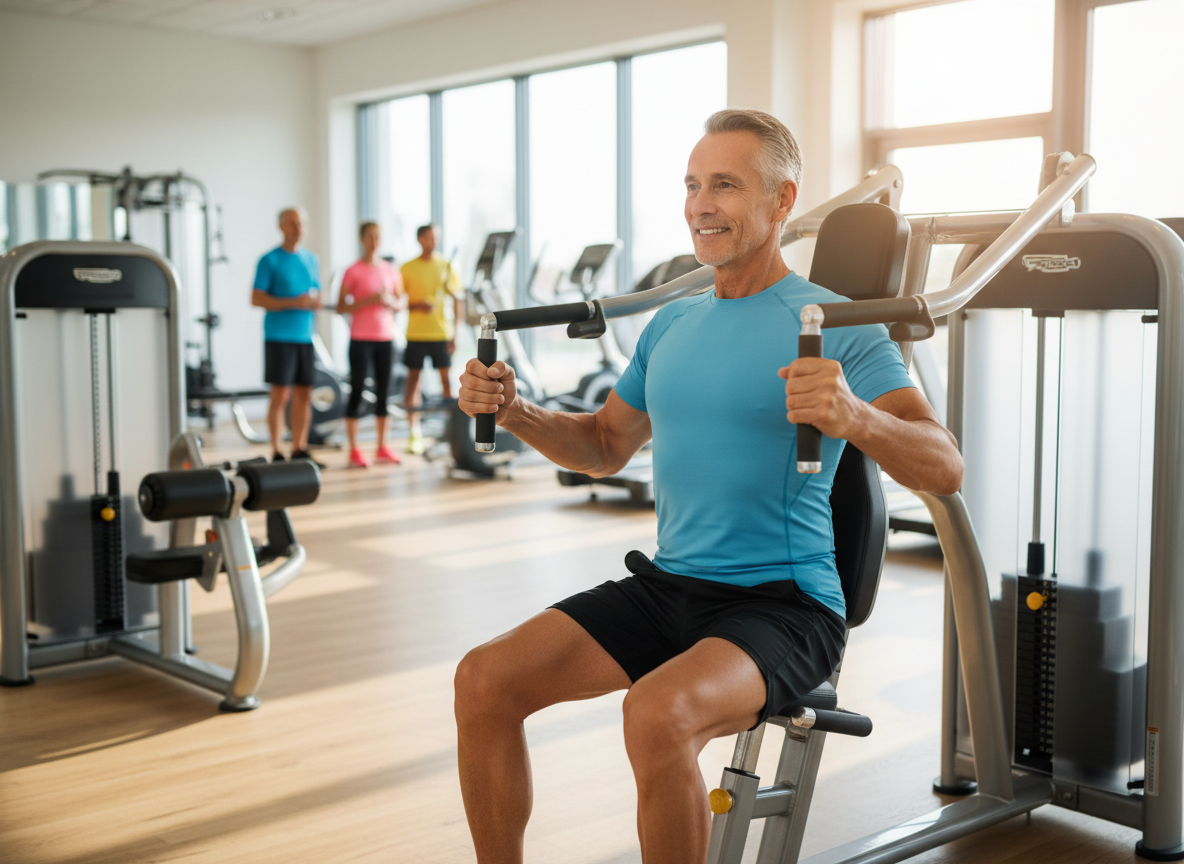
    Machines, cables, free weights, and bodyweight exercises can all work. Machines can be especially convenient because they provide stability and let you concentrate on producing force with the muscles you are training.

    4. Progress does not always mean adding more weight

    Progress can mean one more good repetition, better control, a better range of motion, or making the same weight feel easier. Those are real improvements.

    When you can consistently perform your target repetitions with good form, a small increase in resistance may be appropriate. There is no prize for forcing the weight up before you are ready.

    5. Give recovery the same respect as training

    The workout provides the stimulus. Your body needs recovery to respond to it. Sleep, adequate food, enough protein, and rest between hard sessions all matter.

    If you are constantly exhausted, adding more training is not automatically the answer. Sometimes improving recovery is the better move.

    6. Do not use soreness as your scorecard

    You do not have to be extremely sore for a workout to be productive. If every workout leaves you struggling to move for several days, consistency becomes harder.

    I would rather have a challenging workout that I can recover from and repeat than chase soreness just to feel like I worked hard.

    7. Track your progress

    Write down the exercise, resistance, repetitions, and anything important about how it felt. You do not need a complicated spreadsheet.

    After several weeks, those notes can show you something your memory cannot: whether you are actually doing more, controlling the movement better, or handling exercises that once felt difficult.

    A simple week can be enough

    You do not need a dozen exercises for every body part. A straightforward routine that covers the major muscles and gives you enough recovery can be very effective.

    • Lower body: leg press or another comfortable squat pattern, leg curl, leg extension, and calves.
    • Upper body: chest press, row, pulldown, comfortable shoulder work, and a few arm exercises.
    • Core: choose exercises that you can perform comfortably and consistently.
    • Progression: gradually improve repetitions, control, range of motion, or resistance.

    Common Questions

    What strength habits matter most after 60?
    The big ones are consistency, progressive resistance, good form, recovery, and training the muscles you rely on for everyday movement.

    Why does strength training matter more after 60?
    Maintaining strength can help you stay mobile, handle daily tasks, support balance, and remain independent.

    What are the 7 strength habits to focus on after 60?
    Make strength training regular, train your major muscle groups, challenge your muscles gradually, use good form, include functional movements, recover properly, and stay consistent.

    How often should you strength train after 60?
    For many adults, two or more strength sessions per week can be a practical goal, with recovery between challenging workouts.

    Do you need a gym to build strength after 60?
    No. Bodyweight exercises, resistance bands, dumbbells, and everyday movements such as squats and step-ups can all be useful.

    Should you lift heavy weights after 60?
    Not necessarily. The goal is to use enough resistance to challenge your muscles while maintaining control and good technique.

    Why is consistency more important than doing a perfect workout after 60?
    Strength improves through repeated practice. A manageable routine you actually stick with is more useful than an occasional hard workout.

    How should you progress your strength workouts after 60?
    When an exercise becomes easier with good form, gradually increase resistance, repetitions, or difficulty rather than making a big jump.

    How important is recovery after strength training after 60?
    Recovery matters. Give your muscles time to repair, prioritize sleep and nutrition, and avoid turning every workout into an all-out effort.

    Can you still build muscle and strength after 60?
    Yes. Starting later doesn’t mean you can’t make meaningful improvements in strength and physical function.

    A gentle health note: Start at a level appropriate for your fitness and experience. If you have significant pain, balance problems, or a medical condition that affects exercise, consider talking with a healthcare professional before starting a new strength routine.

    My take after 60

    I still want my workouts to challenge me. I just do not believe every workout needs to leave me feeling wrecked. I want to train, recover, come back, and make another small improvement.

    If you are over 60 and starting—or starting again—keep it simple. Train the major muscles, use resistance you can control, gradually ask your body to do a little more, and give yourself enough recovery to adapt.

    Getting older changes some of the rules. It does not mean you stop getting stronger.

    This article is based on personal experience and general fitness information, not medical advice. If you have an injury, medical condition, or significant pain, talk with a qualified healthcare professional about exercise that is appropriate for you.

    Strong After Sixty book cover

    Strong After Sixty: The Complete Strength and Fitness Guide for Men Over 60 – Build Lean Muscle, Protect Your Joints, Boost Your Daily Energy Levels, and Stay Physically Strong, Capable

    by Dr Robert Dalton (Author)

    Check here: https://amzn.to/47yDK8t

    Affiliate Disclosure: Some links in this post may be affiliate links. If you purchase something through one of these links, Well After 50 may earn a small commission at no extra cost to you. This helps support the site and allows us to continue creating helpful content.

    Written by Tom Green, creator of Well After 50

    Tom is the creator of Well After 50, focused on practical skincare, wellness, fitness, and healthy-aging ideas after 50.


    Keep Reading

  • How to Build Muscle After 60 Without Getting Hurt

    How to Build Muscle After 60 Without Getting Hurt

    Building muscle after 60 is possible, but I do not think the smartest approach is pretending you are 25. The goal is progressive resistance training that challenges the muscles enough to adapt while giving the rest of your body enough time to recover.

    That sounds less exciting than “train harder,” but it is much more useful if you want to still be training months and years from now.

    What actually builds muscle

    Muscles respond to resistance, effort and repeated training. You do not need a specific brand of equipment. Machines, cables, dumbbells and other resistance exercises can all be useful when they are appropriate for you.

    Start with a weight you can control

    The right starting weight is not the heaviest weight you can move once. It is resistance that lets you perform the exercise with controlled technique for your target repetitions.

    If you have to swing, jerk or twist to finish the set, the weight may be asking more from your joints and technique than the target muscle.

    Progress gradually

    Progress can mean adding a little resistance, getting another good repetition, improving control or using a comfortable range of motion. You do not have to increase everything every workout.

    Write down your exercises, resistance and repetitions. A training log makes progress much easier to see.

    Train the whole body

    A balanced program should include lower-body work, pushing, pulling and appropriate core training. If appearance is part of your goal, you can add more work for areas you want to develop.

    Recovery is part of muscle building

    The workout is the stimulus. Recovery is when your body has an opportunity to respond. Sleep, adequate nutrition and rest between hard sessions matter.

    More workouts are not automatically more muscle. If performance keeps falling and soreness never clears, it may be time to look at recovery.

    Don’t make injury prevention mean “easy”

    Training safely does not mean training timidly. It means choosing movements you can control, respecting your limitations and progressing in a way your body can handle.

    Machines can be a very good tool

    I like machines for some exercises because they provide stability and let me concentrate on producing force with the intended muscles. Free weights can also work well. The best tool is the one that lets you train consistently and appropriately.

    Common Questions

    Can you still build muscle after 60?
    Yes. Adults can build strength and muscle after 60 with consistent resistance training, adequate recovery, and good nutrition.

    How do you build muscle after 60 without getting hurt?
    Start at an appropriate level, use controlled movements and good form, increase resistance gradually, and give your muscles time to recover.

    How often should you strength train after 60?
    Many people can benefit from strength training about two or more days a week, with recovery between challenging sessions.

    Should you lift heavy weights after 60?
    You don’t have to start heavy. Begin with a manageable resistance and gradually increase the challenge as your strength improves.

    What exercises are best for building muscle after 60?
    Focus on major muscle groups with movements such as squats or sit-to-stands, rows, presses, hip hinges, and other exercises you can perform safely and with good form.

    How important is proper form after 60?
    Very important. Controlled, comfortable movements and good technique can help you train effectively while reducing unnecessary strain.

    How quickly should you increase weights after 60?
    Progress gradually. When an exercise becomes consistently comfortable with good form, a small increase in resistance may be appropriate.

    How much protein do you need to build muscle after 60?
    Protein needs vary by person, body size, activity, and health status. Getting enough protein throughout the day can support muscle maintenance and growth.

    How much rest do you need after strength training after 60?
    Recovery is part of the workout. Give the muscles you’re training time to recover rather than working them hard every day.

    What is the safest way to start building muscle after 60?
    Start manageable → learn the movement → use good form → progress slowly → recover → stay consistent.

    Practical takeaway: You don’t need to prove how much you can lift. After 60, the goal is to challenge your muscles enough to get stronger while giving your body time to adapt.

    A gentle health note: If you’re new to strength training, have significant joint or muscle pain, dizziness, balance problems, or a medical condition that affects exercise, consider talking with a healthcare professional before starting or substantially increasing your workouts. Stop an exercise that causes sharp or unusual pain.

    My bottom line

    After 60, I still want challenging workouts. I just want those workouts to move me forward instead of keeping me injured. Build gradually, eat well, recover and keep showing up.

    Exercise should be adapted to your health, injuries and abilities. This is general fitness information, not individualized medical advice.


    Eat for Strength for Women Over 50: Build Muscle, Burn Fat & Boost Energy (Strong After 50: A Women’s Guide to Strength, Wellness & Vitality)

    by Jeanne Phares (Author) Format: Paperback

    https://amzn.to/4dy5sGb

    Disclosure: Some links in this article are affiliate links. If you purchase through one of these links, Well After 50 may earn a commission at no additional cost to you.

    About Tom Green

    Written by Tom Green, creator of Well After 50. Tom shares practical, straightforward ideas about skincare, fitness, nutrition, wellness and healthy aging after 50.

  • How Much Protein Do You Need After 50?

    How Much Protein Do You Need After 50?

    You probably don’t need to become a human calculator to figure out how much protein you should eat. Fortunately, there’s a much easier way.

    As we get older, getting enough protein becomes increasingly important for helping maintain muscle, strength, and the body tissue we’ve worked pretty hard to keep.

    But how much is enough?

    Start With Your Weight

    One simple way to estimate your protein needs is to start with your body weight.

    For older adults who want to maintain muscle, a commonly used target is around 1.0–1.2 grams of protein per kilogram of body weight per day. Someone who is strength training and specifically trying to support muscle may need more, depending on their circumstances.

    Step 1: Find your weight in kilograms

    Take your weight in pounds and divide it by 2.2.

    For example:

    160 pounds ÷ 2.2 = about 73 kilograms

    Step 2: Multiply by your protein target

    If you use 1.2 grams per kilogram:

    73 × 1.2 = about 88 grams of protein per day

    So someone weighing 160 pounds could use roughly 88 grams of protein a day as a practical starting point.

    Here’s a Handy Cheat Sheet

    • 120 pounds: about 65 grams/day
    • 140 pounds: about 76 grams/day
    • 160 pounds: about 88 grams/day
    • 180 pounds: about 98 grams/day
    • 200 pounds: about 109 grams/day

    These are estimates—not a prescription carved into stone. Your age, activity level, health, goals, and medical conditions can all affect how much protein is appropriate.

    Don’t Eat It All at Dinner

    If your daily goal is around 90 grams, you don’t have to stare at a giant steak at 8 p.m. and think, “Well, I guess we’re doing this.”

    Spread your protein throughout the day.

    Breakfast: 25 grams
    Lunch: 25 grams
    Dinner: 30 grams
    Snack: 10 grams

    That’s about 90 grams without having to eat a mountain of food at one sitting.

    What Counts as Protein?

    Protein doesn’t have to mean grilled chicken three times a day.

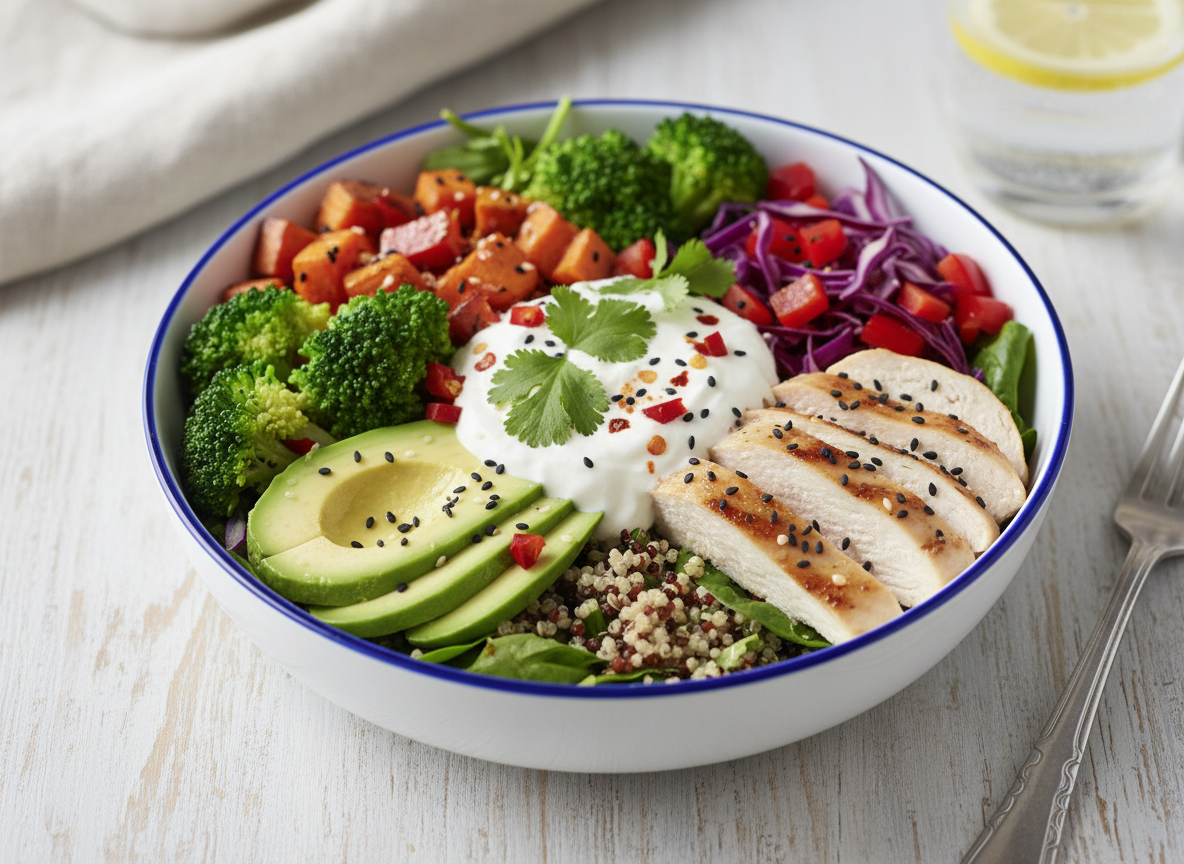
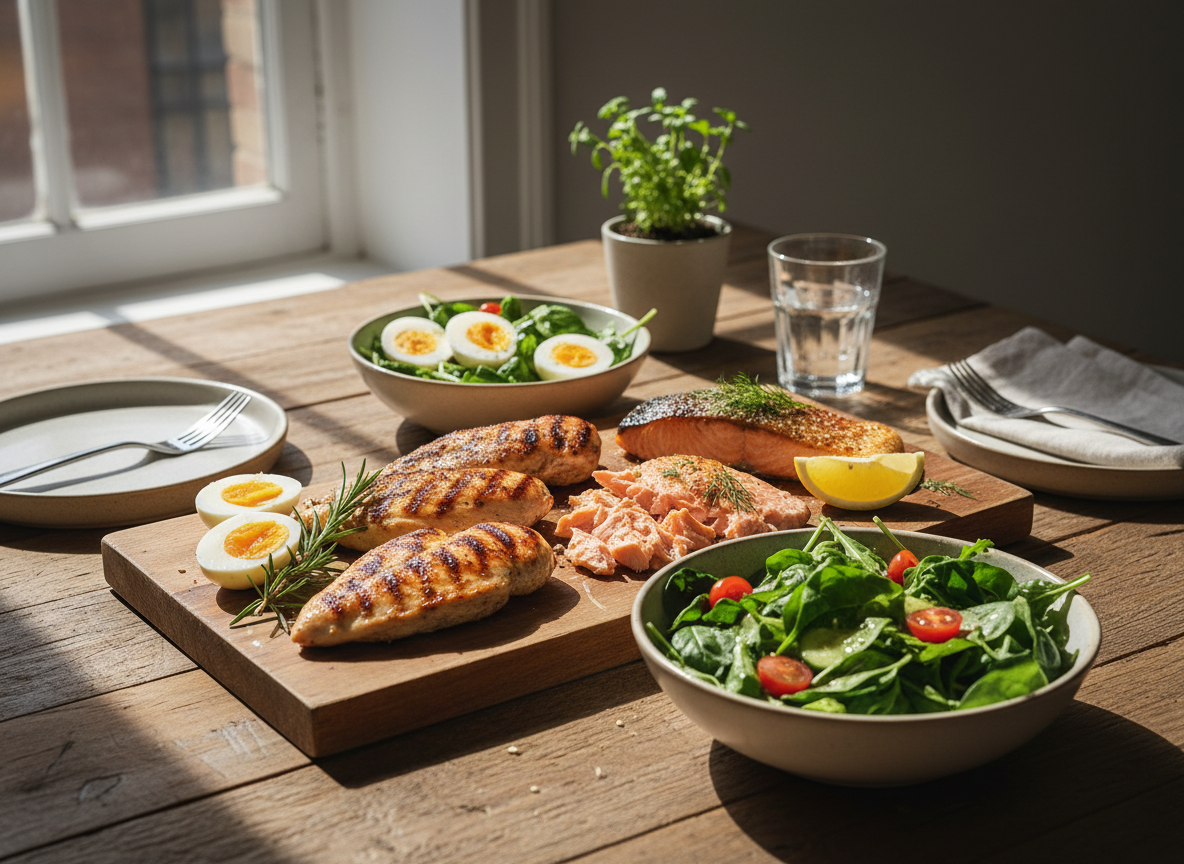
    Eggs, Greek yogurt, cottage cheese, fish, chicken, turkey, lean meat, milk, beans, lentils, tofu, and protein drinks can all contribute.

    Your muscles aren’t sitting there with a clipboard saying, “Sorry, we only accept chicken.”

    Why Does Protein Matter More as We Get Older?

    Maintaining muscle becomes increasingly important with age. Muscle helps with everyday things we may take for granted—getting out of a chair, climbing stairs, carrying groceries, maintaining balance, and staying independent.

    That’s why protein and strength training make such a useful team.

    Protein supplies the building material. Resistance exercise gives your muscles a reason to use it.

    You don’t have to become a bodybuilder. You just want to give your body a reason to hang on to the muscle you’ve got—and, when possible, build some more.

    The Bottom Line

    If you’re over 50 and wondering how much protein you should eat, start with this simple calculation:

    Your weight in pounds ÷ 2.2 = kilograms

    Then:

    Kilograms × 1.2 = approximately 1 day’s protein target in grams

    For a 160-pound person, that’s about 88 grams of protein per day.

    It’s a starting point—not a one-size-fits-all rule.

    If you have kidney disease or another medical condition that affects protein intake, talk with your healthcare professional before deliberately increasing your protein.

    The goal isn’t to obsess over every gram. It’s to make sure protein doesn’t accidentally become the missing piece of your healthy-aging puzzle.

    Common Questions

    How much protein do you need after 50?
    Protein needs vary by body size, activity level, health, and individual goals. Many 50+ adults may benefit from getting more protein than the basic minimum, particularly if they want to maintain muscle.

    Why is protein important after 50?
    Protein helps maintain and repair muscle and supports many other functions in the body. Getting enough becomes increasingly important as maintaining muscle can become more challenging with age.

    Is protein important if you exercise after 50?
    Yes. Resistance training combined with adequate protein can support muscle maintenance and growth.

    Should you eat protein throughout the day?
    Spreading protein across meals can be a practical way to consistently get enough rather than trying to consume most of it at one meal.

    What are good sources of protein after 50?
    Good options include eggs, fish, poultry, lean meats, Greek yogurt, cottage cheese, beans, lentils, tofu, and other protein-rich foods.

    Can you get too much protein?
    More isn’t automatically better. Your appropriate intake depends on your individual circumstances, and people with certain kidney or other health conditions should discuss protein intake with a healthcare professional.

    Because after 50, “eat your protein” may be some of the most useful advice your muscles ever hear.

    General nutrition information for educational purposes; not individualized medical advice.

    Orgain plant-based protein powder in vanilla bean flavor

    Orgain Organic Vegan 21g Protein + Superfoods Powder, Vanilla Bean, 2.02lb

    Plant based protein, 50 superfoods, 8g prebiotic fiber, gluten free, no added sugar, non-GMO, no lactose ingredients

    Great brand and choice here > https://amzn.to/47vC0Ne

    Practical takeaway: You do not need to overhaul your life to make a useful change. Start with one realistic step, give it time, and build from there.

    A gentle well-being note: This article is for general information and is not a substitute for professional medical advice. If you have persistent, severe, or worsening symptoms, talk with a qualified healthcare professional.

    Affiliate Disclosure: Some links in this post may be affiliate links. If you purchase something through one of these links, Well After 50 may earn a small commission at no extra cost to you. This helps support the site and allows us to continue creating helpful content.

    Keep Reading

    Written by Tom Green, creator of Well After 50

    Tom is the creator of Well After 50, focused on practical skincare, wellness, fitness, and healthy-aging ideas after 50.

  • Best Diet for Women Over 50: What to Eat for Energy, Muscle and Healthy Aging

    Best Diet for Women Over 50: What to Eat for Energy, Muscle and Healthy Aging

    Turning 50 doesn’t mean you need a complicated diet. In fact, the best way to eat after 50 may be much simpler: build meals around foods that help you maintain muscle, support your bones, get enough fiber and keep your energy steady.

    And no—you don’t have to give up everything you enjoy. Healthy eating after 50 is about what you eat most of the time, not being perfect.

    What changes about eating after 50?

    As we get older, getting enough nutrients can become more important. The National Institute on Aging recommends a varied eating pattern that includes vegetables, fruits, grains, protein foods, dairy or fortified alternatives and healthy fats. Good nutrition can support healthy aging, muscle, bones and independence.

    1. Put protein on your plate

    Protein helps your body build and repair tissues. Getting protein regularly throughout the day is also one practical way to support muscle as you age.

    Easy choices include:

    • Salmon, tuna, trout and other seafood
    • Chicken or turkey
    • Eggs
    • Greek yogurt and cottage cheese
    • Beans, lentils and chickpeas
    • Tofu and other soy foods
    • Nuts and seeds

    You don’t have to eat meat to get protein. Beans, lentils, soy foods, dairy, eggs, nuts and seeds can all contribute.

    2. Make vegetables and fruit regulars—not decorations

    Colorful produce provides fiber, vitamins, minerals and other nutrients. Instead of worrying about one “superfood,” aim for variety.

    Try berries, apples, oranges, spinach, broccoli, peppers, tomatoes, carrots, sweet potatoes, Brussels sprouts or whatever you actually enjoy eating.

    3. Get serious about fiber

    Fiber is found in plant foods such as vegetables, fruit, beans, nuts, seeds and whole grains. It can help keep digestion moving and may help with cholesterol and blood sugar.

    If your diet is low in fiber now, increase it gradually and drink enough fluids. A sudden jump in high-fiber foods can leave you feeling more bloated rather than better.

    4. Don’t overlook calcium and vitamin D

    Bone health deserves attention as we age. Calcium-rich foods include milk, yogurt, cheese, calcium-fortified beverages, tofu made with calcium, and some fish such as canned sardines or salmon with bones.

    Vitamin D is found naturally in a smaller number of foods and is added to some fortified foods. Whether you need a supplement depends on your diet, health and individual circumstances, so it’s worth asking your healthcare professional if you’re concerned about your intake.

    5. Include healthy fats

    Healthy eating doesn’t mean avoiding all fat. Foods such as olive oil, avocados, nuts, seeds and fish can fit into a balanced eating pattern.

    Instead of obsessing over one ingredient, look at the whole meal. A piece of salmon with vegetables and a whole grain is a very different meal from a highly processed food that happens to advertise one “healthy” ingredient on the package.

    6. Remember vitamin B12

    Vitamin B12 is another nutrient worth knowing about as you get older. It occurs naturally in animal foods and is also added to some fortified foods. Some people have trouble absorbing enough B12 from food, so if you have concerns, ask your healthcare professional whether testing or a supplement makes sense for you.

    7. Drink enough fluids

    Water is easy to overlook, especially when you’re busy. Drinking fluids throughout the day helps you stay hydrated and supports normal digestion. Water is a simple everyday choice, and replacing sugary drinks with water can also cut down on added sugar.

    8. Foods to eat less often—not foods you can never have

    You don’t need a forbidden-food list. A healthier approach is to eat highly processed foods, sugary drinks and foods high in sodium or saturated fat less often, while making nutrient-rich foods the foundation of your meals.

    And yes, you can still have dessert. One cookie isn’t going to undo a week of good choices.

    A simple 3-day eating plan after 50

    Day 1

    • Breakfast: Greek yogurt, berries and a handful of nuts
    • Lunch: Salmon or chicken salad with plenty of vegetables
    • Snack: Apple with peanut butter
    • Dinner: Chicken stir-fry with broccoli and brown rice

    Day 2

    • Breakfast: Oatmeal topped with blueberries, walnuts and yogurt
    • Lunch: Lentil soup with a side salad
    • Snack: Cottage cheese and fruit
    • Dinner: Baked fish, roasted vegetables and a sweet potato

    Day 3

    • Breakfast: Vegetable omelet with whole-grain toast
    • Lunch: Turkey or tofu wrap with spinach and hummus
    • Snack: Nuts and fruit
    • Dinner: Bean, chicken or tofu bowl with vegetables, avocado and a whole grain

    The easiest way to build a better meal

    When you don’t know what to make, start with four questions:

    • Where is my protein?
    • Where are my vegetables or fruit?
    • Where is my fiber-rich carbohydrate?
    • What healthy fat could round this out?

    That simple checklist can turn an ordinary meal into a more balanced one without counting every calorie or following a rigid diet.

    Healthy eating after 50 is not about eating perfectly

    The goal isn’t to find a magic “women over 50 diet.” It’s to create an eating pattern you can actually live with.

    Eat a variety of foods. Get enough protein. Choose plenty of plants. Pay attention to calcium, vitamin D and B12. Drink water. Keep highly processed foods from taking over your plate. And leave room for the foods that make life enjoyable.

    Your turn

    What is one food you started eating more of after 50 that made you feel better—or simply made healthy eating easier? Tell us in the comments. Your idea might help someone else.

    Helpful source: The National Institute on Aging’s guidance on healthy eating as you age provides additional information about food groups, protein, fiber, hydration and meal planning.

    https://amzn.to/4rBpjtM #ad

    Common Questions About Diet After 50

    What should women eat after 50 for healthy aging?

    A balanced eating pattern with adequate protein, vegetables, fruits, whole grains and other nutrient-dense foods can support energy and overall health.

    Do women need more protein after 50?

    Protein needs depend on body size, activity, health and goals, but adequate protein becomes particularly useful for maintaining muscle as we age.

    Disclosure: Some links in this article are affiliate links. If you purchase through one of these links, Well After 50 may earn a commission at no additional cost to you.

    About Tom Green

    Written by Tom Green, creator of Well After 50. Tom shares practical, straightforward ideas about skincare, fitness, nutrition, wellness and healthy aging after 50.

  • 7 Things to Know About Collagen Supplements and Menopause

    7 Things to Know About Collagen Supplements and Menopause

    If you’re over 50, you’ve probably

    noticed that your skin doesn’t behave quite the way it used to. Maybe your face feels drier. Maybe the skin on your arms looks a little more crepey. Perhaps your joints complain more after a long walk or workout.

    And then there’s collagen. It’s suddenly everywhere—powders, capsules, gummies, drinks and even coffee creamers promising healthier-looking skin, stronger joints and a more youthful appearance.

    But does taking collagen actually make a difference after menopause?

    It might—but probably not in the way the advertisements make it sound.

    Collagen supplements have been studied for skin health and musculoskeletal health, and some research has found encouraging results. At the same time, the evidence isn’t strong enough to consider collagen a miracle supplement. So before you spend your money, here are 7 things worth knowing about collagen after 50.

    1. Menopause can change your skin—and collagen is part of the story

    Estrogen affects many tissues in the body, including the skin. As estrogen levels decline during and after menopause, changes in skin thickness, elasticity, moisture and collagen can become more noticeable.

    • More dryness
    • Fine lines becoming more obvious
    • Less firmness
    • Crepey-looking skin
    • Slower recovery from irritation or damage

    That doesn’t mean menopause is suddenly “destroying” your skin. Aging, genetics, sun exposure, nutrition and lifestyle all play a role, too.

    And this is where collagen gets interesting. Your body naturally produces collagen, but production changes as you age. The question is whether consuming collagen peptides can give your body useful building blocks that may support some of these tissues.

    Research suggests there may be a benefit—but expectations matter.

    2. Drinking collagen doesn’t send it straight to your wrinkles

    This is one of the biggest misunderstandings about collagen supplements.

    When you drink a collagen shake, your body doesn’t simply take that collagen and deliver it directly to your face. Your digestive system breaks collagen down into amino acids and small peptides. Your body then uses those building blocks where they’re needed.

    So think of collagen as raw material, not a wrinkle filler.

    That’s why a collagen supplement shouldn’t be viewed as the nutritional equivalent of getting a cosmetic treatment. Your body still has to do the work.

    3. There is some encouraging evidence for skin

    This is probably the most interesting part.

    Recent research has found that hydrolyzed collagen supplements may improve certain measures of skin health, including hydration and elasticity.

    A 2026 systematic review of randomized controlled trials found improvements in skin hydration and elasticity across many of the studies examined. Some studies also reported improvements in wrinkle measurements. However, the researchers noted that the studies varied considerably and that several had a high risk of bias.

    That’s an important detail.

    Promising doesn’t mean proven for everyone.

    You shouldn’t expect a collagen powder to erase wrinkles or make mature skin look twenty years younger. But if a supplement produces a modest improvement in hydration or elasticity, that could still be worthwhile to someone who is dealing with dry or less elastic skin.

    4. Collagen should not replace the protein you need after 50

    This is especially important.

    Collagen is protein, but it isn’t a complete protein. After 50, maintaining muscle becomes increasingly important because muscle helps us stay strong, active and independent.

    That’s why your overall protein intake matters far more than simply adding a scoop of collagen to your morning coffee.

    Think about foods such as:

    • Eggs
    • Greek yogurt
    • Fish
    • Chicken or turkey
    • Lean meats
    • Cottage cheese
    • Beans and lentils
    • Soy foods

    Collagen can be an addition to your diet, but it shouldn’t become your excuse to skip the protein-rich foods your muscles need.

    Your skin matters. Your muscles matter, too.

    5. What about joints and bones?

    This is another reason collagen gets so much attention from women over 50.

    Some research suggests collagen supplementation may have benefits for certain musculoskeletal conditions, including osteoarthritis symptoms and measures related to bone and muscle health.

    But don’t confuse that with a claim that collagen can prevent osteoporosis or rebuild weakened bones.

    It can’t replace the things we already know are important for maintaining bone and muscle health.

    Resistance training. Lifting weights or doing other resistance exercises gives your muscles—and your bones—a reason to stay strong.

    Weight-bearing activity. Walking, climbing stairs and other weight-bearing activities can contribute to a healthy active lifestyle.

    Adequate nutrition. Your body needs enough protein and a variety of vitamins and minerals.

    Good balance. Falls become a much bigger concern as we get older, so balance and leg strength deserve attention.

    If you’re concerned about osteoporosis or bone loss after menopause, talk with your healthcare professional about your individual risk and whether bone-density testing is appropriate.

    A scoop of collagen isn’t a substitute for that conversation.

    6. Don’t forget the collagen you already have

    Here’s something I wish more supplement advertisements talked about:

    Protect the collagen you already have.

    Sun exposure is one of the major contributors to visible skin aging. You can spend money on collagen powder every morning, but if you’re spending hours in the sun without protecting your skin, you’re working against yourself.

    A simple approach can help:

    • Use broad-spectrum sunscreen.
    • Wear a hat when you’re outside for extended periods.
    • Don’t intentionally tan.
    • Moisturize regularly.
    • Avoid unnecessarily harsh skincare products.
    • Eat a varied, nutrient-rich diet.

    And don’t underestimate sleep, exercise and hydration.

    There isn’t one magic ingredient that keeps us looking and feeling healthy after 50. It’s the collection of small things we do repeatedly.

    7. If you buy collagen, shop smarter—not harder

    Walk into a store or search online for collagen and you’ll find an overwhelming number of choices.

    Powders. Capsules. Gummies. Flavored drinks. Products mixed with biotin, vitamin C and a dozen other ingredients.

    You don’t necessarily need the fanciest container on the shelf.

    If you decide to try collagen, look for a product that clearly states what it contains and how much collagen you’re getting. Hydrolyzed collagen or collagen peptides are commonly used in research.

    • A clear ingredient list
    • Serving-size information
    • Allergen information
    • A reasonable amount of added sugar
    • Third-party testing when available

    And remember: more expensive doesn’t automatically mean better.

    So, Is Collagen Worth Trying After 50?

    Maybe.

    If you’re hoping for a dramatic transformation, you could easily be disappointed. If you’re looking at collagen as one small part of a bigger healthy-aging routine, the picture is more reasonable.

    Research suggests collagen supplements may help certain measures of skin health, particularly hydration and elasticity. There is also growing research into potential benefits for joints, muscles and bones.

    But the research isn’t a reason to abandon the basics.

    Eat well. Get enough protein. Strength train. Stay active. Protect your skin from the sun. Get enough sleep. Then consider whether a supplement makes sense for you.

    Collagen can be part of that picture. It just doesn’t need to be the star of the show.

    One More Thing About Getting Older

    There’s something else worth remembering.

    The goal isn’t to wake up one morning and somehow look 30 again.

    We’re not trying to erase every wrinkle, gray hair or change that comes with getting older.

    We’re trying to take good care of the body we have now.

    If collagen helps your skin feel a little better or supports something else you’re working on, great.

    But don’t let a supplement company convince you that getting older is a problem that needs to be fixed.

    Your 50s, 60s, 70s and beyond can still be years of strength, activity, confidence and plenty of new adventures.

    And that’s what healthy aging is really about.

    Quick Takeaway

    Collagen supplements may offer some benefits for skin and possibly other tissues, but they aren’t magic.

    Protect the collagen you already have, eat enough protein, exercise your muscles, take care of your skin and make thoughtful choices about supplements.

    That’s a much better long-term strategy than chasing the latest miracle powder.

    Frequently Asked Questions

    Does collagen help with menopause-related skin changes?

    It may help some aspects of skin health. Studies have reported improvements in measures such as hydration and elasticity, although results vary and the quality of the evidence isn’t perfect.

    Can collagen get rid of crepey skin?

    No supplement can guarantee that. Collagen may modestly improve certain skin measures, but crepey skin has many causes, including aging, sun exposure and loss of skin elasticity.

    Is collagen a complete protein?

    No. Collagen doesn’t contain all the essential amino acids in adequate proportions, so it shouldn’t replace other high-quality protein sources in your diet.

    Is collagen worth taking after 50?

    That’s an individual decision. If you choose to try it, have realistic expectations and consider it an addition to—not a replacement for—a healthy diet and active lifestyle.

    Can collagen strengthen bones?

    Research is investigating potential benefits, but collagen shouldn’t be considered a treatment for osteoporosis or a replacement for established approaches to bone health.

    How long does collagen take to work?

    There isn’t a guaranteed timeline. Studies use different collagen products, amounts and treatment periods, so individual results can vary.

    What should I look for in a collagen supplement?

    Look for clear labeling, a stated amount of hydrolyzed collagen or collagen peptides, allergen information and, when available, independent third-party testing.

    Sources & Further Reading

    Well After 50 provides practical health and wellness information for educational purposes. It is not a substitute for personalized medical advice.


    Vital Proteins Collagen Peptides Powder, Unflavored, 9.33oz

    Grass-Fed Collagen Peptides, Supports Hair Skin & Nails, Bones & Joints, 13 Servings Find it here>https://amzn.to/4xO7xoA #ad

    Disclosure: Some links in this article are affiliate links. If you purchase through one of these links, Well After 50 may earn a commission at no additional cost to you.

    Common Questions About Collagen Supplements and Menopause

    Do collagen supplements help skin after 50?

    Research on oral collagen suggests possible modest improvements in some skin measures, but results vary and supplements are not magic replacements for basic skincare.

    Is collagen worth taking during menopause?

    That depends on your goals, diet, budget and health. Check the evidence and discuss supplements with a healthcare professional if you have medical concerns.

    About Tom Green

    Written by Tom Green, creator of Well After 50. Tom shares practical, straightforward ideas about skincare, fitness, nutrition, wellness and healthy aging after 50.

  • Why Muscle Isn’t the Only Thing You Lose With Age

    Why Muscle Isn’t the Only Thing You Lose With Age

    When people talk about exercise after 50, muscle usually gets most of the attention. I understand why. Maintaining muscle matters. But muscle size isn’t the entire picture.

    Strength, balance, mobility, coordination and confidence all affect how easily you handle ordinary life. That is why I don’t want my workouts to be only about making my arms, chest or legs look bigger.

    Strength Is About What You Can Do

    Getting out of a chair, carrying groceries, climbing stairs, lifting something from the floor or catching yourself when you stumble all require different abilities working together.

    Looking better is a worthwhile goal. Being capable is the goal I don’t want to lose.

    Five Things Worth Training

    • Strength: Use resistance you can control with sound technique.
    • Legs: Appropriate squats, leg presses, step-ups or other lower-body movements build useful strength.
    • Pulling: Rows and similar exercises train the upper back and help balance a pressing-heavy routine.
    • Carrying: Safe loaded carries can challenge grip and whole-body stability.
    • Balance: Simple balance practice in a safe setting can be useful, especially as part of a broader program.

    Strength and Power Aren’t Identical

    Being strong doesn’t automatically mean being able to react quickly. Everyday life sometimes requires you to step over something, get up promptly or regain your balance. You don’t need reckless explosive workouts to work on this. Building a foundation of strength and practicing controlled movement is a sensible place to start.

    Harder Isn’t Automatically Better

    After 50, I don’t think a workout deserves extra credit because it leaves you destroyed. A program you can recover from and repeat is more useful than one that keeps you sore or sidelined.

    The Bigger Goal

    I want ordinary life to stay ordinary. I want stairs, groceries, walking, getting up and carrying things to remain manageable for as long as possible.

    Muscle helps. But the real payoff is having a body you can use.

    Common Questions

    What do you lose besides muscle as you get older?
    After 50, aging can affect bone strength, balance, mobility, cardiovascular fitness, flexibility, and recovery—not just muscle.

    Why is muscle loss a concern after 50?
    Muscle helps with strength, balance, everyday movement, and independence. Maintaining it becomes increasingly important as you age.

    Do you lose bone strength after 50?
    Bone density can decline with age, making resistance exercise, weight-bearing activity, adequate nutrition, and other healthy habits important.

    Can balance get worse after 50?
    Yes. Balance can change with age, but regular strength, walking, and balance exercises can help you stay capable and confident.

    Do you become less flexible after 50?
    Flexibility and joint mobility can decrease over time, especially when you don’t move regularly.

    Can cardiovascular fitness decline after 50?
    It can, particularly with inactivity. Walking, cycling, swimming, and other aerobic activities can help maintain fitness.

    Why is recovery different after 50?
    Your body may need more time to recover from demanding workouts as you age. Rest, sleep, nutrition, and gradually increasing exercise can help.

    What should adults 50+ do to protect more than just their muscles?
    Combine strength training with walking or other cardio, balance and mobility work, adequate protein and nutrition, good sleep, and regular movement.

    Is it too late to improve fitness after 50?
    No. You can build strength, improve fitness, and work on balance and mobility at many different ages.

    A gentle health note: Aging affects everyone differently. If you notice a sudden loss of strength, balance, mobility, or physical ability, don’t automatically assume it’s normal aging—talk with a healthcare professional.

    I’m sharing personal experience and general fitness information, not medical advice. Your program should account for your own health, injuries and abilities.


    LIST OF ITEMS I BELIVE WILL BENEFIT YOU.

    NAKED Pure Micronized Creatine Monohydrate Powder – NSF Certified, Unflavored, 500g, 1.1lb Bulk – Vegan, Non-GMO, Gluten-Free, Soy-Free, No Fillers, Supports Muscle Growth & Strength – 100 Servings

    30K sold https://amzn.to/4zfnNjD

    Garden of Life Organics Plant Calcium Supplement, 90 Count

    Magnesium & Vitamin D3 K2, Made from Whole Foods, Gluten-Free

    Check for % off https://amzn.to/4jtEiDW

    Check for discounts https://amzn.to/4ebwQtB

    Affiliate Disclosure: Some links in this article are affiliate links. If you purchase through one of these links, Well After 50 may earn a commission at no additional cost to you.

    About Tom Green

    Written by Tom Green, creator of Well After 50. Tom shares practical, straightforward ideas about skincare, fitness, nutrition, wellness and healthy aging after 50.

  • Building Muscle After 60: What Actually Works

    Building Muscle After 60: What Actually Works

    The biggest mistake I see in conversations about building muscle after 60 is treating injury prevention as the opposite of hard training. You can train seriously without treating every workout like a test of survival.

    For me, the goal is simple: get stronger, add or maintain muscle, and still be able to live my life between workouts.

    Start with a real warm-up

    A warm-up does not need to be a 30-minute production. I like gradually practicing the movements I am about to train, starting lighter and letting my body get ready for the heavier work.

    Five habits that make training more sustainable

    1. Use a range of motion you can control. A slightly shorter comfortable movement is better than forcing a position your body does not handle well.
    2. Progress gradually. Add resistance in small steps rather than making dramatic jumps because one workout felt easy.
    3. Keep your technique consistent. If the last repetitions turn into swinging, twisting or bouncing, the weight may be too heavy.
    4. Respect persistent pain. Normal effort and muscle fatigue are different from sharp or worsening pain.
    5. Give muscles time to recover. Training the same area hard again before it has recovered does not automatically produce faster growth.

    Machines can be useful

    Free weights are not automatically better. Machines can provide stability and make it easier to focus on the target muscles. Cables and dumbbells can be useful too. The right choice depends on the person, the movement and what can be performed safely.

    Hard training does not mean reckless training

    I want a workout to challenge me. I do not need every set to become a test of whether I can survive the last repetition. Good training gives you a reason to come back and improve again.

    Watch recovery as closely as the workout

    If your performance keeps dropping, soreness never settles or you feel run-down all the time, look at sleep, food, stress and training volume before simply adding more work.

    The goal is years, not one workout

    A workout that leaves you unable to train for two weeks is not a successful long-term strategy. I want training that helps me become stronger while still letting me walk, work, travel and enjoy the rest of my life.

    Common Questions

    Can you really build muscle after 60?
    Yes. People can build muscle and strength after 60 with consistent resistance training, adequate protein, recovery, and patience.

    What actually works for building muscle after 60?
    Regular strength training that challenges the major muscle groups, combined with enough protein, good nutrition, sleep, and recovery.

    How often should you strength train after 60?
    Many adults can make progress with strength training at least two days a week, allowing recovery between challenging workouts.

    Do you need to lift heavy weights to build muscle after 60?
    No. You can start with manageable resistance and gradually make exercises more challenging as your strength improves.

    How much protein do you need to build muscle after 60?
    Protein needs vary based on factors such as body size, activity level, and health. Getting adequate protein throughout the day can support muscle growth and maintenance.

    Can you build muscle with bodyweight exercises after 60?
    Yes. Exercises such as squats or sit-to-stands, push-ups against a wall or bench, and other bodyweight movements can provide useful resistance.

    How important is recovery when building muscle after 60?
    Very important. Muscles need time to recover and adapt after challenging workouts, so rest is part of the muscle-building process.

    How long does it take to build muscle after 60?
    Progress varies, but consistent training over several weeks and months can produce noticeable improvements in strength and physical function.

    Can you still build muscle if you didn’t exercise much before 60?
    Yes. Starting later is still worthwhile. Begin at a manageable level and build your routine gradually.

    What is the simplest muscle-building plan after 60?
    Strength train consistently → eat enough protein → challenge your muscles gradually → recover well → stay consistent.

    Practical takeaway: Building muscle after 60 isn’t about finding a magic exercise or lifting the heaviest weight possible. It’s about giving your muscles a consistent reason to get stronger and then giving your body time to adapt.

    A gentle health note: If you’re new to strength training, have significant pain, balance problems, dizziness, or a medical condition that affects exercise, consider talking wi

    General fitness information, not individualized medical advice. Exercise should be adapted to your health, injuries and abilities.


    Affiliate Disclosure: Some links in this post may be affiliate links. If you purchase something through one of these links, Well After 50 may earn a small commission at no extra cost to you. This helps support the site and allows us to continue creating helpful content.

    About Tom Green

    Written by Tom Green, creator of Well After 50. Tom shares practical, straightforward ideas about skincare, fitness, nutrition, wellness and healthy aging after 50.

  • The Over-50 Protein Guide: The Secret to Protecting Your Muscle and Energy

    The Over-50 Protein Guide: The Secret to Protecting Your Muscle and Energy

    Protein gets called a “secret” for a reason: people often underestimate how much their food choices matter when they are trying to maintain muscle as they get older. But protein is not magic, and more is not automatically better.

    For me, protein makes the most sense when it is part of the bigger picture: resistance training, enough total food, good sleep and a diet that provides more than one nutrient.

    Why protein matters after 50

    Your body uses protein to build and repair tissues. As we get older, maintaining muscle becomes increasingly important for strength and everyday function. Resistance training and adequate protein work together much better than either one by itself.

    Build meals around real food

    • Eggs, milk, cottage cheese and yogurt if you tolerate dairy.
    • Chicken, turkey, fish and lean meats.
    • Beans, lentils and other legumes.
    • Tofu, tempeh and other soy foods.
    • Protein-rich snacks when meals are spread far apart.

    Spread protein across the day

    Instead of eating almost all your protein at dinner, it can be practical to include a meaningful source at several meals. That makes it easier to reach an appropriate daily intake without turning one meal into a giant plate of food.

    Don’t forget the rest of the plate

    Protein does not replace vegetables, fruit, whole grains, healthy fats or enough total calories. If you are trying to gain muscle while chronically under-eating, simply adding a protein shake may not solve the bigger problem.

    Food first, supplements when useful

    A protein powder can be convenient. It is not mandatory. I look at supplements as a practical tool when normal meals do not make it easy to meet my needs.

    How much is enough?

    There is no single protein number that is right for every person. Body size, activity, goals and medical conditions matter. Someone with kidney disease or another condition requiring dietary restrictions should discuss appropriate intake with their clinician.

    Common Questions

    Why is protein so important after 50?
    Protein helps support muscle maintenance, strength, recovery, and many other functions as you age.

    How much protein do you need after 50?
    There isn’t one number that fits everyone. Needs depend on factors such as body size, activity level, goals, and health.

    Can eating enough protein help protect muscle after 50?
    Yes. Adequate protein combined with regular resistance exercise can help support muscle maintenance and growth.

    Can protein help you maintain your energy after 50?
    Protein provides calories and supports muscle, but feeling energetic also depends on sleep, overall nutrition, physical activity, hydration, and health.

    Should you spread protein throughout the day after 50?
    Including a meaningful source of protein at each meal can be a practical way to consistently meet your daily needs.

    What are good protein foods after 50?
    Options include eggs, fish, poultry, lean meats, Greek yogurt, cottage cheese, beans, lentils, tofu, and other protein-rich foods.

    Do you need protein powder after 50?
    No. Protein powder is optional. It can be convenient when getting enough protein from regular foods is difficult.

    Can you build muscle after 50 with protein alone?
    No. Protein supports muscle, but resistance training is also important for giving your muscles a reason to become stronger.

    Is too much protein better after 50?
    More isn’t automatically better. Your overall protein intake should fit your individual needs, diet, activity level, and health.

    What is the simplest protein strategy after 50?
    Include a good protein source at each meal → strength train regularly → eat a balanced diet → stay consistent.

    Practical takeaway: Don’t think of protein as a magic food. Think of it as one important part of protecting your muscle as you get older—especially when combined with strength training.

    A gentle health note: If you have kidney disease or another medica

    My bottom line

    Protein is important, but it works best as part of a complete plan. Lift, eat enough nutritious food, include protein regularly and give your body time to recover.

    General nutrition information, not individualized medical advice.


    Affiliate Disclosure: Some links in this post may be affiliate links. If you purchase something through one of these links, Well After 50 may earn a small commission at no extra cost to you. This helps support the site and allows us to continue creating helpful content.

    About Tom Green

    Written by Tom Green, creator of Well After 50. Tom shares practical, straightforward ideas about skincare, fitness, nutrition, wellness and healthy aging after 50.