Is your fitness watch making you feel worse instead of better?
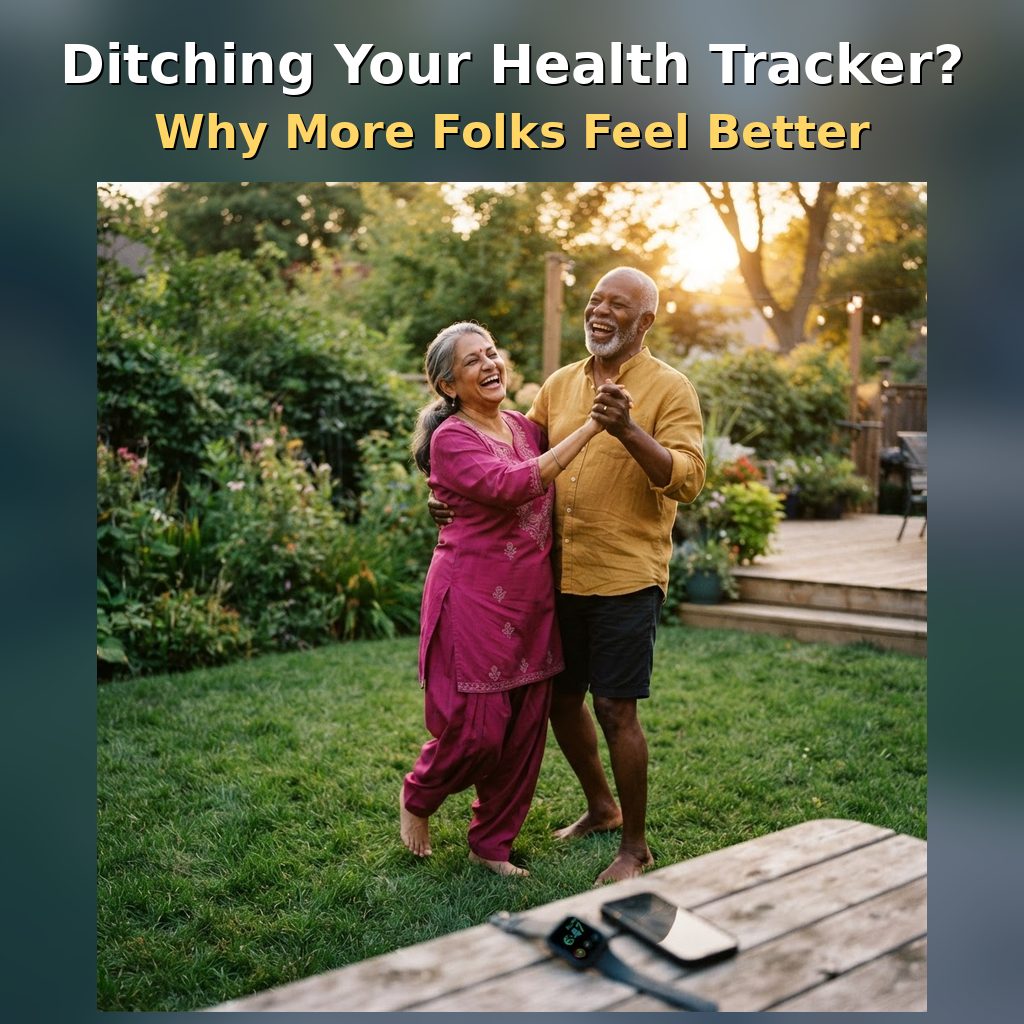
Short answer: For a lot of folks, it is. Sleep trackers guess wrong a good bit, the famous 10,000 steps started out as a sales pitch, and fretting over scores can actually wreck your sleep. Keep the few numbers your doctor cares about, like blood pressure, and try a week without the rest. You might be surprised how good you feel.
John Battelle helped start Wired magazine. If anybody on God’s green earth loves a gadget, it’s him.
So listen to what happened this past summer. He’d worn an Oura ring every day for about a year. Sleep scores, calorie counts, daily goals, the whole works. Then he left the charger at home, and the ring went dead.
He didn’t run out and buy a new charger. He just waited to see what would happen.
What happened was, he felt better. On his blog, he wrote that he felt lighter and less anxious with the ring off, and he believes he’s sleeping better without it than he did with it. Last he said, he wasn’t sure he’d ever put it back on.
Now, if a tech man like that can take the ring off and breathe easier, I reckon the rest of us can at least think about it.
How can a bad sleep score make you feel tired?
Picture this. You wake up feeling fine. Rested, even. You pour your coffee, glance at your wrist, and your watch says you scored a 62 on sleep.
And just like that, you’re dragging.
Nothing changed in your body. A little screen talked you out of a good morning. It happens so often that sleep doctors gave it a name: orthosomnia. That’s when chasing a perfect sleep score makes you sleep worse.
Sleep psychologist Dr. Kelly Baron came up with that word back in 2017. She had patients who trusted their wristband more than a real sleep test done in a lab. Some stayed in bed longer just to bump their score up, which is about the worst thing you can do for sleep. She’s said she’s watched people develop insomnia from worrying over what their tracker told them.
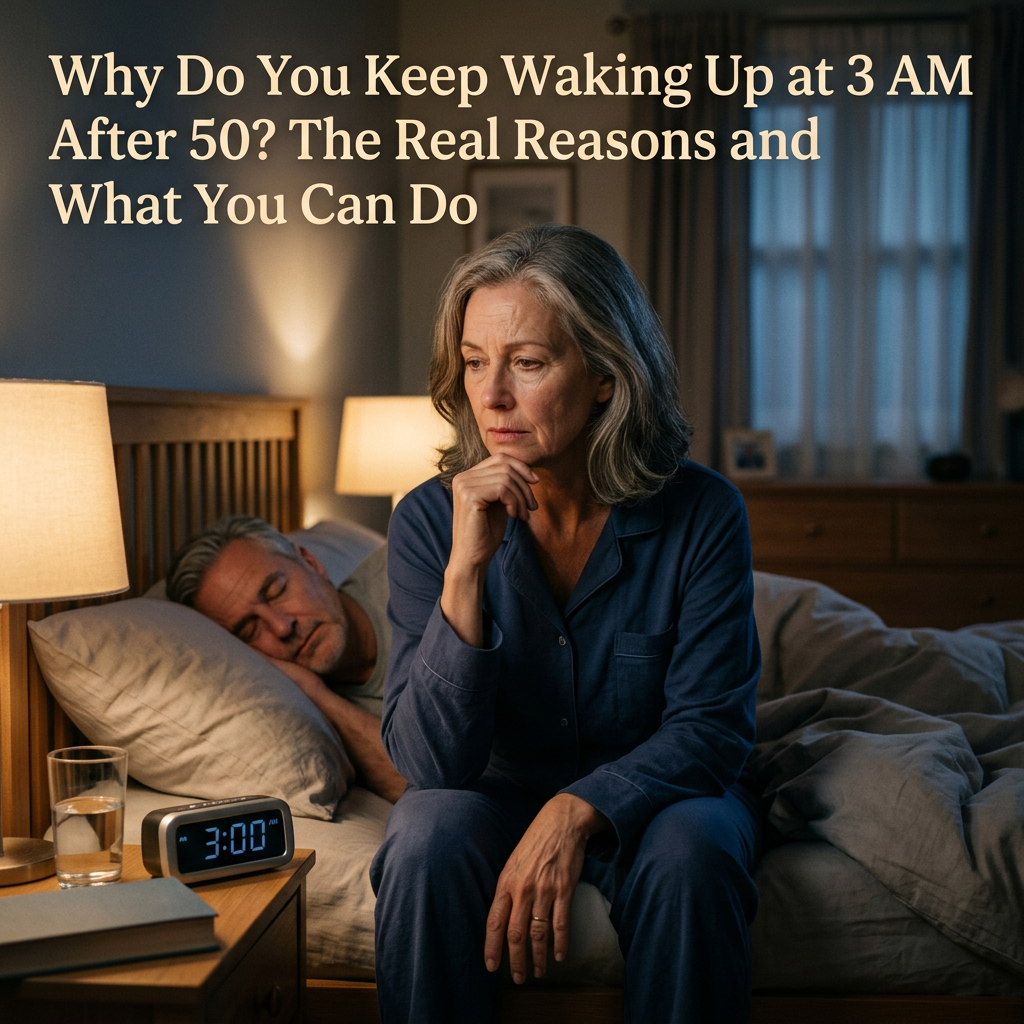
Here’s the kicker. According to the Sleep Foundation, one 2021 study found trackers only picked out deep sleep correctly about 59% of the time. So that 62 on your wrist? Could be nothing but a guess.
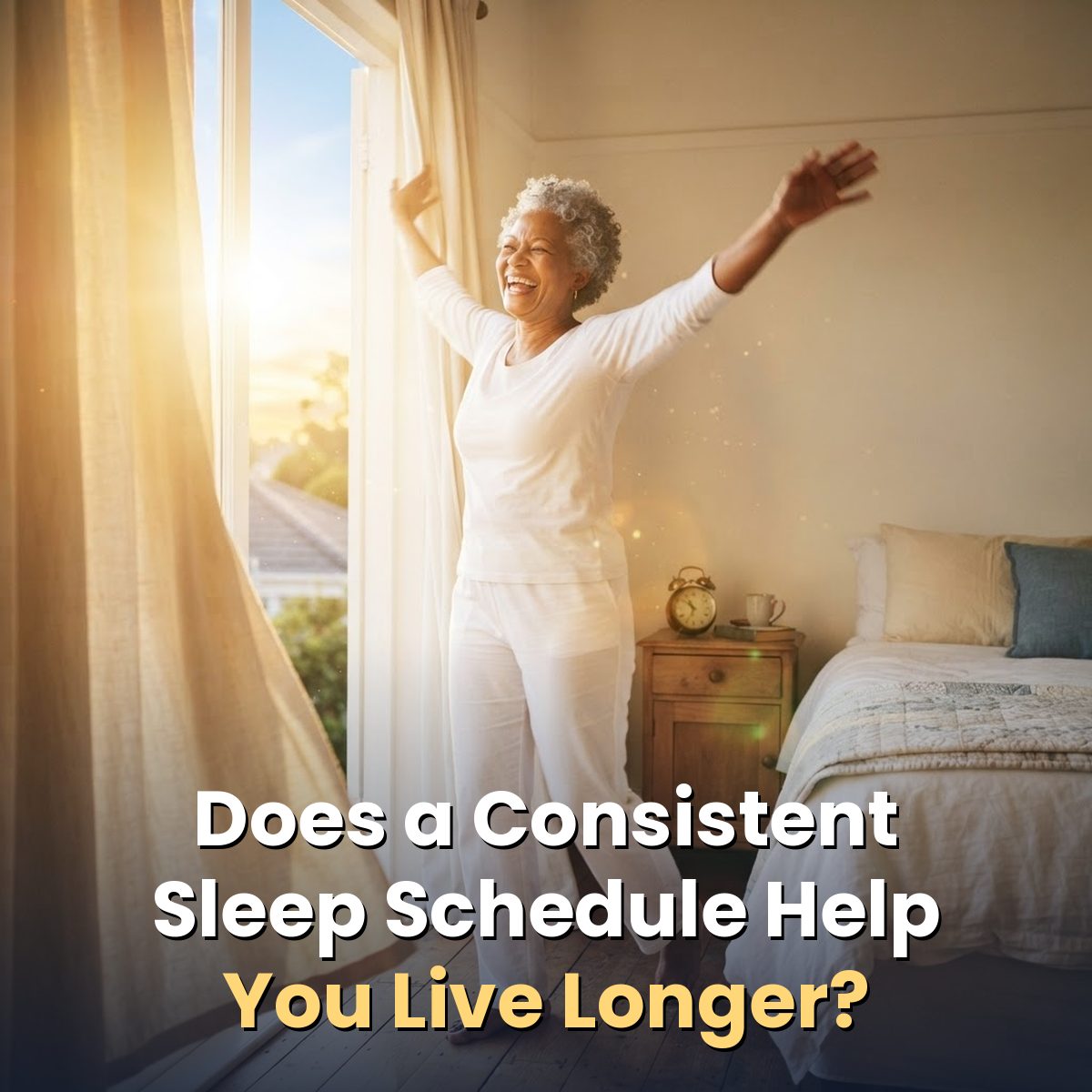
What really helps sleep hasn’t changed one bit. Same bedtime, same wake-up time, a cool dark room. And if you snore hard or wake up gasping, ask your doctor about sleep apnea. I went deeper on that in Could Your Sleep Schedule Affect How Long You Live?
Where did 10,000 steps a day even come from?
This one tickled me. That 10,000 number didn’t come from a doctor. It came from a gadget sale.
Back in 1965, a Japanese company put out one of the first pedometers and named it the manpo-kei, which means “10,000-step meter.” Harvard researcher Dr. I-Min Lee went digging, and she told Harvard Health the name was a marketing tool. She’s also said the Japanese character for 10,000 looks a little like a man walking. That’s it. That’s the whole science.
So she tested it. Her team followed more than 16,000 women who averaged about 72 years old. The ones walking around 4,400 steps a day lived longer than the ones under 2,700, and the benefits topped out around 7,500.
Then a big 2025 review out of the University of Sydney looked at 57 studies and more than 160,000 adults. Compared with folks taking about 2,000 steps a day, around 7,000 steps was tied to a 47% lower risk of dying early. Even 4,000 steps was tied to a 36% lower risk. Past about 7,000, the extra benefit mostly leveled off.
Lead researcher Professor Melody Ding put it best: shift the focus “from perfection to progress.” For about 60 years, folks have felt like failures for missing a number somebody picked because it looked good on a box.
Is your tracker helping you or running you?
Quick gut-check. Be honest now:
- Do you check your score before you check how you feel?
- Has a bad number ever spoiled a day you felt fine about?
- Have you ever walked laps around the kitchen at night just to close a ring?
- Do you feel a little guilty when the watch comes off?
- Have you skipped something fun because it would “mess up” your numbers?
Two or more yeses, and that gadget might be holding the reins. No shame in it. It just means it’s time to take them back.
Who else is telling folks to put the gadget down?
Battelle’s got plenty of company. The Global Wellness Summit, which puts out one of the best-known wellness trend reports around, named “The Over-Optimization Backlash” a big trend for 2026. Writer Jessica Smith says all that health data leaves a lot of people overwhelmed instead of healthier.
Bestselling author Brad Stulberg says one bad night or one missed walk isn’t the real problem. The problem is the worried spiral that comes after. In his essay “Optimization Culture is Making Us Fragile”, he’s got a line I’d put on a coffee mug: “Life isn’t meant to be optimized. It’s meant to be lived.”
And Oliver Burkeman, who wrote the bestseller Four Thousand Weeks, says in Meditations for Mortals that if you keep optimizing everything, you can optimize away the very things that make life worth living.
Our grandparents never counted a step in their lives. They knew when they were tired, hungry or needed to get up and move. Somewhere along the way, a lot of us handed that job to a gadget. I reckon it’s about time we took it back.
What health numbers are still worth keeping?
Now, I’m not telling you to fly blind. A few numbers really do matter:
- Your blood pressure. The U.S. Preventive Services Task Force and the American Heart Association both recommend checking it at home. Use an upper-arm cuff that fits, sit quiet a few minutes first, and keep your feet flat on the floor.
- Anything your doctor asks you to track, like blood sugar or your weight with heart failure. Don’t quit those.
- Real changes in how you feel. New chest pain, shortness of breath, dizziness or a fall matter more than any score on your wrist. Call your doctor.
And if your step counter is what gets you off the couch, keep it. A tool’s only a problem when it starts running you.
How do you try life without a tracker?
Do what Battelle did, just on purpose. Here’s a 7-day experiment. It costs nothing, and you can strap the watch back on next Sunday if you miss it.
- Day 1: Ask yourself first. Before you look at any score, ask “How do I feel?”
- Day 2: Kill the buzzing. Turn off the alerts, rings and daily scores.
- Day 3: Walk by the clock, not the count. Take a 20-minute walk and don’t check the steps.
- Day 4: Call somebody to walk with you. A friend beats any step goal, and you’ll actually show up.
- Day 5: Same bedtime. No score. Just a steady bedtime.
- Day 6: Take the watch off all day. Notice how you sleep, move and feel.
- Day 7: Look back. Worse, the same, or better? That’s the only score that counts.
Like the old saying goes, a watched pot never boils. Some things just go better when you quit staring at them.
Common Questions
Can a fitness tracker make you feel worse?
Yes, for some people. Worrying over sleep and activity scores can raise anxiety and even hurt sleep. Sleep experts call it orthosomnia.
Where did the 10,000 steps a day goal come from?
A 1965 Japanese pedometer called the manpo-kei, or “10,000-step meter.” Harvard researchers say the name was a marketing tool, not science.
How many steps a day do you really need?
About 7,000 steps a day was linked to a 47% lower risk of early death in a 2025 review of 57 studies. Even 4,000 steps helped.
Are sleep trackers accurate?
Not very for sleep stages. One 2021 study found trackers picked out deep sleep correctly only about 59% of the time.
Should older adults check blood pressure at home?
Yes. Home checks with a fitted upper-arm cuff are recommended by the U.S. Preventive Services Task Force and the American Heart Association.
So tell me, y’all: does your tracker help you or just nag you? Try the 7-day experiment and come back and tell me how it went in the comments.
— Tom
About Tom Green
Tom Green writes Well After 50. He was born in Pell City, Alabama, in 1962, and he’s a country boy and a true Southerner through and through. He’s a regular, laid-back 64-year-old who keeps things simple and passes along what he learns about getting older. Tom isn’t a doctor. He reads up on the research and shares what’s useful, plain and simple. Read more about Tom.
Health note: This article is for general education and isn’t medical advice. Don’t stop tracking anything your doctor has asked you to monitor, and call your doctor about new symptoms instead of relying on a device.
Research & Sources
- Baron et al. 2017, Orthosomnia: Are Some Patients Taking the Quantified Self Too Far? (Journal of Clinical Sleep Medicine)
- The potential dangers of sleep trackers, according to sleep experts (KSL, interview with Dr. Kelly Baron)
- No, you don’t need 10,000 steps a day (Popular Science, interview with Dr. I-Min Lee)
- Ding et al. 2025, daily steps and health outcomes meta-analysis (Lancet Public Health), via ScienceDaily
- Home Blood Pressure Monitoring (American Family Physician, 2021)