
Tag: lifestyle over 50

  • Protein Coffee After 60: Make Your Morning Cup Work for Your Muscles

    Protein Coffee After 60: Make Your Morning Cup Work for Your Muscles

    Does protein coffee help you keep muscle after 60?

    Short answer: Yes, protein coffee can help you keep muscle after 60 – if it puts a real 25 to 30 grams of protein into your breakfast, and you pair it with strength work. The coffee alone does not do it. The protein and the lifting do.

    I learned that the hard way. I used to think a cup of coffee in the morning was enough to get me going. It woke me up, sure. But it did not do a thing for my muscles – and after 60, muscle is what starts to slip away if you are not paying attention.

    Not all at once. Just a little at a time. A jar that is harder to open. Stairs that feel steeper than they used to. Getting up from a low chair and needing a hand. That is muscle loss, and it happens to most of us.

    “It does not mean you are done. It means you need more protein than you used to, and you need to use your muscles on purpose.”

    Breakfast is where most of us come up short

    For a lot of us, breakfast is the weakest meal of the day for protein. Toast. Cereal. Coffee, black. Maybe an egg if you are feeling good about yourself. That is maybe 10 grams if you are lucky – and dinner ends up carrying the whole day.

    That is why protein coffee caught my eye. Not because it is magic. Because it is already in my hand in the morning. A full serving of protein in that cup, and I have won breakfast without cooking a big meal I do not want.

    Read the label like this: the numbers that matter

    Forget the fancy packaging. Turn the bottle or the tub around and check four numbers. These targets are the fact-checked version – what the research actually supports for people our age:

    CheckTargetWhy
    Protein25-30 g per meal; look for 20-30 g in the servingOlder muscle needs a bigger per-meal signal. Ten grams is not enough on its own; fifteen helps, but you will still need eggs or yogurt alongside it to reach 25-30 g.
    Daily protein1.0-1.2 g per kg of body weightThe PROT-AGE and ESPEN guidance for healthy adults over 65. For a 70 kg person, that is 70-84 g a day, spread across meals. The 2025-2030 Dietary Guidelines put the general adult range at 1.2-1.6 g/kg.
    Sugar0-2 gA lot of sweet coffee drinks are dessert in a bottle. If it tastes like a milkshake, check the sugar. You do not need that in the morning.
    CaffeineAbout 95 mg – one cup of coffeeThat is plenty for most of us. Treat 175-225 mg in one can or bottle as a caution: that is roughly two cups at once, and it can cost you sleep and push on blood pressure.

    One more thing: if it says protein coffee on the front, it should actually be coffee with protein in it. Not a yogurt drink. Not a flavored milk. Real coffee, with protein added.

    Please read this part – it matters

    This article is general information only. It is not medical advice, and it is not a substitute for your own clinician who knows your history.

    Kidney disease is the exception: if you have kidney disease, or you have ever been told to limit protein, do not raise your protein intake without talking to your clinician first. The same goes for raising caffeine if you watch your blood pressure or your sleep, and before you start strength training if you have not been active.

    When in doubt, ask first. That is not weakness – that is how you stay in the game.

    “If it tastes like a milkshake, check the sugar. You do not need dessert for breakfast.”

    How I make it: simple on purpose

    I keep it simple, because if it is complicated, I will not do it. Neither will you, if we are being honest.

    1. Make your regular coffee, the way you like it. Hot or iced – it does not matter.
    2. Add the protein. Stir in a scoop of unflavored or coffee-flavored protein powder, or pour in a ready protein shake instead of milk.
    3. Mix it well so it does not clump. A good shake or a thorough stir does it.
    4. Drink it in the morning. If that cup already carries 25-30 g, you have done the hard part. Add a piece of fruit or a handful of nuts if you want more.
    Protein coffee in a glass beside coffee beans
    Hot or iced, it is the same idea: your regular coffee, with protein mixed in well.

    Do not drink it late in the day if caffeine keeps you up. Morning is the time for this one.

    The part the coffee cannot do

    Here is the honest part, and I do not want to skip it. No drink builds muscle on its own. Not this one, not any of them. Muscle comes from using your muscles.

    Two days a week of strength work is the target most health groups give – and before you start, check with your clinician if you have not been active. It does not mean a gym membership or heavy weights:

    • Resistance bands at home, a few simple moves done well
    • Bodyweight work – getting up and down from a chair on purpose counts
    • Light dumbbells, and grip work to keep your hands strong

    “If it is complicated, I will not do it. So I do not make it complicated – in the kitchen, or in the workout.”

    Older man and woman exercising with resistance bands
    Strength work at home counts. Bands, bodyweight, light weights – it all tells your body to keep the muscle.

    “Protein is the material. Strength work is the signal that tells your body to use it. You need both.”

    If you only drink the coffee and never lift anything, you are just drinking expensive coffee. But the cup plus two honest sessions a week? That is a routine a regular person can actually keep – and keeping it is the whole game at our age.

    Older man drinking coffee from a mug
    Staying strong after 60 is not about extremes. It is about showing up, twice a week, on purpose.

    Start where you are

    You do not need to overhaul your life this week. Start with breakfast – one cup, done right. Add one short strength session, then a second. Small, kept promises beat big plans that last four days. I have tried both. I know which one is still standing a month later.

    That is the frame for everything on the next page, too: the people I learn from are not selling miracles. They are showing what steady work looks like after 60 – and in one case, after 70.

    People who helped me think about this

    I do not do this alone. I read people who know more about this than I do, and I like to pass them on:

    Bryan Krahn – training smarter after 50

    Bryan Krahn, C.S.C.S., is a veteran strength coach and the creator of Men’s Health Max Muscle at 50. He writes and coaches for regular people in their 50s and beyond, not just lifelong lifters – train hard, but train in a way your joints can keep doing. Start at bryankrahn.com.

    Shelly Stettner – proof it is not too late to start

    Shelly Stettner first picked up a barbell at 65. At the 2022 IPF World Masters Championships she won her Masters 4 (70+) class and set world records – a squat of 115 kg (about 254 lb) and a deadlift of 142.5 kg (about 314 lb). If you think you started too late, read her story first. Follow her at instagram.com/shelly_ann_28 and hear her interview at silveredgefitness.com/episode74.

    Dr. Lisa Mosconi – food, and the brain it feeds

    Dr. Lisa Mosconi is a neuroscientist at Weill Cornell Medicine, where she directs the Alzheimer’s Prevention Program. She is the author of Brain Food, The XX Brain, and The Menopause Brain – the clearest writing I know on why what we eat matters for more than our waistline. Find her at lisamosconi.com.

    “Strength, food, and staying sharp are not three separate projects after 60. They are the same project.”

    The bottom line

    Protein coffee works for me, not because it is trendy, but because it is practical: breakfast and coffee in one cup, and a real start on the protein I need, without a big fuss. Check the numbers – 25 to 30 grams of protein, low sugar, about one cup’s worth of caffeine – and then go use your muscles a couple of times a week. That is it. No magic. Just a morning cup that actually works for you.

    FROM MY BOOK

    A Practical Guide to Getting Older Without Giving Up on Yourself

    If this article helped, the book goes deeper on all of it – strength and staying active, food and protein, skin and appearance, staying engaged, and making the most of the years ahead. No hype. Just what has actually worked, written for people like us.

    Get the book on Amazon

    You can also find it – along with my other books, and the coffee and tea I actually drink – at Tom’s Coffee, Tea and Books Shop, right here: wellafter50.page/books/

    One cup, done right, is a good place to start

    I am not going to tell you a cup of coffee changes your life. It does not. What changes your life after 60 is a handful of small things you actually do, most days, for a long time – eating enough protein, using your muscles, sleeping, staying curious, staying connected.

    Protein coffee just happens to be the easiest of those to start tomorrow morning. It is already in your hand. Make it count: check the label, hit your 25 to 30 grams, keep the sugar down and the caffeine sensible, and talk to your clinician if your kidneys, your blood pressure, or your history say you should.

    Then go do something with the strength you are keeping. Open the jar yourself. Take the stairs. Get up out of that low chair without a hand. That is what this is for – not a number on a tub, but a life you can keep living on your own terms.

    “No magic. Just a morning cup that actually works for you – and a body you keep using, on purpose.”

    Thank you for reading. If it helped, pass it to one friend still starting the day on black coffee and good intentions. We are all figuring this out together.

    – Thomas Green, Well After 50

    Affiliate disclosure: Well After 50 may earn from qualifying purchases made through affiliate links, at no extra cost to you.

    About Tom Green

    Tom Green writes Well After 50. He was born in Pell City, Alabama, in 1962, and he’s a country boy and a true Southerner through and through. He’s just a regular, laid-back 64-year-old who keeps things simple. He shares what he learns about skincare, fitness and getting older, and what’s working for him. He’s also the author of A Practical Guide to Getting Older Without Giving Up on Yourself. Tom isn’t a doctor. He reads up on the research and passes along what’s useful, plain and simple.

  • How to Make New Friends After 50 When You’re Not a Social Butterfly

    How to Make New Friends After 50 When You’re Not a Social Butterfly

    How do you make new friends after 50 if you’re not a social butterfly?

    Short answer: Don’t go looking for a best friend. Look for one person you enjoy talking to, and go where the same people show up week after week, so faces turn into friends. When someone seems interesting, stay one extra minute, then invite them to something small, like coffee.

    You do not have to become a social butterfly to make a new friend.

    You do not have to walk into a crowded room and work the crowd. You do not have to become someone who loves small talk.

    And you certainly do not have to pretend you are younger than you are.

    You just need a reason to cross paths with the same people often enough for something real to grow.

    Friendship after 50 can be different

    When we are younger, friendship often happens automatically. School. Work. Neighbors. Children. Sports. Shared schedules.

    After 50, some of those built-in connections disappear. Retirement, divorce, moving, children leaving home and losing touch with old friends can quietly change a person’s social world.

    You can be surrounded by people and still feel alone.

    1. Stop looking for “a best friend”

    That goal is too big.

    Look for one person you enjoy talking to. One person you could have coffee with. One person who makes you laugh. One person you would like to see again.

    Friendship usually grows through small repetitions, not one dramatic meeting.

    2. Go where the same people go

    If you attend a different event every week, you meet lots of people but rarely have enough repeated contact to build familiarity.

    Try something recurring: the same walking group, class, volunteer shift, church activity, book club, gym time, community event or hobby group.

    Familiarity is one of friendship’s quiet ingredients.

    3. Use the “one extra minute” rule

    If someone seems interesting, stay one extra minute.

    Ask one question. Give one compliment. Mention something you have in common.

    You do not have to perform. You are simply leaving the door open.

    4. Invite people to something small

    “Want to grab coffee sometime?” can feel surprisingly big.

    Try something more specific:

    • “I’m going to walk Saturday morning. Want to come?”
    • “I’m grabbing lunch after this. Want to join me?”
    • “I’m going to that market next weekend. Want to go?”

    Small invitations are easier to accept and easier to decline without embarrassment.

    Or keep it close to home. A pot of good coffee on the porch is about as easygoing an invitation as there is. If you want to make it a little special, Hula Daddy sells Kona coffee grown in Hawaii that gives folks something to talk about. (affiliate link)

    5. Do not take every “no” personally

    Adults have complicated lives. Someone may be busy, tired, caring for family, working or simply not ready to expand their social circle.

    One no does not mean you are unlikeable.

    6. Let friendship be imperfect

    A new friend does not have to agree with everything you believe. They do not have to share your entire history. They do not have to be available every day.

    Sometimes a good friendship is simply two people who enjoy being around each other.

    Why this matters more than people realize

    The National Institute on Aging notes that loneliness and social isolation can affect physical, mental and cognitive health. That does not mean everyone needs a huge social calendar. It means meaningful connection matters.

    So if you have been telling yourself, “I’m just not a people person,” consider changing the sentence.

    Maybe you are not a crowd person. That is different.

    A challenge for this week

    Do not promise yourself you will make five new friends.

    Instead, start one conversation. Return to one place. Say yes to one invitation. Invite one person to do something simple.

    That is enough.

    Common Questions

    Is it harder to make friends after 50?

    It can be because some natural sources of connection change, but adults can absolutely form new friendships later in life.

    What if I am shy?

    Choose low-pressure settings with repeated contact. You do not need to become outgoing to become connected.

    Where can I meet people after 50?

    Try recurring activities such as volunteering, classes, walking groups, hobbies, community organizations, faith communities or places you already enjoy.

    What if someone does not respond to my invitation?

    Do not automatically interpret it as rejection. Keep meeting people and leave room for friendships to develop naturally.

    Keep Reading

    Find more practical ideas for living a fuller life after 50 at Well After 50.

    About Tom Green

    Tom Green is the creator of Well After 50, sharing practical ideas for healthier, happier and more meaningful life after 50. He was born in Pell City, Alabama, in 1962, and he’s a country boy and a true Southerner through and through.

    Sources & Proof

    National Institute on Aging: Loneliness and Social Isolation
    National Institute on Aging: Staying Connected

    Note: If loneliness is accompanied by persistent sadness, hopelessness or loss of interest in normal activities, consider talking with a healthcare professional.

    A Book Worth Picking Up

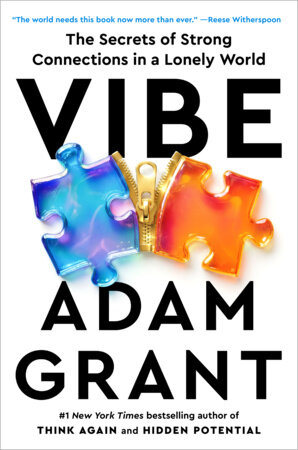
    Vibe: The Secrets of Strong Connections in a Lonely World book cover

    If this post spoke to you, here is a book that goes deeper. In Vibe: The Secrets of Strong Connections in a Lonely World, Adam Grant looks at the science of how closeness actually forms, and why building meaningful ties feels so hard right now. What I like best is that Grant starts from his own experience as a shy introvert, so this is not advice from someone who never struggled to connect. It is a practical, encouraging read for anyone who wants stronger friendships without pretending to be someone they are not. You can find Vibe on Amazon.

    Disclosure: Purchases through affiliate links may earn Well After 50 a commission at no additional cost to the reader.

    I’ve also mapped out some great tools on my new Tech for Independent Living After 50 page.

  • How to Save Money Without Making Life Miserable After 50

    How to Save Money Without Making Life Miserable After 50

    How can you save money without making life miserable?

    Short answer: Saving money after 50 doesn’t mean giving up everything you enjoy. Start by looking at where your money actually goes, then cut forgotten subscriptions and other recurring bills before you cut the things that make life good. Give yourself a guilt-free spending amount, and wait 24 hours before buying anything you don’t need.

    There is a strange idea about saving money after 50: that the answer is to stop enjoying yourself.

    No more dinners out. No little treats. No trips. No hobbies. No replacing something you actually need.

    That is not a life plan. That is a punishment plan.

    Saving money should give you more freedom—not make you afraid to spend a dollar.

    Start by deciding what is worth paying for

    Before cutting anything, make two lists.

    On the first list: things that genuinely make your life better.

    On the second: things you spend money on mostly because you are on autopilot.

    The second list is where the savings usually hide.

    1. Look at where your money actually goes

    The Consumer Financial Protection Bureau recommends getting a realistic picture of current spending rather than creating a budget based on what you think you “should” be spending.

    Look at your bank and credit-card history. Find the recurring charges. Notice the little purchases that repeat. Do not judge yourself. You are collecting information.

    If you find a lot of last-minute takeout in there, or groceries that went bad before you used them, a meal kit might be worth a look. Marley Spoon sends just the ingredients each recipe calls for, so less food ends up in the trash and dinner’s already planned. (affiliate link)

    2. Cut recurring expenses before cutting joy

    A forgotten subscription can cost you month after month. An insurance policy may deserve comparison. A phone plan may have options you are not using.

    Look for expenses that repeat without making you happier.

    Then leave alone the inexpensive things that genuinely give you pleasure.

    3. Give yourself a guilt-free spending category

    This sounds backward, but it can work.

    Set aside an amount you can afford for fun. When the money is spent, you stop until the next period. When you use it, you do not need to feel guilty because you planned for it.

    A budget that contains no fun is often a budget people eventually abandon.

    4. Use the 24-hour rule for nonessential purchases

    See something you want? You do not have to say no.

    Say, “Not today.”

    Wait 24 hours. If you still want it and it fits your budget, buy it. If the excitement disappears, you just saved yourself money without feeling deprived.

    5. Spend more carefully on the things you use every day

    Cheap is not always inexpensive if you have to replace something twice.

    Look at durability, warranties, quality and how often you will actually use the item. The goal is value—not simply the lowest sticker price.

    6. Save automatically if you can

    Even a modest automatic transfer can make saving easier because it removes the need to make the decision every payday.

    Start with an amount that does not make the rest of the month miserable. A habit you can keep is more useful than a heroic amount you cannot maintain.

    7. Save money for something—not just “someday”

    A savings goal becomes more motivating when it has a name.

    “Vacation.” “Car repair.” “Emergency cushion.” “Christmas.” “Freedom fund.”

    Money becomes easier to protect when you know what it is protecting.

    The best money-saving question after 50

    Instead of asking, “How can I spend less?” try asking:

    “How can I waste less money so I have more for what matters?”

    That is a completely different mindset.

    Common Questions

    Should I stop spending on things I enjoy?

    No. A realistic plan should make room for enjoyment while reducing spending that does not add much value.

    What should I cut first?

    Start with recurring expenses, unused subscriptions, avoidable fees and purchases made mostly out of habit.

    How much should I save each month?

    There is no single amount that works for everyone. Start with an amount that fits your income, expenses and goals, then build the habit.

    Does budgeting mean I cannot have fun?

    No. A good spending plan tells your money where to go while leaving room for things you enjoy.

    Keep Reading

    For more practical life-after-50 ideas, visit Well After 50.

    About Tom Green

    Tom Green writes Well After 50. He was born in Pell City, Alabama, in 1962, and he’s a country boy and a true Southerner through and through. He’s just a regular, laid-back 64-year-old who keeps things simple. He shares what he learns about skincare, fitness and getting older, and what’s working for him. He’s also the author of A Practical Guide to Getting Older Without Giving Up on Yourself. Tom isn’t a doctor. He reads up on the research and passes along what’s useful, plain and simple.

    Sources & Proof

    Consumer Financial Protection Bureau: Assess Your Spending
    Consumer Financial Protection Bureau: Budgeting
    Consumer Financial Protection Bureau: Automatic Saving

    Money note: This is general educational information, not individualized financial advice. Your best choices depend on your income, debt, savings, taxes and other circumstances.

    I’ve also mapped out some great tools on my new Tech for Independent Living After 50 page.

  • Can the Right Glasses Make You Look Younger After 50? 7 Styles That Can Refresh Your Look

    Can the Right Glasses Make You Look Younger After 50? 7 Styles That Can Refresh Your Look

    Can the right glasses make you look younger?

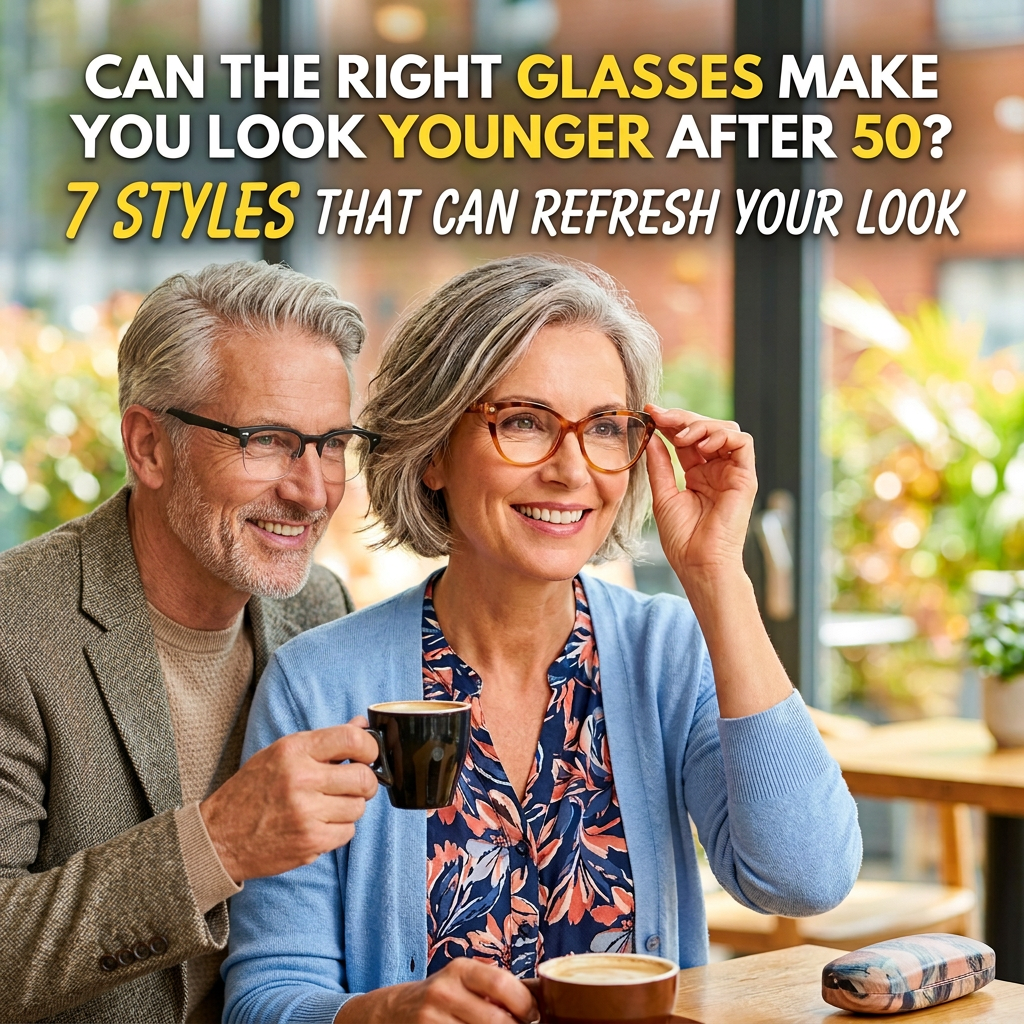
    Short answer: A little, but not by “10 years.” A 2020 study found glasses can change how old people think you look, though the effect is modest. Frames that sweep up slightly at the corners, a color that suits your hair and skin, and a size that fits your face can make you look more awake and current.

    Can a pair of glasses actually make you look younger after 50? Not in the magical “take 10 years off” way some ads suggest. But the right frames can change how your face is perceived, and they can make your overall look feel fresher, more current and more intentional.

    That matters because glasses sit right in the middle of your face. Shape, color, thickness, size and even the position of the frame relative to your eyebrows can change the impression you make.

    Can glasses really make you look younger?

    There is some evidence that eyewear changes perceived age, although the effect is usually modest rather than dramatic. A 2020 study published in i-Perception found that eyewear can influence judgments of age and appearance, but it is only one part of the picture.

    Forget the promise of looking “10 years younger.” A better goal after 50 is to find frames that make you look awake, current, confident and comfortable in your own skin.

    1. Try an upswept or softly cat-eye shape

    A frame that rises slightly toward the outer corners can give the face a subtle lifted appearance. It can also draw attention toward the eyes and eyebrows.

    You don’t need an exaggerated cat-eye. A gentle upward sweep is often easier to wear every day and looks modern without looking like you’re chasing a trend.

    2. Don’t automatically avoid stronger frames

    Black or dark frames can be surprisingly flattering after 50. They create definition around the eyes and can make a simple outfit look more polished.

    The trick is proportion. If the frame is extremely thick, oversized or heavy for your face, it can overwhelm your features.

    3. Clear and translucent frames can look fresh

    Clear, champagne, soft gray and translucent frames can give you definition without adding a heavy dark line across your face.

    4. Thin frames can soften the look

    Minimal frames can work beautifully if you prefer an understated appearance. Metal, thin acetate and lightweight designs can add structure while keeping the face visually open.

    5. Consider color instead of always choosing black

    Brown, tortoiseshell, burgundy, deep blue, olive and warm neutral shades can complement hair, skin and eye color while making the glasses feel intentional.

    6. Frame size matters more than most people realize

    Oversized glasses can look stylish, but there is a point where they begin to hide the eyes and dominate the face. Frames that are too small can have the opposite problem.

    Ideally, the frame should sit comfortably without sliding, the eyes should sit reasonably well within the lenses, and the bridge should feel secure without pressure.

    7. Pay attention to your eyebrows and eyes

    Your glasses and eyebrows work together. A frame that sits too low can cover the eyebrows and make the upper face look heavier. A frame that sits at the right height can help the eyes look more open.

    What glasses should you avoid if you want a fresher look?

    There are no universal “bad” frames. But be cautious with frames that:

    • are badly oversized for your face
    • sit too low on the nose
    • pinch your temples or slide constantly
    • hide your eyes or eyebrows
    • look dated simply because you’ve worn the same style for decades
    • have a color that makes your complexion look tired or washed out

    Try this simple photo test before buying

    Take a clear photo facing the camera in natural light. Try three or four very different frames and take another photo in the same lighting.

    Don’t ask, “Which one makes me look younger?” Ask: Which one makes my eyes stand out? Which one makes my face look balanced? Which one looks current without looking like a costume? Which one makes me look like myself on a really good day?

    What about “anti-aging” glasses and blue-light claims?

    Be skeptical of glasses marketed as if the lenses themselves will reverse visible aging. Blue-light glasses may be useful for some people who find them comfortable, but they are not proven anti-aging treatment for the skin or face.

    If you’re buying prescription glasses, prioritize the prescription, fit, lens quality and your actual visual needs. Style comes next—but it absolutely matters.

    The Bottom Line

    The right glasses won’t turn back the clock. They can, however, change the way your face is framed—and that can make a real difference in how fresh, polished and confident you look.

    After 50, I think that’s a much better goal than trying to look younger at any cost.

    For another style-focused perspective, designer and lifestyle blogger Cindy Hattersley has written about choosing eyewear after 50. Her approach reinforces a useful point: frames should suit your face and personal style, not follow a rule that everyone must wear the same shape.

    Common Questions

    What glasses make you look younger after 50?

    There is no single best frame for everyone. Upswept shapes, well-proportioned dark frames, translucent frames and modern thin frames can all work. The key is fit, proportion and how the frame works with your face.

    Do bigger glasses make you look younger?

    Not necessarily. Oversized frames can look fashionable, but if they overwhelm your features or hide your eyes, they may have the opposite effect.

    Are cat-eye glasses good for mature faces?

    A softly upswept cat-eye can be flattering because it draws attention toward the outer corners of the eyes. A subtle version is usually easier to wear than an extreme shape.

    Do clear glasses look good after 50?

    Yes. Clear and translucent frames can create definition without looking heavy, and they can give an outfit a clean, contemporary feel.

    Can glasses really make you look younger?

    They can influence how people perceive your appearance, but the effect is usually modest. Good fit, flattering color and a current shape are more realistic goals than expecting a frame to erase years.

    A Note From Tom Green

    I’m a big believer in making small changes that help you feel better about how you look without pretending you’re someone else. Glasses are a perfect example. You don’t need to look younger—you just want a pair that makes you look like the best version of yourself right now.

    Keep Reading

    If you’re interested in looking and feeling your best after 50, take a look at 50+ Looksmaxxing: Simple Ways to Look Better at Any Age.

    Disclaimer: This article is for general informational purposes and is not medical or vision-care advice. For changes in vision, eye symptoms or questions about prescription lenses, consult an eye-care professional.

    I’ve also mapped out some great tools on my new Tech for Independent Living After 50 page.

  • When You Don’t Recognize Yourself Anymore: How to Make Peace With Aging After 50

    When You Don’t Recognize Yourself Anymore: How to Make Peace With Aging After 50

    How do you make peace with aging when you don’t recognize yourself?

    Short answer: Making peace with aging starts with not letting the mirror be the judge. There’s nothing wrong with wanting to look good, but maybe the goal isn’t to look younger. Your body is for living, not just for being looked at, so stop inspecting yourself so closely and give yourself grace on the hard days.

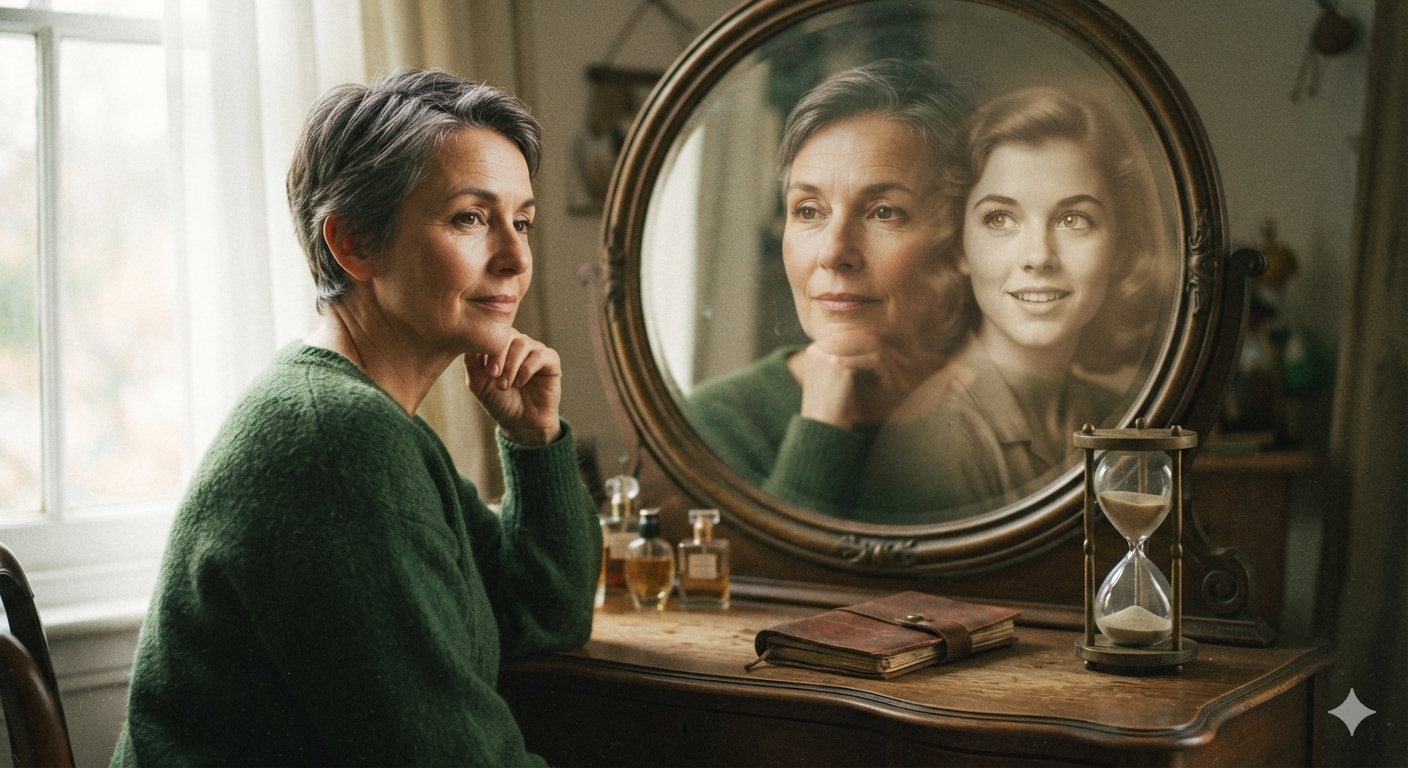
    There can be a strange moment in the aging process when you look in the mirror and realize something has changed.

    Maybe it is the lines around your eyes.

    Maybe your face looks thinner or softer than it used to. Your neck has changed. Your hair is different. Your body doesn’t look quite the way it did ten, twenty or thirty years ago.

    And sometimes the hardest part isn’t the wrinkle itself.

    It’s realizing that the person looking back at you doesn’t look like the person you still feel like inside.

    If you’ve ever had that experience, you’re not being vain.

    You’re being human.

    Aging changes our appearance, but it can also change the way we think about ourselves.

    And learning to live with that may be one of the less-discussed challenges of getting older.

    You can know you’re aging and still be surprised by it

    Most of us understand intellectually that we’re going to get older.

    We know our hair may turn gray. Skin loses some of its elasticity. Muscle mass becomes harder to maintain. Facial features change. Our bodies don’t necessarily respond to exercise, food or lack of sleep the way they once did.

    But knowing something is coming doesn’t necessarily prepare you emotionally for seeing it.

    That’s especially true when the change happens gradually.

    You don’t wake up one morning twenty years older.

    Instead, you notice little things.

    • A photograph.
    • A reflection in a store window.
    • A video someone took when you weren’t expecting it.
    • A shirt that fits differently.
    • A face in the mirror that suddenly looks older than you feel.

    And you may find yourself thinking:

    When did that happen?

    The mirror can become more powerful than it deserves to be

    Our appearance isn’t just about appearance.

    It can become tied to identity.

    For decades, you may have received messages—directly and indirectly—that looking young meant looking attractive, energetic, successful or desirable.

    Advertising certainly hasn’t helped.

    The beauty industry has built an enormous market around the idea that every visible sign of aging is something that should be corrected.

    And social media can make the comparison even harder.

    Research published in 2025 found associations between appearance-focused social media use, self-objectification and body-image concerns. The researchers also identified self-compassion as a potentially protective factor.

    There’s nothing wrong with wanting to look good

    This is important.

    Accepting aging does not mean you have to stop caring about your appearance.

    • You can still enjoy skincare.
    • You can color your hair if you want to.
    • You can exercise because you like the way a stronger body looks.
    • You can dress well.
    • You can take care of your teeth, skin and hair.
    • You can use products that make you feel better about yourself.

    And if you choose a cosmetic treatment after understanding its risks and benefits, that is your decision.

    The problem begins when taking care of yourself turns into being at war with yourself.

    There’s a big difference between:

    “I want to look my best.”

    and

    “I can’t stand the person I’m becoming.”

    The first can be healthy.

    The second can become exhausting.

    Maybe the goal isn’t to look younger

    This may be one of the most useful changes in thinking after 50.

    Instead of asking:

    “How can I look younger?”

    try asking:

    “How can I look healthy, cared for, confident and like myself?”

    Those aren’t the same goal.

    You may never get your 35-year-old face back.

    None of us does.

    But you can become the 50-, 60-, 70- or 80-year-old version of yourself who looks like she takes care of herself, stands tall, smiles easily and still has somewhere she wants to go.

    That’s a different kind of beauty.

    And arguably a more interesting one.

    Your body isn’t only something other people look at

    This is where aging can offer an unexpected opportunity.

    For much of our younger lives, we’re taught to think about our bodies from the outside.

    • How do I look?
    • Am I thin enough?
    • Do I look attractive?
    • Do other people notice me?
    • Do I look younger than my age?

    But eventually, many people begin to appreciate something different.

    What can my body still do for me?

    • Can I walk around the neighborhood?
    • Carry groceries?
    • Get up from the floor?
    • Travel?
    • Play with grandchildren?
    • Lift weights?
    • Garden?
    • Dance?
    • Climb stairs without stopping?
    • Go somewhere new?

    Those things may not show up in a selfie.

    But they can become far more important than a selfie.

    There is actually research behind this shift

    A 2026 study involving adults ages 60 to 80 found that greater body appreciation was associated with greater life satisfaction, and self-acceptance helped explain that relationship.

    That doesn’t mean you have to suddenly love every part of your body.

    That’s not realistic.

    You can dislike a particular wrinkle.

    You can wish your waist were smaller.

    You can miss your old hair.

    You can wish your skin were firmer.

    Acceptance doesn’t require pretending everything is perfect.

    It means learning not to let the things you dislike become the entire story about yourself.

    What if you stopped inspecting yourself so closely?

    Here’s an experiment worth trying.

    For a week, stop looking for flaws.

    • Don’t stand in front of the bathroom mirror examining your neck.
    • Don’t repeatedly pull the skin under your eyes.
    • Don’t take five photographs looking for the “bad side.”
    • Don’t zoom in on every line in a picture.

    Take care of yourself normally.

    Then step back.

    Look at the whole person.

    • How do you carry yourself?
    • Do you look healthy?
    • Do your eyes look alive?
    • Are you smiling?
    • Does your clothing fit?
    • Does your hair make you feel good?
    • Do you look like someone who is participating in life?

    Sometimes we become so focused on individual imperfections that we completely miss the person.

    And yes, there will be days when you don’t feel good about yourself

    That’s normal too.

    You don’t have to turn aging into a positive-thinking exercise every morning.

    Some days you may look in the mirror and think:

    “I really don’t like what I see today.”

    That’s okay.

    You don’t have to argue with yourself.

    You can simply say:

    “This is how I look today. I’m still going to have a good day.”

    That’s a powerful distinction.

    Your appearance doesn’t have to improve before you’re allowed to enjoy your life.

    Be careful about who gets inside your head

    Pay attention to the people and accounts you follow.

    If every photograph makes you feel older, heavier, less attractive or less successful, ask yourself why you’re continuing to look at it.

    You don’t have to hate social media.

    You don’t even have to stop following beauty accounts.

    But you can choose more carefully.

    Follow people who make you feel inspired rather than inadequate.

    Follow women who are active, funny, stylish, interesting and honest about getting older.

    Follow people who remind you that life doesn’t end when your face changes.

    Your feed becomes part of your environment.

    Choose an environment that helps you.

    Don’t confuse acceptance with giving up

    This may be the biggest misconception of all.

    Accepting your age doesn’t mean giving up.

    It can actually make it easier to take good care of yourself.

    You can say:

    “My skin is changing, so I’m going to take good care of it.”

    Not:

    “My skin is changing, so I need to fight it every day.”

    You can say:

    “I’m losing some muscle as I get older, so I’m going to strength train.”

    Not:

    “My body isn’t what it used to be, so what’s the point?”

    You can say:

    “I don’t look 40 anymore, but I still want to look my best.”

    Not:

    “If I can’t look 40, I don’t want to look at all.”

    That difference matters.

    Maybe growing older requires a new definition of beautiful

    When we’re young, beauty can be largely about symmetry, smooth skin, hair, body shape and looking desirable.

    Later, something else begins to show.

    • Character.
    • Confidence.
    • Humor.
    • Kindness.
    • Strength.
    • Curiosity.
    • How you treat people.
    • How you carry yourself.
    • Whether you still get excited about something.
    • Whether you have something to look forward to.
    • Whether you’ve learned how to survive difficult things without becoming bitter.

    None of those things erase wrinkles.

    They make wrinkles less important.

    You don’t have to love every change

    Maybe that’s the most honest place to end.

    You don’t have to celebrate every gray hair.

    You don’t have to love every wrinkle.

    You don’t have to pretend you never miss your younger face.

    You don’t have to stop wanting to look attractive.

    And you don’t have to apologize for caring about yourself.

    But you also don’t have to spend the rest of your life trying to defeat a process that every human being eventually faces.

    Take care of your appearance. Take care of your body. Take care of your health. But don’t forget to take care of the person underneath all of it.

    Because there is still a person in that mirror who has somewhere to go, people to love, things to learn and experiences that haven’t happened yet.

    And perhaps that’s the part of aging we don’t talk about enough.

    You may look different than you once did.

    But you’re not finished becoming who you’re going to be.

    A Final Thought

    The goal after 50 doesn’t have to be looking like the person you were twenty years ago.

    Maybe the goal is to look in the mirror and eventually say:

    “Yes. This is me now. And I still like where I’m going.”

    That may be a much better definition of aging well.

    For another thoughtful perspective on emotional well-being and finding your footing in later life, you may enjoy Sixty and Me, founded by Margaret Manning, which explores life transitions and personal growth.

    Common Questions

    Is it normal to struggle with changes in appearance after 50?

    Yes. Changes in appearance can affect how people think and feel about themselves, and research suggests that body dissatisfaction and concerns about aging appearance don’t simply disappear with age.

    Does accepting aging mean I shouldn’t care about how I look?

    No. Acceptance and self-care can exist together. You can enjoy skincare, exercise, clothing, hair care and other ways of looking after yourself without making youthfulness the only measure of your worth.

    Can social media make aging and body image harder?

    It can. Research has linked appearance-focused social media use with self-objectification and body-image concerns. Choosing what you consume online—and practicing more self-compassion—may help.

    What is a healthier goal than trying to look younger?

    Try aiming to look healthy, cared for, confident and like yourself. You can still improve things you want to improve without making your entire identity about reversing age.

    Can accepting my changing appearance actually make me feel better?

    Research in older adults has found an association between body appreciation, self-acceptance and greater life satisfaction.

    A Note From Tom Green

    At Well After 50, I don’t think getting older means giving up on yourself. I think it means figuring out what is worth improving, what is worth accepting and what is worth letting go.

    You can still care about how you look.

    You can still work on your health.

    You can still get stronger.

    You can still take pride in yourself.

    But you don’t have to spend your life apologizing for getting older.

    Tom Green

    Well After 50

    Medical & Wellness Note

    This article discusses general experiences and research related to aging, appearance and body image. It is not medical or mental-health advice. If concerns about your appearance are causing significant distress or interfering with your daily life, consider talking with a qualified healthcare or mental-health professional

    Sources & Further Reading

    Keep Reading

    About the Author

    Tom Green writes Well After 50. He was born in Pell City, Alabama, in 1962, and he’s a country boy and a true Southerner through and through. He’s just a regular, laid-back 64-year-old who keeps things simple. He shares what he learns about skincare, fitness and getting older, and what’s working for him. He’s also the author of A Practical Guide to Getting Older Without Giving Up on Yourself. Tom isn’t a doctor. He reads up on the research and passes along what’s useful, plain and simple.
    I’ve also mapped out some great tools on my new Tech for Independent Living After 50 page.

  • 10 Hobbies After 50 That Make Life More Interesting (Even on a Budget)

    10 Hobbies After 50 That Make Life More Interesting (Even on a Budget)

    What are good hobbies after 50 that don’t cost much?

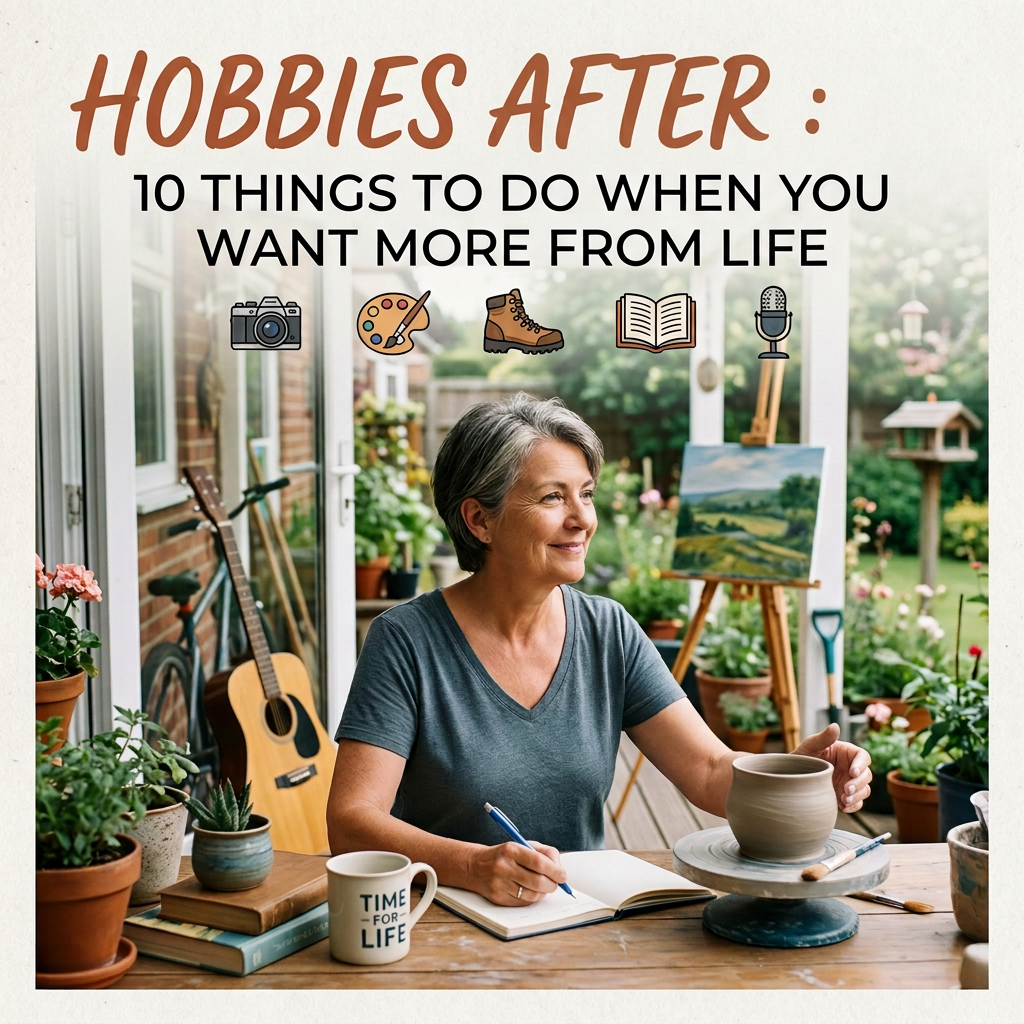
    Short answer: Some of the best hobbies after 50 cost little or nothing: photography with the phone you already have, gardening, cooking something new, learning an instrument, writing, painting or drawing, tracing your family history, traveling close to home, volunteering, or finally learning something you’ve always put off.

    I’ve learned that getting older isn’t just about the things you start doing differently. It’s also about the things you finally have time to do. For years, life can be about work, raising a family, paying bills, taking care of other people, and simply getting through the week. You put off the things you’re curious about because there always seems to be something more important. Then you reach 50+ and something changes. Maybe you have more free time. Maybe the kids have moved on. Maybe you’re working less, retired, or simply realizing that you don’t want the rest of your life to be nothing but work and responsibilities. That’s when a hobby can become much more than something to pass the time. It can give you something to look forward to. Something to learn. Something to get excited about. And it doesn’t have to be complicated. You don’t have to become an expert. You don’t have to spend a lot of money. You don’t even have to be particularly good at whatever you choose. You just need to find something that makes you think, “I enjoy doing this.” Here are 10 hobbies for adults 50+ that can be fun, useful, and rewarding — and maybe one of them will give you an idea for something you’ve been putting off for years.

    1. Photography

    You don’t need an expensive camera to get started. Your phone can be all you need. Try photographing nature, interesting buildings, food, family gatherings, pets, or places you visit.

    Why it’s good and fun

    Photography gives you a reason to look at the world differently. Instead of simply walking through a park or visiting a new place, you start noticing colors, details, light, wildlife, and interesting little moments. It can also give you something to do when you’re traveling or taking a walk. And there’s a satisfying feeling when you take a picture and think, “I really like that.” You can keep your favorite photographs, share them with family, or gradually learn more advanced photography techniques.

    2. Gardening

    Gardening can be as simple as growing a few herbs in containers or as ambitious as creating an entire backyard garden. You can grow flowers, vegetables, herbs, or even indoor plants.

    Why it’s good and fun

    Gardening gives you something living to take care of and watch grow. There’s a special satisfaction in planting something, caring for it, and eventually seeing flowers bloom or vegetables appear. It also gets you outside and gives you a reason to spend time in your yard or on a patio. You don’t need a huge garden. A few pots can be enough to discover whether you enjoy it. And every season gives you something new to try.

    3. Cooking Something New

    If you already cook, turn cooking into a hobby instead of another chore. Choose one type of food you’ve always wanted to learn about. Try homemade bread, international dishes, soups, seafood, or healthier versions of old favorites.

    Why it’s good and fun

    Cooking becomes much more enjoyable when you’re experimenting instead of simply trying to get dinner on the table. You get to discover new flavors, learn new techniques, and occasionally surprise yourself with something that turns out really well. It’s also a hobby that produces something useful. You can enjoy what you make yourself or share it with family and friends. And you don’t have to become a gourmet cook. Sometimes finding one great new recipe is enough to make the hobby worthwhile. If cooking is the hobby that’s calling your name, a meal kit is an easy way to get your feet wet. Marley Spoon sends everything you need along with a recipe card, so you can try new dishes without a long grocery list. (affiliate link)

    4. Learning an Instrument

    It’s never too late to learn an instrument. A guitar, keyboard, harmonica, or ukulele can give you a completely new challenge.

    Why it’s good and fun

    Learning music gives your brain something completely different to work on. At first, even getting a few notes or chords right can feel like an accomplishment. Then something interesting happens: a song that once seemed impossible starts becoming familiar. You don’t have to perform for anyone. Learning a few songs you actually enjoy can give you a hobby you can return to for years. And there’s something satisfying about being able to sit down and make music yourself.

    5. Writing

    Writing can be surprisingly rewarding after 50. You could keep a personal journal, write short stories, record family memories, start a blog, or simply write about subjects that interest you.

    Why it’s good and fun

    Writing gives you a place to capture experiences, ideas, memories, and opinions. You have decades of experiences that younger people simply haven’t had yet. You might enjoy writing about your childhood, places you’ve lived, lessons you’ve learned, funny stories, or things you’ve discovered along the way. You don’t have to consider yourself a writer. You don’t even have to show anyone what you write. Sometimes the enjoyment comes simply from putting your thoughts into words.

    6. Painting, Drawing, or Other Creative Work

    You don’t need artistic talent to enjoy making art. Try watercolor, acrylic painting, sketching, coloring, woodworking, pottery, sewing, or another hands-on creative activity.

    Why it’s good and fun

    Creative hobbies let you make something instead of simply consuming something. That’s a nice change from spending another evening watching television or scrolling through your phone. There’s also no requirement that your work be perfect. You can experiment with colors, materials, shapes, and ideas without worrying about whether someone else thinks it’s good. And when you’re finished, you have something you actually made. That can be surprisingly satisfying.

    7. Exploring Your Family History

    Genealogy can turn into a fascinating long-term hobby. You can research old family records, organize photographs, interview relatives, and create a family tree.

    Why it’s good and fun

    Family history can turn ordinary names and old photographs into real stories. You may discover where relatives lived, what they did for a living, how your family moved from one place to another, or things you never knew about people you’ve heard about all your life. It can also give you a reason to talk with older relatives while you still can. And what you discover isn’t just for you. You can organize the information and photographs into something future generations of your family can enjoy.

    8. Travel — Even Close to Home

    You don’t need to fly across the country to make travel a hobby. Pick a town you’ve never explored. Visit a museum, historical site, small restaurant, local market, park, or interesting road nearby.

    Why it’s good and fun

    Exploring somewhere new can break up the routine. You don’t have to spend a lot of money or take a week off work. Sometimes an afternoon in a town you’ve never visited can feel like a mini vacation. Make a list of places within an hour or two of home and start working your way through it. You may discover restaurants, parks, shops, historic buildings, or interesting local attractions that you’ve driven past for years without noticing.

    9. Volunteering

    Volunteering can be a hobby with a purpose. You might help at an animal shelter, food pantry, library, community organization, school, church, or another local group.

    Why it’s good and fun

    Volunteering can give you something that many hobbies don’t: a feeling that what you’re doing matters to someone else. It can also introduce you to people you might never have met otherwise. If you’re retired or your social circle has become smaller, volunteering can add some structure to your week and give you somewhere to go. And you don’t have to commit to every day. Even helping occasionally can be worthwhile if you find something you genuinely care about.

    10. Learn Something You’ve Always Put Off

    This may be the most exciting hobby of all. Think about something you’ve said for years: “I’d love to learn how to do that someday.” Maybe it’s a language. Maybe it’s history, astronomy, computers, painting, cooking, music, woodworking, or something completely different.

    Why it’s good and fun

    Learning something new gives you the chance to be a beginner again. That can be both challenging and exciting. You don’t have to worry about being the best. You simply get to discover something you’ve never known before. And you may find that one new subject leads to another. A curiosity about history could lead to genealogy. Photography could lead to travel. Cooking could lead to learning about different cultures. You never know where a new interest will take you.

    You Don’t Need Ten Hobbies

    The point isn’t to fill your calendar with activities. You only need one thing that makes you want to do it again. A good hobby can give your week some structure. It can introduce you to new people, keep your mind engaged, give you a creative outlet, or simply make an ordinary Tuesday more interesting. And if your first choice doesn’t work, that’s perfectly fine. Try something else. There is no rule that says you have to be good at a hobby, stick with it forever, or explain to anyone why you enjoy it.

    Your Life After 50 Is Still Being Written

    Getting older doesn’t mean you’ve run out of things to discover. In many ways, 50+ can be a great time to experiment because you know yourself better than you did when you were younger. You may finally have the freedom to ask a simple question: What would I enjoy doing if I didn’t have to do it for anyone else? That’s a pretty good place to start.

    What Hobby Will You Try?

    You don’t need expensive equipment, a huge amount of free time, or a special talent. Choose something that interests you. Start small. Give it a little time. You might discover that the next chapter of your life has room for something you never expected. For more inspiration, the National Institute on Aging’s activity guide includes low-cost ways to learn, connect, volunteer, and have fun.

    How to Pick a Hobby You’ll Actually Enjoy

    Here’s something I’ve learned: a hobby shouldn’t feel like another job you have to be good at. You can enjoy photography without becoming a photographer. You can grow three plants without having a perfect garden. And you can love music without performing for anyone.

    Ask yourself three questions: Do I want to be around people or have quiet time? Do I want to make something, learn something, or move more? How much money and physical energy can I comfortably give it? Your answers will narrow a long list of possibilities to something that genuinely fits.

    Seven Days to Try Something New—Without Spending a Fortune

    1. Day one: Choose one hobby that sounds fun, not impressive.
    2. Day two: See what you already own or can borrow.
    3. Day three: Find a free guide, library event, community class, or club.
    4. Day four: Spend twenty minutes trying it. Ten minutes counts, too.
    5. Day five: Notice whether you felt curious or merely obligated.
    6. Day six: If it involves other people, look for a friendly local or online group.
    7. Day seven: Decide whether to try again. You’re allowed to change your mind.

    If money is tight, try your public library, free museum days, community gardening, birdwatching from a park bench, smartphone photography, or borrowing a book about something you’ve always wanted to learn.

    What Researchers and Writers Say About Having Interests Later in Life

    The National Institute on Aging recommends meaningful activities such as creative hobbies, volunteering, and social groups as part of healthy aging. The emphasis is on enjoyment and participation, not collecting accomplishments.

    In Harvard Health, Matthew Solan reports on research suggesting that combining different mental and physical activities may support thinking in older adults with mild cognitive impairment. That isn’t a promise that a hobby prevents dementia, but it’s a good reason to stay interested in life.

    The NIA also discusses loneliness and social isolation: a book club, class, or volunteer shift can be a natural way to meet people regularly, without the pressure of making instant best friends.

    What if a Hobby Doesn’t Stick?

    Then you learned something about yourself. Give it a fair try, but don’t turn leisure into guilt. Sometimes what you thought you’d enjoy isn’t your thing, and a different activity will fit better. That isn’t failure. It’s part of finding out what makes this chapter of life interesting.

    Common Questions

    Why are hobbies important after 50? Hobbies can add enjoyment, creativity, social connection, and a sense of purpose to everyday life. Is it too late to start a new hobby after 50? Not at all. Trying something new can be a great way to break up routines and discover interests you didn’t have time to explore earlier in life. What are some good hobbies for people 50+? Walking, gardening, photography, cooking, reading, woodworking, crafts, music, volunteering, and learning new skills are just a few possibilities. Can hobbies help with loneliness after 50? They can. Hobbies that involve clubs, classes, volunteer groups, or other people can create regular opportunities for social interaction. Do hobbies have to be expensive? No. Many enjoyable hobbies can be started with little or no money, including walking, reading, writing, gardening, birdwatching, and learning through free resources. How do I choose a hobby I’ll actually stick with? Start with something you’re genuinely curious about rather than something you think you should do. Give it a few tries before deciding whether it’s for you.

    Keep Reading

    Tom Green writes Well After 50. He was born in Pell City, Alabama, in 1962, and he’s a country boy and a true Southerner through and through. He’s just a regular, laid-back 64-year-old who keeps things simple. He shares what he learns about skincare, fitness and getting older, and what’s working for him. He’s also the author of A Practical Guide to Getting Older Without Giving Up on Yourself. Tom isn’t a doctor. He reads up on the research and passes along what’s useful, plain and simple.
    I’ve also mapped out some great tools on my new Tech for Independent Living After 50 page.

  • What Does an Attractive 50-Year-Old Woman Really Look Like? The Answer Might Surprise You

    What Does an Attractive 50-Year-Old Woman Really Look Like? The Answer Might Surprise You

    What does an attractive 50-year-old woman really look like?

    Short answer: An attractive 50-year-old woman doesn’t have to look 35. Confidence and strength show more than trying to look younger, and a little gray hair or a few wrinkles don’t change that. Being fit and feeling good in your own skin matters more than being thin.

    Forget the “looks 35” nonsense for a minute.

    What does an attractive 50-year-old woman actually look like?

    That’s a surprisingly complicated question.

    And before somebody gets mad at me, I’m not talking about whether women should care about their appearance. Of course they can. Looking good can feel good. Taking care of your skin, hair, body and clothes isn’t vanity.

    But somewhere along the way, we’ve gotten the idea that an attractive woman over 50 has to look like she just escaped from a time machine.

    Why?

    Why can’t a beautiful 50-year-old woman actually look 50?

    She might have a few wrinkles. Her hair might have some gray in it. Her body might not look like it did at 25. Her face may have changed.

    And she might still turn heads when she walks into a room.

    Maybe attractiveness changes as we get older

    One thing that keeps coming up in conversations about aging is confidence.

    Women talking about getting older often mention things like strength training, better skin care, a good haircut, dressing well and—perhaps most importantly—not caring quite so much about what everybody else thinks.

    That last one might be the most attractive thing of all.

    Because confidence looks different from trying desperately to prove you’re still 30.

    A woman who walks into a room comfortable in her own skin can be incredibly attractive.

    Let’s talk about the elephant in the bathroom mirror

    At 50, you may start noticing things you didn’t notice before.

    Fine lines. Changes in your skin. Hair getting thinner. A different shape around your waist.

    Maybe your face doesn’t look exactly like it did ten years ago.

    And suddenly your bathroom mirror has apparently decided to become your enemy.

    😂

    You lean toward it. You lean back. You change the lighting.

    Then you turn the bathroom light off and decide you’re perfectly happy with yourself.

    Problem solved.

    Until tomorrow morning.

    But here’s the thing: taking care of yourself and accepting that you’re aging aren’t opposites.

    You can use good skin care. You can exercise. You can eat better. You can get a great haircut. You can wear clothes that make you feel good.

    You can even choose cosmetic treatments if that’s what you want.

    “I’m not trying to become 30 again. I’m trying to look like the best version of me at 50.”

    That’s a very different goal.

    And strength is attractive too

    Something else gets overlooked when we talk about attractiveness.

    How you carry yourself.

    Getting stronger can change posture, movement and the way you feel about your body.

    You don’t have to become a bodybuilder. You don’t even have to love the gym.

    But there is something pretty damn good about being 50, 60 or 70 and realizing:

    “I’m stronger than I thought I would be at this age.”

    That confidence tends to show.

    Questions We All Wonder About

    Let’s get real for a minute. These are some of the questions people quietly wonder about but don’t always ask out loud.

    Does a woman have to look younger than 50 to be considered attractive?

    Why is “you look 40!” automatically treated as the ultimate compliment?

    What if someone simply said: “You look great for 50.”

    Would that be enough?

    Or have we been taught that aging itself is something we need to hide?

    Are wrinkles actually unattractive?

    Some people want every line softened. Others don’t mind them at all. Plenty of people are somewhere in the middle.

    Where do you stand?

    Do you want to soften the signs of aging, embrace them, or a little of both?

    Is being fit more important than being thin?

    A woman can be a perfectly healthy weight and not look like a fitness model. She can also be strong, active and muscular without being particularly thin.

    So when you picture an attractive woman over 50, does fitness matter more to you than a certain body size?

    Does gray hair make a woman look older—or can it make her look better?

    Some women couldn’t wait to stop coloring their hair. Others will keep coloring it until they’re 90.

    😂

    Neither choice is wrong.

    Silver, blonde, brunette, red—or whatever makes her feel good?

    What about makeup?

    Does makeup make someone more attractive after 50? Or does less makeup sometimes look better?

    And is there such a thing as too much makeup?

    That’s probably a conversation all by itself.

    Does confidence really make someone more attractive?

    Imagine two women. One looks younger but constantly worries about how she looks. The other has a few more lines but walks into the room smiling, laughing and completely comfortable being herself.

    Which qualities matter more to you?

    Can personality actually make someone physically more attractive?

    Most of us have probably experienced this.

    Someone who didn’t initially catch your eye becomes incredibly attractive after you get to know them.

    Then the opposite can happen too.

    Someone can be gorgeous—and then open their mouth.

    😂

    Suddenly you’re looking for the nearest exit.

    So how much does personality change your perception of someone’s attractiveness?

    So what does an attractive 50-year-old woman look like?

    Honestly?

    She can look like a lot of different things.

    Short. Tall. Curvy. Slim. Gray-haired. Blonde. Natural. Glamorous. Wrinkled. Athletic. Soft. Dressed up. Wearing jeans and sneakers.

    There isn’t one face or body that qualifies.

    And maybe that’s the point.

    At 50, attractiveness doesn’t have to mean looking younger.

    It can mean looking alive. Looking healthy. Looking confident. Having a sense of humor. Taking care of yourself. Knowing who you are.

    And maybe having reached the age where you finally realize you don’t have to impress everybody.

    That might be one of the best things about getting older.

    Now I want to hear from you

    Here’s where I really want to know what you think.

    Women 50+: What makes a woman attractive to you now that might not have mattered as much when you were 25?

    A) Confidence
    B) Fitness/strength
    C) Hair, skin and style
    D) Personality and humor
    E) The way she carries herself
    F) Something completely different

    And men, you’re welcome to answer this one too.

    Just be respectful. 😉

    What do you think makes someone genuinely attractive after 50?

    And be honest…

    Has your definition of “attractive” changed as you’ve gotten older?

    Keep Reading

    How to Look and Feel Better as You Age After 50

    The Simple Morning Routine That Can Make You Look and Feel Better After 50

    7 Strength Habits That Matter More After 60


    About the Author

    Tom Green writes Well After 50. He was born in Pell City, Alabama, in 1962, and he’s a country boy and a true Southerner through and through. He’s just a regular, laid-back 64-year-old who keeps things simple. He shares what he learns about skincare, fitness and getting older, and what’s working for him. He’s also the author of A Practical Guide to Getting Older Without Giving Up on Yourself.

    Tom isn’t a doctor. He reads up on the research and passes along what’s useful, plain and simple.
    Affiliate Disclosure: Some links in this post may be affiliate links. If you purchase something through one of these links, Well After 50 may earn a small commission at no extra cost to you. This helps support the site and allows us to continue creating helpful content.

    I’ve also mapped out some great tools on my new Tech for Independent Living After 50 page.

  • Life After 50 With a Dog: The Joys, the Benefits—and the Reality

    Life After 50 With a Dog: The Joys, the Benefits—and the Reality

    Is getting a dog good for you after 50?

    Short answer: A dog can make life after 50 better. Dogs get you moving every day, make ordinary days more interesting, help you meet people, and don’t care how old you look. Just be honest about the time, money and energy a dog needs before you bring one home.

    Life after 50 can bring more freedom, but it can also bring quieter days, new routines, and a body that does not always want to move the way it once did. A dog has a way of pulling your attention back to the present: the leash waiting by the door, the happy greeting, the ridiculous thing they just did, and the simple fact that someone is counting on you. A dog is not a miracle cure for loneliness or a substitute for human connection. But for the right person, a dog can add movement, affection, structure, and a little everyday comedy to life. Those small things deserve more credit than they often get. Dogs do not care about your birthday. They care about whether you are ready for a walk, whether there is something interesting happening in the kitchen, and whether you have time for them.

    Dogs Keep You Moving

    One of the simplest benefits of having a dog is that they give you a reason to get up and move. A walk around the neighborhood may not feel like a workout, but regular movement adds up. There are also all the little movements that come with caring for a dog—feeding them, letting them outside, playing, cleaning up and getting down on the floor when they decide that is where they want you.

    They Make Ordinary Days More Interesting

    After 50, routines can become comfortable. That is not necessarily a bad thing, but a dog can interrupt the routine in ways that are usually good for you. A funny expression, an unexpected burst of energy or the simple excitement of seeing you walk through the door can make an ordinary day feel different.

    Dogs Can Keep You Connected

    Walking a dog can also create opportunities for casual conversations with neighbors and other dog owners. Sometimes a simple hello is enough to make a day feel a little less isolated.

    They Do Not Care How Old You Look

    This may be one of my favorite things. Your dog is not looking at your wrinkles, gray hair or whether you look tired today. You are simply their person.

    Getting Older Does Not Mean Stopping

    Having a dog does not magically make every day easy. Older dogs may need more care, and your own abilities may change over time. But there is something valuable about continuing to have reasons to move, laugh and get outside. For me, a dog is a good reminder that getting older is not the same thing as checking out of life.

    What Research Says About Dogs and Healthy Aging

    There is research behind some of these everyday benefits, although it is important not to promise more than the evidence can show. The Centers for Disease Control and Prevention (CDC) notes that pets can create opportunities to exercise, get outside, and socialize, and that companionship may help some people manage loneliness. The CDC also points out that pets can carry germs, so good hygiene and appropriate veterinary care matter. A 2022 systematic review published in Social Psychiatry and Psychiatric Epidemiology examined 24 studies on pet ownership, loneliness, and social isolation. The findings were mixed: some studies found associations with less isolation or loneliness, while others did not. The honest takeaway is that a pet may be a meaningful source of companionship, but it will not make everyone feel less lonely. You can read the full review on PubMed Central. There is also a measurable connection between dog walking and activity. In a 2017 study published in Innovation in Aging, researchers followed 86 adults ages 65 to 81 and used activity monitors. The dog owners averaged about 31 minutes a day walking at a moderate pace, compared with 11 minutes among the adults without dogs; they also took more steps on average. The study was relatively small, so it does not prove that a dog will make every owner more active. But it is a useful reminder that a daily walk can become a habit when another living creature is counting on you. Read the study summary at PubMed Central.

    Small Ways to Make Dog Ownership Work Better After 50

    • Make the walk fit your body. Two short, comfortable walks may work better than one long outing. If balance, joint pain, breathing, or stamina is a concern, ask a healthcare professional what level of activity is appropriate.
    • Let the dog sniff. A walk does not have to be a race or a step-count competition. Safe sniffing time gives your dog enrichment and gives you a reason to slow down and notice the neighborhood.
    • Build a rainy-day routine. A few minutes of gentle indoor play, simple training, or hide-and-seek with a toy can keep you connected when weather or mobility makes a walk difficult.
    • Make the home safer for both of you. Keep leashes and toys out of walkways, use good lighting, and consider whether a dog that pulls hard on the leash could throw you off balance. Training and a well-fitted harness may help.
    • Plan for care before you need it. Identify a backup walker, pet sitter, or trusted person who can help if you are sick, traveling, or recovering from an injury.
    • Protect your budget. Food, routine veterinary visits, dental care, medications, grooming, and unexpected emergencies can add up. A realistic pet budget is part of responsible ownership, not a lack of love.

    The Part People Do Not Always Mention: Dogs Need Care, Too

    It is easy to talk about what a dog brings into our lives and forget the work involved. Some dogs need more exercise than their owners can comfortably provide. Older dogs may need medication, help with stairs, or more frequent veterinary visits. Puppies can be exhausting, and a strong dog that pulls on a leash can be a genuine fall risk. If you are thinking about adopting a dog after 50, choose for temperament, size, energy level, and care needs—not just a cute face. An adult dog with a known personality may be a better fit than a high-energy puppy for some households. A shelter or rescue can help you ask the right questions. And if a dog is not a realistic fit right now, helping a neighbor walk their dog, pet-sitting occasionally, or volunteering with an animal organization may offer some of the connection without the full-time responsibility.

    A Simple Reminder: You Do Not Need a Perfect Day

    Some days the walk will be short. Some days you will be tired. Some days your dog will stop to investigate one patch of grass as if it contains the secrets of the universe. That is part of the charm. Healthy aging is not about turning every moment into a performance. It is about finding manageable reasons to move, connect, laugh, and take part in the day. If a dog gives you one more reason to step outside, speak to a neighbor, keep a routine, or smile at something silly, that is worthwhile—even if it never shows up on a fitness tracker.

    Sources and Further Reading

    Before You Bring a Dog Home, Ask These Five Questions

    There is something wonderful about being greeted at the door by a dog who thinks you’re the best thing in the world. But I wouldn’t want anyone to adopt on a lonely afternoon without thinking about the next ten years.

    1. Can I comfortably handle this dog’s size and energy? A calm adult dog may be a better fit than a large, excitable puppy.
    2. Can I afford routine and unexpected vet care? Include food, medication, preventive care, and emergencies—not just the adoption fee.
    3. Who helps if I get sick? Have a backup person or local boarding plan before you need one.
    4. What does this individual dog actually need? Temperament, training, grooming, and exercise differ more than advertisements suggest.
    5. Am I ready for the commitment? If not, fostering, volunteering, or visiting a friend’s dog can still add joy.

    The American Veterinary Medical Association’s pet-selection advice makes the responsibility clear: choose thoughtfully and plan for a dog’s social, physical, and veterinary needs. You aren’t just choosing a companion; you’re agreeing to care for a living animal.

    What the Research Actually Says About Loneliness

    It’s easy to see why pet stories are popular. But a dog isn’t a guaranteed treatment for loneliness. A systematic review of 24 studies found mixed results: some studies linked pet ownership with less isolation, while evidence on loneliness was inconsistent. I think that’s a more useful message than telling someone a pet will fix everything.

    The National Institute on Aging stresses the importance of human connection, too. A dog can be a wonderful part of a life that also includes friends, neighbors, family, or community.

    Make the First Month Easier

    Keep the dog’s routine simple: regular meals, short walks or play suited to its needs, quiet rest, and a vet appointment. Put a leash by the door, keep fresh water available, and resist the urge to expect perfect behavior in a week. Like the rest of us, a new companion needs time to settle in.

    Common Questions

    Can having a dog help you stay active after 50? A dog can encourage regular walking and everyday movement, although the amount of activity depends on the dog and your own abilities. Can dogs help with loneliness after 50? Pets can provide companionship and routine, and walking a dog can create opportunities for social interaction. Do dogs care about your age? Not in the way people do. Dogs generally respond to the relationship, attention, routine, and care you provide. Is having a dog good for your mental well-being? Companionship, routine, physical activity, and the simple responsibility of caring for another living thing can be meaningful parts of daily life. What if you are not able to walk a dog very far? Dogs and people have different needs. Short walks, play, time outside, and other forms of interaction can still provide activity and companionship. Can a dog give you more purpose after 50? Caring for a pet can add structure and responsibility to the day, which some people find meaningful. What is one of the best things about having a dog after 50? A dog can give you a reason to get up, move around, laugh, and pay attention to the present moment. Practical takeaway: Getting older does not mean life has to become smaller. A dog can be one simple reason to keep moving, stay connected, and enjoy ordinary days. A gentle well-being note: Pets are a personal choice, and caring for one should fit your health, living situation, finances, and ability to provide appropriate care.

    Keep Reading

    Written by Tom Green, creator of Well After 50 Tom Green writes Well After 50. He was born in Pell City, Alabama, in 1962, and he’s a country boy and a true Southerner through and through. He’s just a regular, laid-back 64-year-old who keeps things simple. He shares what he learns about skincare, fitness and getting older, and what’s working for him. He’s also the author of A Practical Guide to Getting Older Without Giving Up on Yourself. Tom isn’t a doctor. He reads up on the research and passes along what’s useful, plain and simple.

    I’ve also mapped out some great tools on my new Tech for Independent Living After 50 page.

  • 50+ Looksmaxxing: Simple Ways to Look Better at Any Age

    50+ Looksmaxxing: Simple Ways to Look Better at Any Age

    How can you look better at any age?

    Short answer: Looking better after 50 isn’t about looking 25. Start with your skin, build some muscle, fix your posture, and pay attention to your hair, teeth, glasses and hands. Clothes that actually fit make a big difference, and fellas, facial hair needs a plan.

    “Looksmaxxing” is one of those internet words that sounds like it was invented by a 20-year-old guy measuring his jawline in the bathroom mirror.

    But strip away the silly name and there’s a useful idea underneath it: getting the most out of what you already have.

    For someone 50+, that doesn’t mean trying to look 25. It means looking healthy, strong, well-groomed, alert and comfortable in your own skin—without spending a fortune or chasing every new anti-aging trick.

    1. Start With Your Skin

    You don’t need a complicated 12-step routine. Gentle cleansing, a good moisturizer and daily sun protection can go a long way. If you have a specific concern, such as dryness or uneven tone, add one targeted product rather than turning your bathroom into a laboratory.

    Sun protection is especially important because UV exposure contributes to visible skin aging. A simple routine you actually use beats an expensive routine that sits untouched in a cabinet.

    2. Muscle Is One of the Best 50+ Beauty Treatments

    Strength training is usually discussed in terms of health, independence and function—and it should be. But there’s an appearance benefit too.

    Building or maintaining muscle can improve how your clothes fit, give your shoulders and arms more shape, support better posture and help you maintain a more athletic-looking body as you age. Regular muscle-strengthening activity is recommended for adults by organizations such as the CDC and ACSM.

    3. Fix Your Posture

    This might be the cheapest appearance upgrade on the list because it costs nothing.

    Stand comfortably upright. Let your shoulders settle back instead of collapsing forward. Keep your head in a natural position. You don’t have to walk around like a soldier.

    Try taking a before-and-after photo from the same angle. The difference can be surprisingly noticeable.

    4. Your Hair Matters More Than You Think

    A good haircut can change your entire appearance. The goal isn’t necessarily to hide gray hair or thinning hair. Work with what you have.

    Gray hair can look great when it is intentional and well maintained. If your hair is thinning, a style that works with it usually looks better than trying to force it into a style you had decades ago.

    5. Don’t Underestimate Your Teeth

    A healthy-looking smile makes a difference. Keep up with brushing, flossing and regular dental care. If whitening is appropriate for you, that can be another option.

    You don’t need an unnaturally bright Hollywood smile. Healthy and natural-looking is the goal.

    6. Glasses Can Become Part of Your Look

    If you wear glasses, stop thinking of them as something you simply have to wear. They are part of your face and can become part of your style.

    If your frames are old or no longer suit your face, try something different. A modern frame can make a surprisingly big difference.

    7. Clothes That Fit Are Practically Cheating

    You don’t need designer clothes. You need clothes that fit.

    Pay attention to the shoulders, sleeves, waist, pant length and jacket length. Clothes that fit your current body usually look more polished than clothes that are either too tight or hanging off you.

    Modern beats juvenile. You can look current without dressing like you’re trying to sneak into a college fraternity.

    8. Take Care of Your Hands

    Your hands are one of the first places people notice age-related changes. Keep your nails neat, use moisturizer when your hands are dry and protect them from excessive sun exposure.

    9. Facial Hair Needs a Strategy

    A beard or mustache can completely change the way the lower half of your face looks. That can be useful—but only if it looks intentional.

    Keep the edges and length maintained. If facial hair is patchy or uneven, a shorter style may look cleaner.

    10. Sleep Is an Appearance Hack Nobody Wants to Hear About

    There is nothing glamorous about getting enough sleep, which is probably why the internet doesn’t sell it as aggressively as expensive creams.

    But being rested can affect how alert and healthy you look. Sleep is also part of the bigger picture of healthy aging, recovery and energy.

    11. Don’t Ignore Your Weight—but Don’t Obsess Over It

    Your appearance is affected by body composition, but the number on the scale is only one piece of the picture.

    Strength training, adequate protein, regular movement and sensible eating can help you maintain muscle and a healthy body composition. The goal isn’t perfection. It’s looking and feeling capable.

    The Secret Weapon: Energy

    There is something about a person who has energy that makes them look better.

    Exercise, good sleep, mobility, nutritious food and staying socially and mentally engaged can all contribute to how you carry yourself. Someone who looks interested in life often looks younger without actually trying to look younger.

    What NOT to Do

    • Don’t obsess over tiny imperfections.
    • Don’t compare yourself with celebrities, influencers or heavily edited photos.
    • Don’t chase every new “anti-aging” trick.
    • Don’t make looking younger your entire identity.

    The point is presentation, not perfection.

    The 50+ Looksmaxxing Checklist

    • Get a haircut that suits your current hair.
    • Keep facial hair intentional and maintained.
    • Take care of your teeth.
    • Moisturize and protect your skin from the sun.
    • Strength train.
    • Maintain a healthy body composition.
    • Work on posture and mobility.
    • Wear clothes that fit.
    • Update your glasses if your frames are dated.
    • Take care of your hands and nails.
    • Get enough sleep.
    • Keep moving like you still have somewhere to go.
    • Smile.
    • Stop trying to look 25.

    The Real 50+ Looksmaxxing Goal

    You don’t need to look 25.

    You want to look healthy. Strong. Well-groomed. Alert. Confident. Comfortable.

    That’s a much more realistic—and much more useful—version of looksmaxxing for life after 50.

    For another perspective on looking and feeling good in midlife, Felice Shapiro’s Better After 50 shares stories and ideas about style, wellness, and life after 50. Use any trend as inspiration—not a rule—and choose changes that suit your own face, skin, budget, and comfort.

    What does looksmaxxing mean for someone 50+?
    For 50+ adults, looksmaxxing can simply mean making practical improvements that help you look and feel your best without trying to look younger than you are.

    Can you really improve your appearance after 50?
    Absolutely. Small changes to skincare, hair, grooming, clothing, posture, fitness, and sleep can make a noticeable difference in how you look.

    What are the easiest ways to look better after 50?
    Start with the basics: take care of your skin, get a haircut that suits you, keep facial hair groomed, wear clothes that fit well, stay active, and pay attention to posture.

    Does fitness help you look better after 50?
    Yes. Building or maintaining muscle, staying active, and improving posture can change your overall appearance as well as how you carry yourself.

    Do you have to spend a lot of money to improve your appearance?
    No. Many of the most noticeable improvements—better grooming, fitting clothes, regular exercise, good skincare, and better sleep—don’t require a large budget.

    Is it too late to start looksmaxxing at 50+?
    Not at all. You can start making small improvements at any age, and the goal doesn’t have to be perfection. Looking healthier, more confident, and more put-together is a worthwhile goal at any stage of life.

    A Note on the Research

    The recommendations here are based on the basics of healthy aging: sun protection, regular physical activity and strength training, adequate sleep, dental care and simple skincare. The CDC recommends regular physical activity that includes muscle-strengthening activity, while dermatology organizations emphasize protection from UV exposure.

    In other words: the boring stuff works. And at 50+, boring can be pretty damn effective.

    Keep Reading

    Written by Tom Green, creator of Well After 50

    Tom Green writes Well After 50. He was born in Pell City, Alabama, in 1962, and he’s a country boy and a true Southerner through and through. He’s just a regular, laid-back 64-year-old who keeps things simple. He shares what he learns about skincare, fitness and getting older, and what’s working for him. He’s also the author of A Practical Guide to Getting Older Without Giving Up on Yourself. Tom isn’t a doctor. He reads up on the research and passes along what’s useful, plain and simple.

    I’ve also mapped out some great tools on my new Tech for Independent Living After 50 page.

  • What Can a Man Over 50 Do to Look Younger?

    What Can a Man Over 50 Do to Look Younger?

    What can a man over 50 do to look younger?

    Short answer: Looking younger after 50 isn’t about looking 30. For men, muscle makes the biggest difference, especially in the shoulders and legs, along with a trimmer waist. Take care of your skin, stand up straight, and wear clothes that fit. Your hair doesn’t have to be dark to look good.

    If you ask a man over 50 what he could do to look younger, you might get some predictable answers.

    Get a better haircut. Lose some weight. Buy better clothes. Use a good moisturizer. Maybe even color the gray.

    All of those things can change how a man looks. But there is one thing that can change much more than his face.

    Build and maintain muscle.

    That doesn’t mean a man in his 50s, 60s or 70s needs to become a bodybuilder. It means doing enough resistance training to keep his shoulders, chest, back, arms and legs strong and developed.

    And there is a good reason this matters as we get older: muscle mass and strength naturally tend to decline with age, while resistance training can help maintain and build them. The CDC specifically recommends muscle-strengthening activity for older adults.

    Looking Younger Isn’t Really About Looking 30

    I don’t think most men over 50 actually need to look 30.

    Trying to erase every sign of age can sometimes have the opposite effect.

    Gray hair isn’t necessarily aging a man badly. Neither are a few wrinkles.

    What tends to make a man look older is looking tired, weak, poorly groomed or physically inactive.

    A man with gray hair, some wrinkles and a strong body can look considerably younger than a man the same age who has spent years becoming inactive.

    That’s why the goal shouldn’t necessarily be “look young.”

    A better goal is:

    Look healthy, strong, energetic and well cared for.

    Why Muscle Makes Such a Difference

    Think about the male body when you are young. The shoulders are generally broader than the waist. The chest and back have shape. The arms have some size. The legs have muscle.

    As men age and become less active, some of that shape can disappear. The shoulders may look narrower. The chest can become softer. The arms lose some fullness. The waist may get larger. Posture can deteriorate.

    Put all of that together and a man can look considerably older—even if his face hasn’t changed dramatically.

    Resistance training attacks several of those problems at once.

    The CDC notes that muscle-strengthening activity can increase or maintain muscle mass and strength, and recommends working the major muscle groups, including the legs, hips, back, chest, abdomen, shoulders and arms.

    And you don’t have to lift enormous weights. Consistency matters much more than trying to impress everybody in the gym.

    Your Shoulders May Be More Important Than You Think

    One of the easiest ways to change a man’s overall appearance is to develop the upper body.

    • shoulders
    • upper chest
    • back
    • arms

    A little more muscle in these areas can change the proportions of the entire body.

    A stronger upper body can make the waist appear smaller simply because the shoulders and torso have more shape.

    That’s one reason I wouldn’t recommend that a man over 50 focus exclusively on losing weight.

    If you lose weight but also lose muscle, you can end up smaller without necessarily looking younger.

    The goal is different: lose excess body fat while protecting or building muscle.

    Don’t Forget Your Legs

    There is another mistake men make. They train their chest and arms because those are the muscles they see in the mirror. Then they neglect their legs.

    That’s a mistake at any age, but especially as you get older.

    Strong legs contribute to mobility, balance and everyday function. The CDC recommends combining aerobic activity, muscle strengthening and balance activities as part of healthy aging.

    And visually, muscular legs help keep the entire body looking proportionate.

    You don’t need enormous legs. You need strong legs that still look like they belong to an active man.

    Then There’s the Waist

    A man can build muscle and still look older if his waist continues getting larger.

    That’s why the combination of muscle plus reasonable body-fat control is so important.

    You don’t have to become extremely lean. In fact, some older men look worse when they chase a very low body-fat percentage and lose too much fullness from their face and body.

    Instead, think about keeping your waist under control while maintaining muscle throughout your body. That’s a much more sustainable goal.

    Your Skin Gives Away More Than Your Hair

    You can have a great haircut, a strong body and nice clothes—but badly sun-damaged skin can still make you look older.

    And unlike a lot of anti-aging claims on the internet, there is actual clinical research behind sun protection. A randomized trial found that regular sunscreen use slowed the progression of skin aging compared with discretionary sunscreen use.

    That doesn’t mean sunscreen is going to erase 20 years from your face. It means protecting your skin from additional UV damage is one of the few anti-aging strategies with solid evidence behind it.

    For a man over 50, a simple routine can be enough: Morning: cleanse if needed, moisturizer, broad-spectrum sunscreen. Night: cleanse, moisturizer, and whatever additional skin-care product fits your skin and routine.

    You don’t need a bathroom counter full of products.

    Hair Doesn’t Have to Be Dark to Look Younger

    This is something I’ve been thinking about more lately.

    A lot of men automatically assume gray hair makes them look old. Not necessarily.

    Gray hair that’s clean, shaped and intentional can look fantastic.

    The bigger issue is whether the haircut suits the man’s face and whether the hair looks cared for.

    If you color your hair, that’s fine too. But you don’t necessarily need to eliminate every gray hair to look younger.

    Posture Can Change Your Appearance in Seconds

    Here’s a free anti-aging trick: stand up straight.

    It sounds almost too simple, but posture changes the way the body presents itself.

    A man who walks with his head up, shoulders comfortably back and chest open can immediately look more energetic.

    And good posture isn’t just about appearance. Strengthening the back, abdomen and legs can help support physical function and balance as we age.

    You don’t need to walk around stiffly with your chest pushed out. Just stop folding yourself forward.

    Clothes Matter More Than Expensive Clothes

    You don’t need designer clothes to look younger. You need clothes that fit the man you are now.

    Too-big shirts can make a man look older and less defined. Extremely tight clothes can make him look like he’s trying too hard.

    Find clothes that fit your shoulders, chest, arms and waist properly. Keep them clean and current. And don’t be afraid of wearing something other than the same clothes you’ve worn for the last 20 years.

    Same goes for your glasses. If you’re still wearing the frames you bought ten years ago, a fresh pair can update your whole face faster than just about anything.

    What About Cardio?

    Absolutely. Building muscle doesn’t mean ignoring cardiovascular fitness.

    The CDC recommends regular aerobic activity along with muscle-strengthening and balance activities as people get older.

    Walking is a great place to start. You can also cycle, swim, hike, use an elliptical, dance or do whatever activity you will actually continue doing.

    The best exercise program isn’t the one that looks impressive on paper. It’s the one you keep doing.

    So What’s the One Thing?

    If you force me to choose only one thing for a man over 50, I’d choose:

    Resistance training.

    Not because lifting weights magically removes wrinkles. It doesn’t.

    I choose it because maintaining muscle changes so many parts of aging at the same time.

    It can help you stay stronger. It can help preserve physical function. It can change your body shape. It can improve the way your clothes fit.

    And when combined with regular walking or other cardiovascular activity, it becomes part of a much bigger strategy for staying active as you age.

    Keep your waist reasonable. Protect your skin. Get a good haircut. Take care of your teeth. Dress for your current body. Stand up straight. Stay active.

    For additional practical skincare and grooming perspectives for men, David Evans’s Grey Fox Blog covers style, grooming, and looking your best as you age. Choose advice that fits your own needs and budget.

    Common Questions

    What can a man 50+ do to look younger?
    Simple changes can make a noticeable difference, including taking better care of your skin, staying active, getting enough sleep, maintaining a healthy weight, and keeping your hair and clothing looking current.

    What skincare products can help a man 50+ look younger?
    A basic routine with a gentle cleanser, moisturizer, and daily sunscreen is a good starting point. Targeted ingredients such as retinoids or vitamin C may also help with specific signs of skin aging.

    Does exercise help men 50+ look younger?
    Regular exercise can help maintain muscle, posture, mobility, and a healthy body composition. Strength training can be particularly useful for maintaining muscle as you age.

    Can losing excess weight make a man look younger after 50?
    If someone is carrying excess weight, gradual weight loss may improve overall appearance and health. However, losing weight too quickly can sometimes make the face look thinner or more aged.

    Does a haircut make a difference in looking younger after 50?
    Yes. A well-maintained haircut that suits your face and current hair can make a man look more polished and refreshed without trying to look like someone much younger.

    How important is sleep for looking younger after 50?
    Getting consistent, good-quality sleep can affect how rested and refreshed you look. Sleep also supports overall health and recovery.

    Do men 50+ need expensive products to look younger?
    Not necessarily. Consistent basics—good skincare, sun protection, exercise, sleep, grooming, and healthy habits—can matter more than having an expensive collection of products.

    Can you really look younger after 50?
    You can’t stop the natural aging process, but you can improve many visible signs of aging and present a healthier, more energetic appearance at any age.

    My Take

    I think men over 50 sometimes make the mistake of fighting age instead of taking care of themselves.

    There’s nothing wrong with gray hair. There’s nothing wrong with wrinkles. There’s nothing wrong with looking your age.

    But there’s a big difference between looking your age and looking like you’ve stopped taking care of yourself.

    Build some muscle. Move your body. Take care of your skin. Get cleaned up. Wear clothes that fit. And stay interested in life.

    You may not look 30. You may not even want to.

    But you can look like a strong, healthy, well-groomed man in his 50s, 60s, 70s or beyond.

    And to me, that’s a much better goal.

    This article is for general informational purposes and reflects my personal observations along with information from health and research sources. I am not a doctor or medical professional

    About Tom Green

    Tom Green writes Well After 50. He was born in Pell City, Alabama, in 1962, and he’s a country boy and a true Southerner through and through. He’s just a regular, laid-back 64-year-old who keeps things simple. He shares what he learns about skincare, fitness and getting older, and what’s working for him. He’s also the author of A Practical Guide to Getting Older Without Giving Up on Yourself. Tom isn’t a doctor. He reads up on the research and passes along what’s useful, plain and simple.

    I’ve also mapped out some great tools on my new Tech for Independent Living After 50 page.