
Tag: senior nutrition

  • How Much Protein Do You Need After 50?

    How Much Protein Do You Need After 50?

    You probably don’t need to become a human calculator to figure out how much protein you should eat. Fortunately, there’s a much easier way.

    As we get older, getting enough protein becomes increasingly important for helping maintain muscle, strength, and the body tissue we’ve worked pretty hard to keep.

    But how much is enough?

    Start With Your Weight

    One simple way to estimate your protein needs is to start with your body weight.

    For older adults who want to maintain muscle, a commonly used target is around 1.0–1.2 grams of protein per kilogram of body weight per day. Someone who is strength training and specifically trying to support muscle may need more, depending on their circumstances.

    Step 1: Find your weight in kilograms

    Take your weight in pounds and divide it by 2.2.

    For example:

    160 pounds ÷ 2.2 = about 73 kilograms

    Step 2: Multiply by your protein target

    If you use 1.2 grams per kilogram:

    73 × 1.2 = about 88 grams of protein per day

    So someone weighing 160 pounds could use roughly 88 grams of protein a day as a practical starting point.

    Here’s a Handy Cheat Sheet

    • 120 pounds: about 65 grams/day
    • 140 pounds: about 76 grams/day
    • 160 pounds: about 88 grams/day
    • 180 pounds: about 98 grams/day
    • 200 pounds: about 109 grams/day

    These are estimates—not a prescription carved into stone. Your age, activity level, health, goals, and medical conditions can all affect how much protein is appropriate.

    Don’t Eat It All at Dinner

    If your daily goal is around 90 grams, you don’t have to stare at a giant steak at 8 p.m. and think, “Well, I guess we’re doing this.”

    Spread your protein throughout the day.

    Breakfast: 25 grams
    Lunch: 25 grams
    Dinner: 30 grams
    Snack: 10 grams

    That’s about 90 grams without having to eat a mountain of food at one sitting.

    What Counts as Protein?

    Protein doesn’t have to mean grilled chicken three times a day.

    Eggs, Greek yogurt, cottage cheese, fish, chicken, turkey, lean meat, milk, beans, lentils, tofu, and protein drinks can all contribute.

    Your muscles aren’t sitting there with a clipboard saying, “Sorry, we only accept chicken.”

    Why Does Protein Matter More as We Get Older?

    Maintaining muscle becomes increasingly important with age. Muscle helps with everyday things we may take for granted—getting out of a chair, climbing stairs, carrying groceries, maintaining balance, and staying independent.

    That’s why protein and strength training make such a useful team.

    Protein supplies the building material. Resistance exercise gives your muscles a reason to use it.

    You don’t have to become a bodybuilder. You just want to give your body a reason to hang on to the muscle you’ve got—and, when possible, build some more.

    The Bottom Line

    If you’re over 50 and wondering how much protein you should eat, start with this simple calculation:

    Your weight in pounds ÷ 2.2 = kilograms

    Then:

    Kilograms × 1.2 = approximately 1 day’s protein target in grams

    For a 160-pound person, that’s about 88 grams of protein per day.

    It’s a starting point—not a one-size-fits-all rule.

    If you have kidney disease or another medical condition that affects protein intake, talk with your healthcare professional before deliberately increasing your protein.

    The goal isn’t to obsess over every gram. It’s to make sure protein doesn’t accidentally become the missing piece of your healthy-aging puzzle.

    Common Questions

    How much protein do you need after 50?
    Protein needs vary by body size, activity level, health, and individual goals. Many 50+ adults may benefit from getting more protein than the basic minimum, particularly if they want to maintain muscle.

    Why is protein important after 50?
    Protein helps maintain and repair muscle and supports many other functions in the body. Getting enough becomes increasingly important as maintaining muscle can become more challenging with age.

    Is protein important if you exercise after 50?
    Yes. Resistance training combined with adequate protein can support muscle maintenance and growth.

    Should you eat protein throughout the day?
    Spreading protein across meals can be a practical way to consistently get enough rather than trying to consume most of it at one meal.

    What are good sources of protein after 50?
    Good options include eggs, fish, poultry, lean meats, Greek yogurt, cottage cheese, beans, lentils, tofu, and other protein-rich foods.

    Can you get too much protein?
    More isn’t automatically better. Your appropriate intake depends on your individual circumstances, and people with certain kidney or other health conditions should discuss protein intake with a healthcare professional.

    Because after 50, “eat your protein” may be some of the most useful advice your muscles ever hear.

    General nutrition information for educational purposes; not individualized medical advice.

    Orgain plant-based protein powder in vanilla bean flavor

    Orgain Organic Vegan 21g Protein + Superfoods Powder, Vanilla Bean, 2.02lb

    Plant based protein, 50 superfoods, 8g prebiotic fiber, gluten free, no added sugar, non-GMO, no lactose ingredients

    Great brand and choice here > https://amzn.to/47vC0Ne

    Practical takeaway: You do not need to overhaul your life to make a useful change. Start with one realistic step, give it time, and build from there.

    A gentle well-being note: This article is for general information and is not a substitute for professional medical advice. If you have persistent, severe, or worsening symptoms, talk with a qualified healthcare professional.

    Affiliate Disclosure: Some links in this post may be affiliate links. If you purchase something through one of these links, Well After 50 may earn a small commission at no extra cost to you. This helps support the site and allows us to continue creating helpful content.

    Keep Reading

    Written by Tom Green, creator of Well After 50

    Tom is the creator of Well After 50, focused on practical skincare, wellness, fitness, and healthy-aging ideas after 50.
  • Best Diet for Women Over 50: What to Eat for Energy, Muscle and Healthy Aging

    Best Diet for Women Over 50: What to Eat for Energy, Muscle and Healthy Aging

    Turning 50 doesn’t mean you need a complicated diet. In fact, the best way to eat after 50 may be much simpler: build meals around foods that help you maintain muscle, support your bones, get enough fiber and keep your energy steady.

    And no—you don’t have to give up everything you enjoy. Healthy eating after 50 is about what you eat most of the time, not being perfect.

    What changes about eating after 50?

    As we get older, getting enough nutrients can become more important. The National Institute on Aging recommends a varied eating pattern that includes vegetables, fruits, grains, protein foods, dairy or fortified alternatives and healthy fats. Good nutrition can support healthy aging, muscle, bones and independence.

    1. Put protein on your plate

    Protein helps your body build and repair tissues. Getting protein regularly throughout the day is also one practical way to support muscle as you age.

    Easy choices include:

    • Salmon, tuna, trout and other seafood
    • Chicken or turkey
    • Eggs
    • Greek yogurt and cottage cheese
    • Beans, lentils and chickpeas
    • Tofu and other soy foods
    • Nuts and seeds

    You don’t have to eat meat to get protein. Beans, lentils, soy foods, dairy, eggs, nuts and seeds can all contribute.

    2. Make vegetables and fruit regulars—not decorations

    Colorful produce provides fiber, vitamins, minerals and other nutrients. Instead of worrying about one “superfood,” aim for variety.

    Try berries, apples, oranges, spinach, broccoli, peppers, tomatoes, carrots, sweet potatoes, Brussels sprouts or whatever you actually enjoy eating.

    3. Get serious about fiber

    Fiber is found in plant foods such as vegetables, fruit, beans, nuts, seeds and whole grains. It can help keep digestion moving and may help with cholesterol and blood sugar.

    If your diet is low in fiber now, increase it gradually and drink enough fluids. A sudden jump in high-fiber foods can leave you feeling more bloated rather than better.

    4. Don’t overlook calcium and vitamin D

    Bone health deserves attention as we age. Calcium-rich foods include milk, yogurt, cheese, calcium-fortified beverages, tofu made with calcium, and some fish such as canned sardines or salmon with bones.

    Vitamin D is found naturally in a smaller number of foods and is added to some fortified foods. Whether you need a supplement depends on your diet, health and individual circumstances, so it’s worth asking your healthcare professional if you’re concerned about your intake.

    5. Include healthy fats

    Healthy eating doesn’t mean avoiding all fat. Foods such as olive oil, avocados, nuts, seeds and fish can fit into a balanced eating pattern.

    Instead of obsessing over one ingredient, look at the whole meal. A piece of salmon with vegetables and a whole grain is a very different meal from a highly processed food that happens to advertise one “healthy” ingredient on the package.

    6. Remember vitamin B12

    Vitamin B12 is another nutrient worth knowing about as you get older. It occurs naturally in animal foods and is also added to some fortified foods. Some people have trouble absorbing enough B12 from food, so if you have concerns, ask your healthcare professional whether testing or a supplement makes sense for you.

    7. Drink enough fluids

    Water is easy to overlook, especially when you’re busy. Drinking fluids throughout the day helps you stay hydrated and supports normal digestion. Water is a simple everyday choice, and replacing sugary drinks with water can also cut down on added sugar.

    8. Foods to eat less often—not foods you can never have

    You don’t need a forbidden-food list. A healthier approach is to eat highly processed foods, sugary drinks and foods high in sodium or saturated fat less often, while making nutrient-rich foods the foundation of your meals.

    And yes, you can still have dessert. One cookie isn’t going to undo a week of good choices.

    A simple 3-day eating plan after 50

    Day 1

    • Breakfast: Greek yogurt, berries and a handful of nuts
    • Lunch: Salmon or chicken salad with plenty of vegetables
    • Snack: Apple with peanut butter
    • Dinner: Chicken stir-fry with broccoli and brown rice

    Day 2

    • Breakfast: Oatmeal topped with blueberries, walnuts and yogurt
    • Lunch: Lentil soup with a side salad
    • Snack: Cottage cheese and fruit
    • Dinner: Baked fish, roasted vegetables and a sweet potato

    Day 3

    • Breakfast: Vegetable omelet with whole-grain toast
    • Lunch: Turkey or tofu wrap with spinach and hummus
    • Snack: Nuts and fruit
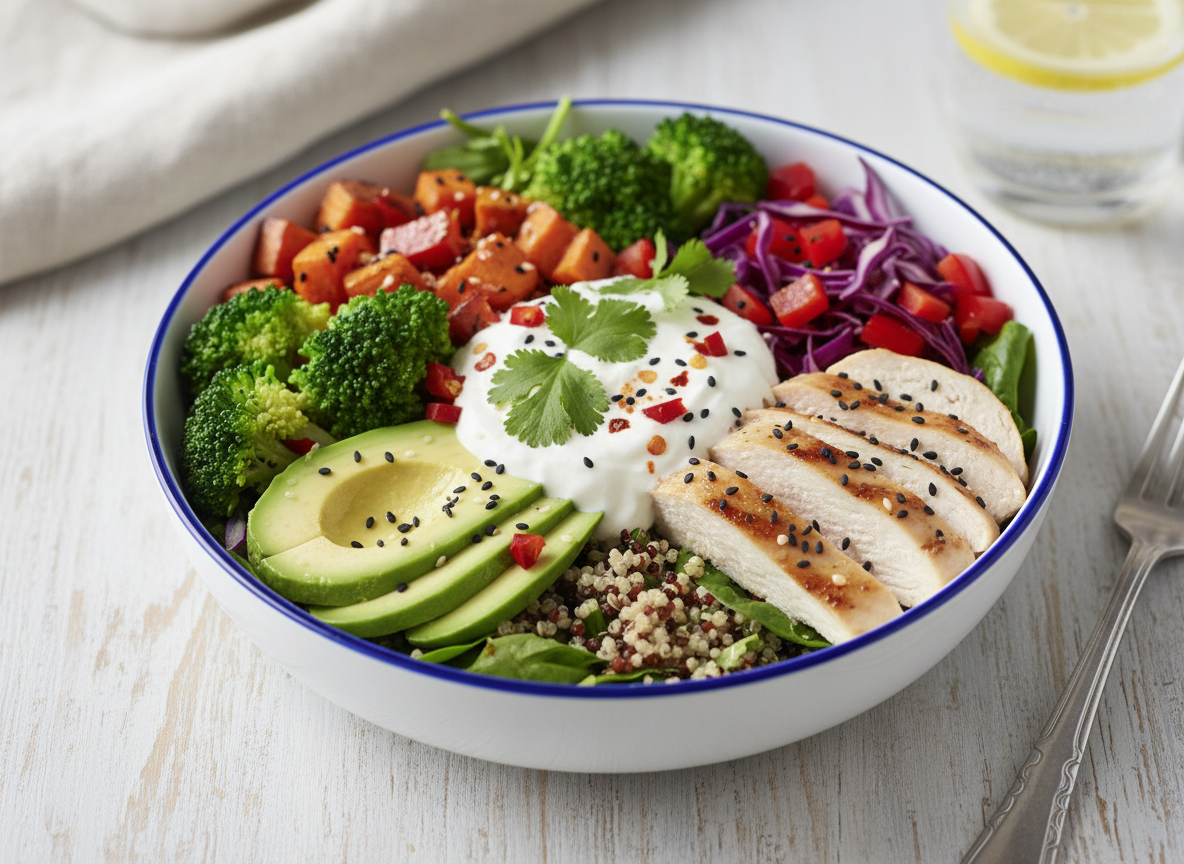
    • Dinner: Bean, chicken or tofu bowl with vegetables, avocado and a whole grain

    The easiest way to build a better meal

    When you don’t know what to make, start with four questions:

    • Where is my protein?
    • Where are my vegetables or fruit?
    • Where is my fiber-rich carbohydrate?
    • What healthy fat could round this out?

    That simple checklist can turn an ordinary meal into a more balanced one without counting every calorie or following a rigid diet.

    Healthy eating after 50 is not about eating perfectly

    The goal isn’t to find a magic “women over 50 diet.” It’s to create an eating pattern you can actually live with.

    Eat a variety of foods. Get enough protein. Choose plenty of plants. Pay attention to calcium, vitamin D and B12. Drink water. Keep highly processed foods from taking over your plate. And leave room for the foods that make life enjoyable.

    Your turn

    What is one food you started eating more of after 50 that made you feel better—or simply made healthy eating easier? Tell us in the comments. Your idea might help someone else.

    Helpful source: The National Institute on Aging’s guidance on healthy eating as you age provides additional information about food groups, protein, fiber, hydration and meal planning.

    https://amzn.to/4rBpjtM #ad

    Common Questions About Diet After 50

    What should women eat after 50 for healthy aging?

    A balanced eating pattern with adequate protein, vegetables, fruits, whole grains and other nutrient-dense foods can support energy and overall health.

    Do women need more protein after 50?

    Protein needs depend on body size, activity, health and goals, but adequate protein becomes particularly useful for maintaining muscle as we age.


    Disclosure: Some links in this article are affiliate links. If you purchase through one of these links, Well After 50 may earn a commission at no additional cost to you.

    About Tom Green

    Written by Tom Green, creator of Well After 50. Tom shares practical, straightforward ideas about skincare, fitness, nutrition, wellness and healthy aging after 50.

  • The Over-50 Protein Guide: The Secret to Protecting Your Muscle and Energy

    The Over-50 Protein Guide: The Secret to Protecting Your Muscle and Energy

    Protein gets called a “secret” for a reason: people often underestimate how much their food choices matter when they are trying to maintain muscle as they get older. But protein is not magic, and more is not automatically better.

    For me, protein makes the most sense when it is part of the bigger picture: resistance training, enough total food, good sleep and a diet that provides more than one nutrient.

    Why protein matters after 50

    Your body uses protein to build and repair tissues. As we get older, maintaining muscle becomes increasingly important for strength and everyday function. Resistance training and adequate protein work together much better than either one by itself.

    Build meals around real food

    • Eggs, milk, cottage cheese and yogurt if you tolerate dairy.
    • Chicken, turkey, fish and lean meats.
    • Beans, lentils and other legumes.
    • Tofu, tempeh and other soy foods.
    • Protein-rich snacks when meals are spread far apart.

    Spread protein across the day

    Instead of eating almost all your protein at dinner, it can be practical to include a meaningful source at several meals. That makes it easier to reach an appropriate daily intake without turning one meal into a giant plate of food.

    Don’t forget the rest of the plate

    Protein does not replace vegetables, fruit, whole grains, healthy fats or enough total calories. If you are trying to gain muscle while chronically under-eating, simply adding a protein shake may not solve the bigger problem.

    Food first, supplements when useful

    A protein powder can be convenient. It is not mandatory. I look at supplements as a practical tool when normal meals do not make it easy to meet my needs.

    How much is enough?

    There is no single protein number that is right for every person. Body size, activity, goals and medical conditions matter. Someone with kidney disease or another condition requiring dietary restrictions should discuss appropriate intake with their clinician.

    Common Questions

    Why is protein so important after 50?
    Protein helps support muscle maintenance, strength, recovery, and many other functions as you age.

    How much protein do you need after 50?
    There isn’t one number that fits everyone. Needs depend on factors such as body size, activity level, goals, and health.

    Can eating enough protein help protect muscle after 50?
    Yes. Adequate protein combined with regular resistance exercise can help support muscle maintenance and growth.

    Can protein help you maintain your energy after 50?
    Protein provides calories and supports muscle, but feeling energetic also depends on sleep, overall nutrition, physical activity, hydration, and health.

    Should you spread protein throughout the day after 50?
    Including a meaningful source of protein at each meal can be a practical way to consistently meet your daily needs.

    What are good protein foods after 50?
    Options include eggs, fish, poultry, lean meats, Greek yogurt, cottage cheese, beans, lentils, tofu, and other protein-rich foods.

    Do you need protein powder after 50?
    No. Protein powder is optional. It can be convenient when getting enough protein from regular foods is difficult.

    Can you build muscle after 50 with protein alone?
    No. Protein supports muscle, but resistance training is also important for giving your muscles a reason to become stronger.

    Is too much protein better after 50?
    More isn’t automatically better. Your overall protein intake should fit your individual needs, diet, activity level, and health.

    What is the simplest protein strategy after 50?
    Include a good protein source at each meal → strength train regularly → eat a balanced diet → stay consistent.

    Practical takeaway: Don’t think of protein as a magic food. Think of it as one important part of protecting your muscle as you get older—especially when combined with strength training.

    A gentle health note: If you have kidney disease or another medica

    My bottom line

    Protein is important, but it works best as part of a complete plan. Lift, eat enough nutritious food, include protein regularly and give your body time to recover.

    General nutrition information, not individualized medical advice.


    Affiliate Disclosure: Some links in this post may be affiliate links. If you purchase something through one of these links, Well After 50 may earn a small commission at no extra cost to you. This helps support the site and allows us to continue creating helpful content.

    About Tom Green

    Written by Tom Green, creator of Well After 50. Tom shares practical, straightforward ideas about skincare, fitness, nutrition, wellness and healthy aging after 50.