Tag: healthy aging

  • Skin Longevity After 50: Can You Really Reverse Skin Aging?

    Skin Longevity After 50: Can You Really Reverse Skin Aging?

    Can you really reverse skin aging?

    Short answer: No. Nothing you can buy today reverses skin aging, not a cream, a serum or a pill. “Skin longevity” means helping your skin age as well as it can, and the thing that does the most is sunscreen every day, followed by plain basics like a good moisturizer and a strong skin barrier.

    Lately I keep seeing a new phrase on skincare labels: skin longevity. It sounds exciting. It also sounds a whole lot like a promise.

    So let me give you the straight answer to the question up top first, before anybody spends ninety dollars on a jar.

    No, you can’t reverse cellular aging with anything you can buy today. Not with a cream, not with a serum, not with a pill.

    Now, I’m not knocking the idea. I work out four days a week and I’ve started taking a longevity supplement myself, so I’m all for anything that helps us age well. I’ve just learned to read the fine print before I open my wallet.

    And fellas, this one’s for us too. The sun doesn’t care whether you call it skincare or not.

    So where did the idea come from?

    It’s not all hype. Back in 2022, a team at the Babraham Institute in England, led by Professor Wolf Reik, took skin cells from older people and “rewound” them in the lab. By their measurements, the cells acted about 30 years younger, and they even started making more collagen again.

    That’s a big deal. But here’s the catch. It happened in a dish, in a lab, using a genetic technique. Nobody’s tried it on a living person’s face, and the scientists themselves said they don’t fully understand how it works yet. That’s years away from anything you or I could use, if it ever gets here at all.

    So when a bottle on the shelf says “longevity,” it’s borrowing the excitement from research like that. It’s not selling you the research itself.

    What skin longevity really means

    Dr. Jane Yoo is a board-certified dermatologist in New York, and she wrote a good piece on this. The way she puts it, old-school anti-aging was about how your skin looks. Skin longevity is about how well your skin works as it gets older: holding onto moisture, keeping a strong barrier, and bouncing back from wear and tear.

    She also warns that the word is spreading faster than the science behind it. Just because a label says “longevity” doesn’t mean that product was ever tested to do anything special.

    I reckon that’s a pretty fair way to see it. Think of it like taking care of an old truck. You can’t make it new again, but good upkeep keeps it running a lot longer.

    The three things your skin cells need

    1. Energy

    Your skin cells run on energy to repair damage and make collagen. One molecule in the middle of all that is called NAD+, and our levels of it drop as we get older. That’s why NAD+ creams are suddenly everywhere. (It’s the same idea behind the NMN pills I looked at in my post on NMN supplements.)

    The honest truth? The skin research on NAD+ creams is still early. They’re aimed at something real, but nobody’s proven they turn back the clock on a real person’s face.

    2. A strong barrier

    Your skin barrier is the outer wall that keeps moisture in and junk out. When it gets weak, your skin turns dry, tight and touchy, and no fancy ingredient can do its job. Plain stuff like ceramides and glycerin in a good moisturizer does more here than most folks think. I went through what to look for in how to pick a moisturizer after 50.

    3. Repair signals

    Peptides are little pieces of protein that act like messengers, nudging your skin to keep up its repair work. Some have better evidence than others, and they help a little over time. They’re not magic. I dug into the popular ones in Korean peptide serums for mature skin.

    You’ll also see CoQ10 in a lot of these products. It’s an antioxidant your body already makes, and like NAD+, you make less of it as you age. It’s a sensible add-on, not a time machine.

    What actually does the most

    Here’s the part that won’t sell a fancy serum, but it matters more than anything else in this post: sunscreen, every day.

    A study of nearly 300 women, published in 2013, found the sun seemed to be behind about 80% of the visible signs of aging on their faces. Wrinkles, spots, sagging, a lot of what we blame on birthdays is really years of sunshine.

    Dr. Michelle Wong, a chemist who runs Lab Muffin Beauty Science, has spent years cutting through skincare marketing, and sunscreen is one of the things she keeps coming back to. If you like knowing the “why” behind a product, her site is a good one to bookmark.

    After sunscreen, the plain basics carry the most weight:

    • A gentle routine you’ll actually stick with. Simple beats complicated.
    • Don’t strip your skin. Harsh scrubs and too many strong products wear the barrier down.
    • Sleep. Your skin does its repair work at night. More on that in can poor sleep make your skin look older.
    • Real food and no smoking. Not exciting, but it shows on your face.

    The trendy ingredients can sit on top of that foundation. They just can’t replace it.

    Can you improve wrinkles and sun damage you already have?

    Here’s the encouraging part: even if you’ve spent years in the sun, you can still improve some of the signs it left behind. Dermatologists call this photoaging. It can show up as fine lines, uneven color, rough texture, and sun spots. The American Academy of Dermatology says treatment can reduce some visible damage, although it can’t erase everything. Sunscreen helps prevent more damage; treatment is what may improve changes that are already there.

    What about retinol, retinal, and prescription tretinoin?

    These vitamin A relatives, called retinoids, deserve a spot in this conversation. They aren’t cellular time machines, but they can improve the appearance of aging skin. A systematic review of eight randomized trials, involving 1,361 people, found that prescription tretinoin improved fine and deeper wrinkles caused by sun exposure. A separate review comparing topical treatments found evidence of improvement in several photoaging measures with retinoids, including retinol. These products can also irritate skin, especially at first, so stronger isn’t automatically better for everybody.

    If you’re wondering whether the newer retinal is worth paying extra for, I dig into the differences, the evidence, and the irritation question in Retinal vs. Retinol After 50: Which One Actually Works Better? It’s a useful next step before buying another bottle.

    Looking younger isn’t the same as making skin cells younger

    Here’s the distinction I don’t want lost in all the excitement. A treatment might soften wrinkles, fade spots, or improve texture without reversing the biological age of your skin cells. Those are two different claims. In the Babraham Institute’s 2022 experiment, scientists changed age-related markers in skin cells in a laboratory. That’s fascinating research, but it isn’t an anti-aging cream or a proven treatment for people. So yes, visible skin aging can sometimes be improved. Reversing cellular aging in a person’s skin is a much bigger scientific hurdle.

    Other voices worth following

    If you want to keep learning about this, here are a few folks I trust:

    • Dr. Michelle Wong of Lab Muffin Beauty Science explains skincare science in plain language and calls out hype.
    • Angie of Hot & Flashy writes about style, beauty and health for women in their “hot-flash years,” and she tests a lot of skincare and sunscreen on her own 60-something skin.
    • Caroline Hirons, the British skincare expert who wrote Skincare: The Ultimate No-Nonsense Guide, keeps things practical.

    Common Questions

    What is skin longevity?
    It’s a newer way of thinking about skincare. Instead of just hiding wrinkles, the goal is keeping your skin healthy and working well as it ages: a strong barrier, good moisture, and steady repair.

    Can you reverse cellular aging in your skin?
    Not with anything you can buy today. Scientists have made skin cells act younger in a lab dish, but that’s research, not a product.

    Do NAD+ skin creams work?
    The research is still early. NAD+ does drop with age, but no cream has been proven to reverse aging in real people.

    What’s the best thing you can do for aging skin after 50?
    Wear sunscreen every day. After that, a gentle routine, a good moisturizer, sleep and real food do more than any trendy ingredient.

    So no, nobody can turn back the clock on your skin. But you can sure help it age about as well as it possibly can. Protect it from the sun, keep the barrier strong, and don’t fall for the miracle jars.

    Next week in this little series, I’m looking at retinal vs. retinol, and why doctors keep bringing it up for mature skin.

    What’s one thing in your skincare routine you’d never give up? Tell me in the comments.

    — Tom

    This is general information, not medical advice. If you have a skin condition or are thinking about a new treatment, talk with your dermatologist.

    I’ve also mapped out some great tools on my new Tech for Independent Living After 50 page.

  • Books of the Month: November – 3 Bestsellers Worth Reading After 50

    Books of the Month: November – 3 Bestsellers Worth Reading After 50

    What are the best books to read this November?

    Short answer: This month’s three bestsellers are The Forever Strong Playbook by Dr. Gabrielle Lyon, a six-week plan for getting stronger; Vibe by Adam Grant, on the science of building close friendships; and Replaceable You by Mary Roach, a funny look at how medicine repairs and replaces the parts of us that wear out.

    Every month I pick three books worth your time, and they all have to earn a spot on the shelf here: they’ve got to be selling well right now, and they’ve got to have something real to offer folks over 50.

    This month’s three line up with the things we talk about most on this site: staying strong, staying connected to people, and understanding the body we’ve got. One will get you moving, one will help you feel less alone, and one will make you laugh while it teaches you something.

    Book cover of The Forever Strong Playbook by Dr. Gabrielle Lyon

    1. The Forever Strong Playbook by Dr. Gabrielle Lyon

    Dr. Gabrielle Lyon’s first book, Forever Strong, made a lot of folks rethink muscle. Her big idea is that muscle isn’t just about looks. It’s what keeps your metabolism, your balance and your independence going as you age. This new one, which came out in January and has been a New York Times and USA Today bestseller, takes that idea and turns it into a plan you can actually follow.

    It’s a six-week program. You get more than 100 exercises you can do at the gym or at home, over 60 recipes, and plain advice on sleep, recovery and stress. The plans scale, so whether you’ve never lifted a thing or you’ve been at it for years, there’s a starting point for you.

    Why I picked it: I work out four days a week, and if there’s one thing I’d tell anybody over 50, it’s that strength training matters more now, not less. Most books tell you why. This one tells you what to do on Monday morning. If you liked my post on building muscle after 60, this is the next step.

    Great for: men and women who want a simple, week-by-week plan to get stronger without guessing.

    Find The Forever Strong Playbook here →

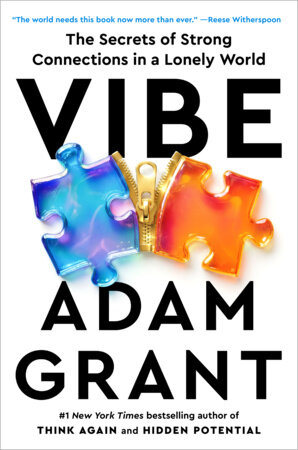
    Book cover of Vibe by Adam Grant

    2. Vibe: The Secrets of Strong Connections in a Lonely World by Adam Grant

    Adam Grant is an organizational psychologist at Wharton and one of the best-known writers on how people work and get along. Vibe came out October 13 and jumped right onto the New York Times, USA Today and independent bookstore bestseller lists. It’s all about the science of friendship, companionship and love, and how to build bonds that are faster, stronger and longer-lasting.

    A few of his points surprised me. You don’t have to have a lot in common with somebody to get close to them. Chemistry doesn’t always show up right away. And getting close doesn’t always take years. He backs it up with research and some good stories, from astronauts to a rock band.

    Why I picked it: Loneliness isn’t just a bad feeling. In 2023, U.S. Surgeon General Dr. Vivek Murthy put out a whole advisory on it, and he compared the health risk of being cut off from people to smoking up to 15 cigarettes a day. After 50, friend circles tend to shrink with retirement, moves and loss. I wrote about that in how to make new friends after 50, and I reckon this book is the perfect companion to it.

    Great for: anybody who’s feeling a little more alone than they’d like, or who wants to get closer to the people already in their life.

    Find Vibe here →

    Book cover of Replaceable You by Mary Roach

    3. Replaceable You: Adventures in Human Anatomy by Mary Roach

    Mary Roach, the author of Stiff, has a gift for making science funny. In this one she looks at how medicine repairs and replaces the parts of us that wear out. She spends time in a burn unit, travels with cataract surgeons, talks with amputees and people living with ostomies, and visits researchers trying to grow new tissue and even 3D-print it. It was an instant New York Times bestseller and landed on a pile of best-of-the-year lists, and the new paperback came out September 1.

    Why I picked it: After 50, replacement parts stop being a joke. Most of us know somebody with a new knee or hip, a pacemaker, or new lenses after cataract surgery, and some of us are that somebody. This book takes something that can feel a little scary and makes it fascinating. You’ll come away amazed at what your body can do and how far medicine has come.

    Great for: folks who are curious about how the body works, like a good laugh, or have a surgery coming up and want to feel less nervous about it.

    Find Replaceable You here →

    How I pick these books

    Popular isn’t enough. I check the current bestseller lists to see what folks are actually buying, then I only keep the ones that have something useful to say about health, strength, connection or getting older well. And they have to be books I’d hand to a friend on the porch without thinking twice.

    What are y’all reading this month?

    Tell me in the comments. You never know who’ll find their next favorite book because of you.

    I’ve also mapped out some great tools on my new Tech for Independent Living After 50 page.

  • How to Make New Friends After 50 When You’re Not a Social Butterfly

    How to Make New Friends After 50 When You’re Not a Social Butterfly

    How do you make new friends after 50 if you’re not a social butterfly?

    Short answer: Don’t go looking for a best friend. Look for one person you enjoy talking to, and go where the same people show up week after week, so faces turn into friends. When someone seems interesting, stay one extra minute, then invite them to something small, like coffee.

    You do not have to become a social butterfly to make a new friend.

    You do not have to walk into a crowded room and work the crowd. You do not have to become someone who loves small talk.

    And you certainly do not have to pretend you are younger than you are.

    You just need a reason to cross paths with the same people often enough for something real to grow.

    Friendship after 50 can be different

    When we are younger, friendship often happens automatically. School. Work. Neighbors. Children. Sports. Shared schedules.

    After 50, some of those built-in connections disappear. Retirement, divorce, moving, children leaving home and losing touch with old friends can quietly change a person’s social world.

    You can be surrounded by people and still feel alone.

    1. Stop looking for “a best friend”

    That goal is too big.

    Look for one person you enjoy talking to. One person you could have coffee with. One person who makes you laugh. One person you would like to see again.

    Friendship usually grows through small repetitions, not one dramatic meeting.

    2. Go where the same people go

    If you attend a different event every week, you meet lots of people but rarely have enough repeated contact to build familiarity.

    Try something recurring: the same walking group, class, volunteer shift, church activity, book club, gym time, community event or hobby group.

    Familiarity is one of friendship’s quiet ingredients.

    3. Use the “one extra minute” rule

    If someone seems interesting, stay one extra minute.

    Ask one question. Give one compliment. Mention something you have in common.

    You do not have to perform. You are simply leaving the door open.

    4. Invite people to something small

    “Want to grab coffee sometime?” can feel surprisingly big.

    Try something more specific:

    • “I’m going to walk Saturday morning. Want to come?”
    • “I’m grabbing lunch after this. Want to join me?”
    • “I’m going to that market next weekend. Want to go?”

    Small invitations are easier to accept and easier to decline without embarrassment.

    Or keep it close to home. A pot of good coffee on the porch is about as easygoing an invitation as there is. If you want to make it a little special, Hula Daddy sells Kona coffee grown in Hawaii that gives folks something to talk about. (affiliate link)

    5. Do not take every “no” personally

    Adults have complicated lives. Someone may be busy, tired, caring for family, working or simply not ready to expand their social circle.

    One no does not mean you are unlikeable.

    6. Let friendship be imperfect

    A new friend does not have to agree with everything you believe. They do not have to share your entire history. They do not have to be available every day.

    Sometimes a good friendship is simply two people who enjoy being around each other.

    Why this matters more than people realize

    The National Institute on Aging notes that loneliness and social isolation can affect physical, mental and cognitive health. That does not mean everyone needs a huge social calendar. It means meaningful connection matters.

    So if you have been telling yourself, “I’m just not a people person,” consider changing the sentence.

    Maybe you are not a crowd person. That is different.

    A challenge for this week

    Do not promise yourself you will make five new friends.

    Instead, start one conversation. Return to one place. Say yes to one invitation. Invite one person to do something simple.

    That is enough.

    Common Questions

    Is it harder to make friends after 50?

    It can be because some natural sources of connection change, but adults can absolutely form new friendships later in life.

    What if I am shy?

    Choose low-pressure settings with repeated contact. You do not need to become outgoing to become connected.

    Where can I meet people after 50?

    Try recurring activities such as volunteering, classes, walking groups, hobbies, community organizations, faith communities or places you already enjoy.

    What if someone does not respond to my invitation?

    Do not automatically interpret it as rejection. Keep meeting people and leave room for friendships to develop naturally.

    Keep Reading

    Find more practical ideas for living a fuller life after 50 at Well After 50.

    About Tom Green

    Tom Green is the creator of Well After 50, sharing practical ideas for healthier, happier and more meaningful life after 50. He was born in Pell City, Alabama, in 1962, and he’s a country boy and a true Southerner through and through.

    Sources & Proof

    National Institute on Aging: Loneliness and Social Isolation
    National Institute on Aging: Staying Connected

    Note: If loneliness is accompanied by persistent sadness, hopelessness or loss of interest in normal activities, consider talking with a healthcare professional.

    A Book Worth Picking Up

    Vibe: The Secrets of Strong Connections in a Lonely World book cover

    If this post spoke to you, here is a book that goes deeper. In Vibe: The Secrets of Strong Connections in a Lonely World, Adam Grant looks at the science of how closeness actually forms, and why building meaningful ties feels so hard right now. What I like best is that Grant starts from his own experience as a shy introvert, so this is not advice from someone who never struggled to connect. It is a practical, encouraging read for anyone who wants stronger friendships without pretending to be someone they are not. You can find Vibe on Amazon.

    Disclosure: Purchases through affiliate links may earn Well After 50 a commission at no additional cost to the reader.

    I’ve also mapped out some great tools on my new Tech for Independent Living After 50 page.

  • How to Enjoy Life After 50: 4 Simple Habits That Make the Years Better

    How to Enjoy Life After 50: 4 Simple Habits That Make the Years Better

    How can you enjoy life more as you get older?

    Short answer: Joyspan is how much you actually enjoy your life as you get older. Gerontologist Dr. Kerry Burnight of the UC Irvine School of Medicine came up with the word, and she says four habits build it: grow, connect, give and adapt.

    Most of us have spent years thinking about how long we’ll live. Then the doctors started talking about how many of those years we’ll stay healthy. Fair enough.

    But here’s a question nobody asks you at your checkup: Are you still enjoying it?

    Turns out there’s a word for that. It’s called joyspan, and I reckon it might be the number that matters most.

    Where the word came from

    Dr. Kerry Burnight came up with it. She’s a gerontologist, which is a doctor who studies aging, and she teaches at the UC Irvine School of Medicine. She spent 16 years working with older folks who’d been neglected and mistreated. After seeing the worst side of growing old, she went looking for the other side: what makes people thrive later in life.

    That search turned into her 2025 book, Joyspan: The Art and Science of Thriving in Life’s Second Half. It became a New York Times bestseller.

    Her idea is simple. Joyspan is how much you actually enjoy your life as you get older. Not how many pills you take or how many steps your watch counts. Just whether you still wake up glad to be here.

    Here’s the part I like best. You don’t have to be in perfect shape to have a long joyspan. Bad knees, stiff back and all, you can still have a good one.

    The four things that build it

    Dr. Burnight boils it down to four habits: grow, connect, give, and adapt. Harvard Health wrote about them too. Here’s how I look at each one.

    1. Grow

    Keep learning something. Doesn’t have to be big. A new recipe. A trail you’ve never walked. Finally figuring out what all those buttons on the TV remote do.

    For me, it’s been this website. Some days I’ve wanted to toss the computer out in the yard. But every time I finally figure something out, I feel about ten years younger. That’s what growing does for you.

    2. Connect

    Stay close to people. This one has a lot of science behind it.

    Yvette Francino is a retired coach who writes a blog called Living Life to the Fullest. After she read the book, she wrote about what keeps her own joy going. One of the biggest? She calls her mom every single night.

    Now, you might think that’s her doing her mom a favor. But Yvette says she gets just as much out of those calls as her mom does. A few minutes on the phone, a few laughs, and they both go to bed a little happier.

    That’s what connection looks like. It doesn’t have to be a big family reunion. It just has to happen.

    And the experts back her up. In the 2026 U.S. News Healthy Aging Survey, 59% of the 63 health experts they asked named loneliness and isolation as the most overlooked thing that speeds up aging.

    Easy start: call one person this week you haven’t talked to in a while. Just to see how they’re doing.

    3. Give

    Help somebody. Drive a neighbor to an appointment. Teach a grandkid to fish. Share what you’ve learned the hard way. Helping somebody you know does more for you than you’d think, and we’ve all got something worth passing on.

    4. Adapt

    Things change. Our bodies change, people we love pass on, plans fall through. Dr. Burnight treats those hard times as a normal part of life, not a sign that the good part is over.

    Helen Williams writes about getting older on her Substack, and she shared a story about her grandparents that I can’t stop thinking about.

    Her grandfather walked everywhere. Swam every day. Kept up with his friends. He stayed in the game right up until illness finally made him stop.

    Her grandmother went the other way. One by one, she found reasons to quit the things she loved.

    Same family. Same generation. Two very different later years. And a lot of that difference came down to little choices, made one day at a time. Like the old saying goes, you can’t change the wind, but you can adjust your sails.

    Quick check: What’s your joyspan?

    Grab a pencil or just keep count in your head. Give yourself a score from 1 to 5 on each one. A 1 means “not me at all.” A 5 means “that’s me all day long.”

    1. Grow: I’ve learned or tried something new in the last month.
    2. Connect: I talk with somebody I care about most days.
    3. Give: I’ve helped somebody this week, even in a small way.
    4. Adapt: When things don’t go my way, I find a way to keep going.

    Now add them up:

    • 16 to 20: You’re doing great. Keep it up, and maybe share what’s working with a friend.
    • 10 to 15: Pretty good, with some room to grow. Look at your lowest score and start there.
    • 4 to 9: No shame in that. It just means you’ve got the most to gain. Pick one area and do one small thing this week.

    This is just for fun, not a medical test. It’s a way to see where you stand today.

    A few small ways to start this week

    Jane Woods is a blogger over in England. She’s closing in on 70, taking care of her husband, and still chasing her own goals. She gave Joyspan five stars on her blog Changing People, and she pointed out something I’d never really thought about.

    Joy and happiness aren’t the same thing.

    You can be going through a rough patch, not happy at all, and still catch a moment of joy. A grandbaby’s laugh. A good cup of coffee on a cool morning. Joy lives in the little moments, if you slow down long enough to notice them.

    So here are a few easy ways to catch more of them. None of them cost a dime.

    • Slow down for the good stuff. That first cup of coffee, a sunset, and a song you love. Actually notice it.
    • Take a “joy snapshot” every day. Before bed, think of one moment that made you smile.
    • Volunteer. Church, food bank, library, or wherever fits you.
    • Tend your friendships. They’re like a garden. They need a little water now and then.
    • Get moving outside. A walk in fresh air does more than you’d think.

    How it fits with everything else

    That same U.S. News survey found the experts put plain old exercise and good food at the top of the list, way ahead of trendy supplements and gadgets. (I looked at one of those trendy supplements in my post on NMN.)

    Joyspan is the other half of that. Exercise and good food help you get more years. Joy is the reason you want them.

    If you want to dig deeper, Dr. Burnight’s book Joyspan is a good place to start. It’s a good one to keep on the nightstand.

    Common Questions

    What is joyspan?
    Joyspan is a word coined by gerontologist Dr. Kerry Burnight. It means how much joy and satisfaction you get out of life as you get older, not just how many years you have.

    How is joyspan different from lifespan and healthspan?
    Lifespan is how long you live. Healthspan is how many of those years you’re healthy. Joyspan is how much you enjoy them.

    What are the four parts of joyspan?
    Grow, connect, give, and adapt. Keep learning, stay close to people, help others, and roll with the changes life brings.

    Can you raise your joyspan after 60?
    Yes. Dr. Burnight treats joyspan as a habit, not luck, and says the best time to start is now. Small steps, like calling a friend or trying something new, count.

    Do you have to be healthy to have a long joyspan?
    No. Plenty of folks with aches, health problems, or hard seasons still find real joy. It’s more about how you live your days than how perfect your body is.

    One question to sit with

    What did you enjoy this week?

    If the answer comes quick, good for you. If it comes slow, pick one of the four, grow, connect, give, or adapt, and do one small thing with it before Sunday.

    Y’all let me know in the comments which one you’re working on. I’d like to hear it.

    — Tom

    I’ve also mapped out some great tools on my new Tech for Independent Living After 50 page.

  • Been Hearing About NMN Supplements? Would It Work for You After 50?

    Been Hearing About NMN Supplements? Would It Work for You After 50?

    Do NMN supplements work after 50?

    Short answer: Maybe, but don’t expect a miracle. NMN helps your body make NAD, which it uses to turn food into energy and repair cells. The human studies are few and small. Some found modest benefits, like walking a little farther or faster, and it looks safe in the short term, but it hasn’t been shown to build muscle or reverse aging.

    If you’ve been hearing about NMN lately, you’re not the only one. It’s in podcasts, it’s in ads, and it’s probably coming from a buddy who swears he’s got more pep since he started taking it. Some folks call it an anti-aging pill. Others say it’s just expensive hype.

    A lot of the buzz started with David Sinclair, a genetics professor at Harvard Medical School. His 2019 book Lifespan: Why We Age and Why We Don’t Have To got a lot of people curious, and he’s said he takes NMN himself. Worth knowing, though: he’s also helped start companies that work on NMN and other supplements, so he’s not exactly a neutral voice. (If you buy the book through my link, I may earn a small commission at no extra cost to you.)

    Lifespan: Why We Age and Why We Don't Have To book cover by David A. Sinclair

    I just started taking NMN myself, so I wanted straight answers, not a sales pitch. I dug into what the human studies say, what it costs, and how to keep from overpaying. Here’s what I found, plain and simple.

    The short answer

    • NMN is not a miracle. There is no proof it slows aging in people.
    • It does raise NAD levels in the blood. That part is well shown. Whether that makes you healthier is still being studied.
    • A few small studies found modest benefits, like walking a little farther or a little faster. Most were short and paid for by companies that sell NMN.
    • It looks safe in the short term. Nobody knows yet about taking it for years.
    • You don’t need to overpay. Good third-party tested brands cost about $10 to $25 a month. Fancy versions can run $65 to $120.

    What is NMN, anyway?

    NMN stands for nicotinamide mononucleotide. That is a mouthful, so here is the simple version.

    Your body uses something called NAD to turn food into energy and to repair itself. NAD levels drop as we get older. NMN is a building block your body uses to make NAD. The idea behind the supplement is simple: give your body more of the building block, and maybe you’ll have more NAD, like you did when you were younger.

    It’s a nice idea. The real question is whether it actually makes a difference you can feel.

    What the human studies actually found

    A lot of the excitement around NMN came from mouse studies. Mice are not people, so I focused on studies done in humans. There are only a handful, and they are small.

    Older men walked a bit faster

    In a 12-week study in Japan, men 65 and older took 250 mg of NMN a day or a placebo. The NMN group walked a little faster and had slightly better grip strength in one hand. But they did not gain muscle, and only 20 men were counted in the final results because of a supply mix-up. The company that made the NMN paid for the study. (Study summary)

    Middle-aged adults walked farther

    In a 60-day study of 80 healthy adults ages 40 to 65, people took 300, 600, or 900 mg a day. NAD levels in the blood went up, and the groups taking 600 and 900 mg walked farther in a six-minute walking test. The researchers thought 600 mg was the sweet spot, because 900 mg was not clearly better. This study was also paid for by companies that make NMN.

    Writer Arkadi Mazin at Lifespan.io made a fair point about this one: people weren’t told to change their activity, so some of the walking gains could simply come from people moving around more during the study. He concluded that the results are promising but not proof.

    Women’s muscles handled blood sugar a little better

    In a 10-week study at Washington University, 25 women past menopause with prediabetes took NMN or a placebo. Their muscles responded better to insulin, which helps manage blood sugar. But their blood sugar levels did not change, and their liver did not respond any differently. (NIH summary)

    My take on the research

    These results are interesting, but they’re small. We’re talking about dozens of people for a few weeks or months, not thousands of people for years. Nobody has shown that NMN helps people live longer or prevents disease. When companies that sell NMN pay for the studies, I want to see the results repeated by independent researchers before I get too excited.

    I’m not the only one who feels that way. Longevity doctor Peter Attia, author of the bestseller Outlive, talked about NMN and NR on the Huberman Lab podcast. His view was that there’s no clear evidence yet that raising NAD with supplements helps people live longer or healthier.

    NMN vs. NR: what’s the difference?

    You may also see NR, or nicotinamide riboside, sold as Tru Niagen and other brands. It’s a cousin of NMN. Both are used by the body to make NAD, and both raise NAD levels in the blood.

    Which is better? Honestly, nobody knows yet. You’ll find plenty of websites claiming one beats the other, but most of them are selling one of the two. For an everyday person, the difference probably matters less than whether you need either one at all.

    Is NMN safe?

    In the studies so far, NMN was well tolerated for a few weeks to a few months, including at doses up to 900 mg a day. Side effects were uncommon and mild. That is reassuring, but it does not tell us what happens if you take it for years.

    Talk to your doctor before trying NMN if you:

    • Have had cancer or are being treated for it. Researchers are still studying how raising NAD affects cancer cells.
    • Take several prescription medications.
    • Have diabetes or take blood sugar medicine.
    • Are dealing with kidney or liver problems.

    Is it even legal to sell?

    This part got confusing. In 2022 the FDA said NMN could not be sold as a supplement, and many listings disappeared from big online stores. In fall 2025 the FDA reversed that decision, and NMN is again allowed as a dietary supplement. (National Law Review)

    That does not mean the FDA checks that it works or that what’s in the bottle matches the label. Supplements are not tested the way medicines are.

    What it costs (and how not to overpay)

    NMN prices are all over the place. A 2026 price guide found premium brands running about $65 to $90 a month at 500 mg a day, and $95 to $120 for liposomal or under-the-tongue versions. You don’t have to pay that. Good, third-party tested capsules from mainstream brands cost a fraction of it.

    Here’s the catch with going too cheap, though: in 2022, testing of 21 popular NMN brands on Amazon reported by ConsumerLab found that 14 of them had less than 1% of the NMN on the label. A bottle with no NMN in it is no bargain at any price. That’s why I stick to known brands that say they’re third-party tested.

    3 budget-friendly, third-party tested NMN brands

    All three of these cost about $20 to $25 a bottle and are labeled third-party tested. Prices are approximate as of October 2026 and change often, so compare before you buy.

    1. Force Factor NMN (the one I started with)

    This is what I started with. I pick it up at Walmart for about $24 for 60 capsules, 250 mg each. Force Factor says its products are third-party tested, and it’s easy to find in stores, so you don’t have to gamble on an unknown online seller.

    2. BulkSupplements NMN capsules

    About $20 for 60 capsules of 500 mg, which works out to roughly $10 a month at one capsule a day. The company says it uses an accredited outside lab, and when Forbes Health writer Heidi Borst had it lab-tested, it came back clean for heavy metals and germs.

    3. Nutricost NMN

    About $22 for 60 capsules of 250 mg. At one capsule a day, that’s roughly $11 a month, and 250 mg is the same dose used in the Japan study. It’s labeled third-party tested and also passed the Forbes Health lab tests for heavy metals and germs.

    Simple ways to save money on NMN

    • Compare price per 250 mg, not price per bottle. A bottle that looks cheap can need two or three capsules a day.
    • Start low. Studies used 250 to 900 mg a day. Starting at 250 mg costs less, and you can talk to your doctor about going higher.
    • Skip the fancy versions. Liposomal, under-the-tongue and gummy NMN cost more, and there isn’t good proof they work better.
    • Avoid “blends.” “NAD booster blend” or “proprietary formula” can hide how little NMN you’re really getting.
    • Buy from known brands and stores. Skip no-name powders and sellers you can’t look up.

    Should you take NMN with resveratrol or TMG?

    Spend about five minutes reading up on NMN and somebody’s going to tell you to take it with resveratrol and TMG. So here’s what those two are, and what we really know.

    Resveratrol comes from red grape skins. Most of the talk about pairing it with NMN goes back to David Sinclair. He’s said he takes the two together. His thinking is NMN fills up your NAD, and resveratrol helps your body put it to work. Sounds good. But so far it’s mostly been tried on lab animals, not people. And not everybody’s sold on it. NAD researcher Charles Brenner has been one of the biggest doubters of the resveratrol research.

    TMG (trimethylglycine, also called betaine) is in beets, spinach and whole grains. When your body breaks down NMN, it uses up some of what TMG puts back. So folks take it to keep things even. Makes sense to me, but nobody’s tested it yet. One heads-up: too much TMG can bump your LDL cholesterol up a little.

    What I’m doing: I’m starting on Toniiq Elixr. It’s got NMN, resveratrol and TMG all in one. It runs about $35 a month on iHerb, which costs more than the cheaper brands up above. I didn’t pick it because it’s proven better. I just liked having all three in one bottle. I’ll let you know how it goes.

    If you’re shopping for a combo, look at how much NMN you’re getting. Some of them look like a good deal and only give you a little bit. One popular combo only has 150 mg of NMN per serving. Elixr has 500 mg.

    How to read an NMN label without getting fooled

    • How much NMN is in one serving. Not “per bottle,” and check whether a serving is one capsule or two.
    • Proof of testing. The best brands post a certificate of analysis, often called a COA, from an independent lab. If a brand only says “third-party tested,” you can email them and ask for the report.
    • Fancy words that don’t mean much. “Pharmaceutical grade,” “ultra-pure,” and “advanced formula” sound impressive, but they aren’t official standards.
    • Who made it and where. A real company name, a real address, and a way to contact them. If you can’t find those, keep shopping.

    Red flags in NMN ads

    • “Reverses aging” or “turns back the clock.” No human study has shown that. Anyone promising it is selling, not informing.
    • “Clinically proven” with no link to the study. If they had a great study, they’d show it to you.
    • A famous doctor or TV personality in the ad. Fake celebrity endorsements are common with supplements. Check the person’s own website before you believe it.
    • “Free trial, just pay shipping.” These often sign you up for monthly charges that are hard to cancel.
    • Countdown timers and “only 3 left.” A real product doesn’t need to rush you.

    A simple 90-day test if you decide to try it

    If you and your doctor decide NMN is worth a try, don’t just take it and hope. Make it a little experiment so you actually know if it’s doing anything for you.

    • Before you start, write down a few things. How’s your energy on a scale of 1 to 10? How long can you walk before you get tired? How are you sleeping? How do your joints feel in the morning?
    • Change only one thing. If you start NMN, a new workout, and a new diet all in the same week, you’ll never know which one helped.
    • Check in every month. Write the same notes again on the same day each month.
    • Be honest at the end. After about three months, compare your notes. If nothing really changed, you can stop and spend that money somewhere else, with no regrets.

    This protects you from the biggest supplement trap of all: spending money every month on something just because you’re afraid to stop.

    What to say to your doctor

    Some people feel a little silly bringing up supplements with their doctor. Don’t. Doctors would much rather know what you’re taking. You can keep it simple:

    “I’ve been hearing about NMN and I’m thinking about trying it. Is there any reason it wouldn’t be safe for me with my health history and the medicines I take?”

    Bring the bottle or a photo of the label so they can see exactly what’s in it. And if your doctor hasn’t heard much about NMN, that’s okay. It’s new, and the research is still thin.

    What probably helps more (and costs less)

    Before you spend money on NMN, make sure the basics are covered. These have much stronger evidence for energy and healthy aging after 50:

    Here’s something the ads don’t tell you: your body already makes NAD on its own, every day, from the food you eat. Vitamin B3, also called niacin, is one of its main building blocks, and you get it from everyday foods like chicken, turkey, tuna, salmon, peanuts, mushrooms, and whole grains. Research also suggests regular exercise helps your muscles keep their NAD levels up.

    One caution: don’t start taking high-dose niacin pills on your own to boost NAD. Large doses can cause flushing and, over time, liver problems. Food sources are the safe way to go.

    Common Questions

    Does NMN really slow aging?
    There’s no proof in people that NMN slows aging or helps you live longer. Small studies found modest benefits, like walking a little farther or faster.

    How long does NMN take to work?
    In studies, people took it for about 2 to 3 months. If you notice nothing after that, it may not be worth the money for you.

    How much NMN do people take?
    Studies used 250 to 900 mg a day. One study found 600 mg worked about as well as 900 mg. Ask your doctor what makes sense for you.

    What’s a good budget NMN?
    Force Factor, BulkSupplements and Nutricost are all labeled third-party tested and cost about $20 to $25 a bottle. Compare the price per 250 mg before you buy.

    Is NMN better than NR?
    Both raise NAD levels. There is no clear proof that one is better than the other for everyday people.

    Is NMN safe for people over 50?
    Short-term studies found it well tolerated, including in men over 65. Long-term safety isn’t known. Check with your doctor first, especially if you’ve had cancer or take medications.

    The bottom line

    NMN isn’t a scam, but it isn’t a fountain of youth either. It does raise NAD in your blood, and a few small studies found some modest gains. That’s about all we know so far.

    If you’re curious and your doctor’s fine with it, trying a tested, budget brand for a few months won’t break the bank. But if you’re deciding where to put your money and energy after 50, I reckon strength training, walking, protein and good sleep come first. Those have the best proof of anything.

    Your turn: Have you tried NMN, or are you thinking about it? Tell me in the comments. I’d like to hear how it’s going for y’all.

    I’m not a doctor or medical professional. This article is general information, not medical advice. Talk with your doctor before starting any supplement, especially if you have health conditions or take medications. Prices are approximate and change often.

    I’ve also mapped out some great tools on my new Tech for Independent Living After 50 page.

  • How to Save Money Without Making Life Miserable After 50

    How to Save Money Without Making Life Miserable After 50

    How can you save money without making life miserable?

    Short answer: Saving money after 50 doesn’t mean giving up everything you enjoy. Start by looking at where your money actually goes, then cut forgotten subscriptions and other recurring bills before you cut the things that make life good. Give yourself a guilt-free spending amount, and wait 24 hours before buying anything you don’t need.

    There is a strange idea about saving money after 50: that the answer is to stop enjoying yourself.

    No more dinners out. No little treats. No trips. No hobbies. No replacing something you actually need.

    That is not a life plan. That is a punishment plan.

    Saving money should give you more freedom—not make you afraid to spend a dollar.

    Start by deciding what is worth paying for

    Before cutting anything, make two lists.

    On the first list: things that genuinely make your life better.

    On the second: things you spend money on mostly because you are on autopilot.

    The second list is where the savings usually hide.

    1. Look at where your money actually goes

    The Consumer Financial Protection Bureau recommends getting a realistic picture of current spending rather than creating a budget based on what you think you “should” be spending.

    Look at your bank and credit-card history. Find the recurring charges. Notice the little purchases that repeat. Do not judge yourself. You are collecting information.

    If you find a lot of last-minute takeout in there, or groceries that went bad before you used them, a meal kit might be worth a look. Marley Spoon sends just the ingredients each recipe calls for, so less food ends up in the trash and dinner’s already planned. (affiliate link)

    2. Cut recurring expenses before cutting joy

    A forgotten subscription can cost you month after month. An insurance policy may deserve comparison. A phone plan may have options you are not using.

    Look for expenses that repeat without making you happier.

    Then leave alone the inexpensive things that genuinely give you pleasure.

    3. Give yourself a guilt-free spending category

    This sounds backward, but it can work.

    Set aside an amount you can afford for fun. When the money is spent, you stop until the next period. When you use it, you do not need to feel guilty because you planned for it.

    A budget that contains no fun is often a budget people eventually abandon.

    4. Use the 24-hour rule for nonessential purchases

    See something you want? You do not have to say no.

    Say, “Not today.”

    Wait 24 hours. If you still want it and it fits your budget, buy it. If the excitement disappears, you just saved yourself money without feeling deprived.

    5. Spend more carefully on the things you use every day

    Cheap is not always inexpensive if you have to replace something twice.

    Look at durability, warranties, quality and how often you will actually use the item. The goal is value—not simply the lowest sticker price.

    6. Save automatically if you can

    Even a modest automatic transfer can make saving easier because it removes the need to make the decision every payday.

    Start with an amount that does not make the rest of the month miserable. A habit you can keep is more useful than a heroic amount you cannot maintain.

    7. Save money for something—not just “someday”

    A savings goal becomes more motivating when it has a name.

    “Vacation.” “Car repair.” “Emergency cushion.” “Christmas.” “Freedom fund.”

    Money becomes easier to protect when you know what it is protecting.

    The best money-saving question after 50

    Instead of asking, “How can I spend less?” try asking:

    “How can I waste less money so I have more for what matters?”

    That is a completely different mindset.

    Common Questions

    Should I stop spending on things I enjoy?

    No. A realistic plan should make room for enjoyment while reducing spending that does not add much value.

    What should I cut first?

    Start with recurring expenses, unused subscriptions, avoidable fees and purchases made mostly out of habit.

    How much should I save each month?

    There is no single amount that works for everyone. Start with an amount that fits your income, expenses and goals, then build the habit.

    Does budgeting mean I cannot have fun?

    No. A good spending plan tells your money where to go while leaving room for things you enjoy.

    Keep Reading

    For more practical life-after-50 ideas, visit Well After 50.

    About Tom Green

    Tom Green writes Well After 50. He was born in Pell City, Alabama, in 1962, and he’s a country boy and a true Southerner through and through. He’s just a regular, laid-back 64-year-old who keeps things simple. He shares what he learns about skincare, fitness and getting older, and what’s working for him. He’s also the author of A Practical Guide to Getting Older Without Giving Up on Yourself. Tom isn’t a doctor. He reads up on the research and passes along what’s useful, plain and simple.

    Sources & Proof

    Consumer Financial Protection Bureau: Assess Your Spending
    Consumer Financial Protection Bureau: Budgeting
    Consumer Financial Protection Bureau: Automatic Saving

    Money note: This is general educational information, not individualized financial advice. Your best choices depend on your income, debt, savings, taxes and other circumstances.

    I’ve also mapped out some great tools on my new Tech for Independent Living After 50 page.
  • Thinning Hair After 50? What Actually Works (and What’s a Waste of Money)

    Thinning Hair After 50? What Actually Works (and What’s a Waste of Money)

    What actually works for thinning hair after 50?

    Short answer: First, ask your doctor for a simple blood test to rule out fixable causes like low iron, thyroid problems or a medicine side effect. For treatment, minoxidil, the active ingredient in Rogaine, is the best-proven option for both men and women, and store brands work the same for less. For men, the prescription pill finasteride is one of the strongest options. Skip biotin gummies unless you’re actually low.

    I’ll be honest with you: this one is personal. My hair has been thinning too, so when I started digging into what actually helps, I wasn’t just researching for a blog post. I wanted answers for myself.

    And here’s what I found. There’s a lot of noise out there: gummies, oils, shampoos and gadgets all promising thick hair again. But only a handful of treatments have real evidence behind them. The good news? Those few actually do work for a lot of people, men and women, if you start early and stick with them.

    The short answer

    • Get checked first. Low iron, thyroid problems and some medications can cause thinning, and fixing them can help.
    • Minoxidil (the active ingredient in Rogaine) is the best-proven treatment for both men and women.
    • Men: finasteride, a prescription pill, is one of the strongest options.
    • Give it time. Most treatments take 3 to 6 months to show results, and you have to keep using them.
    • Skip the biotin gummies unless a doctor finds you’re actually low.

    Why hair thins after 50

    Thinning hair isn’t one single problem, and that’s why there’s no single fix. These are the most common reasons:

    • Pattern hair loss. The most common cause by far, in men and women. Hair follicles slowly shrink and grow thinner, shorter hairs. In men it usually shows at the temples and crown. In women it usually shows as a widening part.
    • Menopause. Hormone shifts can trigger extra shedding and speed up pattern thinning. VCU Health experts say 40% to 60% of women notice hair loss during menopause.
    • Aging itself. With age, follicles respond differently to hormones, nutrients and blood flow, so hair naturally gets sparser.
    • Shedding after a shock to the system. Surgery, illness, a big stress, rapid weight loss or a new medication can cause a wave of shedding a few months later. Doctors call it telogen effluvium. The good news: it usually grows back.
    • Health problems. Low iron, thyroid disease and celiac disease are worth ruling out, especially for women.
    • How you treat your hair. Tight ponytails, braids, harsh dyes and lots of heat can damage hair over time.

    Not sure if you’re shedding or truly losing hair? The American Academy of Dermatology explains the difference, and it matters, because shedding often stops on its own.

    Step 1: Rule out the fixable causes

    Before you spend a dime on products, talk to your doctor. A simple blood test can check your iron stores (ferritin), thyroid and vitamin levels. Ask too whether any of your medications could be playing a part. If something’s off, treating it can slow the thinning and sometimes help hair come back. It’s the cheapest step, and the one most people skip.

    Treatments that actually work

    These have the strongest evidence, according to a 2023 medical review of hair loss treatments.

    1. Minoxidil (Rogaine and store brands): for men and women

    This is the one to know. It’s FDA-approved, sold over the counter, and works for both men and women. You apply the liquid or foam to your scalp. Men can use the 5% liquid or foam. Women can use the 2% liquid or the 5% foam. Store brands work the same as name brands and cost less.

    What to expect: results usually start showing after 2 to 4 months, and the best results come around 4 months and beyond. Many people shed a little more in the first few weeks. That’s normal and means it’s working. The catch is that you have to keep using it. If you stop, the new growth fades.

    2. Finasteride: for men

    Finasteride is a daily prescription pill that’s FDA-approved for male pattern hair loss, and it has some of the strongest evidence for men. It works by blocking the hormone that shrinks hair follicles. Results build over about a year.

    Be aware: some men get sexual side effects or mood changes, so talk it through with your doctor. It’s not used by women who could become pregnant, because it can cause birth defects.

    3. Low-dose minoxidil pills: a newer option

    More dermatologists now prescribe minoxidil as a small daily pill instead of a scalp liquid. It’s easier than applying something twice a day, and a systematic review found it can help both men and women. It’s prescription only and used off-label, and it can cause extra hair growth on the face or body and swelling in the ankles. This is one to discuss with a dermatologist, especially if you take blood pressure medicine.

    4. Spironolactone: for women

    For women with pattern hair loss, doctors sometimes prescribe spironolactone, a pill that blocks hormones linked to thinning. It’s off-label, takes at least 6 months to judge, and needs a doctor to check your blood pressure and potassium.

    5. Red light (laser) caps and combs: for men and women

    Low-level laser devices, caps, helmets and combs that shine red light on your scalp, have FDA clearance and decent evidence, especially as an add-on to minoxidil. They’re pricey up front and need regular use. If you’re curious about red light in general, I wrote about whether red light therapy really works after 50.

    6. Hormone therapy around menopause

    For some women, hormone replacement therapy may slow menopause-related hair loss. It’s a bigger decision with other pros and cons, so it’s a conversation for your doctor. More in my post on managing menopause after 50.

    Treatments with some promise

    • PRP (platelet-rich plasma): your own blood is spun down and injected into your scalp. Results look encouraging, but the studies are small and the treatments are expensive and not standardized.
    • Microneedling: tiny needles on the scalp, used alongside minoxidil, may boost results. Evidence is early, so have it done professionally or ask a dermatologist before trying it at home.
    • Rosemary oil: it went viral for a reason. In a 2015 study of 100 people, rosemary oil worked about as well as 2% minoxidil after six months, with less scalp itching. That’s interesting, but it’s one small study, and it was compared to the weaker strength of minoxidil. If you want to try it, dilute it in a carrier oil and patch-test first.

    What’s mostly a waste of money

    • Biotin gummies and “hair vitamins.” Unless you’re actually deficient, which is rare, extra biotin isn’t likely to help. Worse, high-dose biotin can throw off lab results. The FDA has warned that it can cause falsely low results on a heart attack test. If you take it, tell your doctor before any blood work.
    • “Thickening” shampoos that promise regrowth. They can make hair look fuller for the day, which is nice, but they don’t grow new hair.
    • Anything promising fast results. Real hair growth takes months. A product promising thick hair in two weeks is selling you a story.

    Everyday habits that help your hair

    • Eat enough protein. Hair is made of protein. Here’s how much protein you need after 50.
    • Go easy on your hair. Skip tight styles, keep heat low, and use gentle shampoo and conditioner.
    • Don’t crash diet. Losing weight fast can trigger shedding months later.
    • Protect your scalp from the sun. As hair thins, your scalp is more exposed. Wear a hat outdoors.
    • Get a cut that works with your hair. A good stylist can make thinning hair look fuller in one visit. Shorter, layered cuts often help.

    When to see a doctor or dermatologist

    • Your hair is coming out in clumps or patches
    • Your scalp is itchy, painful, red or scaly
    • You also feel unusually tired, cold or have other new symptoms
    • The thinning is getting worse quickly
    • You want to try prescription options

    Starting early matters. Most treatments are better at holding on to the hair you have than at bringing back hair that’s been gone for years.

    Common Questions

    How do I stop my hair from thinning after 50?
    Start by seeing your doctor to rule out low iron, thyroid problems or medication side effects. Then the best-proven treatment for most men and women is minoxidil. Men can also ask about finasteride. Give any treatment at least 3 to 6 months.

    Can thinning hair grow back after 50?
    Often, yes, at least partly. Shedding from stress or illness usually grows back on its own. With pattern hair loss, treatment works best at slowing thinning and regrowing some hair, especially if you start early.

    What is the best treatment for thinning hair in women over 50?
    Minoxidil has the strongest evidence for women. Doctors may also suggest spironolactone, a laser device, or hormone therapy around menopause. A checkup for iron and thyroid comes first.

    What is the best treatment for thinning hair in men over 50?
    Minoxidil and finasteride, often used together, have the strongest evidence. Talk to your doctor about side effects before starting finasteride.

    Does rosemary oil really work for hair growth?
    One small 2015 study found it worked about as well as 2% minoxidil after six months. That’s promising, but more research is needed. It’s not a proven replacement for minoxidil.

    Does biotin help thinning hair?
    Only if you’re actually deficient, which is uncommon. High doses can also interfere with some blood tests, so tell your doctor if you take it.

    My take

    Thinning hair can hit your confidence harder than people admit. I get it. But after looking at the research, I feel a lot better knowing there are real options, and that most of the expensive “miracle” stuff can stay on the shelf. Get checked, pick a proven treatment, give it a fair six months, and take care of the hair you have.

    Your turn: Are you dealing with thinning hair too? Tell me in the comments what you’ve tried and whether it helped. Your experience could help someone else.

    This article is general information, not medical advice. Talk with your doctor or a dermatologist before starting prescription treatments or supplements, especially if you have other health conditions or take medications.

    About the Author

    Tom Green writes Well After 50. He was born in Pell City, Alabama, in 1962, and he’s a country boy and a true Southerner through and through. He’s just a regular, laid-back 64-year-old who keeps things simple. He shares what he learns about skincare, fitness and getting older, and what’s working for him. He’s also the author of A Practical Guide to Getting Older Without Giving Up on Yourself.

    Tom isn’t a doctor. He reads up on the research and passes along what’s useful, plain and simple.

    I’ve also mapped out some great tools on my new Tech for Independent Living After 50 page.

  • Books of the Month: October – 3 Bestsellers for Staying Strong After 50

    Books of the Month: October – 3 Bestsellers for Staying Strong After 50

    What are the best books for staying strong this October?

    Short answer: This month’s three bestsellers are Protocols by Stanford neuroscientist Dr. Andrew Huberman, a reference on sleep, energy, mood and strength; Heal Your Cells by Dr. Josh Axe and Dr. Will Cole, a food-first plan for feeling less worn out; and Unbreakable by orthopedic surgeon Dr. Vonda Wright, a strength plan for women going through and past menopause.

    Every month I pick three books worth your time. This month all three are about the same thing we talk about here: staying strong, sharp and independent as we get older. They’re all on the bestseller lists right now.

    Book cover of Protocols: An Operating Manual for the Human Body by Andrew Huberman

    1. Protocols: An Operating Manual for the Human Body by Andrew Huberman, PhD

    If you’ve listened to podcasts at all in the last few years, you’ve probably heard of Dr. Huberman. He’s a Stanford neuroscientist, and his health podcast is one of the most popular in the world. Protocols is his first book, and it’s built around one simple idea: small daily habits, done consistently, change how you feel.

    He covers the basics that matter most at our age, including sleep, energy, mood and stress, and he includes protocols for getting stronger and leaner at any age. For each one he explains the science in plain language, then tells you exactly what to do.

    It’s a big book at over 500 pages, but you don’t have to read it front to back. Pick the chapter you need most, probably sleep, and start there.

    Great for: anyone who wants one solid reference book on the shelf for all-around health.

    Find Protocols here →

    Book cover of Heal Your Cells by Dr. Josh Axe and Dr. Will Cole

    2. Heal Your Cells by Dr. Josh Axe and Dr. Will Cole

    Ever feel like you’re doing everything right, eating well, taking your vitamins, getting your walks in, and you still feel worn out? That’s the question this book tries to answer. The authors argue that tiredness, brain fog, gut trouble and hormone changes are all early signs that our cells aren’t working the way they should.

    The book walks you through foods that support your cells, like bone broth, pomegranate and fermented foods, along with ideas about meal timing. There’s also a quiz that tries to show whether one part of your body is aging faster than the rest.

    One honest note from me: Dr. Axe comes from the natural and functional medicine world, and some of what he suggests, like supplements and fasting, is worth running by your own doctor first, especially if you take medications. The food advice, though, is something most of us can use right away.

    Great for: readers who feel tired all the time and want a food-first plan to try.

    Find Heal Your Cells here →

    Book cover of Unbreakable: A Woman's Guide to Aging with Power by Dr. Vonda Wright

    3. Unbreakable: A Woman’s Guide to Aging with Power by Dr. Vonda Wright

    Ladies, this one is for you. Dr. Wright is an orthopedic surgeon who has spent over 20 years helping people stay active as they age. Her message is simple: getting older doesn’t have to mean getting weaker.

    She explains how menopause speeds up the loss of muscle and bone, which is what leads to falls, broken bones and losing your independence later on. Then she gives you a plan to fight back, covering nutrition, exercise and lifestyle, with a six-week exercise program, the blood and mobility tests worth asking your doctor about, and twenty easy anti-inflammatory recipes.

    If you’ve read my posts on building muscle after 60, you know how much I believe in strength training. This book makes that case better than almost anything I’ve read.

    Great for: any woman over 50, and honestly any man who wants to understand what his wife or sister is going through.

    Find Unbreakable here →

    Disclosure: The book links in this post are Amazon affiliate links. As an Amazon Associate, Well After 50 earns from qualifying purchases, at no extra cost to you.

    What are you reading this month?

    Tell me in the comments or in our Facebook group. I’m always looking for the next good one.

    About the Author

    Tom Green writes Well After 50. He was born in Pell City, Alabama, in 1962, and he’s a country boy and a true Southerner through and through. He’s just a regular, laid-back 64-year-old who keeps things simple. He shares what he learns about skincare, fitness and getting older, and what’s working for him. He’s also the author of A Practical Guide to Getting Older Without Giving Up on Yourself.

    Tom isn’t a doctor. He reads up on the research and passes along what’s useful, plain and simple.

    I’ve also mapped out some great tools on my new Tech for Independent Living After 50 page.
  • Does a Consistent Sleep Schedule Help You Live Longer?

    Does a Consistent Sleep Schedule Help You Live Longer?

    Does a consistent sleep schedule help you live longer?

    Short answer: It looks that way. In a study of about 61,000 adults averaging 63, people with more regular sleep had a 20% to 48% lower risk of dying during the study than the least regular sleepers. It doesn’t prove cause and effect. The easiest start is the same wake-up time every day, weekends included.

    New research suggests that when you sleep may matter more than many of us realize. Here’s what the science actually says—and what you can do about it.

    By Tom Green | Well After 50

    Most of us have heard that we need seven or eight hours of sleep. We’ve heard it from doctors, read it in magazines, and probably told ourselves a hundred times that we ought to get to bed earlier.

    But here’s something I found interesting: What if getting enough sleep is only part of the picture? What if keeping a regular sleep schedule matters, too?

    Researchers studying thousands of adults have found a connection between irregular sleep patterns and a higher risk of dying earlier. That certainly caught my attention.

    Before anybody starts worrying about staying up late on Saturday night, though, there’s something important to understand. These studies show an association. They don’t prove that going to bed at the same time every night will make you live longer.

    Still, the findings are worth looking at, especially for those of us over 50.

    What Researchers Discovered About Sleep and Longevity

    A study published in the journal SLEEP examined sleep patterns in 60,977 UK Biobank participants, whose average age was approximately 63. Instead of simply asking people how long they slept, researchers used wearable devices to measure their sleep and activity patterns.

    They were interested in something called sleep regularity—how consistently someone was asleep or awake at similar times from one day to the next.

    Over an average follow-up of about 6.3 years, researchers found that participants in the four groups with more regular sleep patterns had a 20% to 48% lower risk of death from any cause, compared with those in the least regular group.

    Perhaps the most surprising finding was that sleep regularity predicted mortality risk more strongly than sleep duration in the researchers’ models. That’s not the same as saying sleep duration doesn’t matter. It absolutely does. But it suggests we’ve been overlooking an important part of healthy sleep.

    Read the original study: Sleep Regularity Is a Stronger Predictor of Mortality Risk Than Sleep Duration — SLEEP.

    Another Large Study Found a Similar Connection

    A separate study published in eLife examined 88,975 UK Biobank participants, with an average age of about 62. Researchers again used activity-monitoring devices to examine sleep regularity.

    They found that people with highly irregular sleep patterns had higher mortality risks than those with more consistent patterns. In one comparison, participants near the low end of the sleep-regularity scale had a 53% higher estimated mortality hazard than those around the middle of the scale, after adjustments for other factors.

    These findings weren’t based on somebody remembering how much they slept last Tuesday. They came from objective recordings. That’s valuable, although wearable measurements and statistical adjustments still can’t eliminate every possible source of error.

    The two studies also drew on the UK Biobank, so they shouldn’t be treated as two completely independent populations.

    Read the study: Sleep Regularity and Mortality: A Prospective Analysis in the UK Biobank — eLife.

    What a 2025 Review Added to the Picture

    By 2025, there was enough research on sleep regularity for scientists to examine the findings across many different studies. A systematic review published in Sleep Medicine Reviews included 59 primary studies.

    The researchers found that irregular sleep timing was associated with several health concerns, including higher blood pressure, insulin resistance, cardiovascular events, and symptoms of depression and anxiety. Five of the reviewed cohorts also linked less regular sleep with higher all-cause mortality.

    The review strengthens the argument that sleep regularity deserves attention alongside sleep duration and quality. But the authors also called for further intervention research. That’s important because we still need stronger evidence about whether deliberately improving sleep regularity lowers the risk of disease or premature death.

    Read the review: Sleep Regularity as an Important Component of Sleep Hygiene — Sleep Medicine Reviews.

    Why Might Your Sleep Schedule Matter?

    Our bodies run on an internal timing system commonly called the circadian rhythm. It’s involved in much more than deciding when we feel sleepy. This system helps coordinate hormone activity, body temperature, alertness, and other biological functions throughout the day and night.

    Light exposure, mealtimes, physical activity, and sleep schedules all interact with this internal clock. When bedtime and waking time shift considerably from one day to another, the body’s timing signals may become less consistent.

    Researchers are investigating whether this kind of disruption contributes to metabolic changes, inflammation, and cardiovascular problems. However, that doesn’t mean an irregular schedule automatically causes these conditions. Health problems, work schedules, stress, medications, and other circumstances can also disrupt sleep. The relationship may work in more than one direction.

    Does Sleep Change After 50?

    Yes, and that’s something many of us recognize without needing a scientific study to tell us. You might fall asleep earlier than you used to, wake during the night, or find yourself wide awake before sunrise.

    Pain, medications, bathroom trips, stress, and sleep disorders can make matters worse. But needing less sleep simply because we’re getting older is a common misconception.

    According to the CDC, adults ages 61–64 generally need 7–9 hours, while adults 65 and older are advised to get 7–8 hours per night. And those hours need to be reasonably restorative.

    If you’re spending eight hours in bed but waking repeatedly and feeling exhausted the next day, it’s worth finding out why. That’s particularly important when poor sleep has become something you’ve simply learned to live with.

    Seven Ways to Build a More Consistent Sleep Routine After 50

    You don’t have to buy expensive gadgets, track every minute of sleep, or build your entire evening around a complicated routine. Start with a few manageable habits.

    1. Give Yourself a Regular Wake-Up Time

    If you change only one part of your sleep schedule, a consistent wake-up time is a practical place to begin. Try getting up around the same time each morning, including weekends. You don’t need to panic about an occasional late morning. The goal is a pattern your body can become accustomed to.

    2. Get Some Daylight Early in the Day

    Morning daylight helps your internal clock distinguish daytime from nighttime. If you’re able, spend some time outdoors after getting up. Even a morning walk or sitting outside with your coffee can help establish a routine. And you don’t have to turn it into a workout.

    3. Watch That Afternoon Coffee

    Here’s one that can sneak up on us. You may enjoy an afternoon cup of coffee and never feel especially stimulated by it. But caffeine can remain active in the body for hours. If you’re having trouble falling asleep, try moving your last caffeinated drink earlier and see whether your sleep improves.

    4. Keep Moving During the Day

    Regular physical activity supports better sleep and overall health. Walking, gardening, swimming, or strength training can all fit into a healthy routine. If evening exercise leaves you wide awake, try doing it earlier. And if pain is interfering with your sleep, choose activities that don’t aggravate it.

    5. Make Your Bedroom Work for You

    A dark, quiet, comfortable room can make sleeping easier. Keep the temperature comfortable, reduce unnecessary light, and limit distractions. If television or phone use keeps you awake longer than intended, try putting those aside during your wind-down period.

    6. Pay Attention to Alcohol and Late Meals

    Alcohol may make you sleepy initially, but it can also disrupt sleep later in the night. Heavy meals close to bedtime may cause discomfort, especially if you experience acid reflux. You don’t need a rigid set of rules for every evening. Pay attention to what seems to disturb your sleep and make adjustments where you can.

    7. Don’t Ignore Persistent Sleep Problems

    This might be the most important point in the entire article. If you’re regularly struggling to sleep, waking up gasping, snoring heavily, or feeling unusually sleepy during the day, don’t assume it’s just part of getting older.

    Sleep apnea and chronic insomnia are health problems that deserve proper evaluation. For persistent insomnia, cognitive behavioral therapy for insomnia (CBT-I) is recommended as a first-line treatment by the American College of Physicians. There’s a difference between improving your sleep habits and trying to treat a medical sleep disorder on your own.

    A Simple 7-Day Sleep Schedule Reset

    Want to try this without overthinking it? Here’s a one-week plan I’d follow:

    • Day 1: Choose your wake-up time, one you can keep every day of the week. Set an alarm.
    • Day 2: Get outside, or sit by a bright window, within an hour of waking. Even 10 minutes helps set your body clock.
    • Day 3: Make 2 p.m. your coffee cutoff.
    • Day 4: Take a walk sometime during the day. Moving in daylight helps you sleep at night.
    • Day 5: Start a 30-minute wind-down before bed: dim lights, screens down, something calm.
    • Day 6: Keep your wake-up time even though it’s the weekend. This is the hard one, and the one that matters most.
    • Day 7: Notice how you feel. Most people find they get sleepy at about the same time each night once the wake-up time is steady.

    What If You Wake Up at 3 A.M. Every Night?

    First, don’t assume you’ve ruined your night’s sleep. An occasional awakening doesn’t mean something is seriously wrong. If you wake up and can’t get back to sleep, try to avoid watching the clock and becoming frustrated about how many hours you have left.

    When you’re lying awake for a long time, getting out of bed briefly for a quiet, relaxing activity may be more helpful than continuing to struggle. If this happens frequently, a sleep diary can help you notice patterns.

    Write down your bedtime, wake-up time, nighttime awakenings, caffeine use, and how rested you feel. Bring that information to your healthcare provider if the problem persists. You may discover that stress, pain, medication timing, or another treatable issue is affecting your rest.

    Can Better Sleep Actually Help You Live Longer?

    Here’s where I think we need to be careful. The research gives us good reason to take regular sleep seriously. But we cannot honestly say that setting an alarm for the same time every morning will add five years to your life. The studies don’t establish that.

    What they do suggest is that sleep regularity is an important part of overall sleep health—and one that’s easy to overlook. We already have strong reasons to care about getting enough good-quality sleep. Poor sleep is linked with cardiovascular and metabolic health problems, and it can affect how we feel and function during the day.

    Building a steadier routine is a reasonable step toward better sleep, even though its effect on lifespan hasn’t been proven.

    Some folks reach for a supplement before fixing their sleep. If you’ve wondered about NMN for energy and aging, I looked into it here: Been Hearing About NMN Supplements? Would It Work for You After 50?

    Common Questions

    How many hours of sleep do you need after 60?
    The CDC recommends 7 to 9 hours for adults 61 to 64, and 7 to 8 hours for adults 65 and older. Quality and regularity matter too.

    Is it bad to sleep in on weekends?
    An occasional lie-in won’t hurt, but regularly shifting your schedule by a couple of hours can leave you feeling like you have jet lag on Monday. A steady wake-up time is the most helpful habit.

    What is the best bedtime after 50?
    There isn’t one perfect time. The best bedtime is one you can keep consistently that still gives you 7 or more hours before your wake-up time.

    Are naps okay after 50?
    A short nap of 20 to 30 minutes in the early afternoon is fine for most people. Long or late naps can make it harder to fall asleep at night.

    Why do I wake up so early now?
    Our body clock tends to shift earlier as we age, so many people feel sleepy earlier and wake earlier. If you’re waking too early and can’t get back to sleep, morning light and a consistent schedule can help, and it’s worth mentioning to your doctor.

    My Take: Don’t Turn Sleep Into Another Thing to Worry About

    One thing I’ve learned about getting older is that there always seems to be another health rule we’re supposed to follow. Eat this. Don’t eat that. Exercise more. Avoid stress. Get eight hours of sleep. Sometimes it can feel exhausting just trying to do everything right.

    I don’t think that’s the lesson here. The lesson is that something as ordinary as our daily sleep routine deserves a little more attention.

    If you’re sleeping well, feeling rested, and keeping a fairly steady schedule, that’s encouraging. If you’re struggling, maybe start by making one small change instead of trying to fix everything at once.

    And remember, healthy aging isn’t about being perfect. It’s about making choices that give us a better chance of feeling good and staying active in the years ahead. That’s something worth getting a good night’s sleep for.

    About the Author

    Tom Green writes Well After 50. He was born in Pell City, Alabama, in 1962, and he’s a country boy and a true Southerner through and through. He’s just a regular, laid-back 64-year-old who keeps things simple. He shares what he learns about skincare, fitness and getting older, and what’s working for him. He’s also the author of A Practical Guide to Getting Older Without Giving Up on Yourself.

    Tom isn’t a doctor. He reads up on the research and passes along what’s useful, plain and simple.

    Medical Disclaimer

    This article is for educational purposes and is not a substitute for professional medical advice. Talk with your healthcare provider about persistent sleep problems, medications, or suspected sleep disorders.

    Research and Further Reading

    Sleep Regularity and Mortality — SLEEP

    Sleep Regularity and Mortality — eLife

    2025 Systematic Review — Sleep Medicine Reviews

    Sleep Recommendations — CDC

    Insomnia Treatment and Sleep Habits — NIH

    Sleep and Older Adults — National Institute on Aging

    CBT-I Guidelines — American College of Physicians

    I’ve also mapped out some great tools on my new Tech for Independent Living After 50 page.

  • How to Eat Better After 50 Without Going on Another Diet

    How to Eat Better After 50 Without Going on Another Diet

    How do you eat better after 50 without going on a diet?

    Short answer: You don’t need another diet. Start by adding good things instead of banning foods: an egg or Greek yogurt at breakfast, more fiber from oats, beans and berries, and enough protein to help keep your muscle. When you’re not sure what to cook, use the Harvard Healthy Eating Plate, with about half your plate vegetables and fruit.

    Every few months, it seems somebody comes along with another diet that promises to fix everything. Cut out bread. Stop eating after six. Buy a powder. Count every bite. After 50, I think most of us have earned the right to ask a better question: How can I eat a little better without making food another source of stress?

    You don’t need a perfect refrigerator, expensive groceries, or the willpower to turn down every piece of birthday cake. You need a few meals you enjoy, a sensible shopping list, and habits that still work when you’re tired or your week goes sideways.

    Start with what you can add, not everything you must give up

    Instead of declaring certain foods forbidden, take a look at an ordinary day of eating. Is breakfast mostly coffee and toast? Could you add an egg or Greek yogurt? Is lunch a sandwich? Could you add fruit or a handful of baby carrots? A small improvement that lasts is more useful than a dramatic change you abandon by Thursday.

    Stanford nutrition researcher Christopher Gardner, interviewed by Elle Hunt in The Guardian, makes a similar argument: eat well most of the time instead of treating nutrition as an all-or-nothing contest. That’s not permission to ignore nutrition; it’s a way to make a generally healthy pattern sustainable.

    Use a simple plate as your guide

    When you’re not sure what to cook, the Harvard Healthy Eating Plate is a useful starting point: aim for about half a plate of vegetables and fruit, one-quarter whole grains, and one-quarter healthy protein, with sensible amounts of healthy fats and water as a usual drink. These are flexible proportions, not rules you must measure at every meal.

    Here’s what that can look like in a real kitchen: baked chicken or beans, a serving of brown rice, and a generous helping of frozen broccoli with olive oil and seasoning. Don’t like broccoli? Use green beans, cabbage, carrots, or the vegetables you’ll actually eat.

    Try this tonight: Before changing anything else on your dinner plate, add one vegetable or fruit that wasn’t there yesterday.

    After 50, don’t forget the protein

    Protein matters for maintaining muscle and supporting recovery, especially if you exercise. You don’t have to live on shakes or eat a steak at every meal. Fish, eggs, yogurt, cottage cheese, chicken, lentils, tofu, and beans can all contribute. How much you need depends on your size, activity, health, and goals; people with kidney disease or dietary restrictions should ask their care team about a suitable target.

    For a practical start, include a protein-containing food at breakfast, lunch, and dinner. That could be yogurt in the morning, tuna or hummus at lunch, and chicken, fish, or beans at supper. See my guide to protein after 50 if you’d like more detail.

    Fiber is one of the easiest upgrades

    Fiber helps keep digestion regular, and fiber-rich foods can support heart health and make meals more satisfying. Oats, beans, lentils, vegetables, berries, pears, and whole grains are everyday options. There’s no need to make every meal a giant salad.

    Three low-effort changes: choose oatmeal a few mornings a week; stir canned beans into soup, chili, or a rice bowl; and swap white bread for whole-grain bread when you enjoy the taste. Increase fiber gradually and drink enough fluids, particularly if you’ve been eating very little fiber.

    Make breakfast work for you

    Some mornings you’re hungry; other mornings you aren’t. Rather than forcing yourself into a complicated breakfast, keep two reliable options on hand:

    • Sweet: Plain or lower-sugar Greek yogurt with oats, berries, and a sprinkle of nuts or seeds.
    • Savory: Eggs with spinach or tomatoes and whole-grain toast.

    Registered dietitian Keri Gans, speaking with Prevention, describes Mediterranean-style eating as a balanced approach rather than a rigid diet. Her examples show how protein, whole grains, produce, and healthy fats can fit into an ordinary breakfast.

    Build a lunch you can repeat without getting bored

    One of the biggest obstacles to eating better isn’t knowing what to eat. It’s being hungry at noon and having absolutely nothing ready.

    Business Insider writer Rachel Hosie shares a simple, make-ahead grain bowl built from whole grains, beans, protein, and vegetables. Registered dietitian Nichola Ludlam-Raine comments in that article on why this combination is balanced and adaptable.

    You can make your own version with whatever is affordable: leftover rice, canned chickpeas, chopped cucumber or frozen vegetables, chicken or tofu, and a little dressing. Keep cooked leftovers refrigerated promptly, and follow safe storage guidance. Or skip the bowl entirely and make a tuna sandwich with fruit on the side. The point is to have a plan, not a complicated recipe.

    Eat better on a regular grocery budget

    Healthy eating doesn’t require boutique groceries. A few basics stretch a long way:

    • Frozen vegetables and fruit: Usually convenient, often less waste, and useful when fresh produce spoils before you can eat it.
    • Canned beans and fish: Shelf-stable meal starters. Compare labels for sodium when appropriate.
    • Oats, rice, and potatoes: Flexible, filling staples; combine them with protein and produce.
    • Eggs, yogurt, peanut butter, tofu, or chicken: Choose the proteins that fit your budget and dietary needs.
    • Cabbage, carrots, apples, and seasonal produce: Often practical options that keep relatively well.

    Five-minute shopping trick: Before leaving home, choose two proteins, three produce items, and one whole-grain staple. Then think of three meals you can make from them. This cuts down on buying ingredients that don’t fit together.

    A realistic one-day menu

    • Breakfast: Greek yogurt, oatmeal, and berries.
    • Lunch: Tuna or chickpea sandwich on whole-grain bread, plus carrots or fruit.
    • Snack, if hungry: An apple with peanut butter or cottage cheese.
    • Dinner: Baked fish, chicken, or tofu; roasted vegetables; and rice or a potato.
    • Dessert: Something you enjoy if you want it. One dessert doesn’t cancel out the rest of your day.

    Adjust portions and foods to your appetite, medical needs, activity, and preferences. This is an example, not a calorie-controlled diet or a medical meal plan.

    If dinner is the meal where you keep running out of ideas, a meal kit can carry some of that load a few nights a week. Marley Spoon sends the recipe and the ingredients right to your door, so a decent supper with protein and vegetables doesn’t take a lot of planning. (affiliate link)

    What I’d stop worrying about

    I’d stop chasing every food trend, buying “detox” products, and treating one meal as proof that I’ve failed. I’d also stop assuming packaged foods are automatically bad. Canned beans, frozen vegetables, and plain yogurt can make good eating easier. Nutrition is about the pattern over time—not a purity test.

    That doesn’t mean every choice has the same nutritional value. The American Heart Association’s overview of Mediterranean-style eating emphasizes vegetables, fruit, legumes, whole grains, healthy fats, and protein choices that support heart health. These basics are much more useful than a dramatic three-day reset.

    Try this for the next seven days

    1. Pick one breakfast you can repeat.
    2. Add a vegetable or fruit to lunch or dinner.
    3. Include a protein food at each main meal.
    4. Plan two simple dinners before shopping.
    5. Keep one easy backup meal in the house for a tiring day.
    6. Drink water regularly, unless your clinician has advised a fluid restriction.
    7. At week’s end, ask what felt easier—not what you did perfectly.

    Keep the habits that helped and change the ones that didn’t. That’s how eating better becomes part of life instead of another project you have to start over every Monday.

    Common questions about eating better after 50

    Do I need to go on a diet to eat healthier after 50?

    No. Many people can improve the nutritional quality of their usual meals by adding more vegetables, fruit, fiber-rich foods, and appropriate protein rather than following a restrictive diet.

    Are carbohydrates bad after 50?

    No. Carbohydrate quality and portion size matter more than avoiding all carbs. Oats, beans, fruit, and whole grains can be part of a healthy eating pattern.

    What if I cook for one?

    Buy smaller amounts when possible, use frozen produce, and plan meals around ingredients you can reuse. A can of beans might become soup one day and a rice bowl the next.

    What if I’m not hungry?

    Try smaller, nutrient-dense meals and snacks rather than forcing a large plate. Persistent appetite loss, unexpected weight change, or difficulty eating deserves a discussion with a healthcare professional.

    My bottom line

    After 50, the best way to eat better may be the one you can keep doing. Make breakfast a little stronger. Keep a few good groceries on hand. Add more plants. Eat enough protein. Enjoy your food. And don’t turn eating into another reason to be hard on yourself.

    Your turn: What’s one affordable, easy meal you keep coming back to? Share it in the comments—someone else might need that idea.

    Keep Reading

    About Tom Green

    Tom Green writes Well After 50. He was born in Pell City, Alabama, in 1962, and he’s a country boy and a true Southerner through and through. He’s just a regular, laid-back 64-year-old who keeps things simple. He shares what he learns about skincare, fitness and getting older, and what’s working for him. He’s also the author of A Practical Guide to Getting Older Without Giving Up on Yourself. Tom isn’t a doctor. He reads up on the research and passes along what’s useful, plain and simple.

    I’ve also mapped out some great tools on my new Tech for Independent Living After 50 page.