Tag: healthy aging

  • Belly Fat After 50: Why It Won’t Go Away — And What Actually Works

    Belly Fat After 50: Why It Won’t Go Away — And What Actually Works

    Can you get rid of belly fat after 50?

    Short answer: No, you can’t spot-reduce belly fat after 50. Fat comes off your whole body, not just one spot. The CDC says to aim for at least 150 minutes of moderate activity a week, plus strength training at least 2 days a week. That strength work matters most after 50, because it keeps your muscle while the fat comes off.

    If you’re 50+ and you’ve been working out, eating better, and still looking in the mirror wondering, “Why is this belly fat still here?” — you’re not alone.

    And here’s the frustrating part:

    You can lose weight and still have a belly.

    You can do hundreds of crunches and still have a belly.

    And you can eat what you think is a pretty healthy diet and still struggle with that stubborn middle.

    So today, I want to talk about what is actually going on — and more importantly, what you can really do about it.

    No miracle pill.

    No detox.

    No ridiculous promise that you’ll lose your belly in seven days.

    Just the real stuff that works.

    First: You Can’t Spot-Reduce Belly Fat

    Let’s get one thing out of the way.

    Doing more sit-ups doesn’t tell your body, “Burn the fat right here.”

    Ab exercises can strengthen your abdominal muscles, and that’s a good thing. But your body decides where it takes stored fat from.

    So if you’ve been doing endless crunches hoping they’ll melt your belly, that’s probably not the answer.

    The answer is getting your overall body-fat level down while keeping as much muscle as possible.

    And that second part becomes especially important after 50.

    Here’s What Changes After 50

    As we get older, maintaining muscle becomes more important.

    If you aren’t doing resistance training and you’re eating too little, you can lose muscle along with fat.

    And that’s not what you want.

    Muscle helps you stay strong, active and independent. It also helps you maintain a higher daily energy expenditure.

    That’s why I don’t think the answer for people 50+ is simply:

    “Eat less and exercise more.”

    It’s more like:

    Build or maintain muscle, eat intelligently, move regularly, and give your body enough time to respond.

    So What Actually Works?

    Number One: Strength Training

    If you’re 50+, I would put strength training near the top of the list.

    You don’t have to become a bodybuilder.

    You don’t have to spend two hours in the gym.

    But you do need to give your muscles a reason to stick around.

    Squats, presses, rows, leg exercises, machines, resistance bands — there are plenty of ways to do it.

    The important thing is consistency.

    Don’t just try to get smaller. Try to stay strong while you get leaner.

    That’s a much better goal after 50.

    Number Two: Pay Attention to What You’re Eating

    This doesn’t mean starving yourself.

    It means becoming more aware of what you’re actually eating.

    Protein-rich foods can help support muscle.

    Fiber-rich foods can help you feel fuller.

    Vegetables, fruits, beans, whole grains and other minimally processed foods can make it easier to control calories without feeling like you’re constantly dieting.

    And then there’s something we don’t like talking about:

    Portion size.

    You can eat healthy foods and still eat more calories than your body needs.

    Healthy doesn’t automatically mean low-calorie.

    That’s one reason the belly sometimes refuses to cooperate.

    If cooking at home is where you keep falling off track, that’s often where the takeout and the quick snacks sneak in. A meal kit like Marley Spoon sends portioned ingredients and simple recipes right to your door, which takes a lot of the guesswork out of eating better. (affiliate link)

    Number Three: Walk More

    Walking is underrated.

    You don’t need to destroy yourself with cardio every day.

    Getting more movement into your normal day can make a real difference.

    Walk after meals.

    Take the stairs when appropriate.

    Get up from the chair.

    Go outside.

    Keep moving.

    And if you’re already exercising, adding more everyday movement can be a simple way to increase your total activity without beating up your body.

    Number Four: Don’t Ignore Sleep

    Here’s something people sometimes overlook when they’re focused on losing belly fat:

    Sleep matters.

    Poor sleep can make it harder to manage hunger, cravings, energy and your eating habits.

    So if you’re staying up late, sleeping poorly and then trying to fight your appetite all day, you’re making the job harder than it needs to be.

    Getting better sleep isn’t a magic belly-fat treatment.

    But it’s part of the bigger picture.

    And What About Stress?

    Stress isn’t something you can simply “turn off.”

    But if your life is constantly stressful, finding ways to manage that stress is worthwhile for your overall health.

    Walk.

    Exercise.

    Spend time with people you enjoy.

    Get outside.

    Take a break from the phone.

    Do something that actually makes you feel like yourself again.

    Because getting healthier after 50 shouldn’t mean turning your entire life into a punishment.

    Here’s the Part I Really Want You to Remember

    You don’t need to be perfect.

    You need to be consistent.

    If you eat well Monday through Friday and then completely abandon your plan every weekend, progress can disappear.

    If you exercise once and then take a week off, you’re not building a habit.

    But if you keep showing up?

    That’s different.

    Maybe the scale doesn’t move dramatically.

    Maybe your waist changes slowly.

    Maybe your clothes start fitting differently before you see a huge difference in the mirror.

    Those are still signs of progress.

    Don’t Believe Every Belly-Fat Promise You See Online

    If somebody tells you that one food melts belly fat…

    If somebody says a supplement targets abdominal fat…

    If somebody promises a flat stomach in seven days…

    Be skeptical.

    There is no magic button you can push that tells your body:

    “Only burn the fat around my stomach.”

    Real results usually come from things done consistently:

    Strength training.
    Better food choices.
    Reasonable portions.
    Enough protein and fiber.
    Regular movement.
    Good sleep.
    And patience.

    That’s not as exciting as a miracle cure.

    But it’s a lot more useful.

    One More Thing

    If you’re carrying extra weight around your middle, don’t assume it’s simply a cosmetic problem.

    Excess abdominal fat can be associated with increased health risks.

    That’s one reason it’s worth working on — but you don’t need to hate your body to improve your health.

    At 50, 60, 70 and beyond, the goal isn’t to look like you did at 25.

    The goal is to feel strong, move well, stay active and give yourself the best chance to enjoy the years ahead.

    And if your weight or waist size is changing unexpectedly, or you have health conditions or take medications that affect weight, talk with your healthcare professional before making major changes.

    The Bottom Line

    So if you’re 50+ and you’re frustrated because that belly doesn’t seem to want to leave, don’t give up and don’t fall for the next miracle cure.

    Your body isn’t broken.

    You don’t need to punish yourself.

    And you don’t need to live on lettuce.

    What you need is a plan you can actually live with.

    Build your muscle.
    Move your body.
    Eat mostly real, nutritious food.
    Pay attention to portions.
    Get enough sleep.
    And stay consistent.

    The research supports the bigger picture: combining healthy eating with physical activity — especially strength training and regular aerobic movement — can improve body composition, physical function and overall health as we age.

    And here’s something I really want you to remember:

    Don’t judge your progress by the scale alone.

    Maybe your waist gets smaller.

    Maybe your clothes fit better.

    Maybe you’re stronger getting out of a chair.

    Maybe you can walk farther.

    Maybe you look in the mirror and finally think, “Hey… I’m making progress.”

    Those things matter.

    Because after 50, we’re not trying to turn the clock backward.

    We’re trying to make the years ahead better.

    And if you’ve been sitting there thinking, “I’m too old to change now,” I want you to forget that idea.

    You’re not too old.

    Start where you are.

    Do something today that your future self will thank you for.

    I’m Tom Green, and this is Well After 50.

    And remember:

    Life gets better after 50 — but you’ve got to keep showing up for it.


    For another practical perspective on staying active and supporting fitness as we age, Nancy L. Fitness shares exercise and nutrition guidance for adults over 50. Her advice is another voice to consider alongside the basics discussed here; no single workout or food plan can target belly fat by itself.

    Common Questions

    Can you really get rid of belly fat after 50?

    Yes, it is possible to reduce body fat and waist size after 50, although results vary from person to person. Consistent eating habits and regular physical activity are more reliable than quick fixes.

    Do crunches burn belly fat?

    Crunches can strengthen your abdominal muscles, but they do not specifically tell your body to burn fat from your stomach. Overall fat loss is what reduces stored body fat.

    Is strength training important after 50?

    Yes. Strength training can help maintain muscle as you age and during weight loss. NIDDK recommends muscle-strengthening activities at least two days a week for healthy older adults.

    How much walking should I do?

    A common guideline for adults is at least 150 minutes of moderate-intensity aerobic activity per week, along with muscle-strengthening activity on at least two days. Start gradually if you have been inactive.

    Why isn’t my belly changing even though I’m exercising?

    Exercise is important, but food intake, portion sizes, sleep, stress, age, medications, medical conditions and other factors can affect weight management. Progress can also be slower than you expect.

    About Tom Green

    Tom Green writes Well After 50. He was born in Pell City, Alabama, in 1962, and he’s a country boy and a true Southerner through and through. He’s just a regular, laid-back 64-year-old who keeps things simple. He shares what he learns about skincare, fitness and getting older, and what’s working for him. He’s also the author of A Practical Guide to Getting Older Without Giving Up on Yourself. Tom isn’t a doctor. He reads up on the research and passes along what’s useful, plain and simple.

    Health note: This article is for general educational purposes and isn’t medical advice. If you have a medical condition, take medications that affect weight, or are unsure how to safely change your exercise or eating habits, talk with your healthcare professional.

    Research & Sources

    I’ve also mapped out some great tools on my new Tech for Independent Living After 50 page.

  • 📚 4 Award-Winning Books for Healthy Aging After 50 (This Month’s Book Choices)

    📚 4 Award-Winning Books for Healthy Aging After 50 (This Month’s Book Choices)

    What are the best award-winning books on healthy aging?

    Short answer: This month’s four picks are Savvy Woman’s Guide to Menopause by Dr. Julia Schlam Edelman, a 2026 IBPA Gold winner; Aging Well with Diabetes by Dr. Medha Munshi and Dr. Sheri Colberg, a 2026 IBPA Silver winner; Just One Heart by cardiologist Dr. Jonathan Fisher; and The Creative Way Forward by coach Jen Martin, a 2025 IBPA Gold winner.

    Welcome to our monthly Book Choices post!

    Each month, we’ll share a few books that might be interesting, useful, inspiring, or just enjoyable to read.

    This month, I’d also like to hear from you.

    What are you reading right now — or what book would you recommend to someone 50+?

    Share the title in the comments and tell us a little about why you liked it.

    You never know who might discover their next favorite book because of your recommendation! 📖

    Let’s build our Well After 50 reading list together.

    Savvy Woman's Guide to Menopause book cover, a healthy aging book for women over 50

    Savvy Woman’s Guide to Menopause

    by Julia Schlam Edelman (Author) Format: Paperback

    🏆 2026 IBPA Gold Winner — Health & Fitness Excellent fit for our menopause, wellness, nutrition, and healthy-aging discussions. The book is specifically described as evidence-based and covers lifestyle, hormonal and non-hormonal approaches.

    A practical guide to getting through menopause, before, during and after the change, and doing well on the other side.

    Dr. Julia Schlam Edelman has spent more than 30 years as a gynecologist and menopause doctor. She trained at Yale, Columbia and Harvard, she’s a Menopause Society Certified Practitioner, and she also wrote the earlier book Menopause Matters. In this one she takes all that experience and puts it in plain words for the rest of us.

    She walks you through all three stages, perimenopause, menopause and postmenopause, and covers the body, the mind and the feelings that come with each. She doesn’t push one answer. She lays out the choices, from lifestyle changes to hormone and non-hormone treatments to other remedies, and explains the evidence behind them so you can talk it over with your own doctor.

    Here’s what the book covers:

    • Hot flashes, poor sleep, mood swings and memory slips, and practical ways to handle each one
    • Hormone and non-hormone treatments, other remedies, and care tailored to you
    • Lifestyle and medical steps to lower your risk of heart trouble, bone loss, diabetes and cancer
    • Why menopause looks different from one woman to the next, and how that can change your treatment options

    Why I picked it: A lot of women go through menopause with hardly any straight answers, and some get told to just wait it out. This book is the straight answers, from a doctor who’s been doing this work for three decades. It also won the 2026 IBPA Gold Award for Health & Fitness, which tells you other folks think highly of it too.

    Great for: any woman in her 40s, 50s or 60s, whether you’re just starting to notice changes or you’re years past it and want to protect your heart and bones. And fellas, if your wife or sister is going through it, this one will help you understand what’s going on.

    Disclosure: Some of the books mentioned on Well After 50 may include affiliate links. If you purchase through one of these links, I may earn a small commission at no additional cost to you. I only recommend books I believe may be genuinely useful or interesting to people 50+.

    Aging Well with Diabetes book cover, award-winning healthy aging book for older adults

    Aging Well with Diabetes: A 10-Point Action Plan for Older Adults (A Johns Hopkins Press Health Book)

    by Medha Munshi (Author), Sheri Colberg (Author) Format: Paperback

    4.0 4.0 out of 5 stars (2)

    An essential guide to navigating diabetes for older adults and their caregivers.

    Silver Winner of the 2026 IBPA Book Award for Health & Fitness

    In Aging Well with Diabetes, Dr. Medha Munshi and Dr. Sheri Colberg provide practical advice to redefine living with diabetes in later life. As experts in geriatric care and diabetes management, they introduce a clear and accessible 10-step action plan to help you manage diabetes effectively while enhancing your overall vitality and independence.

    Each step in the action plan is detailed with achievable goals, making it a crucial toolkit for anyone living with diabetes or caring for someone who does. The authors discuss:

    • Comprehensive health management, including dietary adjustments, physical activity, medication management, and more
    • How aging and diabetes interact, detailing the physiological changes and challenges that come with managing diabetes at an older age
    • The diversity of experiences among older adults with diabetes and the importance of personalized treatment plans
    • Practical tips and strategies, such as modifying exercises to prevent falls and dietary tips that accommodate older digestive systems
    • Guidance for caregivers and health care providers on how to support older adults with diabetes

    Whether you’re newly diagnosed or a long-time diabetic, this guide will empower you to take control of your health and manage your diabetes with confidence and grace as you age.

    Disclosure: Some of the books mentioned on Well After 50 may include affiliate links. If you purchase through one of these links, I may earn a small commission at no additional cost to you. I only recommend books I believe may be genuinely useful or interesting to people 50+.

    Just One Heart book cover by cardiologist Jonathan Fisher, a heart health book after 50

    Just One Heart: A Cardiologist’s Guide to Healing, Health, and Happiness

    by Jonathan Fisher M.D. | Apr 16, 2024

    A multiple award-winning, evidence-based guide to healing and strengthening the heart—from the inside out

    Our hearts are under strain—physically, emotionally, socially, and spiritually.

    Stress, anxiety, loneliness, and disconnection don’t just affect how we feel.

    They change how our hearts function.

    In Just One Heart, Dr. Jonathan Fisher, a Harvard-trained cardiologist and mindfulness teacher, offers a clear, science-grounded path to restoring health, resilience, and meaning through the heart–mind connection.

    Drawing on the latest research from medicine, psychology, and neuroscience—and integrating time-tested wisdom from contemplative traditions—this book translates complex science into practical, everyday tools to help you:

    • Reduce stress and calm the nervous system
    • Build emotional steadiness and resilience
    • Support heart health beyond numbers and tests
    • Reconnect with purpose, connection, and what matters most

    Part I explores the science of the heart–mind connection and the hidden drivers of modern heart disease, stress, and burnout.

    Part II offers guided practices to cultivate the Seven Timeless Traits of the Heart:

    steadiness, wisdom, openness, wholeness, courage, lightness, and warmth.

    Interwoven throughout are reflections from Dr. Fisher’s own journey through anxiety and burnout, moving patient stories, and insights from more than fifty leaders in mind–body medicine and human flourishing.

    Whether you’re a healthcare professional, a leader under pressure, or someone seeking greater clarity, calm, and wholeness, Just One Heart shows how caring for the heart—fully and wisely—can transform both health and life.

    Just One Heart

    Disclosure: Some of the books mentioned on Well After 50 may include affiliate links. If you purchase through one of these links, I may earn a small commission at no additional cost to you. I only recommend books I believe may be genuinely useful or interesting to people 50+.

    The Creative Way Forward book cover by Jen Martin, a guide to starting over after 50

    The Creative Way Forward: A Guide for Navigating Change in Work and Life

    by Jen Martin (Author) Format: Paperback

    2025 IBPA Book Awards Gold Winner: Self-Help
    2025 IBPA Book Awards Silver Winner: Best New Voice, Nonfiction
    2025 Axiom Awards Gold Medalist in Personal Development

    2024 Foreword INDIES Book Awards Bronze Winner: Career (Adult Nonfiction)
    2024 American Book Fest Award Winner – Self-Help: General
    2024 American Book Fest Award Finalist – Business: Motivational


    “Martin’s well-researched and thoughtfully crafted book provides a road map for staying resilient, adaptable, and true to yourself in the face of life’s challenges.”
    -Daniel H. Pink, New York Times best-selling author of The Power of Regret and Drive

    Learn How to Creatively Adapt, Improvise Solutions, and Embrace Change

    Change is inevitable. If there’s one thing we can plan on, it’s that nothing will stay the same. Yet change can also be challenging, especially when it’s unexpected. In times of disruption when we most need to be creative, we’re often reactive. We hang on to what we know instead of being open to the vast possibilities of what’s next. Professional coach and consultant Jen Martin shows us another way: how to build your creative capacity and ability to improvise forward, even during life’s biggest twists and turns.For those navigating any type of change—whether at work or in life—Jen shares research-backed practices and tools to help you strengthen your agility and adaptability. In this book, you will learn:

    • The four-part Change Curve for navigating transitions
    • How to regulate your nervous system to be creative versus reactive
    • Why knowing “what’s core for you” is critical for being adaptive
    • Three powerful ways to reframe your perspective
    • The type of curiosity you’ll need in order to embrace what’s next
    • How to creatively navigate detours and setbacks on the journey


    This book is a beautiful reminder that while the future is inherently uncertain, it’s precisely when we don’t have all the answers that we often come up with the most interesting ideas and discover the creative way forward.

    Want to Hear More Before You Pick One?

    I like to hear an author talk before I buy a book. If Just One Heart caught your eye, Dr. Kevin Pho had Dr. Jonathan Fisher on The Podcast by KevinMD, and it’s a good listen while you’re out walking.

    And if you’re still looking after these four, Margaret Manning’s site Sixty and Me has a nice list of inspirational books for women over 60. Fellas, don’t skip The Creative Way Forward up above. Change at work and in life hits all of us, and I reckon that one’s worth your time too.

    How We Choose Our Books

    We don’t choose books simply because they’re popular. We look for books that offer something worthwhile for people 50+.

    When putting together our monthly Book Choices, we consider:

    • Useful information — Does the book teach, explain, or offer something readers can actually use?
    • Quality and credibility — Is the author knowledgeable and does the book have substance behind it?
    • Reader response — We look at reviews and what readers consistently say about the book.
    • Relevance to life after 50 — Does it speak to health, wellness, relationships, personal growth, aging, or simply enjoying life more?
    • Different kinds of books — We try to include a mix rather than recommending the same type of book every month.
    • Overall value — Would we feel comfortable suggesting the book to a friend?

    The goal isn’t to find the “perfect” book. It’s to find books that might make your month a little more interesting, useful, or enjoyable.

    Affiliate Disclaimer: Well After 50 may earn a small commission when you purchase products through links on this site, at no additional cost to you. I only share products I believe may be helpful to my readers. Your support helps keep Well After 50 going. Thank you!

    Written by Tom Green, creator of Well After 50

    Tom Green writes Well After 50. He was born in Pell City, Alabama, in 1962, and he’s a country boy and a true Southerner through and through. He’s just a regular, laid-back 64-year-old who keeps things simple. He shares what he learns about skincare, fitness and getting older, and what’s working for him. He’s also the author of A Practical Guide to Getting Older Without Giving Up on Yourself. Tom isn’t a doctor. He reads up on the research and passes along what’s useful, plain and simple.

    I’ve also mapped out some great tools on my new Tech for Independent Living After 50 page.

  • African Descent Skincare After 50: What Your Skin Really Needs

    African Descent Skincare After 50: What Your Skin Really Needs

    What does skin of African descent need after 50?

    Short answer: Keep it simple and gentle: a mild cleanser, a good moisturizer and broad-spectrum SPF 30 or higher every day, because darker skin still gets sun damage and skin cancer. Go easy on scrubs and strong products, since irritation can leave dark marks that last for months.

    If you’re a person of African descent and 50+, your skin doesn’t suddenly need a complicated 10-step routine because you’re getting older.

    But it may need more attention to dryness, pigmentation, sun exposure, sensitivity, the skin barrier, uneven tone, wrinkles and changes in firmness.

    And there’s an important point that often gets missed: people of African descent do not all have the same skin.

    Skin can range from very light to very deep brown, and it can be oily, dry, combination, sensitive, acne-prone or somewhere in between. Your routine should be based on what your individual skin is actually doing.

    Still, there are certain concerns that deserve special attention when caring for more richly pigmented skin.

    Why skincare can change after 50

    Around and after 50, many people notice that their skin isn’t behaving the way it did when they were younger.

    It may become:

    • Drier
    • More sensitive
    • Less resilient
    • Slower to recover from irritation
    • More uneven in tone
    • More prone to fine lines and wrinkles
    • Less firm
    • More affected by environmental exposure

    Hormonal changes can also contribute to dryness and other changes in the skin.

    That doesn’t mean aging skin is unhealthy skin.

    It means your routine may need to become simpler, gentler and more consistent.


    1. Dark spots and uneven skin tone deserve special attention

    One of the biggest skincare concerns for people with darker skin tones is hyperpigmentation—areas of skin that become darker than the surrounding skin.

    Those spots can develop after:

    • Acne
    • Ingrown hairs
    • Cuts and scrapes
    • Insect bites
    • Burns
    • Shaving irritation
    • Picking at blemishes
    • Harsh skincare products
    • Inflammation

    This is called post-inflammatory hyperpigmentation, or PIH.

    The frustrating part is that the original problem can disappear while the dark mark remains.

    And sometimes the mark can take months to fade.

    That’s why preventing irritation can be just as important as treating the pigmentation afterward.

    The lesson?

    Don’t attack a dark spot with increasingly aggressive products.

    If you repeatedly irritate the skin, you may create more pigmentation while trying to get rid of the original pigmentation.


    2. Sun protection still matters

    There is a persistent misconception that darker skin doesn’t need sunscreen.

    That’s not true.

    Melanin provides some natural protection against ultraviolet radiation, but it does not make the skin immune to sun damage.

    Sun exposure contributes to:

    • Uneven pigmentation
    • Dark spots
    • Premature aging
    • Changes in skin texture
    • Fine lines and wrinkles
    • Skin cancer

    If you already struggle with dark spots, daily sun protection becomes particularly important.

    Look for:

    Broad-spectrum SPF 30 or higher.

    Apply it to exposed areas including your:

    • Face
    • Ears
    • Neck
    • Chest
    • Hands
    • Other exposed areas

    And remember that being outside isn’t the only time you can receive significant sun exposure. Driving, walking, gardening and sitting near windows can all add up.


    3. Visible light may matter when pigmentation is your problem

    There’s another piece of the pigmentation puzzle that many people don’t hear about.

    Visible light can contribute to hyperpigmentation, particularly in people with darker skin tones.

    That is one reason some dermatologists recommend tinted sunscreens containing iron oxides for people whose primary concern is pigmentation.

    A tinted sunscreen can provide protection beyond traditional UV protection by helping reduce the effects of certain wavelengths of visible light.

    If dark spots are one of your biggest concerns, this is something worth discussing with a dermatologist.


    4. Don’t forget your neck and chest

    A lot of people have a good facial skincare routine and then stop at the jawline.

    Your neck and chest are exposed to many of the same environmental stresses as your face.

    They can develop:

    • Dryness
    • Uneven pigmentation
    • Sun damage
    • Fine lines
    • Loss of firmness
    • Rough texture

    You don’t necessarily need separate expensive products.

    In many cases, you can simply extend your basic routine down your neck and onto the upper chest.

    And don’t forget sunscreen there.


    5. Your hands can reveal sun exposure too

    Hands are another area people sometimes overlook.

    Years of driving, gardening, working outdoors or simply being outside can contribute to:

    • Dark spots
    • Uneven pigmentation
    • Dryness
    • Fine lines
    • Changes in texture

    When you apply sunscreen in the morning, take a moment to put some on the backs of your hands as well.

    A moisturizer at night can also help combat dryness.


    6. Dry skin can become a bigger issue after 50

    One of the most useful changes you can make after 50 is learning to protect your skin barrier.

    The skin barrier helps keep moisture in and protects the skin from irritants.

    When it becomes damaged, you may notice:

    • Tightness
    • Flaking
    • Roughness
    • Burning
    • Stinging
    • Increased sensitivity
    • Redness or irritation

    Over-cleansing and excessive exfoliation can make the problem worse.

    Try this instead:

    Use a gentle cleanser, avoid very hot water and follow cleansing with a good moisturizer.

    Look for moisturizers containing ingredients such as:

    • Ceramides
    • Glycerin
    • Hyaluronic acid
    • Petrolatum
    • Shea butter
    • Other moisturizing and barrier-supporting ingredients

    You don’t need every ingredient in one product.

    The goal is simply to help your skin stay comfortable and hydrated.


    7. Be careful with exfoliation

    Exfoliation can make skin feel smoother, but more isn’t necessarily better.

    Aggressive scrubbing, frequent acids or multiple exfoliating products can irritate mature skin.

    And if irritation triggers pigmentation, you could end up making uneven skin tone worse.

    If you exfoliate, start conservatively.

    Your skin should not feel raw, burning or persistently irritated afterward.

    If it does, back off.


    8. Acne doesn’t necessarily stop at 50

    Acne isn’t only a teenage problem.

    Adults can continue to experience:

    • Pimples
    • Clogged pores
    • Blackheads
    • Hormonal breakouts
    • Inflammation

    For people with darker skin, there’s an additional concern:

    the pimple may disappear, but the dark mark it leaves behind may stick around much longer.

    That makes preventing unnecessary inflammation especially important.

    Don’t squeeze or pick at blemishes.

    And don’t automatically assume that a stronger product will produce better results.


    9. Ingrown hairs and shaving irritation can leave lasting marks

    Shaving can cause bumps and irritation, particularly around areas such as:

    • The beard area
    • Neck
    • Jawline
    • Underarms
    • Bikini area

    When inflammation occurs, it can leave behind dark marks.

    If shaving regularly causes bumps or pigmentation, consider changing your technique rather than simply adding stronger skincare products.

    Avoid repeatedly scraping irritated skin.

    And give irritated areas time to recover.


    10. Fine lines and wrinkles are still part of the picture

    Darker skin can show certain visible signs of aging differently, but people of African descent absolutely can develop:

    • Fine lines
    • Wrinkles
    • Loss of elasticity
    • Changes in facial volume
    • Sun-related skin changes

    Sun protection remains one of the most important basic steps.

    A nighttime retinoid or retinol product may also be useful for some people.

    But don’t jump into a strong retinoid every night.

    Start slowly, particularly if your skin is dry or sensitive.

    And remember that irritation can lead to pigmentation problems.


    11. Retinol isn’t a requirement

    Retinol has become almost synonymous with anti-aging skincare.

    It can be useful, but you don’t have to use it.

    If you do want to try one:

    1. Start with a lower-strength product.
    2. Use it only a few nights per week initially.
    3. Apply moisturizer regularly.
    4. Don’t pile several irritating products on top of it.
    5. Give your skin time to adjust.

    If your skin becomes persistently irritated, stop and reassess.

    For some people, a simple cleanser, moisturizer and sunscreen routine will be more sustainable than a complicated anti-aging regimen.


    12. Vitamin C and niacinamide may be useful

    You don’t need a cabinet full of serums.

    But certain ingredients can be useful additions depending on your goals.

    Vitamin C

    Vitamin C is commonly used for antioxidant protection and uneven skin tone.

    Niacinamide

    Niacinamide can be useful for several concerns, including supporting the skin barrier and helping improve the appearance of uneven tone.

    The important thing is not to add five new products at once.

    Introduce one product at a time so you know how your skin reacts.


    13. Your eye area deserves attention too

    Darkness underneath the eyes can have many causes.

    Genetics, pigmentation, shadows from facial anatomy, thinning skin, allergies, lack of sleep and other factors can all contribute.

    Don’t assume that a dark under-eye area automatically means you need a powerful bleaching product.

    The delicate skin around the eyes can be easily irritated.

    A gentle moisturizer and good sun protection may be more useful than aggressively treating the area.


    14. Don’t forget your lips

    Lips can become drier as we age.

    Wind, sun exposure, dehydration and irritating products can contribute.

    A simple lip balm can help.

    During the day, consider a lip product with sun protection if your lips are exposed to the sun frequently.

    And if your lips remain persistently cracked, painful or develop a sore that doesn’t heal, have them evaluated.


    15. Your scalp is skin too

    Skincare doesn’t stop at the forehead.

    The scalp can become:

    • Dry
    • Itchy
    • Flaky
    • Sensitive

    Hair products, chemical treatments, tight hairstyles and other factors can contribute to scalp irritation.

    If your scalp is persistently itchy, painful, scaling or developing unusual patches, don’t simply keep adding oils or products.

    A dermatologist can determine what’s actually causing the problem.


    16. Don’t use household bleach or aggressive “skin bleaching” tricks

    This is important.

    Household bleach should never be used on your skin.

    And be cautious with products or internet remedies promising to dramatically “bleach” or lighten your natural skin tone.

    Harsh irritation can damage the skin barrier and potentially make pigmentation problems worse.

    The goal should be healthy, comfortable, even-looking skin—not trying to erase your natural skin color.


    17. A simple morning routine

    You don’t need 10 products.

    A practical morning routine can look like this:

    Step 1: Gentle cleanser

    Clean your face without stripping the skin.

    Step 2: Optional treatment

    Depending on your goals, this could be something such as vitamin C or niacinamide.

    Step 3: Moisturizer

    Especially important if your skin is dry.

    Step 4: Broad-spectrum SPF 30+

    This is the step you don’t want to routinely skip.

    Remember your neck, chest, ears and hands.


    18. A simple nighttime routine

    At night:

    Step 1: Cleanse

    Remove sunscreen, makeup, sweat and the day’s buildup.

    Step 2: One treatment if needed

    This might be retinol, a pigmentation treatment or another dermatologist-recommended product.

    You don’t need several treatments simultaneously.

    Step 3: Moisturize

    Give your skin the support it needs overnight.

    If your skin is particularly dry, a richer moisturizer may be helpful.


    19. What if your skin is very sensitive?

    Then your routine should probably get simpler—not more complicated.

    Start with:

    Gentle cleanser + moisturizer + sunscreen.

    Once your skin is comfortable, you can decide whether you actually need anything else.

    If every new product causes burning, itching or irritation, that’s a reason to slow down.


    20. What if you have oily skin?

    Being 50+ doesn’t automatically mean your skin becomes dry.

    Some people remain oily or develop combination skin.

    You still need moisturizer.

    Choose a lighter moisturizer if that feels more comfortable, and don’t try to “dry out” oily skin with harsh cleansers.

    Over-stripping can create irritation without solving the underlying problem.


    21. What if you have eczema or another skin condition?

    If you have eczema, psoriasis, rosacea, severe acne or another diagnosed skin condition, don’t assume that a general skincare routine will treat it.

    Your routine may need to be adjusted around your condition and medications.

    A dermatologist can help determine what products are appropriate.


    22. Skin cancer can happen in darker skin

    This is one of the most important things to know.

    Having darker skin does not eliminate the possibility of skin cancer.

    Some skin cancers can be missed because people don’t expect them to occur in darker skin.

    Pay attention to unusual:

    • Changing spots
    • Bleeding areas
    • Sores that don’t heal
    • Growing lesions
    • Painful spots
    • Dark streaks or changes involving a fingernail or toenail
    • Unusual areas on the palms or soles

    Don’t assume a suspicious spot is harmless simply because you have darker skin.

    If something changes or doesn’t heal, have it checked.


    23. When should you see a dermatologist?

    Consider getting professional advice if you have:

    • A changing mole or spot
    • A sore that won’t heal
    • Persistent itching
    • Repeated unexplained rashes
    • Severe acne
    • Rapidly worsening pigmentation
    • Painful or infected-looking skin
    • Persistent scalp problems
    • A nail with a new unexplained dark streak
    • A skincare reaction that doesn’t settle down

    A dermatologist can also help if you’re trying to treat stubborn pigmentation and aren’t getting results.


    24. The biggest mistake may be doing too much

    Skincare marketing can make aging sound like an emergency.

    It isn’t.

    You don’t need to chase every new serum, device, peel or trend.

    For many people 50+, the basics do a lot of the heavy lifting:

    Protect. Moisturize. Be gentle. Treat specific problems carefully. Give your skin time.

    That’s a much better strategy than constantly attacking your skin.


    A practical skincare routine for people of African descent 50+

    If you want to keep everything simple, start here.

    Morning

    Gentle cleanser → moisturizer → SPF 30+

    Optional: add one treatment product for a specific concern.

    Night

    Gentle cleanser → one treatment if needed → moisturizer

    That’s it.

    You can build from there if your skin actually needs something else.


    The bottom line

    People of African descent can have beautiful, healthy skin at every age.

    But after 50, your skin may benefit from a different approach than it needed when you were 20 or 30.

    The biggest priorities are not complicated:

    Protect your skin from the sun.

    Protect your skin barrier.

    Take pigmentation seriously without attacking your skin.

    Don’t ignore unusual changes.

    Choose products based on your individual skin—not simply your ancestry.

    And perhaps most importantly, don’t let the skincare industry convince you that aging skin needs to be “fixed.”

    Healthy skin doesn’t have to look 25.

    It just needs to be healthy, protected, comfortable and cared for.

    Common Questions

    Does darker skin need sunscreen after 50?

    Yes. Melanin provides some natural protection, but it does not eliminate UV damage or skin-cancer risk. Broad-spectrum SPF 30 or higher is a sensible daily baseline.

    Why do dark marks last so long?

    Inflammation can trigger increased pigment production. In darker skin, that post-inflammatory pigmentation can remain visible for months or longer.

    Is sunscreen useful for hyperpigmentation?

    Yes. Sun protection helps prevent existing pigmentation from becoming darker and helps reduce continued UV-related damage. Tinted sunscreen containing iron oxides may be particularly useful for people concerned about visible-light-related pigmentation.

    Should people of African descent use retinol?

    Some people can benefit from retinol or prescription retinoids, but they aren’t mandatory. Start slowly because irritation can worsen pigmentation.

    Can people with darker skin get skin cancer?

    Yes. Skin cancer can occur in darker skin, and some cancers may appear in places people don’t routinely check, including the palms, soles and nails.

    Do I need expensive skincare products?

    No. A gentle cleanser, moisturizer and sunscreen can provide an excellent foundation. Add other products only when you have a specific reason.

    Should I exfoliate every day?

    No. Daily exfoliation isn’t necessary for most people, and excessive exfoliation can damage the skin barrier and trigger irritation and pigmentation.

    What is the most important anti-aging product?

    There isn’t one magic product. Consistent sun protection, moisturizing and a gentle routine are among the most useful foundations for healthy-looking aging skin.

    Can skincare make dark spots worse?

    Yes. Irritation from aggressive products, picking, burns or over-exfoliation can trigger additional pigmentation.

    When should I see a dermatologist?

    See one for changing or bleeding spots, sores that don’t heal, persistent rashes, unexplained nail changes, severe acne, stubborn pigmentation or other skin changes that concern you.


    Medical note: This article is for general educational purposes and isn’t a diagnosis or substitute for medical care. Skin conditions can have many causes. If you’re concerned about a changing, painful, bleeding or non-healing area, consult a qualified healthcare professional or dermatologist.

    About Tom Green: Tom Green writes Well After 50. He was born in Pell City, Alabama, in 1962, and he’s a country boy and a true Southerner through and through. He’s just a regular, laid-back 64-year-old who keeps things simple. He shares what he learns about skincare, fitness and getting older, and what’s working for him. He’s also the author of A Practical Guide to Getting Older Without Giving Up on Yourself. Tom isn’t a doctor. He reads up on the research and passes along what’s useful, plain and simple.

    I’ve also mapped out some great tools on my new Tech for Independent Living After 50 page.

  • What Causes White Hair at an Early Age? 7 Things You Should Know

    What Causes White Hair at an Early Age? 7 Things You Should Know

    What causes white hair at an early age?

    Short answer: Early white hair is mostly genetic. If your parents went gray early, you probably will too. Smoking, low vitamin B12, thyroid problems and possibly serious stress can also play a part. In most cases, it can’t be reversed, and it isn’t a sign that anything is wrong with you. Researchers generally call graying “premature” when it starts before about age 20 in white people, 25 in Asian people and 30 in Black people.

    You look in the mirror one morning and notice another white hair.

    Then another.

    And maybe you start wondering: Why is my hair turning white already?

    For some people, gray or white hair starts showing up surprisingly early. For others, their natural hair color lasts well into middle age before the silver begins to appear.

    So what’s really going on?

    What’s happening is that your hair is losing the pigment that gives it its color. But why that happens—and how early it happens—is more complicated.

    Genetics plays a major role, but research has also found connections with smoking, nutritional deficiencies, certain health conditions and possibly significant stress.

    And here’s something many people don’t realize: gray hair isn’t necessarily a sign that something is wrong with you.

    First, What’s Actually Happening to Your Hair?

    Your hair gets its natural color from a pigment called melanin.

    Specialized cells in the hair follicle produce that pigment. As those pigment-producing cells become less active or are lost, new hair grows in with less pigment.

    Eventually, it can appear gray, silver or white.

    The American Academy of Dermatology says hair commonly begins turning gray during the 30s and 40s, although the timing varies considerably from person to person.

    That’s why two people the same age can have completely different-looking hair. One might still have mostly dark hair while another might be almost completely silver. Neither is necessarily healthier than the other.

    1. Your Genes May Be the Biggest Reason

    If your parents or grandparents went gray early, there’s a good chance you may have inherited that tendency.

    Research has found a strong association between premature graying and a family history of early graying.

    So if you started noticing white hairs at 25 or 30 and your father did the same thing, genetics may provide a much better explanation than anything you did wrong.

    In other words, you may simply have inherited your hair’s timetable.

    2. Stress May Play a Bigger Role Than We Once Thought

    For generations, people have said that stress can turn someone’s hair gray.

    It sounded like an old wives’ tale.

    But scientists have found evidence that there may actually be something behind it.

    Research published in Nature found that acute stress can affect melanocyte stem cells—the cells involved in maintaining pigment in hair follicles. The study found that stress-related activation of the sympathetic nervous system could contribute to depletion of these cells and lead to hair graying in mice.

    That doesn’t mean one bad day is going to turn your hair white overnight. And much of the detailed mechanistic evidence comes from animal research.

    Still, it gives scientists a plausible biological explanation for why significant stress may contribute to premature graying.

    So the next time someone says, “Stress made me go gray,” there’s more science behind that statement than there used to be.

    3. Smoking May Speed Up the Process

    Here’s one that’s more concerning for your overall health anyway.

    Several studies have found an association between smoking and premature hair graying. Researchers believe oxidative stress and other effects of tobacco exposure may damage hair follicles and the cells involved in pigmentation.

    If you’re looking for another reason to quit smoking, protecting your hair color isn’t the most important one—but it certainly doesn’t hurt.

    4. Your Diet Can Matter—But Don’t Blame Every Gray Hair on a Vitamin Deficiency

    This is where things can get confusing.

    Some studies have found associations between premature graying and nutritional deficiencies, including vitamin B12 and folate and certain minerals.

    That doesn’t mean taking a handful of supplements will bring your natural hair color back.

    If genetics is responsible for your gray hair, taking extra vitamins isn’t likely to magically restore the pigment.

    But if premature graying occurs alongside an actual nutritional deficiency, correcting that deficiency may be important for your overall health and, in some cases, hair pigmentation.

    That’s why it’s better to find out whether a deficiency actually exists rather than randomly taking supplements marketed for gray hair.

    5. Certain Health Conditions Can Be Associated With Early Graying

    Premature graying has also been associated in research with certain medical conditions, including thyroid disorders and some autoimmune conditions.

    This doesn’t mean gray hair automatically indicates a thyroid problem or another disease. Most people with gray hair don’t have some hidden medical condition causing it.

    But if your hair begins changing unusually quickly, particularly if you also have other unexplained symptoms, it’s reasonable to mention it to your doctor.

    A dermatologist or primary-care clinician can decide whether there’s a reason to investigate further.

    6. Gray Hair and White Hair Are Not Exactly the Same Thing

    Here’s a fun little hair fact.

    Hair doesn’t necessarily contain a special “gray” pigment.

    Instead, individual hairs can contain different amounts of melanin. Hair with less pigment can appear gray or silver, while hair with essentially no pigment can appear white.

    That’s why someone’s head can gradually shift from dark brown or black to a mixture of brown, gray, silver and white rather than changing colors all at once.

    7. Can You Actually Reverse White or Gray Hair?

    This is probably the question most people want answered.

    Usually, no.

    The American Academy of Dermatology says there currently aren’t effective medical treatments that reliably restore color to normal age- or genetics-related gray hair.

    There are occasional reports of hair repigmenting when an underlying health problem is treated or when certain stress-related factors change, but researchers are still trying to understand when and why this happens.

    So be skeptical of products promising to “reverse gray hair naturally” or restore your original color with a supplement.

    If someone tells you a bottle of pills can reliably turn gray hair back to its original color, the science isn’t there yet.

    What Can You Do If You’re Starting to Go Gray?

    You can’t control your genes, but you can take care of the things that are within your control.

    A healthy lifestyle, balanced diet, adequate sleep, not smoking and managing stress are all sensible habits for your overall health—and may help support healthy hair as you age.

    Gentle hair care and protecting your hair and scalp from excessive sun exposure are also reasonable steps.

    But perhaps the biggest lesson is this:

    You don’t necessarily need to fight the gray.

    For many people, silver or white hair becomes part of their appearance—and there’s nothing unhealthy about that.

    How to Take Care of Silver and White Hair After 50

    If you’ve decided to stop fighting the gray, good for you. Silver hair can look fantastic, but it does behave a little differently, so it helps to treat it a little differently.

    • Expect a new texture. Gray hairs often feel coarser, drier or more wiry than the hair you had before. A good conditioner, used every time you wash, makes a big difference.
    • Fight the yellow. Sun, hard water, smoke and some styling products can give white hair a yellow tint. A purple or blue shampoo used once a week helps keep silver looking bright. Don’t overdo it, or it can leave a lavender tint.
    • Go easy on heat. Hot tools can yellow and dry out light hair. Use a lower setting and a heat-protection spray.
    • Protect it from the sun. A hat outdoors protects your hair and your scalp, which is easy to forget about as hair thins.
    • Get a good cut. A fresh, modern cut is what makes silver hair look intentional and stylish instead of “I just stopped dyeing it.”
    • Growing out color? A shorter cut, or blending highlights or lowlights with a stylist, can make the in-between months much easier.

    When Should You Talk to a Doctor?

    If you’re young and suddenly developing extensive gray or white hair, or if the change occurs along with other unexplained symptoms, bring it up with your doctor or dermatologist.

    They may consider whether nutritional deficiencies, thyroid problems, medications or another underlying condition could be contributing.

    You don’t need to panic over a few gray hairs. But if something seems unusual or happens very quickly, it’s worth asking about rather than assuming it’s simply aging.

    The Bottom Line

    Early white or gray hair isn’t caused by one single thing.

    Genetics is a major piece of the puzzle, while smoking, nutritional deficiencies, certain health conditions and possibly significant stress can also be involved.

    And if you’re 50+, there’s another way to look at those silver strands.

    They aren’t necessarily something that needs fixing.

    Sometimes they’re simply evidence that you’ve been around long enough to collect a little wisdom—and your hair decided to show it.

    If you’re considering embracing rather than covering gray or white hair, Katie Goes Platinum shares first-hand guidance on growing out natural gray hair and caring for it. It’s one person’s experience, but it can help readers explore the option before deciding what feels right for them.

    Common Questions

    Does stress really cause gray hair?

    Research suggests that significant stress can affect the cells involved in hair pigmentation, although much of the strongest mechanistic evidence comes from animal studies.

    Can vitamin B12 deficiency cause premature graying?

    Vitamin B12 deficiency has been associated with premature graying in research. If you suspect a deficiency, it’s better to discuss testing with a healthcare professional rather than taking large doses of supplements on your own.

    Can gray hair turn back to its original color?

    Occasional repigmentation has been reported, particularly when an underlying factor is addressed, but there is currently no reliable treatment that reverses ordinary age- or genetically related graying.

    Does plucking a gray hair cause more gray hairs?

    No. Plucking one gray hair doesn’t make neighboring hairs turn gray. However, repeatedly plucking hairs can damage the follicle and contribute to thinning, so cutting the hair or leaving it alone is a better choice.

    Is white hair a sign that you’re unhealthy?

    Not usually. Graying is a normal biological process. However, unusually early or rapid graying can sometimes be associated with nutritional deficiencies or certain medical conditions, so unusual changes are worth mentioning to a healthcare professional.

    How do I keep white hair from turning yellow?

    Use a purple or blue shampoo about once a week, protect your hair from sun and heat, and rinse out chlorine after swimming. Hard water and smoke can also add a yellow tint.

    Can you prevent gray hair?

    There is no guaranteed way to prevent genetically programmed graying. However, avoiding smoking, eating a balanced diet, managing stress, getting adequate sleep and maintaining a healthy lifestyle are sensible ways to support overall hair health.

    Keep Reading

    About Tom Green

    Tom Green writes Well After 50. He was born in Pell City, Alabama, in 1962, and he’s a country boy and a true Southerner through and through. He’s just a regular, laid-back 64-year-old who keeps things simple. He shares what he learns about skincare, fitness and getting older, and what’s working for him. He’s also the author of A Practical Guide to Getting Older Without Giving Up on Yourself. Tom isn’t a doctor. He reads up on the research and passes along what’s useful, plain and simple.

    Sources

    Medical note: This article is for general informational purposes and isn’t a substitute for medical advice. If you have sudden or unusually early hair changes, significant hair loss, or other unexplained symptoms, talk with your doctor or a qualified dermatologist.

    I’ve also mapped out some great tools on my new Tech for Independent Living After 50 page.

  • When You Don’t Recognize Yourself Anymore: How to Make Peace With Aging After 50

    When You Don’t Recognize Yourself Anymore: How to Make Peace With Aging After 50

    How do you make peace with aging when you don’t recognize yourself?

    Short answer: Making peace with aging starts with not letting the mirror be the judge. There’s nothing wrong with wanting to look good, but maybe the goal isn’t to look younger. Your body is for living, not just for being looked at, so stop inspecting yourself so closely and give yourself grace on the hard days.

    There can be a strange moment in the aging process when you look in the mirror and realize something has changed.

    Maybe it is the lines around your eyes.

    Maybe your face looks thinner or softer than it used to. Your neck has changed. Your hair is different. Your body doesn’t look quite the way it did ten, twenty or thirty years ago.

    And sometimes the hardest part isn’t the wrinkle itself.

    It’s realizing that the person looking back at you doesn’t look like the person you still feel like inside.

    If you’ve ever had that experience, you’re not being vain.

    You’re being human.

    Aging changes our appearance, but it can also change the way we think about ourselves.

    And learning to live with that may be one of the less-discussed challenges of getting older.

    You can know you’re aging and still be surprised by it

    Most of us understand intellectually that we’re going to get older.

    We know our hair may turn gray. Skin loses some of its elasticity. Muscle mass becomes harder to maintain. Facial features change. Our bodies don’t necessarily respond to exercise, food or lack of sleep the way they once did.

    But knowing something is coming doesn’t necessarily prepare you emotionally for seeing it.

    That’s especially true when the change happens gradually.

    You don’t wake up one morning twenty years older.

    Instead, you notice little things.

    • A photograph.
    • A reflection in a store window.
    • A video someone took when you weren’t expecting it.
    • A shirt that fits differently.
    • A face in the mirror that suddenly looks older than you feel.

    And you may find yourself thinking:

    When did that happen?

    The mirror can become more powerful than it deserves to be

    Our appearance isn’t just about appearance.

    It can become tied to identity.

    For decades, you may have received messages—directly and indirectly—that looking young meant looking attractive, energetic, successful or desirable.

    Advertising certainly hasn’t helped.

    The beauty industry has built an enormous market around the idea that every visible sign of aging is something that should be corrected.

    And social media can make the comparison even harder.

    Research published in 2025 found associations between appearance-focused social media use, self-objectification and body-image concerns. The researchers also identified self-compassion as a potentially protective factor.

    There’s nothing wrong with wanting to look good

    This is important.

    Accepting aging does not mean you have to stop caring about your appearance.

    • You can still enjoy skincare.
    • You can color your hair if you want to.
    • You can exercise because you like the way a stronger body looks.
    • You can dress well.
    • You can take care of your teeth, skin and hair.
    • You can use products that make you feel better about yourself.

    And if you choose a cosmetic treatment after understanding its risks and benefits, that is your decision.

    The problem begins when taking care of yourself turns into being at war with yourself.

    There’s a big difference between:

    “I want to look my best.”

    and

    “I can’t stand the person I’m becoming.”

    The first can be healthy.

    The second can become exhausting.

    Maybe the goal isn’t to look younger

    This may be one of the most useful changes in thinking after 50.

    Instead of asking:

    “How can I look younger?”

    try asking:

    “How can I look healthy, cared for, confident and like myself?”

    Those aren’t the same goal.

    You may never get your 35-year-old face back.

    None of us does.

    But you can become the 50-, 60-, 70- or 80-year-old version of yourself who looks like she takes care of herself, stands tall, smiles easily and still has somewhere she wants to go.

    That’s a different kind of beauty.

    And arguably a more interesting one.

    Your body isn’t only something other people look at

    This is where aging can offer an unexpected opportunity.

    For much of our younger lives, we’re taught to think about our bodies from the outside.

    • How do I look?
    • Am I thin enough?
    • Do I look attractive?
    • Do other people notice me?
    • Do I look younger than my age?

    But eventually, many people begin to appreciate something different.

    What can my body still do for me?

    • Can I walk around the neighborhood?
    • Carry groceries?
    • Get up from the floor?
    • Travel?
    • Play with grandchildren?
    • Lift weights?
    • Garden?
    • Dance?
    • Climb stairs without stopping?
    • Go somewhere new?

    Those things may not show up in a selfie.

    But they can become far more important than a selfie.

    There is actually research behind this shift

    A 2026 study involving adults ages 60 to 80 found that greater body appreciation was associated with greater life satisfaction, and self-acceptance helped explain that relationship.

    That doesn’t mean you have to suddenly love every part of your body.

    That’s not realistic.

    You can dislike a particular wrinkle.

    You can wish your waist were smaller.

    You can miss your old hair.

    You can wish your skin were firmer.

    Acceptance doesn’t require pretending everything is perfect.

    It means learning not to let the things you dislike become the entire story about yourself.

    What if you stopped inspecting yourself so closely?

    Here’s an experiment worth trying.

    For a week, stop looking for flaws.

    • Don’t stand in front of the bathroom mirror examining your neck.
    • Don’t repeatedly pull the skin under your eyes.
    • Don’t take five photographs looking for the “bad side.”
    • Don’t zoom in on every line in a picture.

    Take care of yourself normally.

    Then step back.

    Look at the whole person.

    • How do you carry yourself?
    • Do you look healthy?
    • Do your eyes look alive?
    • Are you smiling?
    • Does your clothing fit?
    • Does your hair make you feel good?
    • Do you look like someone who is participating in life?

    Sometimes we become so focused on individual imperfections that we completely miss the person.

    And yes, there will be days when you don’t feel good about yourself

    That’s normal too.

    You don’t have to turn aging into a positive-thinking exercise every morning.

    Some days you may look in the mirror and think:

    “I really don’t like what I see today.”

    That’s okay.

    You don’t have to argue with yourself.

    You can simply say:

    “This is how I look today. I’m still going to have a good day.”

    That’s a powerful distinction.

    Your appearance doesn’t have to improve before you’re allowed to enjoy your life.

    Be careful about who gets inside your head

    Pay attention to the people and accounts you follow.

    If every photograph makes you feel older, heavier, less attractive or less successful, ask yourself why you’re continuing to look at it.

    You don’t have to hate social media.

    You don’t even have to stop following beauty accounts.

    But you can choose more carefully.

    Follow people who make you feel inspired rather than inadequate.

    Follow women who are active, funny, stylish, interesting and honest about getting older.

    Follow people who remind you that life doesn’t end when your face changes.

    Your feed becomes part of your environment.

    Choose an environment that helps you.

    Don’t confuse acceptance with giving up

    This may be the biggest misconception of all.

    Accepting your age doesn’t mean giving up.

    It can actually make it easier to take good care of yourself.

    You can say:

    “My skin is changing, so I’m going to take good care of it.”

    Not:

    “My skin is changing, so I need to fight it every day.”

    You can say:

    “I’m losing some muscle as I get older, so I’m going to strength train.”

    Not:

    “My body isn’t what it used to be, so what’s the point?”

    You can say:

    “I don’t look 40 anymore, but I still want to look my best.”

    Not:

    “If I can’t look 40, I don’t want to look at all.”

    That difference matters.

    Maybe growing older requires a new definition of beautiful

    When we’re young, beauty can be largely about symmetry, smooth skin, hair, body shape and looking desirable.

    Later, something else begins to show.

    • Character.
    • Confidence.
    • Humor.
    • Kindness.
    • Strength.
    • Curiosity.
    • How you treat people.
    • How you carry yourself.
    • Whether you still get excited about something.
    • Whether you have something to look forward to.
    • Whether you’ve learned how to survive difficult things without becoming bitter.

    None of those things erase wrinkles.

    They make wrinkles less important.

    You don’t have to love every change

    Maybe that’s the most honest place to end.

    You don’t have to celebrate every gray hair.

    You don’t have to love every wrinkle.

    You don’t have to pretend you never miss your younger face.

    You don’t have to stop wanting to look attractive.

    And you don’t have to apologize for caring about yourself.

    But you also don’t have to spend the rest of your life trying to defeat a process that every human being eventually faces.

    Take care of your appearance. Take care of your body. Take care of your health. But don’t forget to take care of the person underneath all of it.

    Because there is still a person in that mirror who has somewhere to go, people to love, things to learn and experiences that haven’t happened yet.

    And perhaps that’s the part of aging we don’t talk about enough.

    You may look different than you once did.

    But you’re not finished becoming who you’re going to be.

    A Final Thought

    The goal after 50 doesn’t have to be looking like the person you were twenty years ago.

    Maybe the goal is to look in the mirror and eventually say:

    “Yes. This is me now. And I still like where I’m going.”

    That may be a much better definition of aging well.

    For another thoughtful perspective on emotional well-being and finding your footing in later life, you may enjoy Sixty and Me, founded by Margaret Manning, which explores life transitions and personal growth.

    Common Questions

    Is it normal to struggle with changes in appearance after 50?

    Yes. Changes in appearance can affect how people think and feel about themselves, and research suggests that body dissatisfaction and concerns about aging appearance don’t simply disappear with age.

    Does accepting aging mean I shouldn’t care about how I look?

    No. Acceptance and self-care can exist together. You can enjoy skincare, exercise, clothing, hair care and other ways of looking after yourself without making youthfulness the only measure of your worth.

    Can social media make aging and body image harder?

    It can. Research has linked appearance-focused social media use with self-objectification and body-image concerns. Choosing what you consume online—and practicing more self-compassion—may help.

    What is a healthier goal than trying to look younger?

    Try aiming to look healthy, cared for, confident and like yourself. You can still improve things you want to improve without making your entire identity about reversing age.

    Can accepting my changing appearance actually make me feel better?

    Research in older adults has found an association between body appreciation, self-acceptance and greater life satisfaction.

    A Note From Tom Green

    At Well After 50, I don’t think getting older means giving up on yourself. I think it means figuring out what is worth improving, what is worth accepting and what is worth letting go.

    You can still care about how you look.

    You can still work on your health.

    You can still get stronger.

    You can still take pride in yourself.

    But you don’t have to spend your life apologizing for getting older.

    Tom Green

    Well After 50

    Medical & Wellness Note

    This article discusses general experiences and research related to aging, appearance and body image. It is not medical or mental-health advice. If concerns about your appearance are causing significant distress or interfering with your daily life, consider talking with a qualified healthcare or mental-health professional

    Sources & Further Reading

    Keep Reading

    About the Author

    Tom Green writes Well After 50. He was born in Pell City, Alabama, in 1962, and he’s a country boy and a true Southerner through and through. He’s just a regular, laid-back 64-year-old who keeps things simple. He shares what he learns about skincare, fitness and getting older, and what’s working for him. He’s also the author of A Practical Guide to Getting Older Without Giving Up on Yourself. Tom isn’t a doctor. He reads up on the research and passes along what’s useful, plain and simple.

    I’ve also mapped out some great tools on my new Tech for Independent Living After 50 page.

  • Dolly Parton at 80: What Her Approach to Aging Can Teach Us After 50

    Dolly Parton at 80: What Her Approach to Aging Can Teach Us After 50

    What can Dolly Parton teach us about aging?

    Short answer: Dolly Parton’s approach to aging comes down to a few simple things: she never tried to become someone else, she kept moving, she always had something to look forward to, and she never let her age define her. Confidence, not a younger face, is what she carries into her 80s.

    Dolly Parton was never interested in fading quietly into the background.

    For decades, she built a career around music, movies, business, philanthropy, humor and one very recognizable personal style. Even as she entered her 70s and 80s, she continued creating, working and reinventing herself.

    Dolly died on August 25, 2026, at age 80, leaving behind a remarkable example of what it can mean to keep living fully as the years pass.

    So what can those of us who are 50+ learn from Dolly Parton’s approach to getting older?

    Quite a bit.

    1. She Never Tried to Become Someone Else

    One of the most interesting things about Dolly is that she has always looked like Dolly.

    Big hair. Big personality. Sparkles. Makeup. Colorful clothes. Humor.

    She didn’t spend her life trying to fit into somebody else’s idea of what a woman should look like at a particular age.

    In a 2021 interview with Allure, Dolly explained that she dresses for herself and does what makes her happy. She encouraged people to be comfortable being themselves.

    That’s a pretty good lesson after 50.

    You don’t have to dress younger. You don’t have to dress older. You don’t have to stop wearing makeup. You don’t have to start wearing makeup.

    You get to decide what makes you feel good.

    2. She Kept Herself Moving

    Dolly wasn’t known for spending hours in a traditional gym.

    Her approach was much more playful. She has described putting on music, singing, stretching and doing simple movements as her way of staying active.

    The important lesson isn’t that Dolly had some magical exercise routine.

    It’s that movement doesn’t have to be miserable to count.

    For someone 50+, that can be an important reminder.

    Walking, stretching, dancing, gardening, swimming, light strength training or simply moving more throughout the day can all be ways of keeping your body active.

    Find something you will actually keep doing.

    3. She Continued to Have Things to Look Forward To

    One of Dolly’s greatest strengths was her ability to keep creating.

    She didn’t decide that reaching 50, 60 or 70 meant her most interesting years were behind her.

    Her career continued to expand into new music, business ventures, Dollywood, books, philanthropy and other projects.

    Her official career timeline shows just how much she continued accomplishing during her later decades.

    That matters because getting older doesn’t have to mean shrinking your world.

    There can still be something to learn. Something to build. Somewhere to go. Someone to help. Or simply something you’ve always wanted to try.

    4. She Took Her Appearance Seriously—But Didn’t Apologize for It

    Dolly has always been unusually open about beauty, makeup, wigs and cosmetic procedures.

    She didn’t pretend that her appearance happened completely by accident.

    And that’s actually refreshing.

    There is nothing wrong with wanting to look your best after 50. Taking care of your skin, getting enough sleep, eating reasonably well, exercising and keeping up with your appearance can all be part of taking care of yourself.

    But Dolly also understood something important:

    Looking good isn’t the same thing as trying to look 25.

    Her style became part of who she was. That’s a much healthier goal than constantly fighting the mirror.

    5. She Understood That Confidence Matters

    Perhaps Dolly’s greatest beauty secret wasn’t a cream, supplement or procedure.

    It was confidence.

    She knew who she was, knew what she liked, and wasn’t particularly interested in apologizing for it.

    That kind of confidence can become even more valuable after 50.

    By this point in life, you’ve probably learned that trying to make everyone happy is exhausting.

    You don’t have to.

    You can become more comfortable saying: “This is who I am.”

    6. She Didn’t Let Age Define Her

    Dolly’s life is a good reminder that a birthday is a number—not a deadline.

    You can start something new at 50. You can change careers at 60. You can make new friends at 70. You can learn something you’ve never learned before. And you can still have fun.

    Aging happens whether we cooperate with it or not.

    The question is what we’re going to do with the years we have.

    The Dolly Parton Lesson After 50

    Dolly Parton’s approach wasn’t about discovering one secret that keeps you looking young forever.

    It was something much more practical.

    • Take care of yourself.
    • Keep moving.
    • Stay curious.
    • Take pride in your appearance if that makes you happy.
    • Laugh.
    • Work.
    • Create.
    • Help other people.
    • And don’t lose the person you were simply because you’ve gotten older.

    Dolly’s long career was a reminder that getting older doesn’t mean becoming less interesting. She kept working, creating and helping others almost to the end of her life.

    Because maybe the goal after 50 isn’t to look younger.

    Maybe it’s to become more comfortable being exactly who you are.

    Common Questions

    How old was Dolly Parton when she died?

    Dolly Parton died on August 25, 2026, at the age of 80.

    Did Dolly Parton exercise?

    She described a playful approach to movement that included stretching, simple exercises, singing and moving to music rather than following a rigid traditional workout.

    Did Dolly Parton have a skincare routine?

    Dolly openly discussed beauty, makeup and cosmetic procedures, but there isn’t one proven “Dolly Parton skincare secret” responsible for her appearance.

    What can people 50+ learn from Dolly Parton?

    Perhaps the biggest lesson is to keep living according to your own personality and interests. Staying active, continuing to create, caring about your appearance and maintaining a sense of humor can all contribute to enjoying life as you age.

    Is it too late to reinvent yourself after 50?

    Absolutely not. Dolly’s later decades demonstrate that life can continue to evolve long after 50. New interests, friendships, projects and goals can make later life exciting.

    About the Author

    Tom Green writes Well After 50. He was born in Pell City, Alabama, in 1962, and he’s a country boy and a true Southerner through and through. He’s just a regular, laid-back 64-year-old who keeps things simple. He shares what he learns about skincare, fitness and getting older, and what’s working for him. He’s also the author of A Practical Guide to Getting Older Without Giving Up on Yourself. Tom isn’t a doctor. He reads up on the research and passes along what’s useful, plain and simple.

    Sources

    • Dolly Parton’s official website and biography
    • Allure interview with Dolly Parton, 2021
    • Allure interview with Dolly Parton, 2024

    I’ve also mapped out some great tools on my new Tech for Independent Living After 50 page.

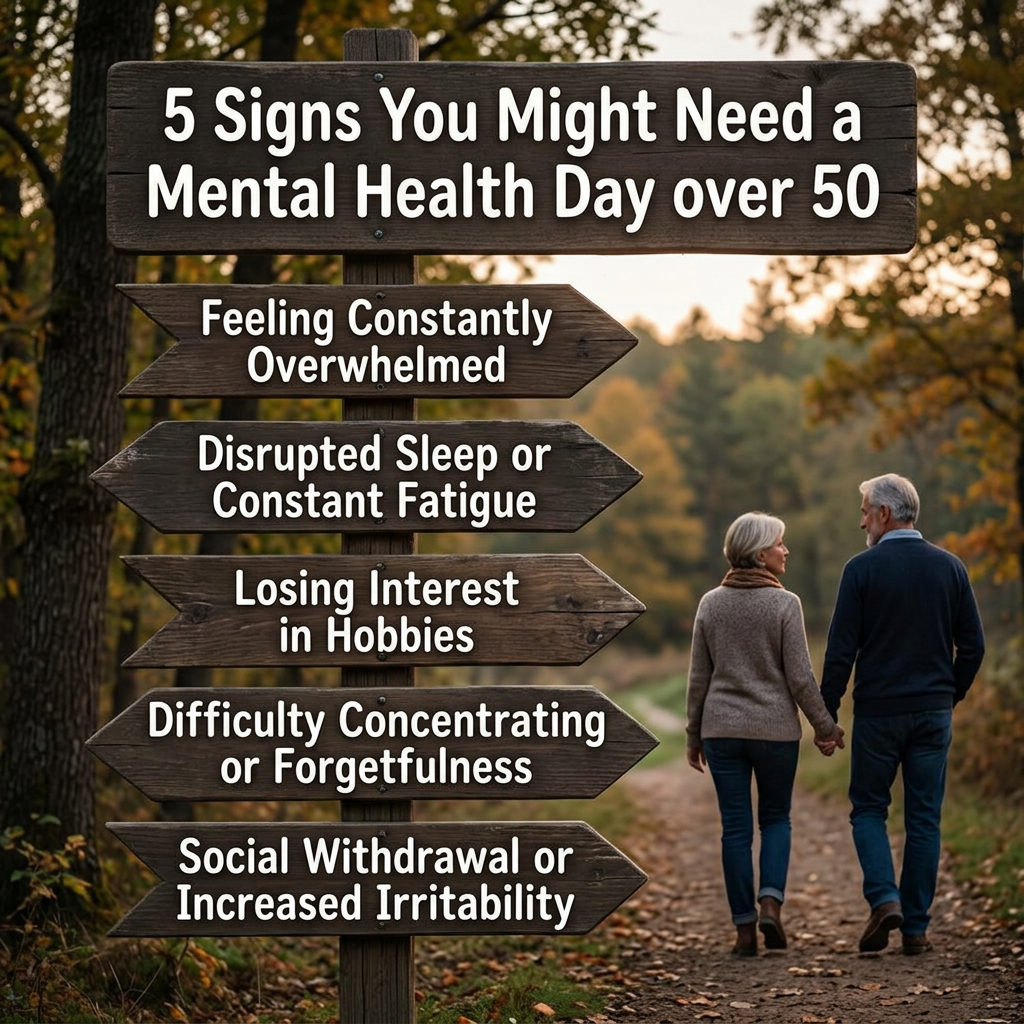
  • 5 Signs You Might Need a Mental Health Day After 50

    5 Signs You Might Need a Mental Health Day After 50

    How do you know you need a mental health day?

    Short answer: You might need a mental health day if you’re more irritable than usual, everything feels like a chore, your brain won’t shut off, you’re worn out even after sleeping, or you just want to get away from everyone. A day to rest and reset can help, but it’s no substitute for professional help if those feelings stick around.

    Everyone has days when life feels like too much. Work, family responsibilities, everyday stress, poor sleep, and simply having too much on your mind can leave you feeling worn down.

    A mental health day can be a simple way to pause, reset, and give yourself some breathing room. It is not a cure for a mental health condition, but it can be a useful form of self-care when you recognize that you are running on empty.

    5 Signs You Might Need a Mental Health Day After 50

    1. You Are More Irritable Than Usual

    If little things that normally would not bother you suddenly get under your skin, it may be a sign that you are mentally overloaded.

    Stress can affect your mood and patience. If you find yourself snapping at people, feeling unusually frustrated, or having a much shorter fuse than normal, a day to slow down may be worthwhile.

    2. Everything Feels Like a Chore

    When even simple tasks seem exhausting, pay attention. You may still be getting everything done, but it feels like you are forcing yourself through every part of the day.

    There is an important difference between occasionally having a lazy day and feeling persistently drained or losing interest in things you normally enjoy. If that loss of interest continues or starts interfering with everyday life, it is worth talking with a health professional rather than simply taking a day off.

    3. Your Brain Will Not Shut Off

    You sit down to relax, but your mind keeps going. You replay conversations, worry about tomorrow, think about unfinished tasks, or jump from one concern to another.

    A mental health day can give you permission to step away from the constant pressure to accomplish something. A quiet morning, a walk outside, reading, or another relaxing activity may help you create some mental space.

    4. You Feel Mentally Exhausted Even After Sleeping

    Sometimes your body gets enough time in bed but your mind still feels completely worn out.

    Stress and poor-quality sleep can leave you feeling foggy, tired, and unable to concentrate. If fatigue is new, severe, persistent, or unexplained, do not assume it is simply stress. Sleep problems and many physical health conditions can also cause fatigue and deserve proper attention.

    5. You Want to Get Away From Everyone

    Wanting a little quiet time is perfectly normal. But if you suddenly stop wanting to see people, answer messages, participate in hobbies, or do things you normally enjoy, take notice.

    Sometimes a little solitude is exactly what you need. But ongoing social withdrawal can also be associated with depression, anxiety, or other mental health concerns. The key is to notice whether you are taking a healthy break or gradually pulling away from life.

    What Should You Actually Do on a Mental Health Day?

    You do not need an elaborate plan. The goal is to reduce pressure and give your mind some room to recover.

    • Start slowly. Give yourself permission not to rush through the morning.
    • Get outside. A walk, sitting in the sunshine, or simply spending time in nature can make a day feel different.
    • Put the phone down for a while. Constant notifications and scrolling can keep your brain switched on.
    • Do something you genuinely enjoy. Read, listen to music, work on a hobby, cook something you like, or simply relax.
    • Do not feel guilty about resting. Rest is not wasted time. Sometimes it is exactly what you need to get back to feeling like yourself.

    A Mental Health Day Is Not a Substitute for Professional Help

    A mental health day is best thought of as a short pause, not a replacement for treatment. If sadness, anxiety, hopelessness, loss of interest, sleep problems, fatigue, difficulty concentrating, or other symptoms are persistent or are interfering with your everyday life, talk with a doctor or qualified mental health professional.

    If you are in immediate emotional distress or thinking about harming yourself, call or text 988 in the United States to reach the Suicide & Crisis Lifeline, or call 911 for an emergency.

    For thoughtful writing about later-life wellbeing and the emotional side of aging, Next Avenue offers reporting and resources on mental health, aging, and finding support when life feels overwhelming. Persistent or severe symptoms deserve support from a qualified professional.

    Common Questions About Taking a Mental Health Day After 50

    What is a mental health day?

    A mental health day is a planned break from normal responsibilities so you can rest, decompress, and take care of your emotional well-being.

    How do I know if I really need one?

    If you are unusually irritable, mentally exhausted, overwhelmed, unable to relax, or simply feel like you need to step away from the usual routine, a day of rest may help. If symptoms are persistent or getting worse, seek professional advice instead of relying only on time off.

    Should I spend my mental health day alone?

    That depends on what you need. Some people benefit from quiet time alone, while others feel better talking with a trusted friend or spending relaxed time with family. Choose what feels restorative rather than what you think you are supposed to do.

    Should I stay in bed all day?

    Rest is fine, but staying in bed all day is not necessarily the most helpful choice. Getting up, eating normally, getting some daylight, moving gently, and doing one enjoyable thing can make the day feel more restorative.

    When should I talk to a professional instead of taking a mental health day?

    If symptoms last, become severe, interfere with daily life, or make it difficult to function, talk with a doctor or mental health professional. A mental health day can provide a pause, but it should not replace appropriate care.

    I suggest this for a great fun read work your mind:

    About the Author

    Tom Green writes Well After 50. He was born in Pell City, Alabama, in 1962, and he’s a country boy and a true Southerner through and through. He’s just a regular, laid-back 64-year-old who keeps things simple. He shares what he learns about skincare, fitness and getting older, and what’s working for him. He’s also the author of A Practical Guide to Getting Older Without Giving Up on Yourself. Tom isn’t a doctor. He reads up on the research and passes along what’s useful, plain and simple.

    Sources

    For general information about mental health, symptoms, stress, and when to seek help, see the National Institute of Mental Health and the Centers for Disease Control and Prevention.

    Image Attribution

    Featured image: Original image created for Well After 50.

    I’ve also mapped out some great tools on my new Tech for Independent Living After 50 page.

  • Why Do I Have Dark Circles and Puffy Eyes After 50?

    Why Do I Have Dark Circles and Puffy Eyes After 50?

    Why do you get dark circles and puffy eyes after 50?

    Short answer: Age plays a part, but it’s usually not the whole story. Thinner skin, your genes, years of sun and too little sleep can all cause dark circles after 50. Steady sleep, easier evening habits and daily sun protection can help, and a doctor can check it out if it’s new or getting worse.

    If you are 50+ and suddenly notice darker circles, puffiness, or a more tired-looking area under your eyes, you are not imagining it. Aging can play a role—but it is not the only reason your eyes may look this way.

    The good news is that dark circles and puffy eyes are often influenced by several everyday factors, and some of them are surprisingly simple to address.

    Does Age Cause Dark Circles and Puffy Eyes?

    Age can contribute, but it is usually not the whole story. As we get older, the skin around the eyes becomes thinner and can lose some of its firmness and elasticity. Changes in the tissues and fat around the eyes can also make hollows, shadows, or bags more noticeable.

    That means the same amount of discoloration or swelling that was barely noticeable years ago may stand out more now. But genetics, allergies, sleep, fluid retention, sun exposure, and lifestyle can also make a difference.

    Why You May Have Dark Circles After 50

    1. Thinner skin

    Skin naturally changes with age. When the skin around the eyes becomes thinner, underlying blood vessels and shadows may be easier to see.

    2. Genetics

    Some people are simply more prone to dark circles because of their genes, facial structure, or natural skin pigmentation. If dark circles run in your family, aging may make them more noticeable rather than being the original cause.

    3. Sun exposure

    Years of sun exposure can contribute to uneven pigmentation and visible signs of aging. Because the skin around the eyes is delicate, protecting it matters.

    4. Lack of sleep

    A bad night’s sleep can make you look more tired the next morning. It may make existing circles and shadows look more obvious, especially when the skin is already thinner.

    Why Are My Eyes Puffy in the Morning?

    Morning puffiness is often related to temporary fluid retention. Lying down for hours can allow fluid to collect around the eyes, and salty meals, alcohol, allergies, poor sleep, or simply your individual anatomy can make the effect more noticeable.

    For many people, the swelling improves as they get up, move around, and go through the morning.

    What Can You Do About Dark Circles and Puffiness?

    Get consistent sleep

    You do not need a perfect night’s sleep every night, but a consistent sleep schedule can help you look and feel better. If poor sleep is a regular problem, it is worth addressing the reason rather than simply covering up the result.

    Watch your evening habits

    If you wake up especially puffy, pay attention to what happens the evening before. A very salty meal, alcohol, or a late night may be part of the pattern. You may learn more by noticing your own pattern than by buying another expensive product.

    Try a cool compress

    A cool, clean washcloth placed gently over closed eyes for a few minutes can be a simple way to temporarily reduce the appearance of puffiness. Avoid putting ice directly on the skin.

    Protect the eye area from the sun

    Sunglasses, shade, and broad-spectrum sunscreen used as directed can help protect the surrounding skin from ongoing sun exposure. Be careful with products near the eyes and stop if they cause irritation.

    Keep your skin hydrated

    Dry skin can make fine lines and texture more noticeable. A gentle moisturizer can help the skin look smoother and more comfortable. You do not need a complicated routine to take care of mature skin.

    Can Eye Creams Help?

    Some eye creams can temporarily improve the look and feel of the skin around the eyes, especially when dryness is making fine lines more noticeable. Ingredients such as niacinamide, ceramides, caffeine, and moisturizing ingredients may be useful depending on the product and the concern.

    But an eye cream cannot change your genetics or completely reverse age-related changes in the structure around your eyes. Be skeptical of products promising to permanently erase dark circles or bags.

    A Simple Morning Routine for 50+ Eyes

    • Gently cleanse or rinse your face.
    • Use a moisturizer that feels comfortable around the eye area.
    • If puffiness is noticeable, try a cool compress for a few minutes.
    • Use sun protection and sunglasses when appropriate.
    • Give yourself a little time before judging how tired you look. Morning puffiness often settles.

    When Should You Have Persistent Eye Swelling Checked?

    Not every change around the eyes is simply part of getting older. If swelling is sudden, severe, painful, associated with redness or vision changes, affects only one side, or does not go away, it is sensible to have it evaluated by a healthcare professional. Persistent symptoms can sometimes have causes unrelated to normal aging.

    The Bottom Line

    If you are 50+ and have dark circles or puffy eyes, age may be part of the picture, but it does not automatically mean something is wrong. Genetics, thinner skin, facial structure, sleep, allergies, fluid retention, sun exposure, and everyday habits can all play a role.

    Instead of trying to make your eyes look like they did at 30, focus on keeping the skin protected, hydrated, and healthy—and pay attention to the habits that make the biggest difference for you

    .

    For more practical perspectives on skincare and beauty changes that can come with age, Allison Cohen’s Never Say Die Beauty shares product reviews and mature-skin advice. As always, what works for one person may not work for everyone.

    Common Questions About Dark Circles and Puffy Eyes After 50

    Are dark circles caused by aging?

    Aging can make dark circles more noticeable because the skin becomes thinner and the tissues around the eyes change. Genetics, pigmentation, allergies, sleep, and sun exposure can also contribute.

    Why are my eyes puffy when I wake up?

    Temporary fluid retention is a common reason. Sleep, salt, alcohol, allergies, and your individual facial anatomy can also influence morning puffiness.

    Can dark circles go away completely?

    That depends on the cause. Some circles improve when sleep, allergies, irritation, or dehydration are addressed. Circles related to genetics, pigmentation, or facial structure may remain to some degree.

    Does drinking more water get rid of dark circles?

    Staying adequately hydrated is important for overall health and can help if dehydration is contributing to a tired appearance, but drinking extra water is not a guaranteed treatment for dark circles.

    What ingredients can help the eye area?

    Depending on the concern, ingredients such as niacinamide, ceramides, caffeine, and moisturizing ingredients can support the appearance and comfort of the skin. Results vary, and gentle use is especially important around the eyes.

    Does a more expensive eye cream work better?

    Not necessarily. Price does not guarantee better results. Look at the ingredients, your specific concern, how your skin tolerates the product, and whether you will use it consistently.

    Can allergies cause dark circles and puffiness?

    Yes. Allergies and nasal congestion can contribute to swelling and can make the area beneath the eyes look darker. Treating the underlying allergy problem may help when that is the cause.

    When should persistent eye swelling be checked?

    Have new or persistent swelling evaluated if it is sudden, painful, severe, one-sided, associated with redness or vision changes, or otherwise unusual for you.

    About Tom Green

    Tom Green writes Well After 50. He was born in Pell City, Alabama, in 1962, and he’s a country boy and a true Southerner through and through. He’s just a regular, laid-back 64-year-old who keeps things simple. He shares what he learns about skincare, fitness and getting older, and what’s working for him. He’s also the author of A Practical Guide to Getting Older Without Giving Up on Yourself. Tom isn’t a doctor. He reads up on the research and passes along what’s useful, plain and simple.

    I’ve also mapped out some great tools on my new Tech for Independent Living After 50 page.
  • What Natural Remedies Work for Menopause After 50?

    What Natural Remedies Work for Menopause After 50?

    What natural remedies work for menopause?

    Short answer: No single natural remedy works for everyone. The most practical, low-risk options are staying active, cooling tricks for hot flashes, yoga, tai chi or meditation, and some soy from food. Supplements like black cohosh and red clover are heavily marketed, but the evidence is weaker than the ads make it sound, so check with your doctor or pharmacist first.

    Menopause advice is everywhere, but “natural” doesn’t automatically mean effective or safe. If you’re looking for natural ways to manage menopause symptoms after 50, it helps to focus on approaches that are practical, low-risk, and supported by at least some research.

    1. Keep Your Body Moving

    Regular physical activity can support overall health during menopause. Walking, strength training, cycling, swimming, dancing, and activities such as yoga can all be useful ways to stay active.

    Exercise is not a magic cure for hot flashes, but staying active can support your physical and emotional well-being during this stage of life.

    2. Try Cooling Strategies for Hot Flashes

    If hot flashes are bothering you, simple cooling strategies may make them easier to manage.

    • Wear lightweight layers you can remove easily.
    • Keep your bedroom cool.
    • Use a fan if it helps.
    • Keep cool water nearby.
    • Pay attention to personal triggers.
    • Choose breathable bedding and clothing.
    • 3. Don’t Ignore Sleep
    • Sleep can become more difficult during menopause, especially when night sweats or hot flashes interrupt the night.

    A regular bedtime, a cool bedroom, daytime activity, and relaxation practices may help create better conditions for sleep.

    4. Consider Yoga, Tai Chi or Meditation

    Mind-body practices such as yoga, tai chi, and meditation may be useful for relaxation, stress management, and overall well-being. They may not eliminate menopause symptoms, but they can be practical additions to a healthy routine.

    5. Get Some Soy From Food

    Foods such as tofu, edamame, tempeh, miso, and soy milk contain soy isoflavones. Some research suggests they may modestly reduce the frequency or severity of hot flashes, although the evidence is inconsistent.

    6. What About Menopause Supplements?

    This is where I would be especially careful. Supplements such as black cohosh, red clover, dong quai, and evening primrose are often promoted for menopause symptoms, but the evidence is less impressive than the marketing can make it sound..

    7. What About Flaxseed and Red Clover?

    Flaxseed and red clover are also sometimes promoted for menopause symptoms. Research has been mixed and inconsistent, so I would not count on either one as a guaranteed solution.

    A Note About Your Health

    This article is for general educational purposes and is not medical advice. New, severe, or unusual symptoms should be discussed with a qualified healthcare professional. Talk with your doctor or pharmacist before taking menopause supplements, especially if you take medications or have medical conditions or a history of hormone-sensitive cancer. Natural does not automatically mean safe.

    The Bottom Line After 50

    There is no single natural remedy that works for everyone. Regular exercise, good sleep habits, staying cool, eating a nutritious diet, and managing stress are practical places to start.

    Soy foods may help some women with hot flashes, and mind-body practices may be useful for relaxation and overall well-being. The important thing is to look at the research rather than relying on marketing claims.

    Sources & Further Reading

    NCCIH: Menopausal Symptoms and Complementary Health Approaches

    NCCIH: Black Cohosh

    NCCIH: Soy

    Systematic review and meta-analysis of ERr 731

    For a personal, midlife-focused perspective on creating a more grounded approach to wellbeing, Forward After the Pause writes about life after menopause, everyday wellness, and moving into a new chapter. Natural approaches can be part of self-care, but it’s still worth checking safety and evidence before trying supplements or herbs.

    Common Questions About Natural Remedies for Menopause After 50

    What natural remedies may help menopause symptoms?

    Exercise, cooling strategies, healthy sleep habits, stress management, mind-body practices, and soy foods are practical options to consider.

    Are natural menopause remedies always safe?

    No. Natural products can have side effects or interact with medications. Natural does not automatically mean safe.

    Can soy help with hot flashes?

    Some research suggests soy may modestly reduce hot flashes, but results have been inconsistent.

    What about black cohosh for menopause?

    Black cohosh is widely promoted, but the evidence for menopause symptoms is mixed.

    Can exercise help during menopause?

    Exercise supports overall health and well-being during menopause, although it is not a guaranteed treatment for hot flashes.

    Are yoga and meditation useful for menopause?

    They may help with relaxation, stress management, and overall well-being.

    Should I talk with my doctor before taking a menopause supplement?

    Yes, especially if you take medications, have medical conditions, or have a history of hormone-sensitive cancer.

    What is the most practical place to start?

    Start with the basics: regular activity, good sleep habits, staying cool, nutritious food, and stress management.

    Keep Reading

    Menopause After 50: Natural Ways to Manage Symptoms

    7 Things to Know About Collagen Supplements and Menopause

    Hormone Changes After 50: What’s Normal, What Can Change, and When to Ask Questions

    About Tom Green

    Tom Green writes Well After 50. He was born in Pell City, Alabama, in 1962, and he’s a country boy and a true Southerner through and through. He’s just a regular, laid-back 64-year-old who keeps things simple. He shares what he learns about skincare, fitness and getting older, and what’s working for him. He’s also the author of A Practical Guide to Getting Older Without Giving Up on Yourself. Tom isn’t a doctor. He reads up on the research and passes along what’s useful, plain and simple.

    I’ve also mapped out some great tools on my new Tech for Independent Living After 50 page.
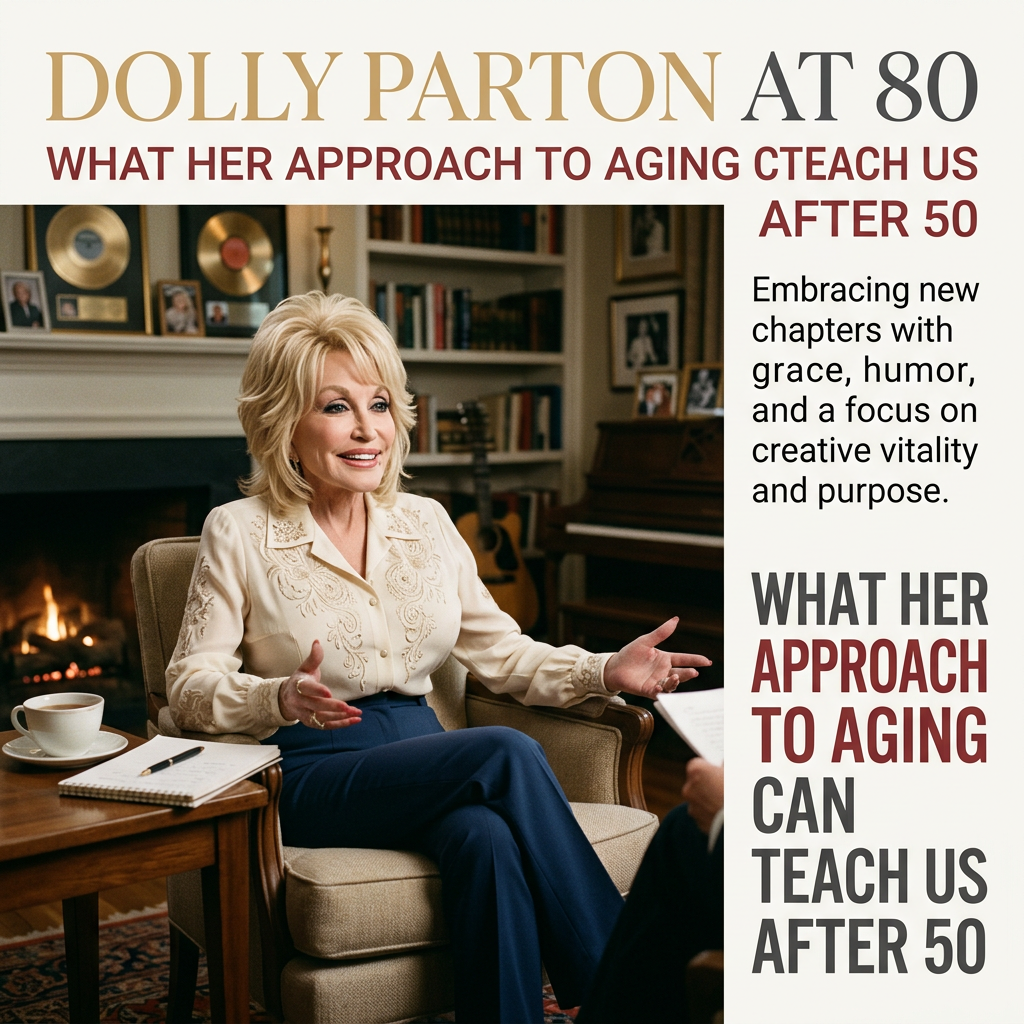
  • How to Boost Metabolism After 50: 7 Things That Actually Help

    How to Boost Metabolism After 50: 7 Things That Actually Help

    How do you boost your metabolism after 50?

    Short answer: Your metabolism does slow with age, but you’re not stuck. Build and protect your muscle, walk more, eat enough protein, get serious about sleep, and mix strength, cardio and balance work. Skip the fat-burning supplements and so-called metabolism miracle products.

    “My metabolism used to be so much faster.” If you’ve said that after 50, you’re definitely not alone.

    Metabolism does change with age, but that doesn’t mean you’re stuck. Instead of chasing fat-burning supplements or extreme diets, focus on the habits that help your body stay active and strong.

    1. Build and protect muscle

    Muscle matters for everyday movement and energy use. Strength training can help you maintain muscle as you age, and you don’t need a fancy gym to begin. Resistance bands, weights or appropriately challenging bodyweight exercises can all be useful.

    2. Walk more than you think you need to

    A workout is great, but your movement during the rest of the day matters too. Walk while talking on the phone, take another lap around the store or spend a few extra minutes gardening. Small bursts count.

    3. Eat enough protein

    Protein supports muscle maintenance. Spread protein-rich foods across your meals instead of trying to cram everything into dinner.

    A lot of us skip real meals because cooking for one or two feels like a chore, and that doesn’t do your metabolism any favors. A meal kit like Marley Spoon sends the recipe and the ingredients right to your door, so getting a good dinner with some protein on the table gets a whole lot easier. (affiliate link)

    4. Stop treating food like the enemy

    Very restrictive eating can make healthy habits harder to maintain. A balanced eating pattern with vegetables, fruit, whole grains, protein foods and healthy fats is a much more practical long-term strategy.

    5. Get serious about sleep

    Sleep affects energy, appetite, mood and your ability to stay active. If your sleep has changed after 50, it’s worth paying attention rather than simply accepting poor sleep as “part of getting older.”

    6. Add strength, cardio and balance

    Don’t make your routine all cardio or all weights. Older adults benefit from a mix of aerobic activity, muscle-strengthening work and balance activities. That combination supports strength, mobility and independence.

    7. Forget the metabolism miracle products

    If a supplement promises to “restart” your metabolism overnight, be skeptical. The boring habits—moving regularly, eating well, maintaining muscle and sleeping—are much more useful places to put your energy.

    A simple metabolism-friendly week

    • Walk most days, even if the walks are short.
    • Do strength exercises at least twice during the week.
    • Include protein at meals.
    • Break up long periods of sitting.
    • Make sleep part of your health routine.

    You can’t turn the clock backward—but you can give your body a much better environment for staying strong and active.

    What’s changed for you?

    Have you noticed a bigger difference from walking, strength training, eating differently or simply moving more? Tell us what has worked for you.

    For another practical take on staying active as we age, Nancy L. Fitness publishes exercise and nutrition guidance for adults over 50. It’s a useful companion perspective, especially when the goal is building sustainable habits rather than chasing a quick metabolic fix.

    Common Questions

    Does metabolism really slow down after 50?
    Metabolism can change with age, but changes in muscle mass, activity, body size, and other factors also affect how many calories your body uses.

    Can you boost your metabolism after 50?
    You can’t completely stop age-related changes, but maintaining muscle, staying active, eating enough protein, and getting adequate sleep can support your body’s energy use.

    Does strength training help metabolism after 50?
    Yes. Strength training helps maintain and build muscle, which is important because muscle tissue requires energy to maintain.

    Does eating more protein help your metabolism?
    Protein requires more energy to digest than carbohydrates or fat, and adequate protein also supports muscle maintenance. How much you need depends on your individual circumstances.

    Does walking help increase metabolism?
    Walking and other forms of regular movement increase the amount of energy you use and can help you stay active without requiring intense workouts.

    Can drinking more water boost metabolism?
    Staying hydrated is important for normal body function, but drinking water alone isn’t a major metabolism-boosting strategy.

    What is the best way to support metabolism after 50?
    Focus on the basics: maintain muscle with resistance training, stay physically active, eat a balanced diet with adequate protein, get enough sleep, and avoid relying on so-called metabolism-boosting supplements.

    Tom Green writes Well After 50. He was born in Pell City, Alabama, in 1962, and he’s a country boy and a true Southerner through and through. He’s just a regular, laid-back 64-year-old who keeps things simple. He shares what he learns about skincare, fitness and getting older, and what’s working for him. He’s also the author of A Practical Guide to Getting Older Without Giving Up on Yourself. Tom isn’t a doctor. He reads up on the research and passes along what’s useful, plain and simple.

    I’ve also mapped out some great tools on my new Tech for Independent Living After 50 page.