Tag: healthy aging

  • 10 Hobbies After 50 That Make Life More Interesting (Even on a Budget)

    10 Hobbies After 50 That Make Life More Interesting (Even on a Budget)

    What are good hobbies after 50 that don’t cost much?

    Short answer: Some of the best hobbies after 50 cost little or nothing: photography with the phone you already have, gardening, cooking something new, learning an instrument, writing, painting or drawing, tracing your family history, traveling close to home, volunteering, or finally learning something you’ve always put off.

    I’ve learned that getting older isn’t just about the things you start doing differently. It’s also about the things you finally have time to do. For years, life can be about work, raising a family, paying bills, taking care of other people, and simply getting through the week. You put off the things you’re curious about because there always seems to be something more important. Then you reach 50+ and something changes. Maybe you have more free time. Maybe the kids have moved on. Maybe you’re working less, retired, or simply realizing that you don’t want the rest of your life to be nothing but work and responsibilities. That’s when a hobby can become much more than something to pass the time. It can give you something to look forward to. Something to learn. Something to get excited about. And it doesn’t have to be complicated. You don’t have to become an expert. You don’t have to spend a lot of money. You don’t even have to be particularly good at whatever you choose. You just need to find something that makes you think, “I enjoy doing this.” Here are 10 hobbies for adults 50+ that can be fun, useful, and rewarding — and maybe one of them will give you an idea for something you’ve been putting off for years.

    1. Photography

    You don’t need an expensive camera to get started. Your phone can be all you need. Try photographing nature, interesting buildings, food, family gatherings, pets, or places you visit.

    Why it’s good and fun

    Photography gives you a reason to look at the world differently. Instead of simply walking through a park or visiting a new place, you start noticing colors, details, light, wildlife, and interesting little moments. It can also give you something to do when you’re traveling or taking a walk. And there’s a satisfying feeling when you take a picture and think, “I really like that.” You can keep your favorite photographs, share them with family, or gradually learn more advanced photography techniques.

    2. Gardening

    Gardening can be as simple as growing a few herbs in containers or as ambitious as creating an entire backyard garden. You can grow flowers, vegetables, herbs, or even indoor plants.

    Why it’s good and fun

    Gardening gives you something living to take care of and watch grow. There’s a special satisfaction in planting something, caring for it, and eventually seeing flowers bloom or vegetables appear. It also gets you outside and gives you a reason to spend time in your yard or on a patio. You don’t need a huge garden. A few pots can be enough to discover whether you enjoy it. And every season gives you something new to try.

    3. Cooking Something New

    If you already cook, turn cooking into a hobby instead of another chore. Choose one type of food you’ve always wanted to learn about. Try homemade bread, international dishes, soups, seafood, or healthier versions of old favorites.

    Why it’s good and fun

    Cooking becomes much more enjoyable when you’re experimenting instead of simply trying to get dinner on the table. You get to discover new flavors, learn new techniques, and occasionally surprise yourself with something that turns out really well. It’s also a hobby that produces something useful. You can enjoy what you make yourself or share it with family and friends. And you don’t have to become a gourmet cook. Sometimes finding one great new recipe is enough to make the hobby worthwhile. If cooking is the hobby that’s calling your name, a meal kit is an easy way to get your feet wet. Marley Spoon sends everything you need along with a recipe card, so you can try new dishes without a long grocery list. (affiliate link)

    4. Learning an Instrument

    It’s never too late to learn an instrument. A guitar, keyboard, harmonica, or ukulele can give you a completely new challenge.

    Why it’s good and fun

    Learning music gives your brain something completely different to work on. At first, even getting a few notes or chords right can feel like an accomplishment. Then something interesting happens: a song that once seemed impossible starts becoming familiar. You don’t have to perform for anyone. Learning a few songs you actually enjoy can give you a hobby you can return to for years. And there’s something satisfying about being able to sit down and make music yourself.

    5. Writing

    Writing can be surprisingly rewarding after 50. You could keep a personal journal, write short stories, record family memories, start a blog, or simply write about subjects that interest you.

    Why it’s good and fun

    Writing gives you a place to capture experiences, ideas, memories, and opinions. You have decades of experiences that younger people simply haven’t had yet. You might enjoy writing about your childhood, places you’ve lived, lessons you’ve learned, funny stories, or things you’ve discovered along the way. You don’t have to consider yourself a writer. You don’t even have to show anyone what you write. Sometimes the enjoyment comes simply from putting your thoughts into words.

    6. Painting, Drawing, or Other Creative Work

    You don’t need artistic talent to enjoy making art. Try watercolor, acrylic painting, sketching, coloring, woodworking, pottery, sewing, or another hands-on creative activity.

    Why it’s good and fun

    Creative hobbies let you make something instead of simply consuming something. That’s a nice change from spending another evening watching television or scrolling through your phone. There’s also no requirement that your work be perfect. You can experiment with colors, materials, shapes, and ideas without worrying about whether someone else thinks it’s good. And when you’re finished, you have something you actually made. That can be surprisingly satisfying.

    7. Exploring Your Family History

    Genealogy can turn into a fascinating long-term hobby. You can research old family records, organize photographs, interview relatives, and create a family tree.

    Why it’s good and fun

    Family history can turn ordinary names and old photographs into real stories. You may discover where relatives lived, what they did for a living, how your family moved from one place to another, or things you never knew about people you’ve heard about all your life. It can also give you a reason to talk with older relatives while you still can. And what you discover isn’t just for you. You can organize the information and photographs into something future generations of your family can enjoy.

    8. Travel — Even Close to Home

    You don’t need to fly across the country to make travel a hobby. Pick a town you’ve never explored. Visit a museum, historical site, small restaurant, local market, park, or interesting road nearby.

    Why it’s good and fun

    Exploring somewhere new can break up the routine. You don’t have to spend a lot of money or take a week off work. Sometimes an afternoon in a town you’ve never visited can feel like a mini vacation. Make a list of places within an hour or two of home and start working your way through it. You may discover restaurants, parks, shops, historic buildings, or interesting local attractions that you’ve driven past for years without noticing.

    9. Volunteering

    Volunteering can be a hobby with a purpose. You might help at an animal shelter, food pantry, library, community organization, school, church, or another local group.

    Why it’s good and fun

    Volunteering can give you something that many hobbies don’t: a feeling that what you’re doing matters to someone else. It can also introduce you to people you might never have met otherwise. If you’re retired or your social circle has become smaller, volunteering can add some structure to your week and give you somewhere to go. And you don’t have to commit to every day. Even helping occasionally can be worthwhile if you find something you genuinely care about.

    10. Learn Something You’ve Always Put Off

    This may be the most exciting hobby of all. Think about something you’ve said for years: “I’d love to learn how to do that someday.” Maybe it’s a language. Maybe it’s history, astronomy, computers, painting, cooking, music, woodworking, or something completely different.

    Why it’s good and fun

    Learning something new gives you the chance to be a beginner again. That can be both challenging and exciting. You don’t have to worry about being the best. You simply get to discover something you’ve never known before. And you may find that one new subject leads to another. A curiosity about history could lead to genealogy. Photography could lead to travel. Cooking could lead to learning about different cultures. You never know where a new interest will take you.

    You Don’t Need Ten Hobbies

    The point isn’t to fill your calendar with activities. You only need one thing that makes you want to do it again. A good hobby can give your week some structure. It can introduce you to new people, keep your mind engaged, give you a creative outlet, or simply make an ordinary Tuesday more interesting. And if your first choice doesn’t work, that’s perfectly fine. Try something else. There is no rule that says you have to be good at a hobby, stick with it forever, or explain to anyone why you enjoy it.

    Your Life After 50 Is Still Being Written

    Getting older doesn’t mean you’ve run out of things to discover. In many ways, 50+ can be a great time to experiment because you know yourself better than you did when you were younger. You may finally have the freedom to ask a simple question: What would I enjoy doing if I didn’t have to do it for anyone else? That’s a pretty good place to start.

    What Hobby Will You Try?

    You don’t need expensive equipment, a huge amount of free time, or a special talent. Choose something that interests you. Start small. Give it a little time. You might discover that the next chapter of your life has room for something you never expected. For more inspiration, the National Institute on Aging’s activity guide includes low-cost ways to learn, connect, volunteer, and have fun.

    How to Pick a Hobby You’ll Actually Enjoy

    Here’s something I’ve learned: a hobby shouldn’t feel like another job you have to be good at. You can enjoy photography without becoming a photographer. You can grow three plants without having a perfect garden. And you can love music without performing for anyone.

    Ask yourself three questions: Do I want to be around people or have quiet time? Do I want to make something, learn something, or move more? How much money and physical energy can I comfortably give it? Your answers will narrow a long list of possibilities to something that genuinely fits.

    Seven Days to Try Something New—Without Spending a Fortune

    1. Day one: Choose one hobby that sounds fun, not impressive.
    2. Day two: See what you already own or can borrow.
    3. Day three: Find a free guide, library event, community class, or club.
    4. Day four: Spend twenty minutes trying it. Ten minutes counts, too.
    5. Day five: Notice whether you felt curious or merely obligated.
    6. Day six: If it involves other people, look for a friendly local or online group.
    7. Day seven: Decide whether to try again. You’re allowed to change your mind.

    If money is tight, try your public library, free museum days, community gardening, birdwatching from a park bench, smartphone photography, or borrowing a book about something you’ve always wanted to learn.

    What Researchers and Writers Say About Having Interests Later in Life

    The National Institute on Aging recommends meaningful activities such as creative hobbies, volunteering, and social groups as part of healthy aging. The emphasis is on enjoyment and participation, not collecting accomplishments.

    In Harvard Health, Matthew Solan reports on research suggesting that combining different mental and physical activities may support thinking in older adults with mild cognitive impairment. That isn’t a promise that a hobby prevents dementia, but it’s a good reason to stay interested in life.

    The NIA also discusses loneliness and social isolation: a book club, class, or volunteer shift can be a natural way to meet people regularly, without the pressure of making instant best friends.

    What if a Hobby Doesn’t Stick?

    Then you learned something about yourself. Give it a fair try, but don’t turn leisure into guilt. Sometimes what you thought you’d enjoy isn’t your thing, and a different activity will fit better. That isn’t failure. It’s part of finding out what makes this chapter of life interesting.

    Common Questions

    Why are hobbies important after 50? Hobbies can add enjoyment, creativity, social connection, and a sense of purpose to everyday life. Is it too late to start a new hobby after 50? Not at all. Trying something new can be a great way to break up routines and discover interests you didn’t have time to explore earlier in life. What are some good hobbies for people 50+? Walking, gardening, photography, cooking, reading, woodworking, crafts, music, volunteering, and learning new skills are just a few possibilities. Can hobbies help with loneliness after 50? They can. Hobbies that involve clubs, classes, volunteer groups, or other people can create regular opportunities for social interaction. Do hobbies have to be expensive? No. Many enjoyable hobbies can be started with little or no money, including walking, reading, writing, gardening, birdwatching, and learning through free resources. How do I choose a hobby I’ll actually stick with? Start with something you’re genuinely curious about rather than something you think you should do. Give it a few tries before deciding whether it’s for you.

    Keep Reading

    Tom Green writes Well After 50. He was born in Pell City, Alabama, in 1962, and he’s a country boy and a true Southerner through and through. He’s just a regular, laid-back 64-year-old who keeps things simple. He shares what he learns about skincare, fitness and getting older, and what’s working for him. He’s also the author of A Practical Guide to Getting Older Without Giving Up on Yourself. Tom isn’t a doctor. He reads up on the research and passes along what’s useful, plain and simple.

    I’ve also mapped out some great tools on my new Tech for Independent Living After 50 page.

  • The Simple Morning Routine That Can Make You Look and Feel Better After 50

    The Simple Morning Routine That Can Make You Look and Feel Better After 50

    What’s a good morning routine to look and feel better as you age?

    Short answer: A good morning routine after 50 doesn’t need to be 90 minutes. Give yourself a few minutes to wake up, get some daylight and movement, take care of basics like your skin, eat and drink what your body needs, and decide what actually matters today.

    My ideal morning after 50 is not a 90-minute checklist that makes me feel guilty if I skip one step. I want a routine that wakes me up, gets my body moving, takes care of my skin and gives the day some direction.

    The best morning routine is the one that helps the rest of the day go better.

    1. Give yourself a few minutes to wake up

    I do not think every body wants to go from the bed straight into a hard workout. Get up, move around and let yourself become fully awake before demanding much from your body.

    2. Get some daylight and movement

    Open the blinds, step outside or take a short walk. Even a few minutes of movement can be a useful transition from sleep to the day.

    You do not need to complete your entire exercise program before breakfast. Strength training can happen later. The goal here is simply to stop the morning from becoming another long period of sitting.

    3. Take care of the basics

    Wash your face if you need to. Moisturize if your skin is dry. Use sunscreen when you will be exposed to daylight. Brush your teeth and take care of the ordinary things that make you feel put together.

    4. Eat and drink according to your needs

    There is no universal breakfast rule that works for everyone. Some people prefer breakfast early; others do not. What matters is that your overall diet provides enough nutritious food and that you are not routinely ignoring hunger and then trying to power through the day.

    And if your morning cup could use a change of pace, there are some good ones out there. More Than Matcha makes matcha you can whip up in about a minute, and Azomalli Tea has a cacao shell tea with a nice chocolatey taste. (affiliate links)

    5. Decide what actually matters today

    This may be my favorite part. Pick one useful thing that needs to happen. It might be a workout, an errand, work, a phone call or simply getting outside.

    A morning routine should create momentum, not another opportunity to feel like you failed.

    What I don’t put on the list

    I do not believe you need a complicated supplement stack, a dozen skincare products or an extreme morning workout to have a healthy morning.

    Simple habits repeated most days beat a perfect routine that lasts a week.

    My morning goal after 50

    I want to start the day feeling awake, reasonably cared for and ready to move. That is enough.

    Common Questions

    What should a simple morning routine look like after 50?
    Keep it practical: wake up, hydrate, move your body, eat a nutritious breakfast if you eat in the morning, take care of your skin, and get ready for the day.

    What should you do first in the morning after 50?
    Start with something simple such as drinking water, getting some natural light, and moving around rather than immediately sitting down.

    Can a morning walk help you feel better after 50?
    Yes. A morning walk can help you get moving, support physical activity, and start the day with a positive routine.

    Should you exercise in the morning after 50?
    You don’t have to exercise first thing. The best time is one that fits your schedule and that you can maintain consistently.

    What should you eat in the morning after 50?
    Focus on nutritious foods that provide protein, fiber, fruits or vegetables, and other foods that fit your individual needs.

    Can a simple skincare routine make you look better after 50?
    Yes. Gentle cleansing or rinsing, moisturizer, and broad-spectrum sunscreen can help keep your skin comfortable and protected.

    Why is sunscreen important in a morning routine after 50?
    Daily broad-spectrum sunscreen helps protect your skin from UV exposure, one of the major contributors to visible skin aging.

    Can getting outside in the morning help after 50?
    Getting some natural light and moving outdoors can be a simple way to make your morning more active and enjoyable.

    Do you need a complicated morning routine after 50?
    No. A routine you can actually follow every day is more useful than a long list of things you rarely do.

    What is the simplest morning routine after 50?
    Water → natural light → movement → nutritious food → skincare → sunscreen → get on with your day.

    Practical takeaway: Don’t try to completely reinvent your mornings. Pick a few habits that make you feel better and repeat them consistently.

    A gentle health note: If you have medical conditions, significant pain, dizziness, or other limitations, adjust your activity appropriately and talk with a healthcare professional before making major changes to your exercise routine.

    This is my practical approach based on personal experience and general healthy-aging information, not medical advice.

    About Tom Green

    Tom Green writes Well After 50. He was born in Pell City, Alabama, in 1962, and he’s a country boy and a true Southerner through and through. He’s just a regular, laid-back 64-year-old who keeps things simple. He shares what he learns about skincare, fitness and getting older, and what’s working for him. He’s also the author of A Practical Guide to Getting Older Without Giving Up on Yourself. Tom isn’t a doctor. He reads up on the research and passes along what’s useful, plain and simple.

    Keep Reading

    I’ve also mapped out some great tools on my new Tech for Independent Living After 50 page.

  • 7 Strength Habits That Matter More After 60

    7 Strength Habits That Matter More After 60

    What strength habits matter most after 60?

    Short answer: Most strength after 60 is built or lost outside the gym. Practice getting up from a chair without your hands, carry things on purpose, walk every day and take the stairs, eat some protein at every meal, practice balance, keep your grip strong, and protect your sleep.

    Getting stronger after 60 is absolutely possible. But here is something I wish more people talked about: most of your strength is not built or lost in the gym. It is built or lost in the other 23 hours of the day.

    I’m in my 60s, and I work out to feel like a healthier me as I age. Workouts matter, and I wrote a whole guide on how to build muscle after 60 without getting hurt. This post is about the everyday habits that make those workouts pay off and keep you capable in real life: getting out of a chair, carrying groceries, climbing stairs, traveling, working around the house.

    The 7 habits at a glance

    1. Get up from a chair without using your hands
    2. Carry things on purpose
    3. Walk every day, and take the stairs when you can
    4. Eat some protein at every meal
    5. Practice your balance while you do something else
    6. Keep your grip strong
    7. Protect your sleep and your recovery

    1. Get up from a chair without using your hands

    Standing up from a chair is one of the most important strength moves you will ever do, and you do it all day. Next time you get up, cross your arms or keep your hands off the armrests and stand using your legs. Sit back down slowly instead of dropping.

    Want to make it a habit? Do five slow sit-to-stands every time a commercial comes on, or before each meal. If it is hard right now, use a higher chair or a cushion and work your way down.

    2. Carry things on purpose

    Carrying works your grip, shoulders, core and legs all at once, and it is exactly what life asks of you. Carry the grocery bags in instead of using the cart all the way to the door. Carry the laundry basket up the stairs. Split heavy loads evenly in both hands, stand tall and walk steadily.

    Keep it to a weight you can carry without hunching or holding your breath. The goal is to make everyday carrying feel easier, not to strain.

    3. Walk every day, and take the stairs when you can

    Walking keeps your legs used to working, and stairs add a little strength training without calling it a workout. Park farther away, take one flight instead of the elevator, walk after dinner. The CDC recommends older adults get at least 150 minutes of moderate activity a week, and brisk walking counts. If you want to know how much is enough at your age, I break it down in how many steps or minutes of exercise you need in your 50s, 60s and 70s.

    4. Eat some protein at every meal

    Muscle needs raw material. A lot of us eat a light breakfast, a light lunch and most of our protein at dinner. Spreading it out gives your body a steadier supply through the day.

    Simple ways to do it: eggs or Greek yogurt at breakfast, chicken, tuna, beans or cottage cheese at lunch, and fish, meat, tofu or lentils at dinner. Protein needs vary from person to person, so if you have kidney problems or another health condition, ask your doctor what is right for you.

    5. Practice your balance while you do something else

    Strong legs help you balance, and good balance helps you use that strength safely. The CDC includes balance activities in its guidelines for older adults for a reason.

    The easiest habit I know: stand on one foot while you brush your teeth, then switch at the halfway point. Stay next to the counter so you can grab it if you need to. Once that feels easy, try it while you wait for the coffee to brew.

    6. Keep your grip strong

    Your grip is what opens jars, carries bags and catches a railing when you slip. Researchers often use grip strength as a simple measure of overall strength as we age. You do not need special equipment. Carrying (habit 2) helps a lot, and so does squeezing a tennis ball for a few seconds at a time while you watch TV.

    7. Protect your sleep and your recovery

    Your workout and your daily habits are the stimulus. Sleep is when your body does the repair work. Try to keep a regular bedtime and wake time, and do not stack hard days on top of each other. If you are constantly worn out, more effort is not automatically the answer. Sometimes better rest is. I wrote more about that in sleep and longevity after 50.

    A simple daily strength checklist

    Print this or keep it on your phone. You do not need all of it every day. Checking off four or five is a good day.

    • ☐ 10 hands-free sit-to-stands
    • ☐ Carried something heavy-ish (groceries, laundry, a bag)
    • ☐ A walk, or at least one flight of stairs
    • ☐ Protein at breakfast, lunch and dinner
    • ☐ One-foot balance while brushing teeth
    • ☐ In bed at a regular time
    • ☐ Strength workout (2 days a week)

    For another perspective on strength and movement after 50, Journey to Fifty Plus shares fitness, wellness, and personal experiences focused on staying strong and active.

    Common Questions

    Can you get stronger after 60 without a gym?
    Yes. Everyday habits like sit-to-stands, carrying, stairs and balance practice all build useful strength at home. Adding two short strength workouts a week makes them work even better.

    What is the most important strength habit after 60?
    If I had to pick one, it is getting up from a chair without your hands. It trains the legs you rely on for almost everything else.

    How much exercise do older adults need?
    The CDC recommends at least 150 minutes of moderate activity a week, at least 2 days of muscle-strengthening activities, and activities that improve balance.

    Does protein really matter for strength after 60?
    Your muscles need protein to repair and grow. Spreading it across your meals is an easy way to make sure you are getting enough. Talk to your doctor if you have kidney disease or a condition that affects your diet.

    How do I make these habits stick?
    Tie each one to something you already do: balance while brushing teeth, sit-to-stands before meals, a walk after dinner. Habits attached to routines last.

    A gentle health note: Start at a level appropriate for your fitness and experience. If you have significant pain, balance problems, or a medical condition that affects exercise, consider talking with a healthcare professional before starting a new routine.

    My take after 60

    I still want my workouts to challenge me. But I have come to believe the small things, how you get out of a chair, whether you carry the bags, what you eat at breakfast, add up to more than any single workout. Strength after 60 is a long game, and these habits are how you play it every day.

    Getting older changes some of the rules. It does not mean you stop getting stronger.

    Your turn: Which of these seven do you already do, and which one are you going to start this week? Tell me in the comments.

    This article is general fitness information, not medical advice. If you have an injury, medical condition, or significant pain, talk with a qualified healthcare professional about exercise that is appropriate for you.

    Strong After Sixty book cover

    Strong After Sixty: The Complete Strength and Fitness Guide for Men Over 60

    by Dr Robert Dalton (Author)

    Check here: https://amzn.to/47yDK8t

    Affiliate Disclosure: Some links in this post may be affiliate links. If you purchase something through one of these links, Well After 50 may earn a small commission at no extra cost to you. This helps support the site and allows us to continue creating helpful content.

    Written by Tom Green, creator of Well After 50

    Tom Green writes Well After 50. He was born in Pell City, Alabama, in 1962, and he’s a country boy and a true Southerner through and through. He’s just a regular, laid-back 64-year-old who keeps things simple. He shares what he learns about skincare, fitness and getting older, and what’s working for him. He’s also the author of A Practical Guide to Getting Older Without Giving Up on Yourself. Tom isn’t a doctor. He reads up on the research and passes along what’s useful, plain and simple.

    I’ve also mapped out some great tools on my new Tech for Independent Living After 50 page.

  • How to Build Muscle After 60 Without Getting Hurt

    How to Build Muscle After 60 Without Getting Hurt

    Can you still build muscle after 60 without getting hurt?

    Short answer: Yes. Lift twice a week with a rest day between, warm up for 5 to 10 minutes first, and pick a weight you can lift with smooth form while finishing each set with about two good reps left in the tank. Add weight only in small steps, and let recovery, sleep and protein do their part.

    Building muscle after 60 is possible, but I do not think the smartest approach is pretending you are 25. The goal is to challenge your muscles enough to adapt while giving the rest of your body, your joints, tendons and back, time to keep up.

    I’m in my 60s, and I work out to feel like a healthier me as I age. The fastest way to lose progress at this age is not skipping a workout. It is getting hurt and missing six weeks. So this guide is about one thing: how to start, or start again, in a way that keeps you training for years.

    The short version

    • Train at least 2 days a week. That is what the CDC recommends for older adults, and it is plenty to get started.
    • Start lighter than you think. End every set with about two good reps left in the tank.
    • Add a little at a time. One more rep or a small bump in weight, not big jumps.
    • Rest a day between hard sessions. Muscle is built while you recover.
    • Sharp pain means stop. Effort is fine. Pain in a joint is not.

    Why it is worth doing now

    We slowly lose muscle as we age, and that loss shows up in everyday life: getting out of a low chair, carrying groceries, climbing stairs, catching yourself when you trip. The good news is that muscle still responds to training at 60, 70 and beyond. If you want to understand what you are up against, I wrote about it in why muscle isn’t the only thing you lose with age.

    The “two reps in the tank” rule

    The right starting weight is not the heaviest weight you can move once. It is a weight you can lift with smooth, controlled form for your target reps, and when you finish the set you feel like you could have done about two more good ones.

    That one rule handles most of the safety problem. If you have to swing, jerk or twist to finish the set, the weight is asking more from your joints than from the muscle you are trying to train. Drop it a little and own every rep.

    Warm up for 5 to 10 minutes first

    Cold joints do not like heavy work. A few minutes on a bike or treadmill, then one light “practice” set of your first exercise, gets blood moving and lets you check how everything feels that day. Some days you will feel great. Some days you will want to go a little lighter, and that is fine.

    A simple 2-day starter plan

    Do this twice a week with at least one rest day in between, for example Monday and Thursday. Start with 2 sets of 10 to 12 reps for each exercise, using the two-reps-in-the-tank rule.

    1. Legs: leg press, or sit-to-stands from a sturdy chair if you are training at home.
    2. Push: machine chest press, or wall push-ups at home.
    3. Pull: seated cable row or a resistance band row.
    4. Back of the body: glute bridges, or a back extension machine.
    5. Upper back: lat pulldown, or a band pulldown anchored over a door.
    6. Core: a short plank against a counter or bench, or a slow dead bug on the floor.

    That is a full-body workout in about 30 to 40 minutes. You can add arm work or calves later. For the first couple of months, these six cover what matters most.

    Your first 8 weeks

    • Weeks 1 and 2: Learn the movements. Keep it light and focus on form. You should leave feeling like you could have done more.
    • Weeks 3 and 4: Add a third set to the exercises that feel good.
    • Weeks 5 to 8: When you can do all your reps with good form and still have two in the tank, add the smallest weight increase the machine allows.

    Write down each exercise, the weight and the reps. A simple notebook works. After a few weeks those notes show you progress your memory will miss, and they keep you from jumping the weight too fast.

    Joint-friendly swaps

    If an exercise bothers a joint, you usually do not have to skip that muscle. You just need a different way to train it.

    • Cranky knees: use a shorter, comfortable range on the leg press, or squat down to a box or chair instead of going deep.
    • Touchy shoulders: use a machine press or a palms-facing (neutral) grip instead of a straight barbell, and skip pressing behind the head.
    • Sensitive lower back: choose machines that support your back over heavy barbell lifts, and keep bridges and back extensions slow and controlled.

    Machines can be a very good tool

    I like machines for some exercises because they provide stability and let me concentrate on producing force with the intended muscles. Free weights can also work well. The best tool is the one that lets you train consistently and appropriately.

    Warning signs to respect

    Training safely does not mean training timidly. It means knowing the difference between hard work and a warning. Normal: muscles that feel worked, some mild soreness for a day or two. Stop and rethink if you notice:

    • Sharp or stabbing pain during a rep
    • Joint pain that is still there or worse the next day
    • Dizziness, chest pain or unusual shortness of breath
    • Soreness that never clears before your next workout

    Recovery is part of muscle building

    The workout is the stimulus. Recovery is when your body has an opportunity to respond. Sleep, enough food, enough protein and rest between hard sessions all matter. More workouts are not automatically more muscle. If performance keeps falling and soreness never clears, look at recovery before adding more training.

    What you do on the other five days of the week matters too. I put those everyday habits, protein, walking, carrying, balance and sleep, in a separate post: 7 Strength Habits That Matter More After 60.

    For another perspective on staying active and building healthy habits later in life, Journey to Fifty Plus shares personal experiences and ideas around fitness and wellness after 50.

    Common Questions

    Can you still build muscle after 60?
    Yes. Adults can build strength and muscle after 60 with consistent resistance training, adequate recovery and good nutrition.

    How often should you strength train after 60?
    The CDC recommends muscle-strengthening activities at least 2 days a week for older adults, with rest between challenging sessions.

    How heavy should you lift after 60?
    Heavy enough that the last couple of reps feel challenging, but light enough that you finish with about two good reps left and never lose your form.

    What exercises are best for building muscle after 60?
    Start with the big movements: a leg exercise, a push, a pull, a hip or back exercise, and some core work. Machines are a great way to learn them safely.

    How quickly should you increase weights after 60?
    Only when you can complete all your reps with good form and still have a couple left in the tank. Then make the smallest increase available.

    Is it normal to be sore after strength training after 60?
    Mild muscle soreness for a day or two is normal, especially when you start. Sharp pain or joint pain that lingers is not, and is a reason to back off.

    A gentle health note: If you’re new to strength training, have significant joint or muscle pain, dizziness, balance problems, or a medical condition that affects exercise, consider talking with a healthcare professional before starting or substantially increasing your workouts. Stop an exercise that causes sharp or unusual pain.

    My bottom line

    After 60, I still want challenging workouts. I just want those workouts to move me forward instead of keeping me injured. Start lighter than your ego wants, add a little at a time, recover, and keep showing up. Two days a week, done well, beats five days that leave you hurting.

    Your turn: Are you just getting started, or getting back into it? Tell me in the comments which exercise gives you the most trouble and I’ll try to help.

    Exercise should be adapted to your health, injuries and abilities. This is general fitness information, not individualized medical advice.

    About Tom Green

    Tom Green writes Well After 50. He was born in Pell City, Alabama, in 1962, and he’s a country boy and a true Southerner through and through. He’s just a regular, laid-back 64-year-old who keeps things simple. He shares what he learns about skincare, fitness and getting older, and what’s working for him. He’s also the author of A Practical Guide to Getting Older Without Giving Up on Yourself. Tom isn’t a doctor. He reads up on the research and passes along what’s useful, plain and simple.

    Keep Reading

    I’ve also mapped out some great tools on my new Tech for Independent Living After 50 page.

  • What Does an Attractive 50-Year-Old Woman Really Look Like? The Answer Might Surprise You

    What Does an Attractive 50-Year-Old Woman Really Look Like? The Answer Might Surprise You

    What does an attractive 50-year-old woman really look like?

    Short answer: An attractive 50-year-old woman doesn’t have to look 35. Confidence and strength show more than trying to look younger, and a little gray hair or a few wrinkles don’t change that. Being fit and feeling good in your own skin matters more than being thin.

    Forget the “looks 35” nonsense for a minute.

    What does an attractive 50-year-old woman actually look like?

    That’s a surprisingly complicated question.

    And before somebody gets mad at me, I’m not talking about whether women should care about their appearance. Of course they can. Looking good can feel good. Taking care of your skin, hair, body and clothes isn’t vanity.

    But somewhere along the way, we’ve gotten the idea that an attractive woman over 50 has to look like she just escaped from a time machine.

    Why?

    Why can’t a beautiful 50-year-old woman actually look 50?

    She might have a few wrinkles. Her hair might have some gray in it. Her body might not look like it did at 25. Her face may have changed.

    And she might still turn heads when she walks into a room.

    Maybe attractiveness changes as we get older

    One thing that keeps coming up in conversations about aging is confidence.

    Women talking about getting older often mention things like strength training, better skin care, a good haircut, dressing well and—perhaps most importantly—not caring quite so much about what everybody else thinks.

    That last one might be the most attractive thing of all.

    Because confidence looks different from trying desperately to prove you’re still 30.

    A woman who walks into a room comfortable in her own skin can be incredibly attractive.

    Let’s talk about the elephant in the bathroom mirror

    At 50, you may start noticing things you didn’t notice before.

    Fine lines. Changes in your skin. Hair getting thinner. A different shape around your waist.

    Maybe your face doesn’t look exactly like it did ten years ago.

    And suddenly your bathroom mirror has apparently decided to become your enemy.

    😂

    You lean toward it. You lean back. You change the lighting.

    Then you turn the bathroom light off and decide you’re perfectly happy with yourself.

    Problem solved.

    Until tomorrow morning.

    But here’s the thing: taking care of yourself and accepting that you’re aging aren’t opposites.

    You can use good skin care. You can exercise. You can eat better. You can get a great haircut. You can wear clothes that make you feel good.

    You can even choose cosmetic treatments if that’s what you want.

    “I’m not trying to become 30 again. I’m trying to look like the best version of me at 50.”

    That’s a very different goal.

    And strength is attractive too

    Something else gets overlooked when we talk about attractiveness.

    How you carry yourself.

    Getting stronger can change posture, movement and the way you feel about your body.

    You don’t have to become a bodybuilder. You don’t even have to love the gym.

    But there is something pretty damn good about being 50, 60 or 70 and realizing:

    “I’m stronger than I thought I would be at this age.”

    That confidence tends to show.

    Questions We All Wonder About

    Let’s get real for a minute. These are some of the questions people quietly wonder about but don’t always ask out loud.

    Does a woman have to look younger than 50 to be considered attractive?

    Why is “you look 40!” automatically treated as the ultimate compliment?

    What if someone simply said: “You look great for 50.”

    Would that be enough?

    Or have we been taught that aging itself is something we need to hide?

    Are wrinkles actually unattractive?

    Some people want every line softened. Others don’t mind them at all. Plenty of people are somewhere in the middle.

    Where do you stand?

    Do you want to soften the signs of aging, embrace them, or a little of both?

    Is being fit more important than being thin?

    A woman can be a perfectly healthy weight and not look like a fitness model. She can also be strong, active and muscular without being particularly thin.

    So when you picture an attractive woman over 50, does fitness matter more to you than a certain body size?

    Does gray hair make a woman look older—or can it make her look better?

    Some women couldn’t wait to stop coloring their hair. Others will keep coloring it until they’re 90.

    😂

    Neither choice is wrong.

    Silver, blonde, brunette, red—or whatever makes her feel good?

    What about makeup?

    Does makeup make someone more attractive after 50? Or does less makeup sometimes look better?

    And is there such a thing as too much makeup?

    That’s probably a conversation all by itself.

    Does confidence really make someone more attractive?

    Imagine two women. One looks younger but constantly worries about how she looks. The other has a few more lines but walks into the room smiling, laughing and completely comfortable being herself.

    Which qualities matter more to you?

    Can personality actually make someone physically more attractive?

    Most of us have probably experienced this.

    Someone who didn’t initially catch your eye becomes incredibly attractive after you get to know them.

    Then the opposite can happen too.

    Someone can be gorgeous—and then open their mouth.

    😂

    Suddenly you’re looking for the nearest exit.

    So how much does personality change your perception of someone’s attractiveness?

    So what does an attractive 50-year-old woman look like?

    Honestly?

    She can look like a lot of different things.

    Short. Tall. Curvy. Slim. Gray-haired. Blonde. Natural. Glamorous. Wrinkled. Athletic. Soft. Dressed up. Wearing jeans and sneakers.

    There isn’t one face or body that qualifies.

    And maybe that’s the point.

    At 50, attractiveness doesn’t have to mean looking younger.

    It can mean looking alive. Looking healthy. Looking confident. Having a sense of humor. Taking care of yourself. Knowing who you are.

    And maybe having reached the age where you finally realize you don’t have to impress everybody.

    That might be one of the best things about getting older.

    Now I want to hear from you

    Here’s where I really want to know what you think.

    Women 50+: What makes a woman attractive to you now that might not have mattered as much when you were 25?

    A) Confidence
    B) Fitness/strength
    C) Hair, skin and style
    D) Personality and humor
    E) The way she carries herself
    F) Something completely different

    And men, you’re welcome to answer this one too.

    Just be respectful. 😉

    What do you think makes someone genuinely attractive after 50?

    And be honest…

    Has your definition of “attractive” changed as you’ve gotten older?

    Keep Reading

    How to Look and Feel Better as You Age After 50

    The Simple Morning Routine That Can Make You Look and Feel Better After 50

    7 Strength Habits That Matter More After 60


    About the Author

    Tom Green writes Well After 50. He was born in Pell City, Alabama, in 1962, and he’s a country boy and a true Southerner through and through. He’s just a regular, laid-back 64-year-old who keeps things simple. He shares what he learns about skincare, fitness and getting older, and what’s working for him. He’s also the author of A Practical Guide to Getting Older Without Giving Up on Yourself.

    Tom isn’t a doctor. He reads up on the research and passes along what’s useful, plain and simple.

    Affiliate Disclosure: Some links in this post may be affiliate links. If you purchase something through one of these links, Well After 50 may earn a small commission at no extra cost to you. This helps support the site and allows us to continue creating helpful content.

    I’ve also mapped out some great tools on my new Tech for Independent Living After 50 page.

  • Life After 50 With a Dog: The Joys, the Benefits—and the Reality

    Life After 50 With a Dog: The Joys, the Benefits—and the Reality

    Is getting a dog good for you after 50?

    Short answer: A dog can make life after 50 better. Dogs get you moving every day, make ordinary days more interesting, help you meet people, and don’t care how old you look. Just be honest about the time, money and energy a dog needs before you bring one home.

    Life after 50 can bring more freedom, but it can also bring quieter days, new routines, and a body that does not always want to move the way it once did. A dog has a way of pulling your attention back to the present: the leash waiting by the door, the happy greeting, the ridiculous thing they just did, and the simple fact that someone is counting on you. A dog is not a miracle cure for loneliness or a substitute for human connection. But for the right person, a dog can add movement, affection, structure, and a little everyday comedy to life. Those small things deserve more credit than they often get. Dogs do not care about your birthday. They care about whether you are ready for a walk, whether there is something interesting happening in the kitchen, and whether you have time for them.

    Dogs Keep You Moving

    One of the simplest benefits of having a dog is that they give you a reason to get up and move. A walk around the neighborhood may not feel like a workout, but regular movement adds up. There are also all the little movements that come with caring for a dog—feeding them, letting them outside, playing, cleaning up and getting down on the floor when they decide that is where they want you.

    They Make Ordinary Days More Interesting

    After 50, routines can become comfortable. That is not necessarily a bad thing, but a dog can interrupt the routine in ways that are usually good for you. A funny expression, an unexpected burst of energy or the simple excitement of seeing you walk through the door can make an ordinary day feel different.

    Dogs Can Keep You Connected

    Walking a dog can also create opportunities for casual conversations with neighbors and other dog owners. Sometimes a simple hello is enough to make a day feel a little less isolated.

    They Do Not Care How Old You Look

    This may be one of my favorite things. Your dog is not looking at your wrinkles, gray hair or whether you look tired today. You are simply their person.

    Getting Older Does Not Mean Stopping

    Having a dog does not magically make every day easy. Older dogs may need more care, and your own abilities may change over time. But there is something valuable about continuing to have reasons to move, laugh and get outside. For me, a dog is a good reminder that getting older is not the same thing as checking out of life.

    What Research Says About Dogs and Healthy Aging

    There is research behind some of these everyday benefits, although it is important not to promise more than the evidence can show. The Centers for Disease Control and Prevention (CDC) notes that pets can create opportunities to exercise, get outside, and socialize, and that companionship may help some people manage loneliness. The CDC also points out that pets can carry germs, so good hygiene and appropriate veterinary care matter. A 2022 systematic review published in Social Psychiatry and Psychiatric Epidemiology examined 24 studies on pet ownership, loneliness, and social isolation. The findings were mixed: some studies found associations with less isolation or loneliness, while others did not. The honest takeaway is that a pet may be a meaningful source of companionship, but it will not make everyone feel less lonely. You can read the full review on PubMed Central. There is also a measurable connection between dog walking and activity. In a 2017 study published in Innovation in Aging, researchers followed 86 adults ages 65 to 81 and used activity monitors. The dog owners averaged about 31 minutes a day walking at a moderate pace, compared with 11 minutes among the adults without dogs; they also took more steps on average. The study was relatively small, so it does not prove that a dog will make every owner more active. But it is a useful reminder that a daily walk can become a habit when another living creature is counting on you. Read the study summary at PubMed Central.

    Small Ways to Make Dog Ownership Work Better After 50

    • Make the walk fit your body. Two short, comfortable walks may work better than one long outing. If balance, joint pain, breathing, or stamina is a concern, ask a healthcare professional what level of activity is appropriate.
    • Let the dog sniff. A walk does not have to be a race or a step-count competition. Safe sniffing time gives your dog enrichment and gives you a reason to slow down and notice the neighborhood.
    • Build a rainy-day routine. A few minutes of gentle indoor play, simple training, or hide-and-seek with a toy can keep you connected when weather or mobility makes a walk difficult.
    • Make the home safer for both of you. Keep leashes and toys out of walkways, use good lighting, and consider whether a dog that pulls hard on the leash could throw you off balance. Training and a well-fitted harness may help.
    • Plan for care before you need it. Identify a backup walker, pet sitter, or trusted person who can help if you are sick, traveling, or recovering from an injury.
    • Protect your budget. Food, routine veterinary visits, dental care, medications, grooming, and unexpected emergencies can add up. A realistic pet budget is part of responsible ownership, not a lack of love.

    The Part People Do Not Always Mention: Dogs Need Care, Too

    It is easy to talk about what a dog brings into our lives and forget the work involved. Some dogs need more exercise than their owners can comfortably provide. Older dogs may need medication, help with stairs, or more frequent veterinary visits. Puppies can be exhausting, and a strong dog that pulls on a leash can be a genuine fall risk. If you are thinking about adopting a dog after 50, choose for temperament, size, energy level, and care needs—not just a cute face. An adult dog with a known personality may be a better fit than a high-energy puppy for some households. A shelter or rescue can help you ask the right questions. And if a dog is not a realistic fit right now, helping a neighbor walk their dog, pet-sitting occasionally, or volunteering with an animal organization may offer some of the connection without the full-time responsibility.

    A Simple Reminder: You Do Not Need a Perfect Day

    Some days the walk will be short. Some days you will be tired. Some days your dog will stop to investigate one patch of grass as if it contains the secrets of the universe. That is part of the charm. Healthy aging is not about turning every moment into a performance. It is about finding manageable reasons to move, connect, laugh, and take part in the day. If a dog gives you one more reason to step outside, speak to a neighbor, keep a routine, or smile at something silly, that is worthwhile—even if it never shows up on a fitness tracker.

    Sources and Further Reading

    Before You Bring a Dog Home, Ask These Five Questions

    There is something wonderful about being greeted at the door by a dog who thinks you’re the best thing in the world. But I wouldn’t want anyone to adopt on a lonely afternoon without thinking about the next ten years.

    1. Can I comfortably handle this dog’s size and energy? A calm adult dog may be a better fit than a large, excitable puppy.
    2. Can I afford routine and unexpected vet care? Include food, medication, preventive care, and emergencies—not just the adoption fee.
    3. Who helps if I get sick? Have a backup person or local boarding plan before you need one.
    4. What does this individual dog actually need? Temperament, training, grooming, and exercise differ more than advertisements suggest.
    5. Am I ready for the commitment? If not, fostering, volunteering, or visiting a friend’s dog can still add joy.

    The American Veterinary Medical Association’s pet-selection advice makes the responsibility clear: choose thoughtfully and plan for a dog’s social, physical, and veterinary needs. You aren’t just choosing a companion; you’re agreeing to care for a living animal.

    What the Research Actually Says About Loneliness

    It’s easy to see why pet stories are popular. But a dog isn’t a guaranteed treatment for loneliness. A systematic review of 24 studies found mixed results: some studies linked pet ownership with less isolation, while evidence on loneliness was inconsistent. I think that’s a more useful message than telling someone a pet will fix everything.

    The National Institute on Aging stresses the importance of human connection, too. A dog can be a wonderful part of a life that also includes friends, neighbors, family, or community.

    Make the First Month Easier

    Keep the dog’s routine simple: regular meals, short walks or play suited to its needs, quiet rest, and a vet appointment. Put a leash by the door, keep fresh water available, and resist the urge to expect perfect behavior in a week. Like the rest of us, a new companion needs time to settle in.

    Common Questions

    Can having a dog help you stay active after 50? A dog can encourage regular walking and everyday movement, although the amount of activity depends on the dog and your own abilities. Can dogs help with loneliness after 50? Pets can provide companionship and routine, and walking a dog can create opportunities for social interaction. Do dogs care about your age? Not in the way people do. Dogs generally respond to the relationship, attention, routine, and care you provide. Is having a dog good for your mental well-being? Companionship, routine, physical activity, and the simple responsibility of caring for another living thing can be meaningful parts of daily life. What if you are not able to walk a dog very far? Dogs and people have different needs. Short walks, play, time outside, and other forms of interaction can still provide activity and companionship. Can a dog give you more purpose after 50? Caring for a pet can add structure and responsibility to the day, which some people find meaningful. What is one of the best things about having a dog after 50? A dog can give you a reason to get up, move around, laugh, and pay attention to the present moment. Practical takeaway: Getting older does not mean life has to become smaller. A dog can be one simple reason to keep moving, stay connected, and enjoy ordinary days. A gentle well-being note: Pets are a personal choice, and caring for one should fit your health, living situation, finances, and ability to provide appropriate care.

    Keep Reading

    Written by Tom Green, creator of Well After 50 Tom Green writes Well After 50. He was born in Pell City, Alabama, in 1962, and he’s a country boy and a true Southerner through and through. He’s just a regular, laid-back 64-year-old who keeps things simple. He shares what he learns about skincare, fitness and getting older, and what’s working for him. He’s also the author of A Practical Guide to Getting Older Without Giving Up on Yourself. Tom isn’t a doctor. He reads up on the research and passes along what’s useful, plain and simple.

    I’ve also mapped out some great tools on my new Tech for Independent Living After 50 page.

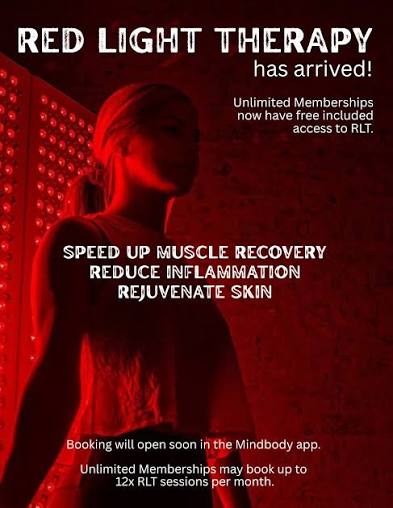
  • Red Light Therapy After 50: Does It Really Work?

    Red Light Therapy After 50: Does It Really Work?

    Does red light therapy really work?

    Short answer: Red light therapy may help some things, but the evidence isn’t equally strong for everything it’s sold for. Some research suggests red and near-infrared light can support changes in skin, and there’s some evidence it helps hair density for certain types of hair loss. Think of it as a maybe, not a miracle.

    I’ll admit it: I was curious about red light therapy, so I tried it myself. After a workout, I sat under a red light machine for a treatment. It’s one of those things that makes you wonder, “Is this actually doing something, or am I just sitting in a bunch of red lights?” So I decided to look past the hype and see what the research actually says.

    What Is Red Light Therapy?

    Red light therapy is often called photobiomodulation. It uses specific wavelengths of red and sometimes near-infrared light rather than ultraviolet light. The basic idea is pretty interesting. Researchers think these wavelengths can interact with cells and influence cellular signaling and energy production, including processes involving the mitochondria—the parts of our cells that help produce energy. That doesn’t mean red light is some magic reset button for aging. It means there is a biological reason researchers are interested in it, and there is a growing body of clinical research looking at where it may actually help.

    What Might Red Light Therapy Actually Do?

    This is where I think it gets interesting—especially after 50. Research has looked at photobiomodulation for several different uses, although the strength of the evidence isn’t the same for all of them.
    • Skin: Studies have looked at skin texture, wrinkles, healing and other signs of photoaging. Some research suggests red and near-infrared light may support changes in skin biology.
    • Hair: Photobiomodulation has been studied for certain types of hair loss, with some evidence of increased hair density.
    • Pain and recovery: Researchers have studied it for pain, inflammation and musculoskeletal problems. Results vary depending on the condition and treatment protocol.
    • Wound healing: This is one of the areas where photobiomodulation has received serious medical research attention.
    • Older adults: A 2024 systematic review found some promising results in older adults, but also pointed out a major problem: studies used very different devices, wavelengths and treatment schedules.
    So “red light therapy works” is actually too broad a statement. The better question is: works for what, with which device, at what dose, and for how long?

    Why Would Light Affect Your Cells?

    This is the part that sounds a little strange at first. Red and near-infrared light can penetrate tissue to some degree. Researchers believe light can interact with cellular components and influence signaling pathways, including pathways associated with mitochondrial function and energy production. Think of it less like “the light is healing you” and more like giving certain cells a signal that may influence what they do. The science is real, but researchers are still working out exactly how different wavelengths, intensities and treatment schedules translate into useful results.

    What About Skin After 50?

    This is probably where most of us hear about red light therapy. As we get older, skin changes. Collagen production decreases, skin becomes thinner and changes in texture and elasticity become more noticeable. That has made light-based treatments particularly interesting in dermatology. There is evidence that low-energy red and near-infrared light can have effects relevant to skin rejuvenation, but the research is not a license to believe every “anti-aging” claim attached to an expensive red light device. Different machines use different wavelengths and power levels, and studies don’t all use the same treatment schedule. That makes comparing one person’s home device with a clinical study surprisingly difficult.

    And What Did I Notice?

    Here’s my honest answer: I don’t know yet. I worked out, then I sat under the red lights. I wasn’t expecting to walk out looking ten years younger or suddenly feel like Superman. What I’m interested in is what happens with regular use. Does my skin look or feel different? Do I notice anything about recovery after workouts? Is there any difference I can actually see or feel over time? One treatment isn’t enough to answer any of those questions. And that’s an important point when you’re trying something like this: your personal experience is not the same thing as scientific proof.

    Is Red Light Therapy Worth Trying?

    I think the interesting part is that this isn’t just an internet fad with no science behind it. Photobiomodulation has been studied for years, and a 2025 evidence-based consensus concluded that it is a safe treatment modality for adults when appropriately used, while also emphasizing that the evidence varies by medical application. At the same time, I wouldn’t spend a fortune because somebody promises that a red light panel will reverse aging. If you’re considering a device, pay attention to the wavelengths it uses, the manufacturer’s treatment instructions, eye-safety guidance and the actual evidence for the result you’re interested in. More light or longer sessions aren’t automatically better. For another perspective on beauty treatments and skincare claims, Michelle Wong’s Lab Muffin Beauty Science explains how to evaluate evidence and marketing around beauty products and technologies. Red-light devices vary, so it’s worth looking closely at the evidence for the specific device and result you’re considering.

    Common Questions

    What is red light therapy? Red light therapy uses specific wavelengths of red or near-infrared light that are intended to interact with cells and tissues. Does red light therapy really work after 50? Research suggests it may have benefits for certain uses, but results vary depending on the condition, device, treatment schedule, and individual. Can red light therapy help your skin look better? Some research suggests red and near-infrared light may support improvements in aspects of skin appearance, including fine lines and skin texture. How often should you use red light therapy? There isn’t one schedule that works for every device or purpose. Follow the instructions for the specific device you’re using. Is red light therapy safe? It is generally considered low risk when used properly, but following the manufacturer’s instructions is important. Avoid staring directly into bright treatment lights unless the device specifically indicates that it is safe. How long does it take to see results? Results aren’t usually immediate. If red light therapy helps, noticeable changes generally require consistent use over time. Is red light therapy a replacement for medical treatment? No. It shouldn’t be used as a substitute for diagnosis or treatment from a healthcare professional when you have a medical condition.

    The Bottom Line

    Red light therapy is one of those things where the truth is more interesting than the hype. There is legitimate research behind photobiomodulation, and there are some areas where the evidence is encouraging. But there are also plenty of unanswered questions, especially because devices and treatment protocols vary so much. I’m going to keep trying it and see what I notice. If something changes, I’ll tell you. If nothing changes, I’ll tell you that too. Because getting older doesn’t mean we have to believe every new health trend—but it also doesn’t mean we should automatically dismiss something just because it sounds a little strange.

    Sources & Further Reading

    This article is for general information and isn’t a substitute for medical advice. If you have a medical condition or take medications that make you sensitive to light, check with your healthcare professional before using light therapy. Written by Tom Green, creator of Well After 50 Tom Green writes Well After 50. He was born in Pell City, Alabama, in 1962, and he’s a country boy and a true Southerner through and through. He’s just a regular, laid-back 64-year-old who keeps things simple. He shares what he learns about skincare, fitness and getting older, and what’s working for him. He’s also the author of A Practical Guide to Getting Older Without Giving Up on Yourself. Tom isn’t a doctor. He reads up on the research and passes along what’s useful, plain and simple.

    Keep Reading

    I’ve also mapped out some great tools on my new Tech for Independent Living After 50 page.
  • Getting Older and Watching Your Hormones Change

    Getting Older and Watching Your Hormones Change

    How do your hormones change as you get older?

    Short answer: Hormones do change as you age, but not every symptom is a hormone problem. Testing can help when a doctor looks at it in context. Don’t let the internet sell you a hormone shortcut, because sleep, movement, good food and regular checkups still matter most.

    Hormones are one of those subjects that can make getting older sound much more mysterious than it really is. One article says everything is caused by a hormone being “low.” Another promises that a supplement, cream or treatment will restore the person you were at 30. Real life is more complicated—and that is actually useful to understand. Hormone levels change with age, but so do sleep, activity, body composition, nutrition, stress, medications and many other parts of health. A change in how you feel does not automatically tell you which hormone is responsible.

    What Can Change as We Get Older?

    People may notice changes in energy, sleep, body composition, muscle and recovery, sexual function, temperature regulation or mood. Some of these changes can involve hormones. Others have nothing to do with hormones. For women, menopause brings major changes in ovarian hormone production. For men, testosterone levels generally decline gradually rather than switching off at a particular age. Either way, the individual picture matters.

    Symptoms Don’t Come With a Hormone Label Attached

    This is where online checklists can get misleading. Feeling tired can have many causes. So can gaining weight, sleeping poorly, losing strength, having less interest in sex or feeling different emotionally. A symptom may deserve attention without proving what caused it. That is why I think it is better to tell a healthcare professional what changed, when it changed and what else was happening at the time than to walk in convinced that one particular hormone is the answer.

    Testing Can Help, But Context Matters

    When hormone testing is appropriate, a lab result is only one piece of the picture. Timing, the specific test, medications, symptoms and the person’s overall health can affect how results are interpreted. A single number pulled out of context can create more confusion than clarity. Your clinician can decide whether testing makes sense and what the results mean for you.

    Don’t Let the Internet Sell You a Hormone Shortcut

    There is a huge market built around the idea of reversing aging. Some products use words such as “balance,” “reset,” “boost” or “restore” without giving you a clear explanation of what problem they are actually treating. That doesn’t mean every hormone treatment is inappropriate. Some treatments have legitimate medical uses. It means the reason for using one should be clear, and the risks and benefits should be discussed with a qualified professional.

    The Basics Still Matter

    Before turning every change into a hormone problem, I would pay attention to the basics:
    • Sleep: Give it enough time and take persistent problems seriously.
    • Strength training: Resistance exercise can help maintain muscle and physical function.
    • Regular movement: Walking and other activity count.
    • Nutrition: Eat enough protein and a varied diet rather than chasing miracle foods.
    • Stress: Find realistic ways to reduce the load when you can.
    • Routine care: Keep appropriate checkups and discuss persistent changes.

    There Is No Single “Normal” Way to Get Older

    Two people the same age can feel completely different. Their medical histories, medications, sleep, activity, genetics, diet and life circumstances can all be different. That is why I don’t think aging should be treated like a scorecard. Notice what has changed, take reasonable care of yourself and get help when something doesn’t seem right.

    What I Think Is Worth Paying Attention To

    I’m much more interested in whether I can stay active, keep building or maintaining strength, sleep reasonably well, enjoy my life and deal with health changes intelligently than I am in trying to make every number look like it did decades ago. Aging is not a failure of your body. It is a process. The goal is to understand what is changing without letting every change scare you into buying something. For a midlife-focused perspective on changing routines and wellbeing after menopause, Forward After the Pause writes about life after menopause, everyday wellness, and moving into a new chapter. For symptoms that concern you, a qualified clinician is still the right person to help interpret what your own hormone changes may mean.

    Common Questions

    What happens to your hormones as you get older? Hormone levels and patterns can change with age. The changes differ between men and women and can affect things such as sleep, energy, muscle, mood, and sexual health. Do hormones change after 50? Yes. Hormonal changes are a normal part of aging, although the timing and degree vary from person to person. Why do hormones change as you age? Hormone production and regulation naturally change over time as part of the aging process. Can changing hormones affect your energy after 50? They can. Changes in hormones may be one factor affecting energy, but sleep, nutrition, physical activity, medications, stress, and health conditions can also play important roles. Can hormone changes affect muscle after 50? Yes. Age-related hormonal changes can contribute to changes in muscle mass and strength, which is one reason regular resistance exercise and adequate nutrition become important. Can hormone changes affect sleep after 50? They can. Hormonal changes may contribute to sleep changes, although many other factors can also affect sleep as you get older. Do men and women experience hormonal changes differently? Yes. The specific hormones involved, timing, and symptoms can differ significantly between men and women. Does feeling tired always mean your hormones are changing? No. Fatigue has many possible causes. Persistent or unusual tiredness shouldn’t automatically be blamed on aging or hormones. Can lifestyle habits help you manage changes that come with aging? Regular exercise, nutritious food, adequate sleep, stress management, and maintaining healthy habits can support overall health as hormone patterns change. When should you talk with a doctor about hormone changes? If you have persistent or concerning symptoms such as major changes in energy, mood, sleep, sexual function, or other unexplained changes, discuss them with a healthcare professional. Practical takeaway: Hormone changes are part of getting older, but they aren’t the whole story. Focus on the things you can control—exercise, nutrition, sleep, stress, and regular healthcare. This article is general information and reflects my personal perspective. Hormone-related symptoms and treatments are individual medical questions; talk with a qualified healthcare professional about your situation. Written by Tom Green, creator of Well After 50 Tom Green writes Well After 50. He was born in Pell City, Alabama, in 1962, and he’s a country boy and a true Southerner through and through. He’s just a regular, laid-back 64-year-old who keeps things simple. He shares what he learns about skincare, fitness and getting older, and what’s working for him. He’s also the author of A Practical Guide to Getting Older Without Giving Up on Yourself. Tom isn’t a doctor. He reads up on the research and passes along what’s useful, plain and simple.

    Keep Reading

    I’ve also mapped out some great tools on my new Tech for Independent Living After 50 page.
  • Memory Getting Slippery After 50? Citicoline Explained

    Memory Getting Slippery After 50? Citicoline Explained

    Does citicoline help memory after 50?

    Short answer: Citicoline is a supplement your body turns into compounds the brain uses. In one 12-week study of 100 healthy adults ages 50 to 85 with age-related memory slips, those who took 500 mg a day improved more on memory tests than those on a dummy pill. But the European Food Safety Authority found it hasn’t been proven to improve memory, so don’t expect a miracle.

    Ever walk into a room and forget why you went there? Or know a person’s name perfectly well—until the exact moment you need it? Those little memory lapses can become more noticeable after 50+, and they can make you wonder whether there is anything simple you can do to support your brain. That’s one reason citicoline, also called CDP-choline, has been getting attention. But does citicoline actually help memory? The answer is more interesting than a simple yes or no.

    What Is Citicoline?

    Citicoline is a naturally occurring compound involved in the body’s production of phospholipids and the neurotransmitter acetylcholine. After it is taken, it provides choline and cytidine, which are used in several pathways important to brain-cell membranes and brain chemistry. That sounds impressive, but here’s the important distinction: a supplement having a plausible biological role does not automatically mean it will noticeably improve memory in everyday life.

    So, Can Citicoline Help Memory After 50+?

    There is some human research worth paying attention to. One randomized, double-blind, placebo-controlled trial included 100 healthy adults ages 50 to 85 who had age-associated memory impairment. Participants received either placebo or 500 mg of citicoline daily for 12 weeks. At the end of the study, the citicoline group showed greater improvement on measures of episodic memory and overall composite memory than the placebo group. That’s encouraging—but it was one relatively small 12-week study, not proof that citicoline will improve memory for everyone.

    What Makes Citicoline Interesting?

    Citicoline supplies choline, which the body uses to make acetylcholine. Acetylcholine is a neurotransmitter involved in attention and memory. Citicoline also contributes building blocks used in cell-membrane metabolism. Researchers have therefore been interested in whether supporting these pathways might help the aging brain function more efficiently. In other words, there is a reasonable biological explanation for studying citicoline. But mechanism is not the same thing as proof of a real-world benefit.

    What the Research Does—and Doesn’t—Prove

    This is where I think readers 50+ should be careful. The positive clinical trial is useful because it actually tested people rather than simply looking at laboratory mechanisms. But broader evidence is not strong enough to say that citicoline is a proven treatment for age-related memory loss. A later scientific assessment by the European Food Safety Authority concluded that a cause-and-effect relationship between citicoline and improved, maintained, or reduced loss of memory had not been established. In other words, the evidence remains promising but incomplete.

    How Much Citicoline Was Studied?

    The most directly relevant memory trial in adults 50+ used 500 mg per day for 12 weeks. That does not mean 500 mg is a recommended dose for everyone, and it doesn’t mean that taking more will work better. Studies of citicoline for other medical conditions have used different amounts, but those results shouldn’t automatically be applied to healthy people simply interested in memory. If you’re considering a supplement, check the label carefully and talk with your healthcare professional or pharmacist if you take medications or have a medical condition.

    Is Citicoline a Nootropic?

    You’ll often see citicoline described online as a nootropic—a substance marketed for cognitive support. That’s a useful search term, but don’t let the label make the evidence sound stronger than it is. The important question isn’t whether something is called a nootropic. It’s whether controlled human studies show a meaningful benefit. With citicoline, there are some encouraging findings, but more research is needed.

    What About Side Effects?

    Citicoline has generally been described as well tolerated in clinical research, but “natural” or “well tolerated” doesn’t mean risk-free. Reported unwanted effects in some research have included headache, digestive discomfort and sleep-related complaints. If a supplement seems to make you feel worse, disrupts your sleep or causes a new symptom, that’s a good reason to stop and discuss it with a healthcare professional.

    What I Would Take Away From the Research

    If you’re interested in memory after 50+, citicoline is worth knowing about—but not worth treating like a miracle supplement.
    • There is a human trial in adults 50–85 showing improvement in certain memory measures.
    • The study used 500 mg daily for 12 weeks.
    • The overall evidence is still limited.
    • Citicoline has a plausible role in brain-cell and neurotransmitter metabolism.
    • More research is needed before anyone can say it prevents or reverses normal age-related memory decline.

    Common Questions

    Is it normal to have more memory lapses after 50? Occasional forgetfulness can happen with normal aging, but persistent or worsening memory problems deserve attention. What is citicoline? Citicoline is a compound that provides choline and is involved in processes related to cell membranes and brain function. Can citicoline improve memory? Some research has explored citicoline for memory and cognitive function, but the evidence is not strong enough to say it will improve memory for everyone. Is citicoline the same as CDP-choline? Yes. Citicoline and CDP-choline are two names commonly used for the same compound. Is citicoline safe for people 50+? Citicoline appears to be generally well tolerated in studies, but supplements can interact with individual health conditions or medications. It’s smart to discuss regular supplement use with a healthcare professional. When should memory problems be checked by a doctor? If memory changes are frequent, getting worse, interfere with everyday activities, or concern you or someone close to you, bring them up with a healthcare professional.

    And Don’t Forget the Boring Stuff

    Before spending money on another supplement, remember that the basics still matter. Regular physical activity, adequate sleep, a balanced diet, social connection and staying mentally engaged all have a place in healthy aging. Citicoline may eventually prove to have a useful role for some people. For now, the most honest description is interesting, researched and promising—but not proven. Well After 50 note: This article is for general education, not medical advice. New, sudden or steadily worsening memory problems deserve a conversation with a healthcare professional rather than a supplement experiment.

    Sources

    Citicoline and Memory Function in Healthy Older Adults: Randomized, Double-Blind, Placebo-Controlled Clinical Trial Citicoline Improves Verbal Memory in Aging Citicoline: Pharmacological and Clinical Review, 2022 Update   Practical takeaway: You do not need to overhaul your life to make a useful change. Start with one realistic step, give it time, and build from there. A gentle well-being note: This article is for general information and is not a substitute for professional medical advice. If you have persistent, severe, or worsening symptoms, talk with a qualified healthcare professional.

    Keep Reading

    Written by Tom Green, creator of Well After 50 Tom Green writes Well After 50. He was born in Pell City, Alabama, in 1962, and he’s a country boy and a true Southerner through and through. He’s just a regular, laid-back 64-year-old who keeps things simple. He shares what he learns about skincare, fitness and getting older, and what’s working for him. He’s also the author of A Practical Guide to Getting Older Without Giving Up on Yourself. Tom isn’t a doctor. He reads up on the research and passes along what’s useful, plain and simple.

    I’ve also mapped out some great tools on my new Tech for Independent Living After 50 page.

  • 50+ Looksmaxxing: Simple Ways to Look Better at Any Age

    50+ Looksmaxxing: Simple Ways to Look Better at Any Age

    How can you look better at any age?

    Short answer: Looking better after 50 isn’t about looking 25. Start with your skin, build some muscle, fix your posture, and pay attention to your hair, teeth, glasses and hands. Clothes that actually fit make a big difference, and fellas, facial hair needs a plan.

    “Looksmaxxing” is one of those internet words that sounds like it was invented by a 20-year-old guy measuring his jawline in the bathroom mirror.

    But strip away the silly name and there’s a useful idea underneath it: getting the most out of what you already have.

    For someone 50+, that doesn’t mean trying to look 25. It means looking healthy, strong, well-groomed, alert and comfortable in your own skin—without spending a fortune or chasing every new anti-aging trick.

    1. Start With Your Skin

    You don’t need a complicated 12-step routine. Gentle cleansing, a good moisturizer and daily sun protection can go a long way. If you have a specific concern, such as dryness or uneven tone, add one targeted product rather than turning your bathroom into a laboratory.

    Sun protection is especially important because UV exposure contributes to visible skin aging. A simple routine you actually use beats an expensive routine that sits untouched in a cabinet.

    2. Muscle Is One of the Best 50+ Beauty Treatments

    Strength training is usually discussed in terms of health, independence and function—and it should be. But there’s an appearance benefit too.

    Building or maintaining muscle can improve how your clothes fit, give your shoulders and arms more shape, support better posture and help you maintain a more athletic-looking body as you age. Regular muscle-strengthening activity is recommended for adults by organizations such as the CDC and ACSM.

    3. Fix Your Posture

    This might be the cheapest appearance upgrade on the list because it costs nothing.

    Stand comfortably upright. Let your shoulders settle back instead of collapsing forward. Keep your head in a natural position. You don’t have to walk around like a soldier.

    Try taking a before-and-after photo from the same angle. The difference can be surprisingly noticeable.

    4. Your Hair Matters More Than You Think

    A good haircut can change your entire appearance. The goal isn’t necessarily to hide gray hair or thinning hair. Work with what you have.

    Gray hair can look great when it is intentional and well maintained. If your hair is thinning, a style that works with it usually looks better than trying to force it into a style you had decades ago.

    5. Don’t Underestimate Your Teeth

    A healthy-looking smile makes a difference. Keep up with brushing, flossing and regular dental care. If whitening is appropriate for you, that can be another option.

    You don’t need an unnaturally bright Hollywood smile. Healthy and natural-looking is the goal.

    6. Glasses Can Become Part of Your Look

    If you wear glasses, stop thinking of them as something you simply have to wear. They are part of your face and can become part of your style.

    If your frames are old or no longer suit your face, try something different. A modern frame can make a surprisingly big difference.

    7. Clothes That Fit Are Practically Cheating

    You don’t need designer clothes. You need clothes that fit.

    Pay attention to the shoulders, sleeves, waist, pant length and jacket length. Clothes that fit your current body usually look more polished than clothes that are either too tight or hanging off you.

    Modern beats juvenile. You can look current without dressing like you’re trying to sneak into a college fraternity.

    8. Take Care of Your Hands

    Your hands are one of the first places people notice age-related changes. Keep your nails neat, use moisturizer when your hands are dry and protect them from excessive sun exposure.

    9. Facial Hair Needs a Strategy

    A beard or mustache can completely change the way the lower half of your face looks. That can be useful—but only if it looks intentional.

    Keep the edges and length maintained. If facial hair is patchy or uneven, a shorter style may look cleaner.

    10. Sleep Is an Appearance Hack Nobody Wants to Hear About

    There is nothing glamorous about getting enough sleep, which is probably why the internet doesn’t sell it as aggressively as expensive creams.

    But being rested can affect how alert and healthy you look. Sleep is also part of the bigger picture of healthy aging, recovery and energy.

    11. Don’t Ignore Your Weight—but Don’t Obsess Over It

    Your appearance is affected by body composition, but the number on the scale is only one piece of the picture.

    Strength training, adequate protein, regular movement and sensible eating can help you maintain muscle and a healthy body composition. The goal isn’t perfection. It’s looking and feeling capable.

    The Secret Weapon: Energy

    There is something about a person who has energy that makes them look better.

    Exercise, good sleep, mobility, nutritious food and staying socially and mentally engaged can all contribute to how you carry yourself. Someone who looks interested in life often looks younger without actually trying to look younger.

    What NOT to Do

    • Don’t obsess over tiny imperfections.
    • Don’t compare yourself with celebrities, influencers or heavily edited photos.
    • Don’t chase every new “anti-aging” trick.
    • Don’t make looking younger your entire identity.

    The point is presentation, not perfection.

    The 50+ Looksmaxxing Checklist

    • Get a haircut that suits your current hair.
    • Keep facial hair intentional and maintained.
    • Take care of your teeth.
    • Moisturize and protect your skin from the sun.
    • Strength train.
    • Maintain a healthy body composition.
    • Work on posture and mobility.
    • Wear clothes that fit.
    • Update your glasses if your frames are dated.
    • Take care of your hands and nails.
    • Get enough sleep.
    • Keep moving like you still have somewhere to go.
    • Smile.
    • Stop trying to look 25.

    The Real 50+ Looksmaxxing Goal

    You don’t need to look 25.

    You want to look healthy. Strong. Well-groomed. Alert. Confident. Comfortable.

    That’s a much more realistic—and much more useful—version of looksmaxxing for life after 50.

    For another perspective on looking and feeling good in midlife, Felice Shapiro’s Better After 50 shares stories and ideas about style, wellness, and life after 50. Use any trend as inspiration—not a rule—and choose changes that suit your own face, skin, budget, and comfort.

    What does looksmaxxing mean for someone 50+?
    For 50+ adults, looksmaxxing can simply mean making practical improvements that help you look and feel your best without trying to look younger than you are.

    Can you really improve your appearance after 50?
    Absolutely. Small changes to skincare, hair, grooming, clothing, posture, fitness, and sleep can make a noticeable difference in how you look.

    What are the easiest ways to look better after 50?
    Start with the basics: take care of your skin, get a haircut that suits you, keep facial hair groomed, wear clothes that fit well, stay active, and pay attention to posture.

    Does fitness help you look better after 50?
    Yes. Building or maintaining muscle, staying active, and improving posture can change your overall appearance as well as how you carry yourself.

    Do you have to spend a lot of money to improve your appearance?
    No. Many of the most noticeable improvements—better grooming, fitting clothes, regular exercise, good skincare, and better sleep—don’t require a large budget.

    Is it too late to start looksmaxxing at 50+?
    Not at all. You can start making small improvements at any age, and the goal doesn’t have to be perfection. Looking healthier, more confident, and more put-together is a worthwhile goal at any stage of life.

    A Note on the Research

    The recommendations here are based on the basics of healthy aging: sun protection, regular physical activity and strength training, adequate sleep, dental care and simple skincare. The CDC recommends regular physical activity that includes muscle-strengthening activity, while dermatology organizations emphasize protection from UV exposure.

    In other words: the boring stuff works. And at 50+, boring can be pretty damn effective.

    Keep Reading

    Written by Tom Green, creator of Well After 50

    Tom Green writes Well After 50. He was born in Pell City, Alabama, in 1962, and he’s a country boy and a true Southerner through and through. He’s just a regular, laid-back 64-year-old who keeps things simple. He shares what he learns about skincare, fitness and getting older, and what’s working for him. He’s also the author of A Practical Guide to Getting Older Without Giving Up on Yourself. Tom isn’t a doctor. He reads up on the research and passes along what’s useful, plain and simple.

    I’ve also mapped out some great tools on my new Tech for Independent Living After 50 page.