Tag: life after 50

  • Getting Older and Watching Your Hormones Change

    Getting Older and Watching Your Hormones Change

    Hormones are one of those subjects that can make getting older sound much more mysterious than it really is. One article says everything is caused by a hormone being ā€œlow.ā€ Another promises that a supplement, cream or treatment will restore the person you were at 30. Real life is more complicated—and that is actually useful to understand. Hormone levels change with age, but so do sleep, activity, body composition, nutrition, stress, medications and many other parts of health. A change in how you feel does not automatically tell you which hormone is responsible.

    What Can Change as We Get Older?

    People may notice changes in energy, sleep, body composition, muscle and recovery, sexual function, temperature regulation or mood. Some of these changes can involve hormones. Others have nothing to do with hormones. For women, menopause brings major changes in ovarian hormone production. For men, testosterone levels generally decline gradually rather than switching off at a particular age. Either way, the individual picture matters.

    Symptoms Don’t Come With a Hormone Label Attached

    This is where online checklists can get misleading. Feeling tired can have many causes. So can gaining weight, sleeping poorly, losing strength, having less interest in sex or feeling different emotionally. A symptom may deserve attention without proving what caused it. That is why I think it is better to tell a healthcare professional what changed, when it changed and what else was happening at the time than to walk in convinced that one particular hormone is the answer.

    Testing Can Help, But Context Matters

    When hormone testing is appropriate, a lab result is only one piece of the picture. Timing, the specific test, medications, symptoms and the person’s overall health can affect how results are interpreted. A single number pulled out of context can create more confusion than clarity. Your clinician can decide whether testing makes sense and what the results mean for you.

    Don’t Let the Internet Sell You a Hormone Shortcut

    There is a huge market built around the idea of reversing aging. Some products use words such as ā€œbalance,ā€ ā€œreset,ā€ ā€œboostā€ or ā€œrestoreā€ without giving you a clear explanation of what problem they are actually treating. That doesn’t mean every hormone treatment is inappropriate. Some treatments have legitimate medical uses. It means the reason for using one should be clear, and the risks and benefits should be discussed with a qualified professional.

    The Basics Still Matter

    Before turning every change into a hormone problem, I would pay attention to the basics:
    • Sleep: Give it enough time and take persistent problems seriously.
    • Strength training: Resistance exercise can help maintain muscle and physical function.
    • Regular movement: Walking and other activity count.
    • Nutrition: Eat enough protein and a varied diet rather than chasing miracle foods.
    • Stress: Find realistic ways to reduce the load when you can.
    • Routine care: Keep appropriate checkups and discuss persistent changes.

    There Is No Single ā€œNormalā€ Way to Get Older

    Two people the same age can feel completely different. Their medical histories, medications, sleep, activity, genetics, diet and life circumstances can all be different. That is why I don’t think aging should be treated like a scorecard. Notice what has changed, take reasonable care of yourself and get help when something doesn’t seem right.

    What I Think Is Worth Paying Attention To

    I’m much more interested in whether I can stay active, keep building or maintaining strength, sleep reasonably well, enjoy my life and deal with health changes intelligently than I am in trying to make every number look like it did decades ago. Aging is not a failure of your body. It is a process. The goal is to understand what is changing without letting every change scare you into buying something. For a midlife-focused perspective on changing routines and wellbeing after menopause, Forward After the Pause writes about life after menopause, everyday wellness, and moving into a new chapter. For symptoms that concern you, a qualified clinician is still the right person to help interpret what your own hormone changes may mean.

    Common Questions

    What happens to your hormones as you get older? Hormone levels and patterns can change with age. The changes differ between men and women and can affect things such as sleep, energy, muscle, mood, and sexual health. Do hormones change after 50? Yes. Hormonal changes are a normal part of aging, although the timing and degree vary from person to person. Why do hormones change as you age? Hormone production and regulation naturally change over time as part of the aging process. Can changing hormones affect your energy after 50? They can. Changes in hormones may be one factor affecting energy, but sleep, nutrition, physical activity, medications, stress, and health conditions can also play important roles. Can hormone changes affect muscle after 50? Yes. Age-related hormonal changes can contribute to changes in muscle mass and strength, which is one reason regular resistance exercise and adequate nutrition become important. Can hormone changes affect sleep after 50? They can. Hormonal changes may contribute to sleep changes, although many other factors can also affect sleep as you get older. Do men and women experience hormonal changes differently? Yes. The specific hormones involved, timing, and symptoms can differ significantly between men and women. Does feeling tired always mean your hormones are changing? No. Fatigue has many possible causes. Persistent or unusual tiredness shouldn’t automatically be blamed on aging or hormones. Can lifestyle habits help you manage changes that come with aging? Regular exercise, nutritious food, adequate sleep, stress management, and maintaining healthy habits can support overall health as hormone patterns change. When should you talk with a doctor about hormone changes? If you have persistent or concerning symptoms such as major changes in energy, mood, sleep, sexual function, or other unexplained changes, discuss them with a healthcare professional. Practical takeaway: Hormone changes are part of getting older, but they aren’t the whole story. Focus on the things you can control—exercise, nutrition, sleep, stress, and regular healthcare. This article is general information and reflects my personal perspective. Hormone-related symptoms and treatments are individual medical questions; talk with a qualified healthcare professional about your situation. Written by Tom Green, creator of Well After 50 Tom Green writes Well After 50. He’s just a regular, laid-back 64-year-old who keeps things simple. He shares what he learns about skincare, fitness and getting older, and what’s working for him. He’s also the author of A Practical Guide to Getting Older Without Giving Up on Yourself. Tom isn’t a doctor. He reads up on the research and passes along what’s useful, plain and simple.

    Keep Reading

    I’ve also mapped out some great tools on my new Tech for Independent Living After 50 page.

  • Memory Getting Slippery After 50? Citicoline Explained

    Memory Getting Slippery After 50? Citicoline Explained

    Ever walk into a room and forget why you went there? Or know a person’s name perfectly well—until the exact moment you need it? Those little memory lapses can become more noticeable after 50+, and they can make you wonder whether there is anything simple you can do to support your brain. That’s one reason citicoline, also called CDP-choline, has been getting attention. But does citicoline actually help memory? The answer is more interesting than a simple yes or no.

    What Is Citicoline?

    Citicoline is a naturally occurring compound involved in the body’s production of phospholipids and the neurotransmitter acetylcholine. After it is taken, it provides choline and cytidine, which are used in several pathways important to brain-cell membranes and brain chemistry. That sounds impressive, but here’s the important distinction: a supplement having a plausible biological role does not automatically mean it will noticeably improve memory in everyday life.

    So, Can Citicoline Help Memory After 50+?

    There is some human research worth paying attention to. One randomized, double-blind, placebo-controlled trial included 100 healthy adults ages 50 to 85 who had age-associated memory impairment. Participants received either placebo or 500 mg of citicoline daily for 12 weeks. At the end of the study, the citicoline group showed greater improvement on measures of episodic memory and overall composite memory than the placebo group. That’s encouraging—but it was one relatively small 12-week study, not proof that citicoline will improve memory for everyone.

    What Makes Citicoline Interesting?

    Citicoline supplies choline, which the body uses to make acetylcholine. Acetylcholine is a neurotransmitter involved in attention and memory. Citicoline also contributes building blocks used in cell-membrane metabolism. Researchers have therefore been interested in whether supporting these pathways might help the aging brain function more efficiently. In other words, there is a reasonable biological explanation for studying citicoline. But mechanism is not the same thing as proof of a real-world benefit.

    What the Research Does—and Doesn’t—Prove

    This is where I think readers 50+ should be careful. The positive clinical trial is useful because it actually tested people rather than simply looking at laboratory mechanisms. But broader evidence is not strong enough to say that citicoline is a proven treatment for age-related memory loss. A later scientific assessment by the European Food Safety Authority concluded that a cause-and-effect relationship between citicoline and improved, maintained, or reduced loss of memory had not been established. In other words, the evidence remains promising but incomplete.

    How Much Citicoline Was Studied?

    The most directly relevant memory trial in adults 50+ used 500 mg per day for 12 weeks. That does not mean 500 mg is a recommended dose for everyone, and it doesn’t mean that taking more will work better. Studies of citicoline for other medical conditions have used different amounts, but those results shouldn’t automatically be applied to healthy people simply interested in memory. If you’re considering a supplement, check the label carefully and talk with your healthcare professional or pharmacist if you take medications or have a medical condition.

    Is Citicoline a Nootropic?

    You’ll often see citicoline described online as a nootropic—a substance marketed for cognitive support. That’s a useful search term, but don’t let the label make the evidence sound stronger than it is. The important question isn’t whether something is called a nootropic. It’s whether controlled human studies show a meaningful benefit. With citicoline, there are some encouraging findings, but more research is needed.

    What About Side Effects?

    Citicoline has generally been described as well tolerated in clinical research, but ā€œnaturalā€ or ā€œwell toleratedā€ doesn’t mean risk-free. Reported unwanted effects in some research have included headache, digestive discomfort and sleep-related complaints. If a supplement seems to make you feel worse, disrupts your sleep or causes a new symptom, that’s a good reason to stop and discuss it with a healthcare professional.

    What I Would Take Away From the Research

    If you’re interested in memory after 50+, citicoline is worth knowing about—but not worth treating like a miracle supplement.
    • There is a human trial in adults 50–85 showing improvement in certain memory measures.
    • The study used 500 mg daily for 12 weeks.
    • The overall evidence is still limited.
    • Citicoline has a plausible role in brain-cell and neurotransmitter metabolism.
    • More research is needed before anyone can say it prevents or reverses normal age-related memory decline.

    Common Questions

    Is it normal to have more memory lapses after 50? Occasional forgetfulness can happen with normal aging, but persistent or worsening memory problems deserve attention. What is citicoline? Citicoline is a compound that provides choline and is involved in processes related to cell membranes and brain function. Can citicoline improve memory? Some research has explored citicoline for memory and cognitive function, but the evidence is not strong enough to say it will improve memory for everyone. Is citicoline the same as CDP-choline? Yes. Citicoline and CDP-choline are two names commonly used for the same compound. Is citicoline safe for people 50+? Citicoline appears to be generally well tolerated in studies, but supplements can interact with individual health conditions or medications. It’s smart to discuss regular supplement use with a healthcare professional. When should memory problems be checked by a doctor? If memory changes are frequent, getting worse, interfere with everyday activities, or concern you or someone close to you, bring them up with a healthcare professional.

    And Don’t Forget the Boring Stuff

    Before spending money on another supplement, remember that the basics still matter. Regular physical activity, adequate sleep, a balanced diet, social connection and staying mentally engaged all have a place in healthy aging. Citicoline may eventually prove to have a useful role for some people. For now, the most honest description is interesting, researched and promising—but not proven. Well After 50 note: This article is for general education, not medical advice. New, sudden or steadily worsening memory problems deserve a conversation with a healthcare professional rather than a supplement experiment.

    Sources

    Citicoline and Memory Function in Healthy Older Adults: Randomized, Double-Blind, Placebo-Controlled Clinical Trial Citicoline Improves Verbal Memory in Aging Citicoline: Pharmacological and Clinical Review, 2022 Update   Practical takeaway: You do not need to overhaul your life to make a useful change. Start with one realistic step, give it time, and build from there. A gentle well-being note: This article is for general information and is not a substitute for professional medical advice. If you have persistent, severe, or worsening symptoms, talk with a qualified healthcare professional.

    Keep Reading

    Written by Tom Green, creator of Well After 50 Tom Green writes Well After 50. He’s just a regular, laid-back 64-year-old who keeps things simple. He shares what he learns about skincare, fitness and getting older, and what’s working for him. He’s also the author of A Practical Guide to Getting Older Without Giving Up on Yourself. Tom isn’t a doctor. He reads up on the research and passes along what’s useful, plain and simple.

    I’ve also mapped out some great tools on my new Tech for Independent Living After 50 page.

  • 50+ Looksmaxxing: Simple Ways to Look Better at Any Age

    50+ Looksmaxxing: Simple Ways to Look Better at Any Age

    ā€œLooksmaxxingā€ is one of those internet words that sounds like it was invented by a 20-year-old guy measuring his jawline in the bathroom mirror.

    But strip away the silly name and there’s a useful idea underneath it: getting the most out of what you already have.

    For someone 50+, that doesn’t mean trying to look 25. It means looking healthy, strong, well-groomed, alert and comfortable in your own skin—without spending a fortune or chasing every new anti-aging trick.

    1. Start With Your Skin

    You don’t need a complicated 12-step routine. Gentle cleansing, a good moisturizer and daily sun protection can go a long way. If you have a specific concern, such as dryness or uneven tone, add one targeted product rather than turning your bathroom into a laboratory.

    Sun protection is especially important because UV exposure contributes to visible skin aging. A simple routine you actually use beats an expensive routine that sits untouched in a cabinet.

    2. Muscle Is One of the Best 50+ Beauty Treatments

    Strength training is usually discussed in terms of health, independence and function—and it should be. But there’s an appearance benefit too.

    Building or maintaining muscle can improve how your clothes fit, give your shoulders and arms more shape, support better posture and help you maintain a more athletic-looking body as you age. Regular muscle-strengthening activity is recommended for adults by organizations such as the CDC and ACSM.

    3. Fix Your Posture

    This might be the cheapest appearance upgrade on the list because it costs nothing.

    Stand comfortably upright. Let your shoulders settle back instead of collapsing forward. Keep your head in a natural position. You don’t have to walk around like a soldier.

    Try taking a before-and-after photo from the same angle. The difference can be surprisingly noticeable.

    4. Your Hair Matters More Than You Think

    A good haircut can change your entire appearance. The goal isn’t necessarily to hide gray hair or thinning hair. Work with what you have.

    Gray hair can look great when it is intentional and well maintained. If your hair is thinning, a style that works with it usually looks better than trying to force it into a style you had decades ago.

    5. Don’t Underestimate Your Teeth

    A healthy-looking smile makes a difference. Keep up with brushing, flossing and regular dental care. If whitening is appropriate for you, that can be another option.

    You don’t need an unnaturally bright Hollywood smile. Healthy and natural-looking is the goal.

    6. Glasses Can Become Part of Your Look

    If you wear glasses, stop thinking of them as something you simply have to wear. They are part of your face and can become part of your style.

    If your frames are old or no longer suit your face, try something different. A modern frame can make a surprisingly big difference.

    If you’re shopping for a new pair, BLACKSHEEP has a good selection of prescription frames, so you can try a style that’s a little different from what you’ve worn for years. (affiliate link)

    7. Clothes That Fit Are Practically Cheating

    You don’t need designer clothes. You need clothes that fit.

    Pay attention to the shoulders, sleeves, waist, pant length and jacket length. Clothes that fit your current body usually look more polished than clothes that are either too tight or hanging off you.

    Modern beats juvenile. You can look current without dressing like you’re trying to sneak into a college fraternity.

    8. Take Care of Your Hands

    Your hands are one of the first places people notice age-related changes. Keep your nails neat, use moisturizer when your hands are dry and protect them from excessive sun exposure.

    9. Facial Hair Needs a Strategy

    A beard or mustache can completely change the way the lower half of your face looks. That can be useful—but only if it looks intentional.

    Keep the edges and length maintained. If facial hair is patchy or uneven, a shorter style may look cleaner.

    10. Sleep Is an Appearance Hack Nobody Wants to Hear About

    There is nothing glamorous about getting enough sleep, which is probably why the internet doesn’t sell it as aggressively as expensive creams.

    But being rested can affect how alert and healthy you look. Sleep is also part of the bigger picture of healthy aging, recovery and energy.

    11. Don’t Ignore Your Weight—but Don’t Obsess Over It

    Your appearance is affected by body composition, but the number on the scale is only one piece of the picture.

    Strength training, adequate protein, regular movement and sensible eating can help you maintain muscle and a healthy body composition. The goal isn’t perfection. It’s looking and feeling capable.

    The Secret Weapon: Energy

    There is something about a person who has energy that makes them look better.

    Exercise, good sleep, mobility, nutritious food and staying socially and mentally engaged can all contribute to how you carry yourself. Someone who looks interested in life often looks younger without actually trying to look younger.

    What NOT to Do

    • Don’t obsess over tiny imperfections.
    • Don’t compare yourself with celebrities, influencers or heavily edited photos.
    • Don’t chase every new ā€œanti-agingā€ trick.
    • Don’t make looking younger your entire identity.

    The point is presentation, not perfection.

    The 50+ Looksmaxxing Checklist

    • Get a haircut that suits your current hair.
    • Keep facial hair intentional and maintained.
    • Take care of your teeth.
    • Moisturize and protect your skin from the sun.
    • Strength train.
    • Maintain a healthy body composition.
    • Work on posture and mobility.
    • Wear clothes that fit.
    • Update your glasses if your frames are dated.
    • Take care of your hands and nails.
    • Get enough sleep.
    • Keep moving like you still have somewhere to go.
    • Smile.
    • Stop trying to look 25.

    The Real 50+ Looksmaxxing Goal

    You don’t need to look 25.

    You want to look healthy. Strong. Well-groomed. Alert. Confident. Comfortable.

    That’s a much more realistic—and much more useful—version of looksmaxxing for life after 50.

    For another perspective on looking and feeling good in midlife, Felice Shapiro’s Better After 50 shares stories and ideas about style, wellness, and life after 50. Use any trend as inspiration—not a rule—and choose changes that suit your own face, skin, budget, and comfort.

    What does looksmaxxing mean for someone 50+?
    For 50+ adults, looksmaxxing can simply mean making practical improvements that help you look and feel your best without trying to look younger than you are.

    Can you really improve your appearance after 50?
    Absolutely. Small changes to skincare, hair, grooming, clothing, posture, fitness, and sleep can make a noticeable difference in how you look.

    What are the easiest ways to look better after 50?
    Start with the basics: take care of your skin, get a haircut that suits you, keep facial hair groomed, wear clothes that fit well, stay active, and pay attention to posture.

    Does fitness help you look better after 50?
    Yes. Building or maintaining muscle, staying active, and improving posture can change your overall appearance as well as how you carry yourself.

    Do you have to spend a lot of money to improve your appearance?
    No. Many of the most noticeable improvements—better grooming, fitting clothes, regular exercise, good skincare, and better sleep—don’t require a large budget.

    Is it too late to start looksmaxxing at 50+?
    Not at all. You can start making small improvements at any age, and the goal doesn’t have to be perfection. Looking healthier, more confident, and more put-together is a worthwhile goal at any stage of life.

    A Note on the Research

    The recommendations here are based on the basics of healthy aging: sun protection, regular physical activity and strength training, adequate sleep, dental care and simple skincare. The CDC recommends regular physical activity that includes muscle-strengthening activity, while dermatology organizations emphasize protection from UV exposure.

    In other words: the boring stuff works. And at 50+, boring can be pretty damn effective.

    Keep Reading

    Written by Tom Green, creator of Well After 50

    Tom Green writes Well After 50. He’s just a regular, laid-back 64-year-old who keeps things simple. He shares what he learns about skincare, fitness and getting older, and what’s working for him. He’s also the author of A Practical Guide to Getting Older Without Giving Up on Yourself. Tom isn’t a doctor. He reads up on the research and passes along what’s useful, plain and simple.

    I’ve also mapped out some great tools on my new Tech for Independent Living After 50 page.

  • Retirement and Mental Health: 7 Ways to Build a Life You Actually Enjoy

    Retirement and Mental Health: 7 Ways to Build a Life You Actually Enjoy

    Retirement is supposed to feel freeing. So why can it sometimes feel surprisingly strange?

    Leaving a job can mean more time, but it can also remove routines, coworkers, goals and daily reasons to get out the door. That transition can affect your mood and sense of purpose.

    1. Replace the routine before you miss it

    You don’t need to recreate your working life. But having a reason to get up, get dressed and go somewhere can make a big difference. Build a loose morning and weekly rhythm that gives your days some shape.

    2. Put people on your calendar

    Don’t wait until you feel lonely to call somebody. Schedule coffee, walks, lunch, game nights, volunteer work or regular phone calls. Social connection is an important part of healthy aging.

    3. Find a reason to be needed

    Purpose doesn’t have to mean a new career. Helping a neighbor, mentoring someone, caring for a garden, volunteering or contributing to a community can give your week meaning.

    4. Give yourself something to learn

    Take a class. Learn photography. Try a language. Learn to cook something you’ve never made. Pick up an instrument. Your retirement years don’t have to be a period of standing still.

    5. Keep moving

    Physical activity can support mood, sleep, physical function and overall quality of life. It can also become a social activity when you walk with a friend or join a group.

    6. Watch for the signs that you need help

    Feeling unsettled during a major life change is normal. But persistent sadness, loss of interest, isolation or other troubling changes deserve attention. Talking with a doctor or mental-health professional can be a useful next step.

    7. Don’t make retirement smaller than your working life

    This may be the first time in decades when you have more freedom to decide what belongs in your life. You can change your schedule, meet different people, explore new places and finally make room for things you postponed.

    Your retirement reset

    • One thing that gets you moving.
    • One person you make time for.
    • One activity that challenges your brain.
    • One thing you do simply because you enjoy it.

    Retirement doesn’t have to be an empty space where work used to be. It can become a life with a different rhythm—and one that feels more like your own.

    Common Questions

    Can retirement affect your mental health?
    Yes. Retirement can bring more freedom, but it can also change your daily routine, social connections, sense of purpose, and identity.

    How can I stay mentally healthy after retiring?
    Keeping a regular routine, staying physically active, maintaining relationships, learning new things, and having activities you look forward to can all support well-being.

    Why can retirement feel lonely?
    Leaving the workplace can reduce everyday social interaction. Building new connections through hobbies, volunteering, clubs, classes, or community activities can help.

    Do you need a purpose after retirement?
    Having things that give your days meaning can make retirement more satisfying. Purpose can come from family, hobbies, volunteering, learning, work, creativity, or simply pursuing interests you’ve put off.

    How can I enjoy retirement if I don’t know what I want to do?
    Start small. Try different activities without expecting yourself to find one perfect passion immediately. Pay attention to what leaves you feeling interested, useful, or energized.

    When should I ask for help with my mental health?
    If sadness, anxiety, loneliness, loss of interest, or other emotional difficulties persist or interfere with everyday life, consider talking with a healthcare professional or mental-health professional.

    Question for you: What did retirement give you that you didn’t expect?

    Tom Green writes Well After 50. He’s just a regular, laid-back 64-year-old who keeps things simple. He shares what he learns about skincare, fitness and getting older, and what’s working for him. He’s also the author of A Practical Guide to Getting Older Without Giving Up on Yourself. Tom isn’t a doctor. He reads up on the research and passes along what’s useful, plain and simple.

    I’ve also mapped out some great tools on my new Tech for Independent Living After 50 page.

  • How to Reinvent Yourself After 50: 9 Ways to Start a New Chapter

    How to Reinvent Yourself After 50: 9 Ways to Start a New Chapter

    Who says you have to keep being the person you were at 30, 40 or even 49?

    Life after 50 can be a surprisingly good time to rethink what you want. Maybe the kids are grown. Maybe retirement is getting closer, or already here. Maybe you have more free time than you know what to do with. Or maybe you simply woke up one morning and realized you want something different.

    I’m 64, and I can tell you this: reinventing yourself doesn’t mean blowing up your life. It usually starts with one small change you actually follow through on. Then another. Below you’ll find nine ways to start, a simple 30-day plan so it doesn’t stay a “someday” idea, and a little bit of my own story.

    Start here if you only have 5 minutes

    1. Write down one thing you have been curious about for years.
    2. Pick one tiny step toward it you can take this week, like signing up, calling someone or buying the book.
    3. Put that step on your calendar with a day and time.

    That’s it. That’s how a new chapter actually starts.

    How I Started My Own New Chapter at 64

    I’ll be honest with you. I didn’t start Well After 50 because I had it all figured out. I just thought to myself one day, I’ve got a good bit of life experience. Why not do a blog?

    The hardest part wasn’t the computer stuff, though there was plenty of that. It was fighting my own defeatism. That little voice that says you’re too old, nobody’s going to read it, why bother. I had to take the risk anyway. Now’s a better time than never.

    That wasn’t the only change. These days I work out four days a week, I’m eating better, and I’ve started taking some longevity supplements. None of that happened overnight. It started with one decision, then another.

    If you knew my whole story, I reckon you’d find some hope in it, and maybe the push to try a few things you’ve never done before.

    Why a new chapter is worth it after 50

    This is not just about feeling good. In a study of nearly 7,000 adults over 50 published in JAMA Network Open, people with the lowest sense of purpose in life were more than twice as likely to die during the study period as those with the strongest sense of purpose (Live Science summary). A study like this can’t prove purpose is the cause, but it is a good reminder that having something to get up for matters.

    Reinvention is really about that: finding things that make you feel useful, curious and connected again.

    1. Stop waiting for permission

    A lot of us spent decades doing what was expected of us: by a boss, a spouse, the kids, the neighbors. After 50, you are allowed to want something just because you want it. You don’t need everyone around you to understand your next chapter.

    Try this: Finish this sentence on paper: “If nobody would judge me, I would…” Don’t edit it. Whatever you write first is worth paying attention to.

    2. Try something before deciding who you are

    “I’m not that kind of person” is one of the most limiting things we tell ourselves. You don’t find out who you are next by thinking about it. You find out by trying things. Take the class. Join the group. Try the hobby. Visit the place. You may discover a version of yourself you didn’t know was there.

    Try this: Say yes to one thing this month you would normally turn down. If you need ideas, here are 10 hobbies after 50 that make life more interesting, most of them low-cost.

    3. Use what you already know

    Reinvention doesn’t mean throwing away your past. After 50 you have something younger people don’t: decades of experience, skills, mistakes you learned from and people you know. That is valuable raw material for whatever comes next.

    A retired teacher might tutor or mentor. Someone who managed a household budget for 30 years might help others do it. A lifelong fixer might teach a repair class or help neighbors.

    Try this: Ask two friends, “What do people always come to me for?” Their answers often point straight at your next chapter.

    4. Make your world a little bigger

    As we get older, our circles tend to shrink without us noticing. New experiences create new connections, and new connections create new opportunities. Join a local group. Take a trip. Volunteer. Go to an event alone if you have to. It gets easier every time.

    Try this: Look up one local group this week: a walking club, library class, volunteer group, church group or community center program. Go once before deciding if it’s for you.

    5. Learn something that makes you feel like a beginner

    Being new at something is uncomfortable, and that’s the point. It keeps your brain working, keeps your curiosity alive and gives you something to look forward to. A language, an instrument, painting, woodworking, dancing, a computer skill. It doesn’t matter what, as long as you are learning.

    Try this: Give a new skill 15 minutes a day for two weeks. Free videos and your local library are a great place to start.

    6. Take your health with you

    A new chapter is a lot easier to enjoy when your body can keep up. I work out four days a week now and I’m eating better, because I want to be able to say yes to the trip, the hike and whatever comes next. I’ve also started on some longevity supplements, but that’s a conversation to have with your own doctor first, since supplements can interfere with medications. Walking, strength training, good food and enough sleep aren’t glamorous, but they give you more options.

    Try this: Start with the basics in 7 strength habits that matter more after 60, or a simple gym plan in how to build muscle after 60 without getting hurt.

    7. Let your appearance evolve too

    A haircut, a new color, different clothes or a simple skincare routine can be a fun way to mark a fresh chapter. The goal isn’t to look younger. It’s to look like yourself now, and to feel good when you catch your reflection.

    Try this: Change one thing about how you look this month that you’ve been thinking about for a while. If it’s been hard to accept the face in the mirror, I wrote about that in when you don’t recognize yourself anymore.

    8. Make a “not someday” list

    “Someday” is where good ideas go to die. Grab a piece of paper and fill in one answer for each line:

    • ☐ Something I want to learn: ________
    • ☐ Somewhere I want to go: ________
    • ☐ Someone I want to reconnect with: ________
    • ☐ Something I want to stop doing: ________
    • ☐ Something I want to do just for fun: ________

    Now circle the one that excites you most. That’s your first experiment.

    9. Give yourself a 30-day experiment

    Don’t demand a complete life transformation. That’s too much pressure, and it’s why most big plans fizzle. Instead, pick one change and try it for 30 days. You are just collecting evidence about what makes you feel more alive, curious and connected.

    • Week 1: Take the first small step. Sign up, show up, or buy what you need.
    • Week 2: Do it at least twice. Notice how you feel before and after.
    • Week 3: Tell someone about it, or invite a friend along.
    • Week 4: Decide: keep going, change it, or try the next thing on your list. All three are wins.

    What usually holds us back (and what to tell yourself)

    • “I’m too old.” You are younger today than you will ever be again. Plenty of people start businesses, degrees, hobbies and friendships in their 60s and 70s.
    • “What will people think?” Most people are too busy with their own lives to judge yours. The ones who matter will be glad to see you happy.
    • “I can’t afford it.” Many good changes cost little or nothing: walking groups, library classes, volunteering, reconnecting with old friends.
    • “I don’t know what I want.” That’s fine. Nobody does at first. That’s what the 30-day experiment is for.

    Sometimes a new chapter also means letting go of things that drain you. If you’re ready to stop saying yes to everyone, read a simpler life after 50: how to stop pleasing everyone and find your peace.

    Starting a new chapter can mean learning from other people’s experiences, too. In ā€œAfter All, You’re Never Too Old for a First Time,ā€ Larry Potter of Last Best Bite reflects on continuing to learn, explore, and grow later in life.

    Common Questions About Reinventing Yourself After 50

    Is 50 too late to start over?

    Not at all. Starting over after 50 can mean a small change or a big one: trying something new, changing direction at work, finding a new hobby, moving, or simply deciding how you want to spend your time from here.

    How do I start reinventing myself after 50?

    Start with one thing you are curious about rather than trying to redesign your whole life. Take one small step this week, give it 30 days, see how it feels, and build from there.

    What if I don’t know what I want next?

    Experimenting is more useful than waiting for a perfect answer. Fill in the “not someday” list above and try the item that excites you most. You’ll learn more from one month of doing than a year of thinking.

    How do I reinvent myself after retirement?

    Retirement takes away structure and a sense of purpose that work often provided. Replace both on purpose: give your week a few fixed activities, like a class, a volunteer shift or a workout, and look for ways to use the skills you built during your career.

    Can I reinvent myself without spending a lot of money?

    Yes. Some of the most meaningful changes are free: volunteering, walking groups, library programs, reconnecting with people, learning from free online videos, and getting healthier.

    My take

    Getting older doesn’t mean your best chapters are behind you. It means you finally have the experience to know what matters. I’m living proof that you can still do things you never did before to better yourself, even if you have to fight your own doubts to get started. Reinvention after 50 isn’t about becoming somebody else. It’s about becoming more of who you really are, one small step at a time.

    What would you try?

    If you could start one completely new thing this year, what would it be? Leave your answer in the comments. Someone else may be waiting for the same idea, and you might inspire them to finally start.

    Written by Tom Green, creator of Well After 50

    Tom Green writes Well After 50. He’s just a regular, laid-back 64-year-old who keeps things simple. He shares what he learns about skincare, fitness and getting older, and what’s working for him. He’s also the author of A Practical Guide to Getting Older Without Giving Up on Yourself. Tom isn’t a doctor. He reads up on the research and passes along what’s useful, plain and simple.

    I’ve also mapped out some great tools on my new Tech for Independent Living After 50 page.

  • Why Do You Suddenly Feel Older After 60? 9 Things That Can Speed Up Aging

    Why Do You Suddenly Feel Older After 60? 9 Things That Can Speed Up Aging

    Have you ever had one of those mornings when you look in the mirror and think, ā€œWhen did I suddenly get old?ā€

    Maybe your face looks different. Your knees are stiffer. Your energy isn’t what it used to be. You don’t recover from a hard day as quickly. You notice more gray hair, thinner skin, a little more belly fat or a little less muscle.

    And if you’re in your 60s or 70s, the changes can sometimes seem to arrive in bunches.

    But here’s something important: aging usually doesn’t suddenly switch into high gear because you reached a particular birthday. What often happens is that several gradual changes finally become noticeable at the same time.

    Why Can Aging Feel So Much Faster After 60?

    Your body has been changing for decades. After 60, however, the effects of muscle loss, accumulated sun exposure, sleep problems, hormonal changes, chronic conditions and lifestyle can become harder to ignore.

    The encouraging part is that not everything you notice is permanent, and not everything should simply be blamed on age.

    1. You’re Losing Muscle Without Realizing It

    This is one of the biggest changes that can make a person suddenly feel older.

    Muscle mass and strength tend to decline with age, and inactivity can accelerate the process. You may notice it when stairs become harder, carrying groceries takes more effort, getting up from a low chair becomes slower or everyday tasks leave you more tired.

    The important distinction is between getting older and becoming weaker. They are not the same thing.

    Strength training and regular physical activity can help older adults maintain or improve strength and physical function. That matters enormously in your 60s and 70s because strength is closely tied to independence.

    2. Your Sleep May Be Changing

    Sleep often changes with age. Some people have trouble staying asleep, wake earlier, or find that a night that once left them refreshed no longer does.

    And poor sleep can create a nasty loop. You feel tired, move less, exercise less, have less patience and motivation, and then wonder why you suddenly feel old.

    If you regularly snore loudly, gasp during sleep, have excessive daytime sleepiness or have persistent insomnia, don’t simply accept it as ā€œpart of getting older.ā€ Talk with a healthcare professional.

    3. Years of Sun Exposure Finally Show Up

    Your skin keeps a record of years of ultraviolet exposure.

    Sun damage contributes to wrinkles, uneven pigmentation and loss of elasticity. You may notice a dramatic difference in your 60s even though the damage accumulated slowly over decades.

    This is one reason sunscreen is not just a young person’s skincare product. Protecting exposed skin still matters after 60 and 70.

    4. Your Body Composition Is Changing

    You can weigh almost the same as you did years ago and still look and feel different.

    With aging, people often lose some muscle and gain a greater proportion of body fat. Where that fat is stored can change too. The result can be a softer midsection, less definition and a feeling that your body has somehow changed shape.

    The answer isn’t starving yourself. Extreme dieting can make muscle loss worse. A better long-term strategy is to focus on adequate nutrition, physical activity and preserving strength.

    5. Hormonal Changes Can Be Part of the Picture

    Hormone levels change throughout adulthood. Menopause brings major hormonal changes for women, while men also experience age-related changes in testosterone and other hormones.

    These changes can affect body composition, sleep, sexual health, mood, muscle and other aspects of health. But symptoms are individual, and a new problem shouldn’t automatically be attributed to ā€œjust hormones.ā€

    6. Stress Can Make You Feel Years Older

    There is a difference between having a stressful week and living under constant stress.

    Long-term stress can interfere with sleep, physical activity, eating habits and overall well-being. It can leave you feeling exhausted even when you haven’t done anything physically demanding.

    Sometimes the first step isn’t some complicated wellness program. It is identifying what is consuming your energy—and deciding what can be reduced, delegated or stopped.

    7. You’re Not Eating Enough of the Right Things

    Appetite and eating patterns can change as people get older. Some people eat less because they aren’t as hungry. Others rely more heavily on convenient foods.

    But older adults still need adequate protein, vitamins, minerals, fiber and overall calories to support the body. Protein becomes particularly important when you’re trying to preserve muscle.

    Think less about finding a magical ā€œanti-aging foodā€ and more about consistently eating a varied, nutritious diet.

    8. You’re Moving Less Than You Used To

    This one can sneak up on you.

    You retire. You drive more. You spend more time at home. You stop playing a sport. A painful joint makes you avoid certain activities. Suddenly your average day contains far less movement than it did ten or twenty years ago.

    Then your body adapts to the new level of activity.

    Walking, resistance training, balance work and ordinary daily movement all have a place. You don’t have to become a marathon runner to become more physically capable.

    9. You May Be Dealing With a Health Problem You Shouldn’t Blame on Age

    This is the one I don’t want people in their 60s and 70s to overlook.

    Persistent fatigue, unexplained weight loss, shortness of breath, major changes in exercise tolerance, new weakness, ongoing pain, significant sleep problems or a sudden change in how you function deserve attention.

    Sometimes what feels like ā€œI’m just getting oldā€ has another explanation that can be evaluated and treated.

    What About Your 70s?

    The same basic principles still matter in your 70s—but the stakes can become even more obvious.

    Strength, balance, mobility, adequate nutrition, sleep, social connection and managing health conditions can all influence how independent and active you remain.

    And this is worth remembering: 70 is not a single physical condition. Two people can be the same age and have dramatically different levels of strength, mobility and daily function.

    The Most Important Question Isn’t ā€œHow Young Do I Look?ā€

    It’s tempting to measure aging by wrinkles, gray hair and the number on the bathroom scale.

    But a more useful question is: ā€œWhat can my body still do?ā€

    Can you get up from a chair without using your hands? Can you carry your groceries? Can you walk comfortably? Can you climb stairs? Can you get down on the floor and get back up safely? Can you keep doing the activities you enjoy?

    Those answers tell you something much more useful about aging than a wrinkle ever will.

    What Can You Start Doing Right Now?

    • Build or preserve strength. Resistance exercise is one of the most useful tools for maintaining physical function.
    • Move every day. Walking and ordinary activity count.
    • Protect your skin. Sunscreen and sun protection still matter.
    • Eat enough protein and nutritious food. Don’t let a low appetite quietly turn into poor nutrition.
    • Take sleep seriously. Persistent problems deserve attention.
    • Stay connected. Friends, family, groups and activities can help keep life active and meaningful.
    • Don’t automatically blame new symptoms on age. Get unexplained changes checked.

    The Well After 50 Bottom Line

    If you suddenly feel older after 60, don’t assume your body has simply ā€œgiven up.ā€ Aging is real, but the experience of aging is influenced by many things that can still be addressed.

    You may not be able to stop the calendar. You can, however, work on strength, movement, nutrition, sleep, sun protection, stress and the health problems that deserve attention.

    The goal isn’t to become 30 again. The goal is to make 60, 70 and beyond as capable, active and enjoyable as you can.

    Common Questions

    Why can you suddenly feel older after 60?
    Aging can involve gradual changes in strength, energy, sleep, recovery, and mobility. Sometimes several changes happen around the same period, making you feel as though you’ve aged suddenly.

    Does feeling older always mean you’re aging faster?
    No. Feeling tired, weaker, or less energetic can have many causes that aren’t simply normal aging, including poor sleep, stress, medications, inactivity, or health problems.

    Can inactivity make you feel older?
    Yes. Spending less time moving and exercising can contribute to loss of strength, endurance, balance, and mobility, which can make everyday activities feel harder.

    Can losing muscle make you feel older?
    It can. Maintaining muscle and strength becomes increasingly important with age because they support everyday movement, balance, and independence.

    Can poor sleep make you feel older?
    Poor sleep can affect energy, mood, concentration, and physical recovery, which may make you feel older than usual.

    What can help you feel younger and more energetic after 60?
    Regular movement, strength training, nutritious food, adequate sleep, social connection, and staying engaged with activities you enjoy can all support healthy aging.

    When should a sudden change in how I feel be checked?
    If a change in energy, strength, mobility, memory, or overall health is sudden, persistent, or significantly different from your normal baseline, it’s worth discussing with a healthcare professional.

    Written by Tom Green, creator of Well After 50

    Tom Green writes Well After 50. He’s just a regular, laid-back 64-year-old who keeps things simple. He shares what he learns about skincare, fitness and getting older, and what’s working for him. He’s also the author of A Practical Guide to Getting Older Without Giving Up on Yourself. Tom isn’t a doctor. He reads up on the research and passes along what’s useful, plain and simple.

    Ā 
    Ā 

    Disclosure: Some links in this article are affiliate links. If you purchase through one of these links, Well After 50 may earn a commission at no additional cost to you.

    I’ve also mapped out some great tools on my new Tech for Independent Living After 50 page.
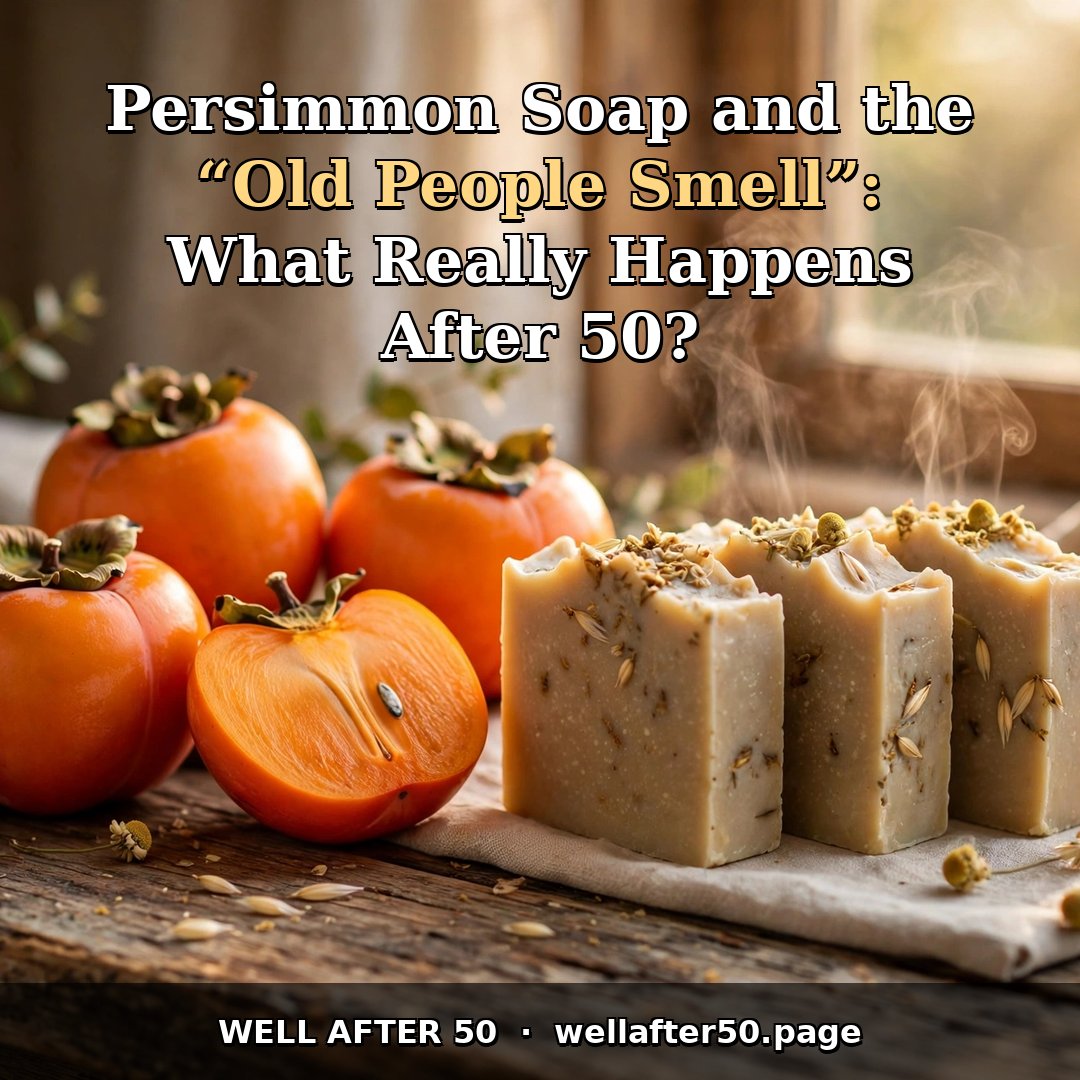
  • Persimmon Soap and the ā€œOld People Smellā€: What Really Happens After 50?

    Persimmon Soap and the ā€œOld People Smellā€: What Really Happens After 50?

    Did you know you might start smelling a little different after 50?

    Yep. Nobody puts that on the birthday card.

    You get the cake, the candles, maybe a card that says, ā€œ50 is the new 40!ā€

    But somewhere in the fine print is:

    ā€œYour skin may now have its own personality.ā€

    And that brings us to one of the funniest—and slightly embarrassing—questions people over 50 sometimes ask:

    Why do old people smell different?

    And more importantly…

    Can persimmon soap help with ā€œold people smellā€?

    First: What Is ā€œOld People Smellā€?

    ā€œOld people smellā€ is a phrase people use to describe a particular odor that can sometimes develop as we age.

    There is actually some science behind it.

    As skin ages, changes in the skin’s oils can result in the formation and oxidation of certain compounds. One compound researchers have associated with age-related body odor is 2-nonenal.

    That doesn’t mean everyone over 50 develops it. It doesn’t mean older people are dirty. And it definitely doesn’t mean you suddenly need to apologize when you walk into a room.

    But aging can change your skin—and sometimes that can change how you smell.

    So… Is Persimmon Soap the Answer?

    This is where persimmon soap enters the story.

    Persimmon-based soaps have become popular because they are marketed as a way to help neutralize or reduce unwanted body odors associated with aging.

    And honestly, I can understand the appeal.

    Nobody wants to walk past a bathroom mirror, catch their own reflection and think:

    ā€œWell, apparently I’m becoming my grandfather.ā€

    A good cleanser can help you feel fresh and clean.

    But persimmon soap isn’t magic. It’s still soap. You shouldn’t expect it to completely eliminate every odor caused by aging, hormones, sweat, skin oils, clothing or other factors.

    Why Does Your Body Odor Change After 50?

    Getting older can bring plenty of changes that nobody warned us about.

    Hair changes. Skin changes. Muscle changes. Sleep changes.

    And apparently, even your personal fragrance department gets reorganized.

    Older skin generally becomes drier and thinner, and the composition of skin oils can change. Hormonal changes can also affect sweating and body odor. Then there are medications, diet, exercise, stress and everyday hygiene.

    So if you notice that you smell different than you did when you were 30, you’re not necessarily imagining it.

    Your body really is changing.

    And Here’s the Funny Part…

    When we’re young, we spend ridiculous amounts of money trying to smell like something we’re not.

    Mountain breeze. Ocean mist. Fresh rain. Midnight adventure.

    I don’t know what ā€œmidnight adventureā€ smells like, but apparently it comes in a spray bottle.

    Then you hit 50 and suddenly you’re perfectly happy smelling like:

    Soap.

    Clean skin. Fresh laundry. Maybe a little aftershave.

    And honestly? That’s not bad.

    I Kind of Like the ā€œOld People Smellā€

    Here’s a confession:

    Sometimes I actually like the smell people call ā€œold people smell.ā€

    Not because I want to smell stale.

    Because certain smells are connected to memories.

    The smell of an old-fashioned bar of soap. Your parents’ bathroom. A freshly washed towel. Your grandparents’ house. The aftershave your father wore. A particular hand lotion your mother used.

    Those smells can take you backward in time faster than a photograph.

    So maybe we should be careful about automatically calling every familiar older-person smell ā€œbad.ā€

    Sometimes it’s just nostalgia with a scent.

    But I Still Want to Smell Good

    Of course.

    Being comfortable with getting older doesn’t mean giving up personal hygiene.

    I’m over 50. I still want to smell clean. I still want people to enjoy standing next to me. And I definitely don’t want someone opening a window when I walk into the room.

    A Good After-50 Smell Routine

    • Shower regularly. Nothing fancy required.
    • Clean areas that sweat. Armpits, feet and other areas where sweat and bacteria can accumulate deserve attention.
    • Try a gentle soap. If you’re interested in persimmon soap, give it a try and see how your skin responds.
    • Moisturize afterward. Dry skin becomes more common with age, and harsh cleansers can make it worse.
    • Wash clothes and towels regularly. Sometimes the smell isn’t coming from your body at all. Your favorite shirt may be the actual criminal.
    • Don’t drown yourself in cologne. There’s a point where ā€œI want to smell goodā€ becomes ā€œI have entered the room before my body has.ā€ A little is usually enough.

    Want to Try Persimmon Soap?

    If you’re curious about persimmon soap, you can check out the product I found on Amazon here:

    See Persimmon Soap on Amazon #ad

    This is an affiliate link. If you purchase through this link, I may earn a commission at no additional cost to you.

    Does Persimmon Soap Really Work?

    That’s where we need to separate advertising from reality.

    Persimmon soap may help reduce unwanted odor for some people, but there’s no reason to expect it to completely reverse age-related changes in body odor.

    If you try it, look at how your skin responds.

    • Does it leave you feeling clean?
    • Does it cause dryness or irritation?
    • Do you like the smell?

    Those questions matter more than expecting one bar of soap to turn back the clock.

    And if you have a sudden or unusually strong change in body odor that doesn’t make sense, that’s something worth discussing with a healthcare professional rather than simply buying stronger soap.

    Getting Older Isn’t the Problem

    Here’s what I’ve learned about being over 50.

    You don’t have to fight every sign of aging.

    Some things are worth taking care of. Some things are worth laughing about. And some things are worth simply accepting.

    Wrinkles? They’re coming.

    Gray hair? Probably coming.

    Making noises when you stand up? Welcome to the club.

    And apparently, there’s a possibility that your skin develops a slightly different smell.

    Fine.

    I’ll take the persimmon soap.

    Maybe ā€œOld People Smellā€ Isn’t Such a Terrible Thing

    We’re living longer. We’re staying active longer. We’re exercising. We’re taking better care of our skin. We’re learning about nutrition.

    We’re starting over. We’re dating. We’re traveling. We’re doing things we didn’t have time—or courage—to do when we were younger.

    So if getting older occasionally means needing a different kind of soap?

    I’ll take the deal.

    And if somebody tells me I smell like an old person?

    I’ll probably say:

    ā€œThanks. I’ve worked hard to get here.ā€

    Bottom Line

    Persimmon soap is worth knowing about if you’re concerned about body odor after 50 or what people jokingly call ā€œold people smell.ā€

    It may help with unwanted odors, but it isn’t a miracle cure.

    The real goal isn’t to smell 25 again.

    It’s much simpler:

    Stay clean. Take care of your skin. Smell fresh. And don’t be embarrassed about getting older.

    After all, we’re not trying to become younger.

    We’re trying to get better at being ourselves.

    Amazon.com : Mirai Clinical Persimmon Soap for Old People Smell,NonenalĀ® Odor Eliminator | Japanese Persimmon Soap, Natural Body Odor Soap, Green Tea Extract, Deodorizing Bar for Men, Women, Gentle for All Skin

    Mirai Clinical Persimmon Soap for Old People Smell,NonenalĀ® Odor EliminatorJapanese Persimmon Soap, Natural Body Odor Soap, Green Tea Extract, Deodorizing Bar for Men, Women, Gentle for All Skin Types

    https://amzn.to/3VDASVfĀ 

    Common Questions About Persimmon Soap and Aging-Related Odor

    Why can body odor change as we age?

    Body odor can change with age because skin chemistry, sweat, bacteria, diet and personal care habits can all change. A new or unusual odor can also have other causes.

    Does persimmon soap really remove aging-related odor?

    Persimmon products are marketed for odor control, but individual results vary. Good hygiene and checking persistent changes with a clinician are more important than relying on one product.

    Ā 

    About Tom Green

    Tom Green writes Well After 50. He’s just a regular, laid-back 64-year-old who keeps things simple. He shares what he learns about skincare, fitness and getting older, and what’s working for him. He’s also the author of A Practical Guide to Getting Older Without Giving Up on Yourself. Tom isn’t a doctor. He reads up on the research and passes along what’s useful, plain and simple.

    Disclosure: Some links in this article are affiliate links. If you purchase through one of these links, Well After 50 may earn a commission at no additional cost to you.

    I’ve also mapped out some great tools on my new Tech for Independent Living After 50 page.
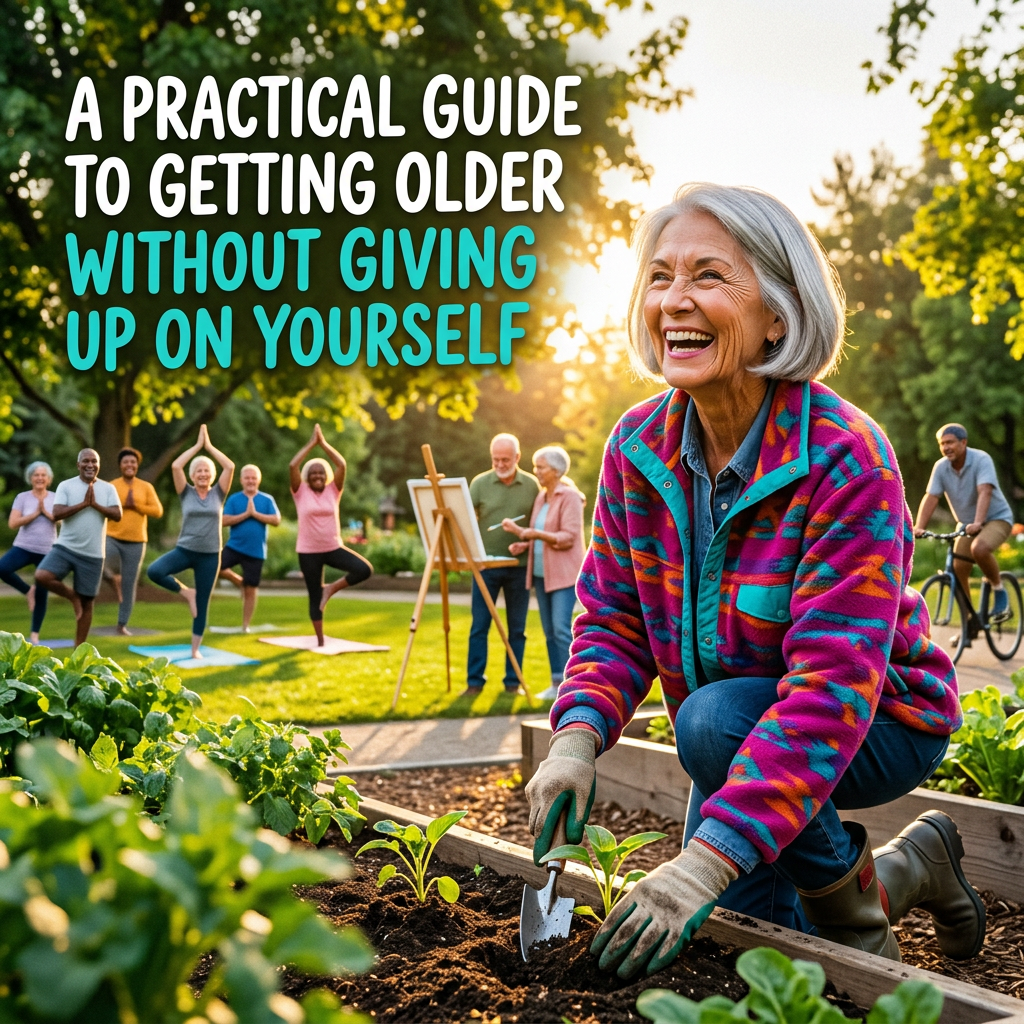
  • A Practical Guide to Getting Older Without Giving Up on Yourself

    A Practical Guide to Getting Older Without Giving Up on Yourself

    Getting older doesn’t mean giving up on yourself.

    It means learning how to work with the changes, take better care of yourself, and enjoy the person you’re becoming.

    That’s the idea behind Well After 50: A Practical Guide to Getting Older Without Giving Up on Yourself, by Tom Green.

    This is a practical, honest look at life after 50—the things that change, the things that can frustrate you, and the things you can still do to feel stronger, healthier, more confident, and more involved in life.

    Inside the Book

    • Strength & staying active — How important strength becomes as we age—and why staying active is about much more than exercise.
    • Food, protein & weight — What happens to your body as you get older, why that middle can become so frustrating, and practical ways to think about food and protein.
    • Skin & appearance — Getting older doesn’t mean you have to stop caring about how you look. It’s about looking your best without trying to look 25 again.
    • Staying engaged with life — Keeping your curiosity, interests, connections, and desire to keep moving forward.
    • Making the most of the years ahead — Because growing older isn’t the end of the story. There is still plenty to learn, experience, improve, and enjoy.

    This isn’t a book about pretending you’re younger.

    It’s about feeling good about who you are now—and making the years ahead better.

    šŸ“š Want to Take a Look?

    A Practical Guide to Getting Older Without Giving Up on Yourself (Well After 50 Book 1)

    A Practical Guide to Getting Older Without Giving Up on Yourself
    By Tom Green

    šŸ‘‰ Read about the book or get the Kindle edition on Amazon #ad

    Keep Reading

    Well After 50 — because getting older doesn’t mean giving up.

    Disclosure: Some links in this article are affiliate links. If you purchase through one of these links, Well After 50 may earn a commission at no additional cost to you.

    Common Questions About Getting Older Without Giving Up on Yourself

    How can I age without giving up on myself?

    Focus on what remains changeable: strength, movement, relationships, interests, routines and how you spend your time.

    Is it too late to make healthy changes after 50?

    No. Small, consistent changes can still improve habits and daily life at any age.

    About Tom Green

    Tom Green writes Well After 50. He’s just a regular, laid-back 64-year-old who keeps things simple. He shares what he learns about skincare, fitness and getting older, and what’s working for him. He’s also the author of A Practical Guide to Getting Older Without Giving Up on Yourself. Tom isn’t a doctor. He reads up on the research and passes along what’s useful, plain and simple.

    I’ve also mapped out some great tools on my new Tech for Independent Living After 50 page.

  • Protecting Your Peace After 50: 5 Science-Backed Ways to Support Emotional Wellness

    Protecting Your Peace After 50: 5 Science-Backed Ways to Support Emotional Wellness

    There is something that can happen after 50 that nobody really prepares you for: you start realizing just how valuable your peace has become.

    Life may be fuller than ever. Family responsibilities can change. Work can change. Friendships can change. Your body can change. And sometimes the things that used to bother you suddenly seem much less important than they once did.

    That does not mean life after 50 is stress-free. Far from it. It means you may finally have the perspective to decide what deserves your energy — and what does not.

    Protecting your peace is not about avoiding people or pretending everything is positive. It is about building habits that support emotional wellness, keeping meaningful connections, and learning how to respond to stress without letting it run your life.

    1. Protect Your Relationships — Not Every Relationship

    Human beings need connection. Good relationships can provide companionship, emotional support, laughter, encouragement, and a sense that we belong somewhere.

    But protecting your peace does not require keeping every relationship exactly as it has always been.

    After 50, it is reasonable to become more selective. Spend time with people who respect you, listen to you, make room for your feelings, and are willing to give as well as receive.

    • Call a friend instead of waiting for someone else to call.
    • Make regular plans with people you genuinely enjoy.
    • Join a group, class, church, club, or community activity that interests you.
    • Reconnect with someone you have been meaning to call.
    • Give yourself permission to step back from relationships that repeatedly leave you drained or mistreated.

    There is also an important distinction between solitude and loneliness. Enjoying time alone can be healthy. Feeling disconnected when you want meaningful connection is different. If loneliness has become a regular part of your life, reaching out may be one of the best ways to protect your emotional health.

    2. Get Better at Saying No

    Sometimes the fastest way to lose your peace is to keep saying yes when you really mean no.

    You do not have to attend every event, solve every family problem, answer every message immediately, or volunteer for every responsibility simply because you have always done it that way.

    A healthy boundary can be surprisingly ordinary:

    • ā€œI can’t take that on right now.ā€
    • ā€œThat doesn’t work for me.ā€
    • ā€œLet me think about it before I answer.ā€
    • ā€œI need some time for myself.ā€
    • ā€œNo, but thank you for asking.ā€

    Setting a boundary does not mean you are selfish. It means you recognize that your time and emotional energy are limited resources.

    And here is the part people often discover the hard way: you do not have to make everyone happy in order to have a good life.

    3. Move Your Body and Take Care of the Basics

    Emotional wellness is not completely separate from physical health. Your body and brain are connected, and the basics still matter after 50.

    Regular physical activity is associated with benefits for mood, sleep, physical function, and overall health. You do not need an extreme exercise program. A walk, a strength workout, gardening, dancing, or simply breaking up long periods of sitting can all count.

    • Walk regularly. Even a short daily walk can get you moving and outside.
    • Keep building strength. Maintaining muscle helps support everyday independence and function.
    • Take sleep seriously. A tired brain is not at its best when dealing with stress.
    • Eat reasonably well. You do not need a perfect diet to support your health.
    • Get outside. A change of surroundings can be surprisingly helpful when you feel mentally stuck.

    You do not have to wait until you feel motivated. Sometimes the motivation shows up after you start moving.

    4. Give Your Mind Something Better to Do

    Stress has a way of taking over your attention. You replay an argument. You worry about tomorrow. You check the news again. You scroll social media. Then you wonder why your mind feels exhausted.

    One of the simplest ways to protect your peace is to give your attention somewhere better to go.

    • Read a book you actually enjoy.
    • Learn something you have always been curious about.
    • Start a hobby or return to one you abandoned years ago.
    • Cook something new.
    • Garden, paint, photograph, build, write, or make something.
    • Spend time outdoors.
    • Limit the amount of time you spend consuming upsetting news or social-media arguments.

    Curiosity is particularly useful after 50 because it keeps life from becoming nothing but a list of responsibilities. You still have permission to discover things.

    And if your mind constantly feels overwhelmed, do not dismiss that as simply ā€œgetting older.ā€ Persistent anxiety, depression, severe stress, or loss of interest in normal activities deserves attention.

    5. Make Peace With the Fact That You Cannot Control Everything

    This may be the hardest one.

    You cannot control what another person says. You cannot control every family decision. You cannot control every change that comes with aging. You cannot control the news, the economy, or what someone thinks about you.

    You can control your response.

    That does not mean pretending difficult things do not matter. It means separating what you can influence from what you cannot.

    If something can be changed, make a plan. If it cannot be changed today, ask whether continuing to worry about it is helping you.

    Sometimes protecting your peace means taking action. Sometimes it means accepting that you have done what you can and letting the rest go.

    A Simple 50+ Peace Reset

    If your life feels noisy right now, do not try to fix everything at once.

    • Choose one relationship you want to strengthen.
    • Say no to one thing you genuinely do not want to do.
    • Take a walk without your phone in your hand.
    • Spend an hour doing something you enjoy instead of scrolling.
    • Write down one problem you can control and one you cannot.

    And sometimes protecting your peace is as simple as sitting down with a warm cup and doing nothing for a few minutes. I reckon a nice tea makes that little break feel like a treat. Azomalli Tea makes a cacao shell tea with a mellow, chocolatey taste that’s good for slowing down. (affiliate link)

    Small changes repeated often can be more useful than a giant promise to completely reinvent your life on Monday.

    The Bottom Line

    Protecting your peace after 50 is not about becoming detached from the world.

    It is about becoming more intentional about the world you allow into your life.

    Keep the people who matter. Set boundaries where you need them. Move your body. Stay curious. Take care of your sleep. And remember that you are allowed to stop spending precious energy on things that no longer deserve it.

    You worked hard to get here. Your peace is worth protecting.

    For another perspective on emotional well-being and protecting your peace through life’s changes, Next Avenue offers reporting and resources on aging, health, and later-life transitions.

    Common Questions

    What does protecting your peace mean after 50?

    It means being intentional about your time, attention, relationships, and response to stress. It can include setting healthy boundaries and choosing where your emotional energy goes.

    Can exercise help emotional wellness after 50?

    Yes. Regular physical activity is associated with benefits for mood and overall mental well-being. It can also improve sleep, physical function, and daily routine.

    How can I set boundaries without hurting people?

    Be clear, respectful, and brief. You can say no without criticizing the other person or giving a long explanation. Healthy boundaries are about what you can and cannot do.

    How important are friendships after 50?

    Meaningful social connections can support emotional well-being and help reduce isolation. Quality matters more than having a large number of friends.

    How do I protect my peace without becoming isolated?

    Protecting your peace is not the same as shutting people out. Maintain supportive relationships while stepping back from unnecessary conflict and relationships that repeatedly harm your well-being.

    Can hobbies improve emotional wellness after 50?

    Enjoyable activities can provide structure, accomplishment, curiosity, and opportunities for connection. A hobby does not have to be productive to be worthwhile.

    What if I feel lonely after 50?

    Start with one connection. Call someone, invite a friend for a walk or coffee, join a group, volunteer, or try a class. If loneliness is persistent or affecting your daily life, discuss it with a healthcare or mental-health professional.

    When should I seek professional help for emotional wellness?

    If sadness, anxiety, hopelessness, loneliness, sleep problems, or loss of interest in normal activities persist or interfere with daily life, professional help is appropriate. Asking for help is a strength, not a failure.

    Is protecting my peace selfish?

    No. Taking care of your emotional well-being does not mean you stop caring about other people. Healthy boundaries can help you remain present for the people and responsibilities that truly matter.

    About Tom Green

    Tom Green writes Well After 50. He’s just a regular, laid-back 64-year-old who keeps things simple. He shares what he learns about skincare, fitness and getting older, and what’s working for him. He’s also the author of A Practical Guide to Getting Older Without Giving Up on Yourself. Tom isn’t a doctor. He reads up on the research and passes along what’s useful, plain and simple.

    Keep Reading

    I’ve also mapped out some great tools on my new Tech for Independent Living After 50 page.

  • A Little Thank You From Well After 50

    A Little Thank You From Well After 50

    Well After 50 is growing — slowly, naturally, and one reader at a time.

    Lately, we’ve been seeing readers find the site from more places, including Reddit and several countries outside the U.S. And that’s pretty damn cool.

    So I just wanted to say thank you.

    Thank you for reading an article, sharing something you found useful, clicking around the site, or simply stopping by.

    Well After 50 was created for people who aren’t finished just because they’re getting older.

    We’re going to keep talking about fitness, food, appearance, confidence, relationships, aging, and all the everyday stuff that comes with being over 50 — honestly and without pretending we’re 25.

    There’s a lot more coming.

    Thanks for being here.

    — Tom
    Well After 50

    Keep Reading

    About Tom Green

    Tom Green writes Well After 50. He’s just a regular, laid-back 64-year-old who keeps things simple. He shares what he learns about skincare, fitness and getting older, and what’s working for him. He’s also the author of A Practical Guide to Getting Older Without Giving Up on Yourself. Tom isn’t a doctor. He reads up on the research and passes along what’s useful, plain and simple.

    I’ve also mapped out some great tools on my new Tech for Independent Living After 50 page.