Menopause advice is everywhere, but “natural” doesn’t automatically mean effective or safe. If you’re looking for natural ways to manage menopause symptoms after 50, it helps to focus on approaches that are practical, low-risk, and supported by at least some research.
1. Keep Your Body Moving
Regular physical activity can support overall health during menopause. Walking, strength training, cycling, swimming, dancing, and activities such as yoga can all be useful ways to stay active.
Exercise is not a magic cure for hot flashes, but staying active can support your physical and emotional well-being during this stage of life.
2. Try Cooling Strategies for Hot Flashes
If hot flashes are bothering you, simple cooling strategies may make them easier to manage.
- Wear lightweight layers you can remove easily.
- Keep your bedroom cool.
- Use a fan if it helps.
- Keep cool water nearby.
- Pay attention to personal triggers.
- Choose breathable bedding and clothing.
3. Don’t Ignore Sleep
Sleep can become more difficult during menopause, especially when night sweats or hot flashes interrupt the night.
A regular bedtime, a cool bedroom, daytime activity, and relaxation practices may help create better conditions for sleep.
4. Consider Yoga, Tai Chi or Meditation
Mind-body practices such as yoga, tai chi, and meditation may be useful for relaxation, stress management, and overall well-being. They may not eliminate menopause symptoms, but they can be practical additions to a healthy routine.
5. Get Some Soy From Food
Foods such as tofu, edamame, tempeh, miso, and soy milk contain soy isoflavones. Some research suggests they may modestly reduce the frequency or severity of hot flashes, although the evidence is inconsistent.
6. What About Menopause Supplements?
This is where I would be especially careful. Supplements such as black cohosh, red clover, dong quai, and evening primrose are often promoted for menopause symptoms, but the evidence is less impressive than the marketing can make it sound.
Estroven Complete Multi-Symptom Menopause Relief
One product you may come across is Estroven Complete Multi-Symptom Menopause Relief. It contains rhapontic rhubarb extract (ERr 731), which has been studied for menopause symptoms. Some research suggests it may provide benefits, but it is not a miracle cure.
The product is marketed as hormone-free and drug-free and is taken once daily. As with any supplement, it makes sense to check with a healthcare professional if you take medications or have health conditions.
7. What About Flaxseed and Red Clover?
Flaxseed and red clover are also sometimes promoted for menopause symptoms. Research has been mixed and inconsistent, so I would not count on either one as a guaranteed solution.
A Note About Your Health
This article is for general educational purposes and is not medical advice. New, severe, or unusual symptoms should be discussed with a qualified healthcare professional. Talk with your doctor or pharmacist before taking menopause supplements, especially if you take medications or have medical conditions or a history of hormone-sensitive cancer. Natural does not automatically mean safe.
The Bottom Line After 50
There is no single natural remedy that works for everyone. Regular exercise, good sleep habits, staying cool, eating a nutritious diet, and managing stress are practical places to start.
Soy foods may help some women with hot flashes, and mind-body practices may be useful for relaxation and overall well-being. The important thing is to look at the research rather than relying on marketing claims.
Sources & Further Reading
NCCIH: Menopausal Symptoms and Complementary Health Approaches
Systematic review and meta-analysis of ERr 731
Common Questions About Natural Remedies for Menopause After 50
What natural remedies may help menopause symptoms?
Exercise, cooling strategies, healthy sleep habits, stress management, mind-body practices, and soy foods are practical options to consider.
Are natural menopause remedies always safe?
No. Natural products can have side effects or interact with medications. Natural does not automatically mean safe.
Can soy help with hot flashes?
Some research suggests soy may modestly reduce hot flashes, but results have been inconsistent.
What about black cohosh for menopause?
Black cohosh is widely promoted, but the evidence for menopause symptoms is mixed.
Can exercise help during menopause?
Exercise supports overall health and well-being during menopause, although it is not a guaranteed treatment for hot flashes.
Are yoga and meditation useful for menopause?
They may help with relaxation, stress management, and overall well-being.
Should I talk with my doctor before taking a menopause supplement?
Yes, especially if you take medications, have medical conditions, or have a history of hormone-sensitive cancer.
What is the most practical place to start?
Start with the basics: regular activity, good sleep habits, staying cool, nutritious food, and stress management.
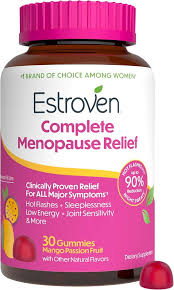
Estroven Complete Multi-Symptom Menopause Supplement for Women, 28 Count
Estroven Complete Multi-Symptom Menopause Relief is a menopause supplement containing rhapontic rhubarb extract (ERr 731).
See it on Amazon #ad
Keep Reading
Menopause After 50: Natural Ways to Manage Symptoms
7 Things to Know About Collagen Supplements and Menopause
Hormone Changes After 50: What’s Normal, What Can Change, and When to Ask Questions
About Tom Green
Tom Green is a man in his 60s sharing what he learns about fitness, skincare, wellness, and healthy aging. He is not a doctor or medical professional. Well After 50 is about practical information and real-life experience for people who want to look better, feel stronger, and age well.
Some links in this article are affiliate links. If you purchase through one of these links, Well After 50 may earn a commission at no additional cost to you.
What do you think? Have a tip, question, or personal experience to share? We’d love to hear from you. After 50, there’s always something new to discover—and your thoughts might help someone else, too!