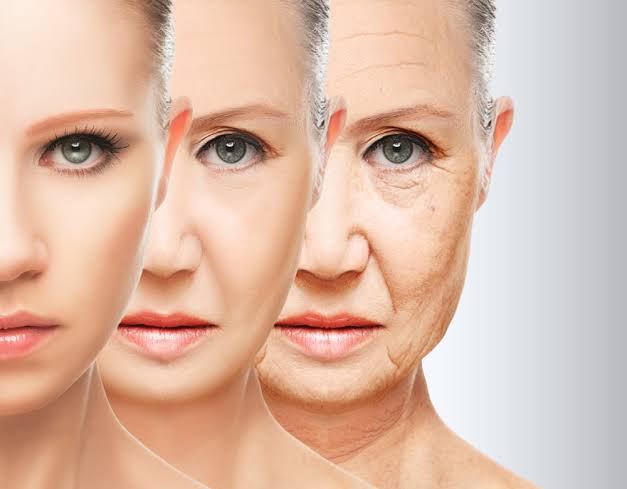
What skincare products are actually worth it after 50?
Short answer: Only a few skincare products after 50 have solid evidence behind them: a gentle cleanser, a vitamin C serum, a retinol, a good moisturizer and, most important, daily sunscreen. Eye cream is optional, and when it comes to exfoliating, less is often more.
After 50, skincare can get confusing fast. Every bottle seems to promise younger-looking skin, but I wanted to know what actually deserves a place on the counter—and what is mostly marketing.
There is no single brand that has been proven to be the “best” for everyone. The stronger evidence is usually behind individual ingredients and routines. So this is how I approached it: look at what dermatologists and research support, then choose practical products that contain those ingredients.
1. Cleanser: CeraVe Hydrating Facial Cleanser
A cleanser does not need to do something dramatic. Its job is to remove dirt, oil, sunscreen and makeup without leaving mature skin feeling stripped and tight.
Why I would consider it: CeraVe’s hydrating cleanser is built around ceramides and gentle cleansing. That makes it a practical choice when your skin is getting drier with age.
How I would use it: Morning and night if needed. If your skin is very dry, you may not need a strong cleanse every morning.
2. Vitamin C: SkinCeuticals C E Ferulic
Vitamin C has better evidence behind it than a lot of the ingredients found in “anti-aging” products. Research supports topical vitamin C for antioxidant protection and photoaged skin, although results depend on the formulation and how stable the vitamin C is.
Why this product gets attention: C E Ferulic combines vitamin C with vitamin E and ferulic acid. That combination has been studied and is one reason this particular serum has become so widely used.
How I would use it: In the morning, before moisturizer and sunscreen.
3. Retinol: CeraVe Skin Renewing Retinol Serum
If I had to pick one treatment ingredient to take seriously for signs of photoaging, retinoids would be near the top of the list. Clinical studies have found that topical retinol can improve signs of photoaging. Prescription tretinoin has even stronger evidence, but it is a different category and may require medical guidance.
Why this is a practical option: CeraVe’s retinol serum is an over-the-counter option designed for people who want to introduce retinol without jumping straight to prescription treatment.
How I would start: Two nights a week. Use a small amount, then increase slowly if your skin tolerates it. Irritation is not proof that a product is working.
4. Moisturizer: La Roche-Posay Toleriane Double Repair
As skin gets older, maintaining the skin barrier becomes increasingly important. A moisturizer will not erase wrinkles, but keeping skin hydrated can make it look and feel smoother and less dry.
Why I would consider it: Toleriane Double Repair is a straightforward barrier-supporting moisturizer with ingredients such as ceramides and glycerin. See the moisturizer I’m referring to #ad
How I would use it: Morning and night, especially after cleansing and on retinol nights.
5. Sunscreen: La Roche-Posay Anthelios
If there is one step I would not skip, it is sunscreen. Sun exposure is one of the biggest contributors to visible skin aging, and daily broad-spectrum sunscreen helps protect against UV damage.
Look for broad-spectrum SPF 30 or higher and use enough to cover the face, ears and neck. Reapply when you are outdoors for extended periods, sweating or swimming.
Why this line: Anthelios offers several broad-spectrum facial sunscreen options. The exact product matters less than finding an SPF 30+ sunscreen you will actually use consistently.
6. Eye Cream: Optional
You do not need a separate eye cream to have a good skincare routine. A regular moisturizer may be enough for some people. If you like an eye product, look for a simple formula that targets your specific concern rather than buying one because the label says “anti-aging.”
7. Exfoliation: Less Is Often More
Exfoliating can make skin feel smoother, but older or dry skin can also become irritated if you overdo it. I would rather see someone use a gentle exfoliant occasionally than attack their face with several acids and scrubs every week.
My Simple Morning Routine
- Cleanser
- Vitamin C
- Moisturizer
- Broad-spectrum SPF 30+
My Simple Night Routine
- Cleanser
- Retinol on retinol nights
- Moisturizer
On nights when you are not using retinol, cleanser followed by moisturizer is perfectly reasonable.
If You Want to Keep the Cost Down
You do not need five expensive serums. If money were tight, I would put the priorities in this order: sunscreen, moisturizer, gentle cleanser, and then one treatment product such as retinol or vitamin C.
A Simple 30-Day Start
- Week 1: Cleanser, moisturizer, and sunscreen.
- Week 2: Add vitamin C in the morning if you want an antioxidant step.
- Week 3: Add retinol two nights a week.
- Week 4: Keep the routine steady. Do not add three new products just because you want faster results.
What Skincare Cannot Do
No cream can stop aging, replace healthy habits, or guarantee that wrinkles disappear. And “clinically proven” on a package does not automatically mean a brand has proven itself better than every competing product.
Top Questions People Ask About Skincare After 50
What is the most important skincare product after 50?
Daily broad-spectrum sunscreen is one of the most important steps for protecting skin from additional UV damage.
Is retinol really worth using after 50?
Retinol has clinical evidence for improving signs of photoaging, but it can irritate skin. Start slowly and stop or reduce use if you develop significant irritation.
Do I need an expensive skincare brand?
No. The evidence is generally stronger for certain ingredients and consistent sunscreen use than for paying a premium simply because a product comes from a luxury brand.
Can skincare remove deep wrinkles?
Skincare can improve the appearance and texture of skin, but it cannot guarantee removal of deep wrinkles. Be skeptical of products making dramatic promises.
Should I use all of these products?
No. A simple routine you can follow consistently is better than a crowded bathroom counter that leaves your skin irritated.
Common Questions
What skincare products actually deserve a place on your counter after 50?
A simple routine can cover the basics: a gentle cleanser, moisturizer, broad-spectrum sunscreen, and carefully chosen products with ingredients that address your specific skin concerns.
What should a simple morning skincare routine look like after 50?
Start with a gentle cleanse or rinse, apply any targeted serum you use, moisturize, and finish with broad-spectrum sunscreen. If your skin is dry, you may prefer a richer moisturizer in the morning.
What should a simple evening skincare routine look like after 50?
Cleanse gently, apply a targeted treatment such as a retinoid if appropriate for your skin, and finish with moisturizer. You don’t need to layer several active products every night.
Is sunscreen really the most important anti-aging skincare product?
Daily sun protection is one of the most useful habits for protecting skin from UV damage and helping prevent premature visible aging.
Do you really need an expensive skincare routine after 50?
Not necessarily. A few well-chosen products used consistently can be more practical than filling your counter with a large collection of products.
Which skincare ingredients have the best evidence behind them?
Ingredients such as sunscreen, retinoids, vitamin C, niacinamide, and moisturizing ingredients have evidence or established uses for addressing different aspects of skin health and visible aging.
Should you use retinol or a retinoid after 50?
Retinoids can be useful for concerns such as fine lines, uneven texture, and pigmentation, but they can also cause irritation. Starting gradually and choosing a formulation appropriate for your skin can make them easier to tolerate.
Does mature skin need more moisturizer?
Many people notice increased dryness as they age. A good moisturizer can help support the skin barrier and make skin feel more comfortable and hydrated.
Are more skincare products better for mature skin?
Usually, more isn’t necessarily better. Layering too many active ingredients can increase irritation, while a simple routine makes it easier to know which products are actually helping.
How can you tell whether a skincare product deserves a place on your counter?
Look at what the product is designed to do, whether its ingredients have reasonable evidence behind them, whether it suits your skin, and whether you’ll actually use it consistently.
A gentle note: This article is for general informational purposes and isn’t a substitute for personalized medical or dermatological advice. If you have a persistent skin problem, unusual skin change, or reaction to a product, consider talking with a dermatologist or other qualified healthcare professional.
My Take
After looking at the evidence, I would not call one brand the universal “best.” I would build the routine around ingredients and products that have a reasonable evidence base, then keep the routine simple enough to actually use.
#ad Some product links on this page may be affiliate links. If you buy through one, Well After 50 may earn a commission at no additional cost to you.
This article is based on published research, dermatology guidance, and product information. It is for general information and is not medical advice.
For another evidence-focused perspective on skincare ingredients and product claims, cosmetic chemist Stephen Alain Ko of Kind of Stephen writes about the science behind beauty products and how to assess common cosmetic claims.
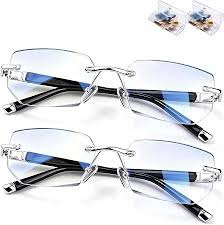
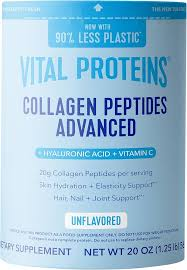
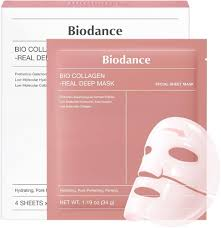
A list of some products that help with the very skin issues:
Keep Reading
About Tom Green
Tom Green writes Well After 50. He was born in Pell City, Alabama, in 1962, and he’s a country boy and a true Southerner through and through. He’s just a regular, laid-back 64-year-old who keeps things simple. He shares what he learns about skincare, fitness and getting older, and what’s working for him. He’s also the author of A Practical Guide to Getting Older Without Giving Up on Yourself. Tom isn’t a doctor. He reads up on the research and passes along what’s useful, plain and simple.
I’ve also mapped out some great tools on my new Tech for Independent Living After 50 page.



What do you think? Have a tip, question, or personal experience to share? We’d love to hear from you. After 50, there’s always something new to discover—and your thoughts might help someone else, too!